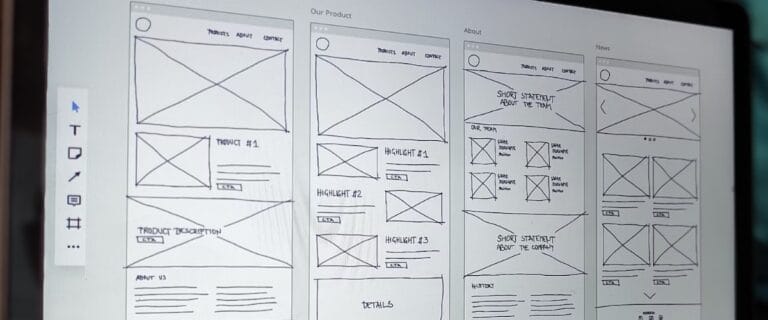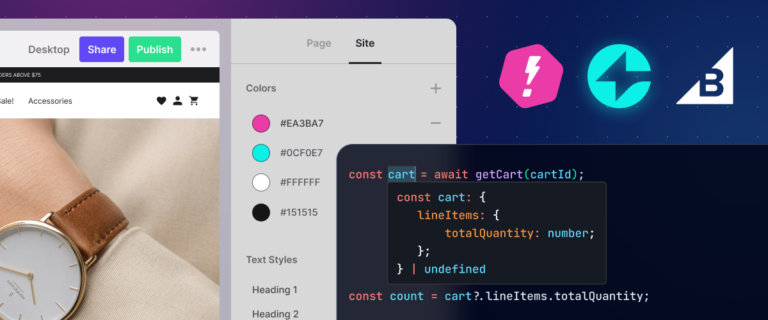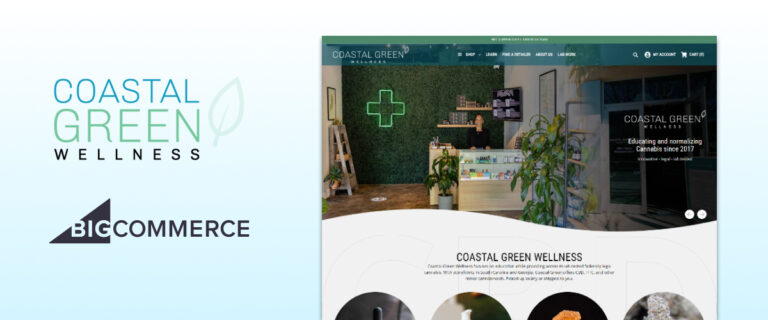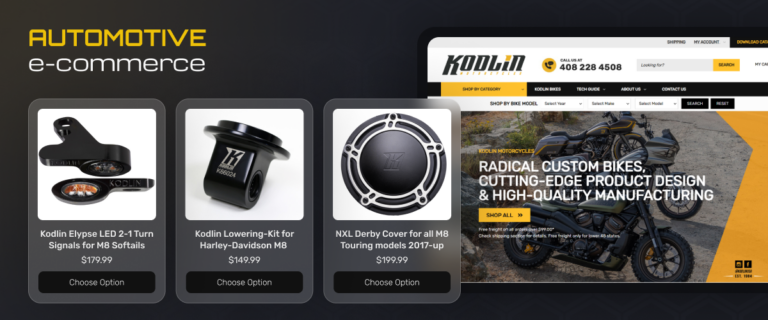




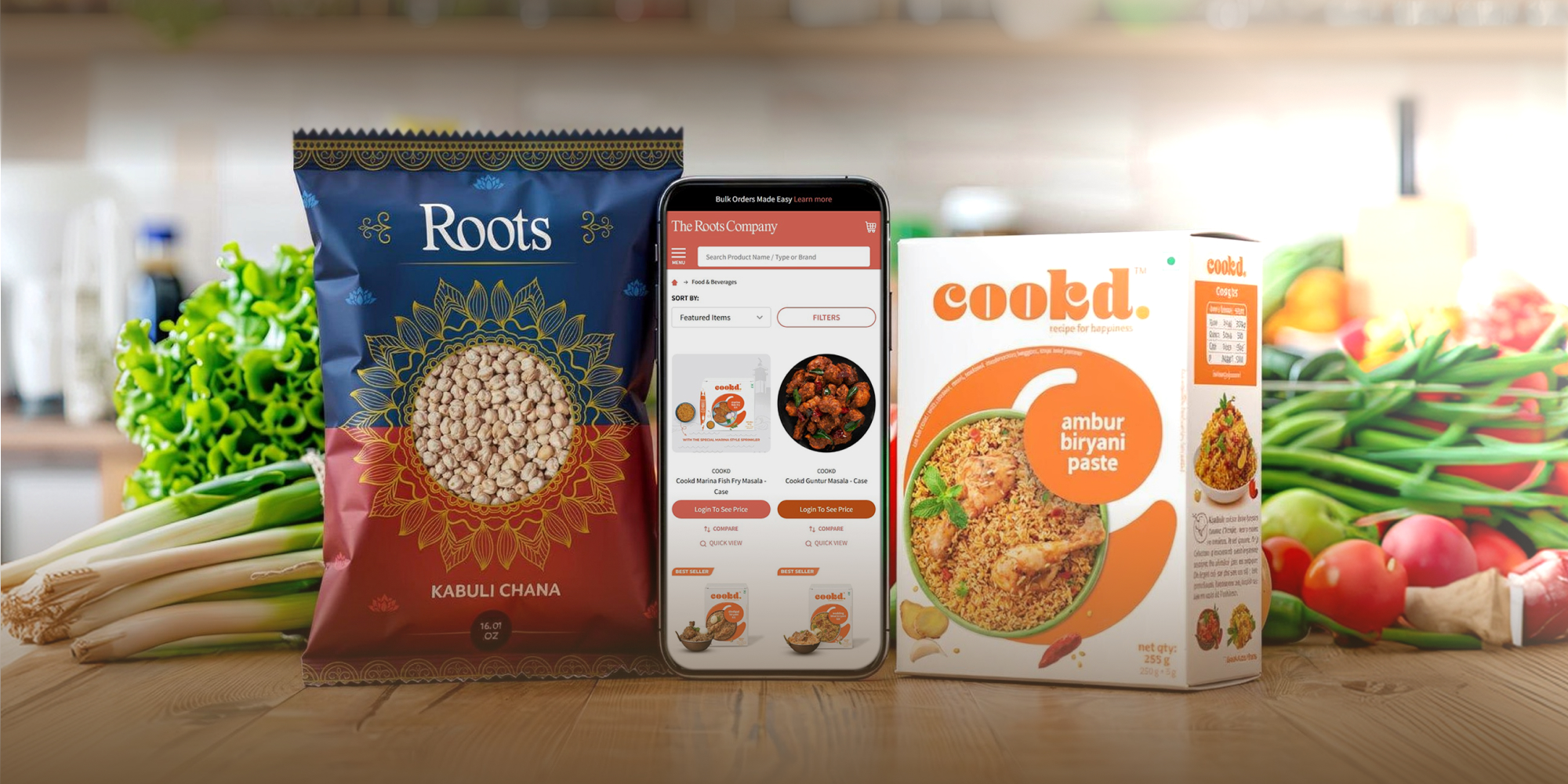








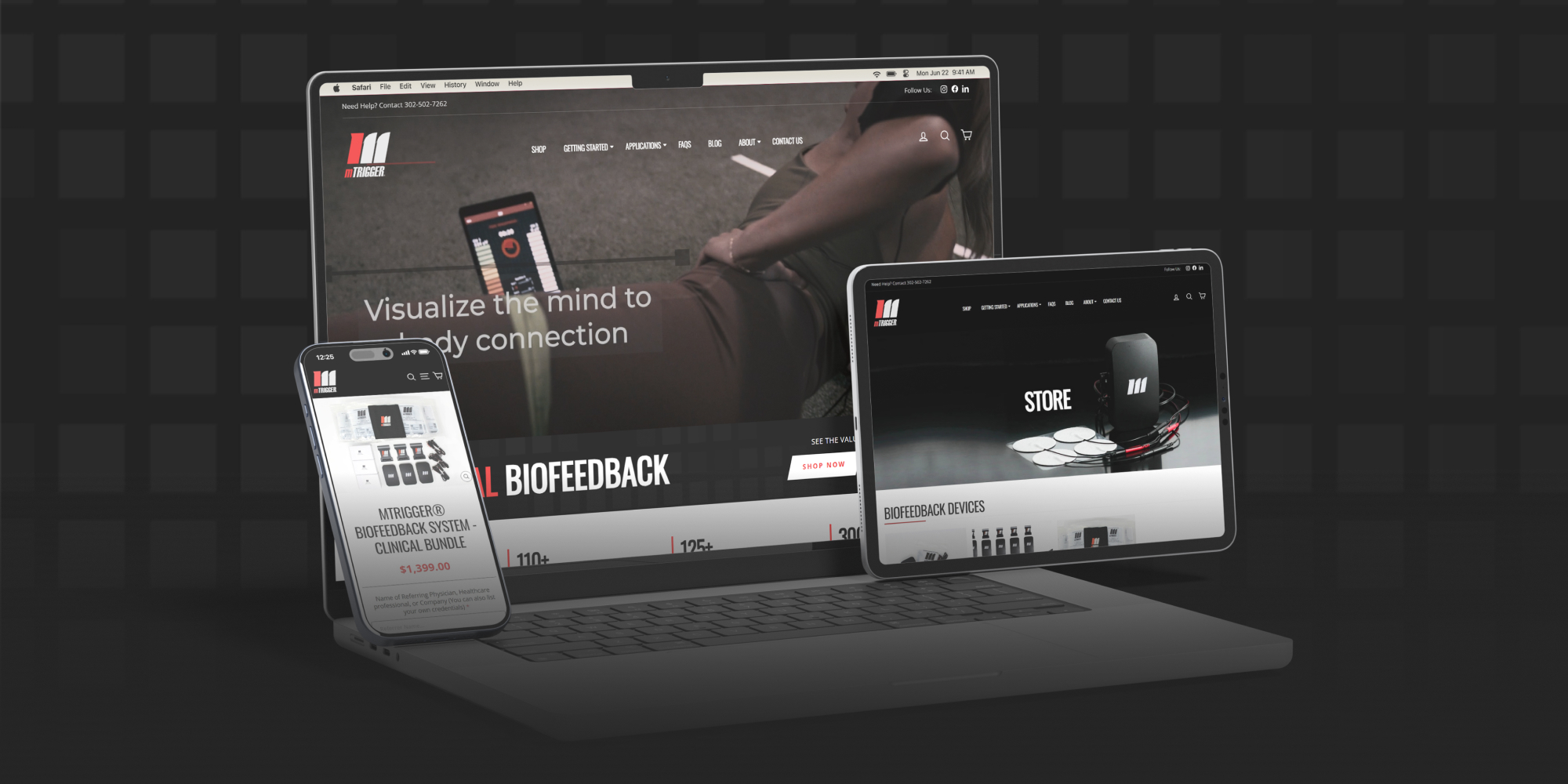







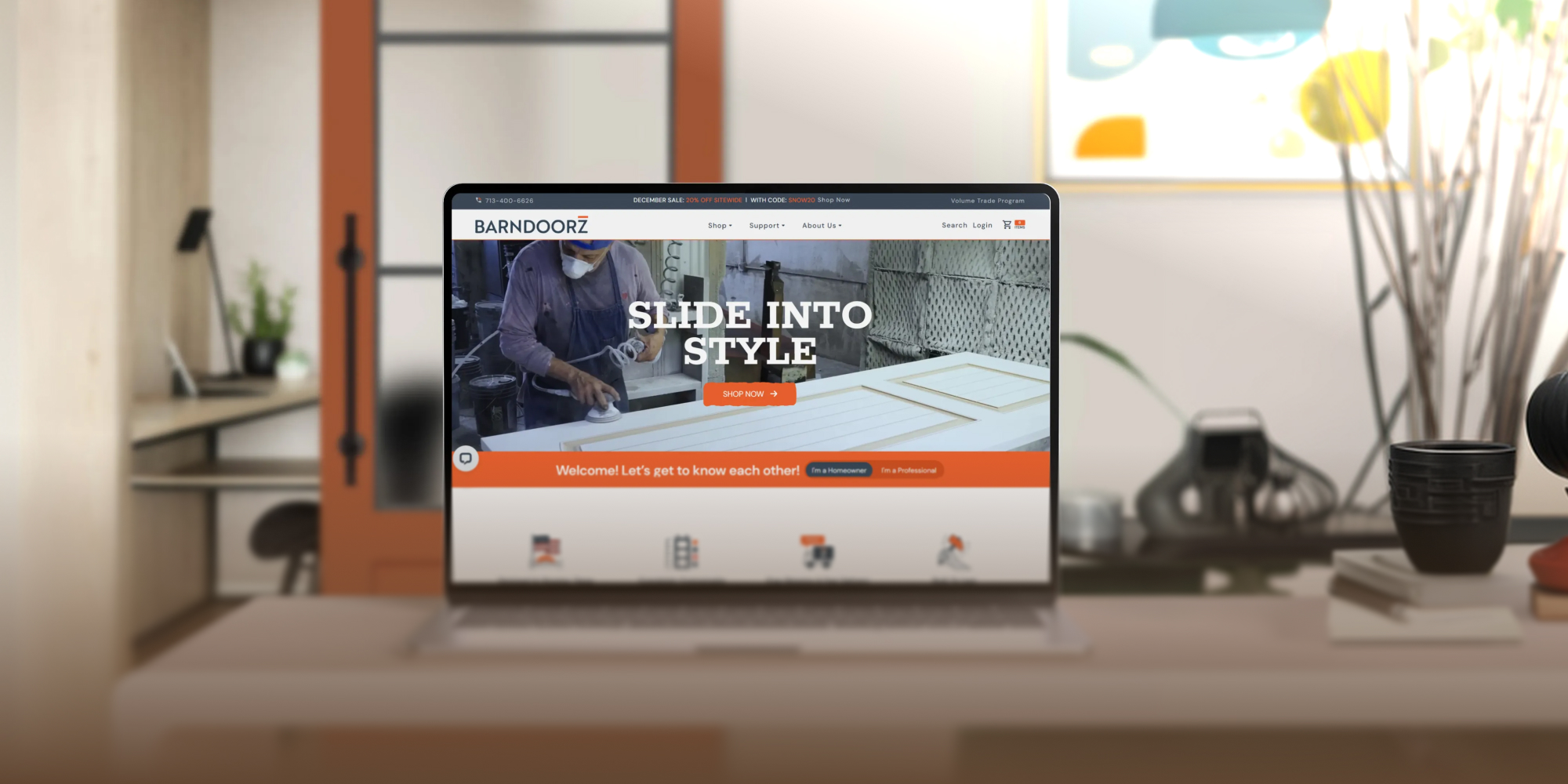









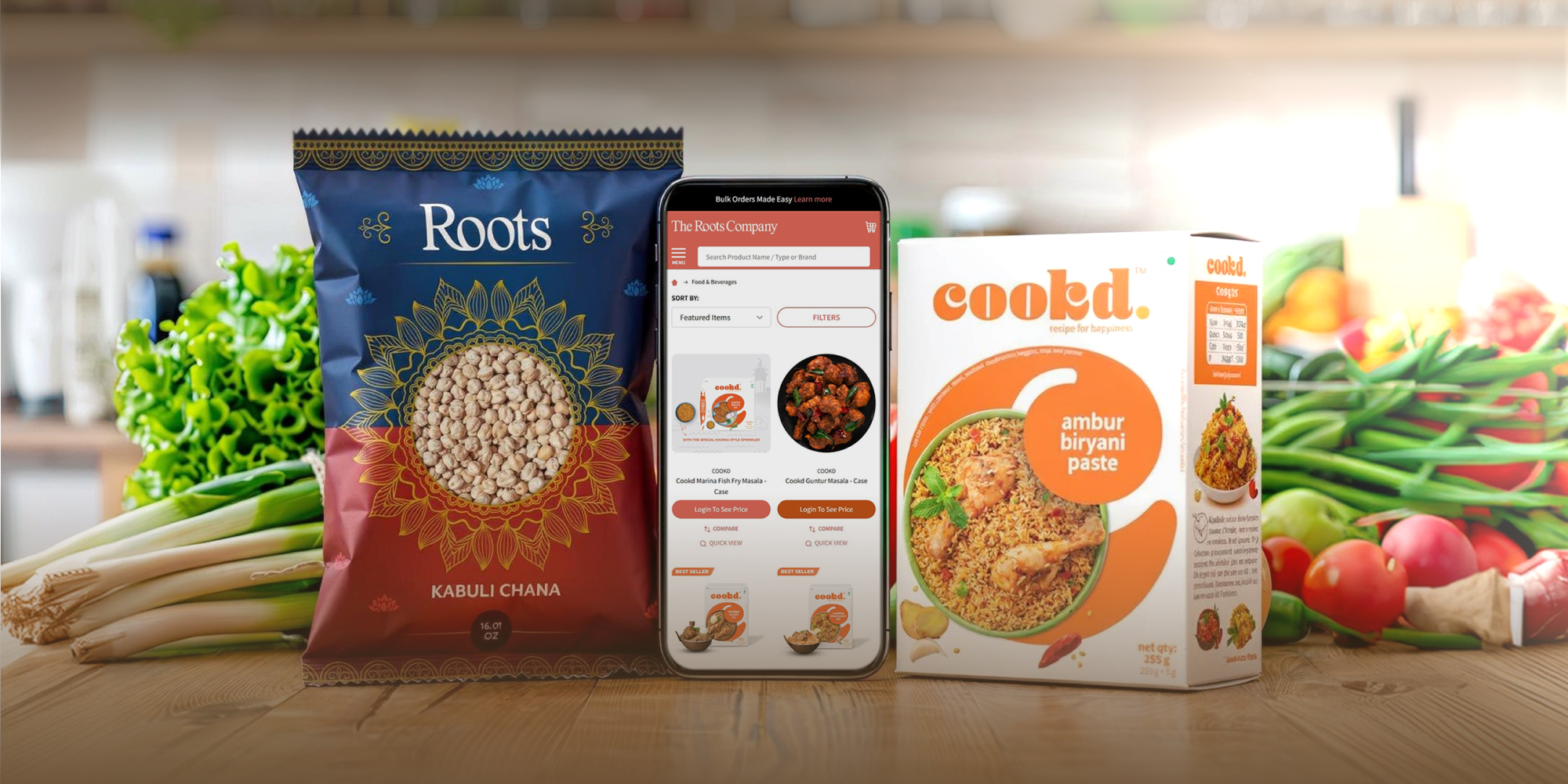

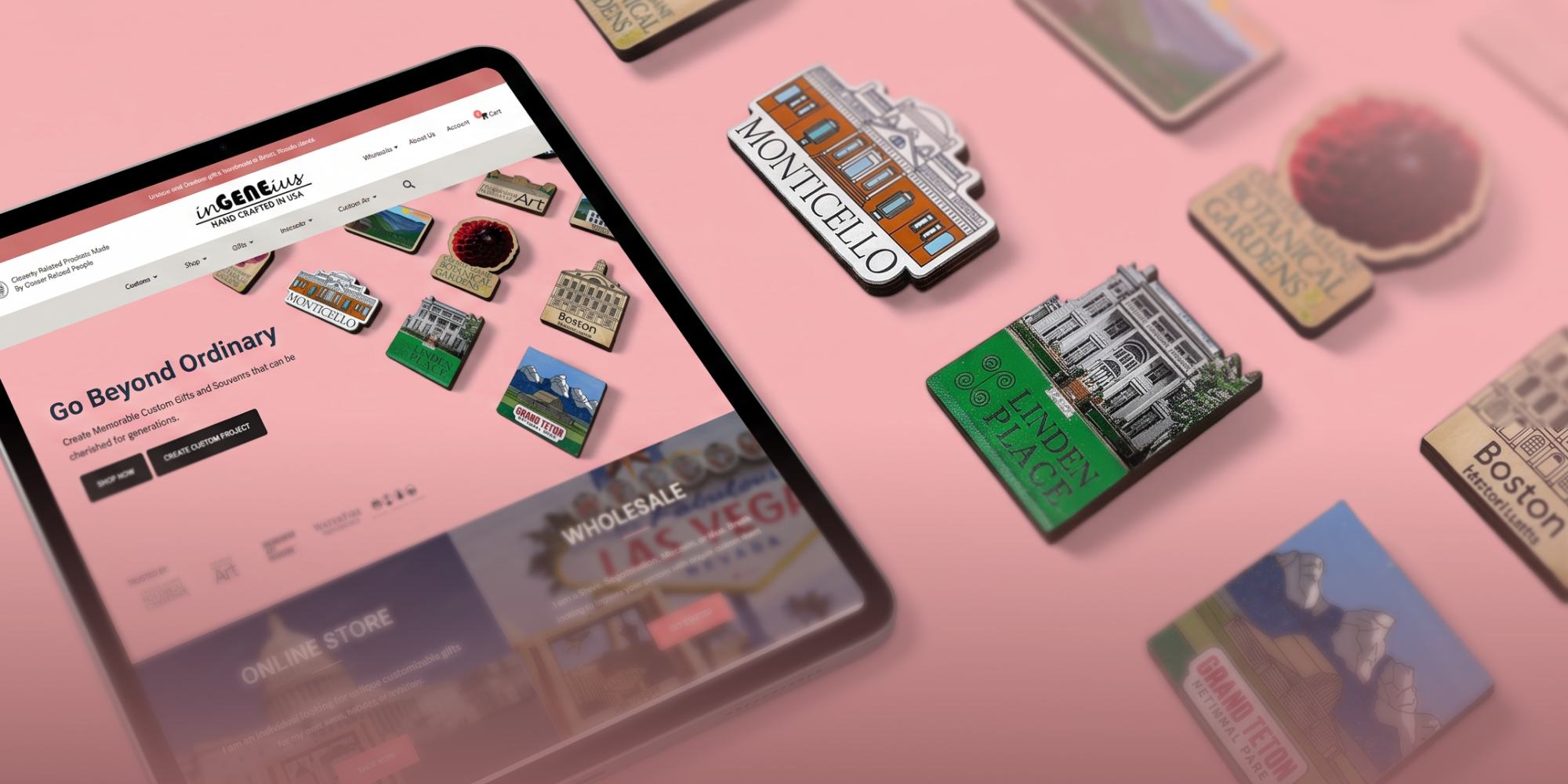









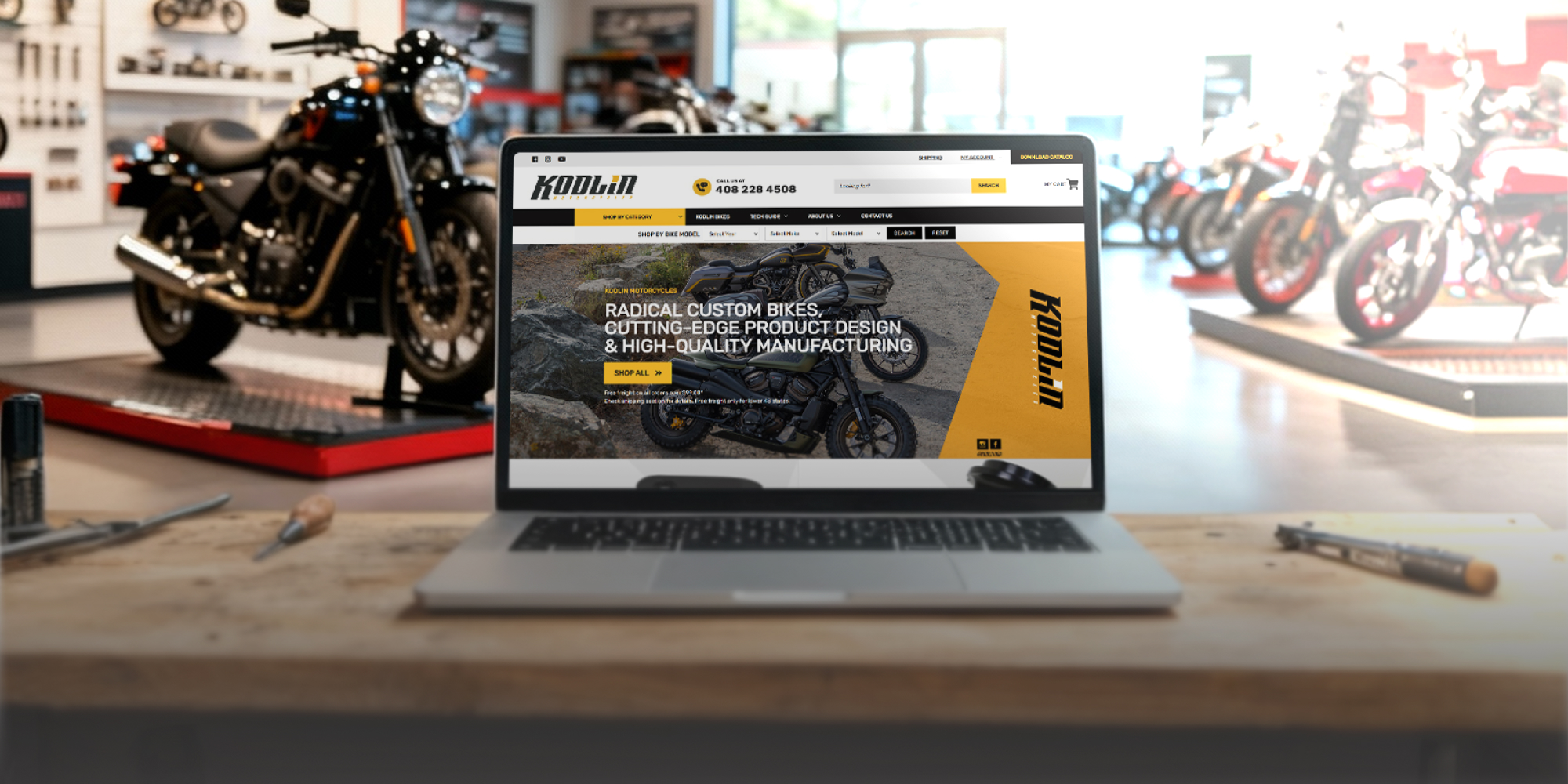







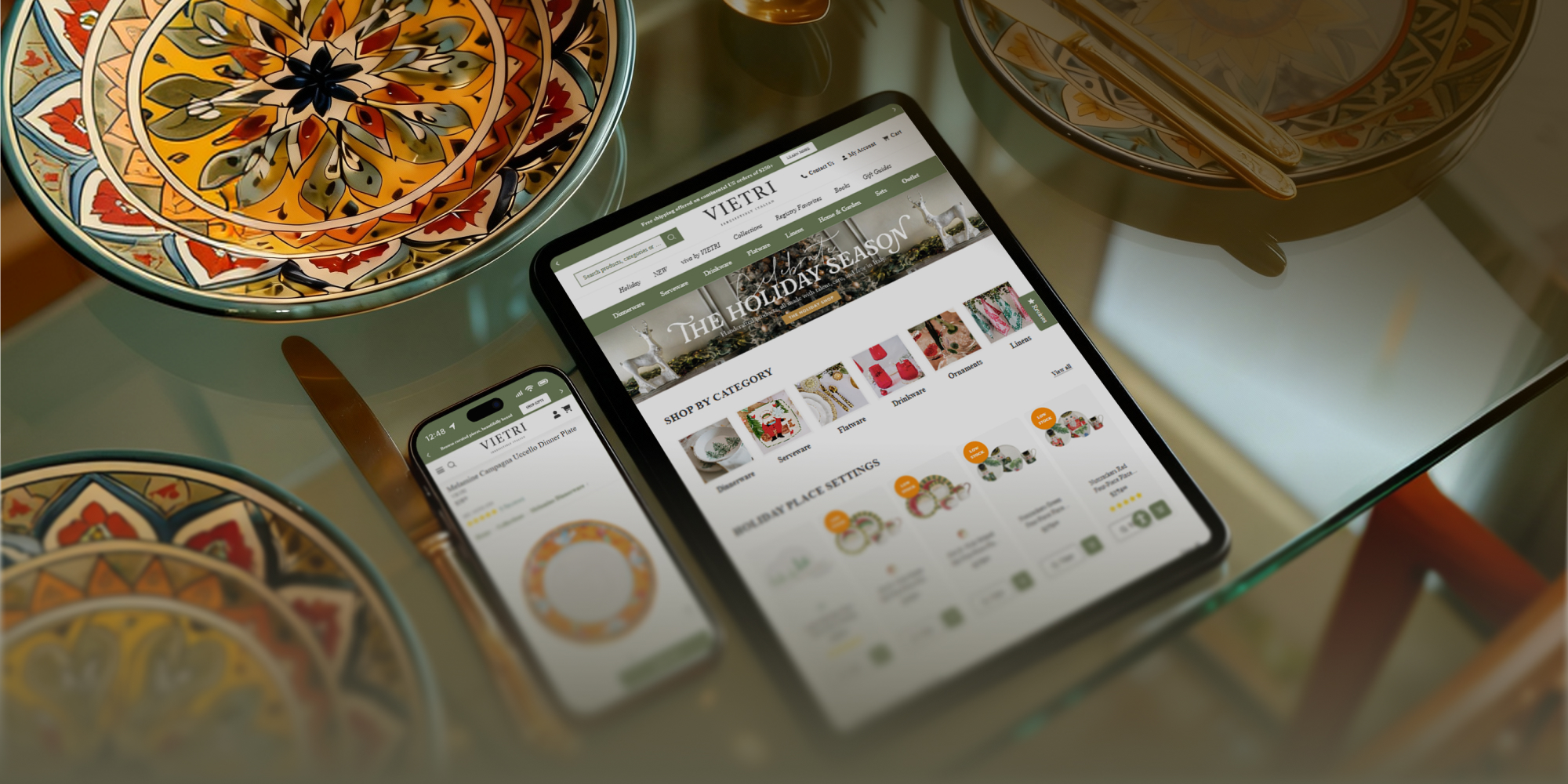

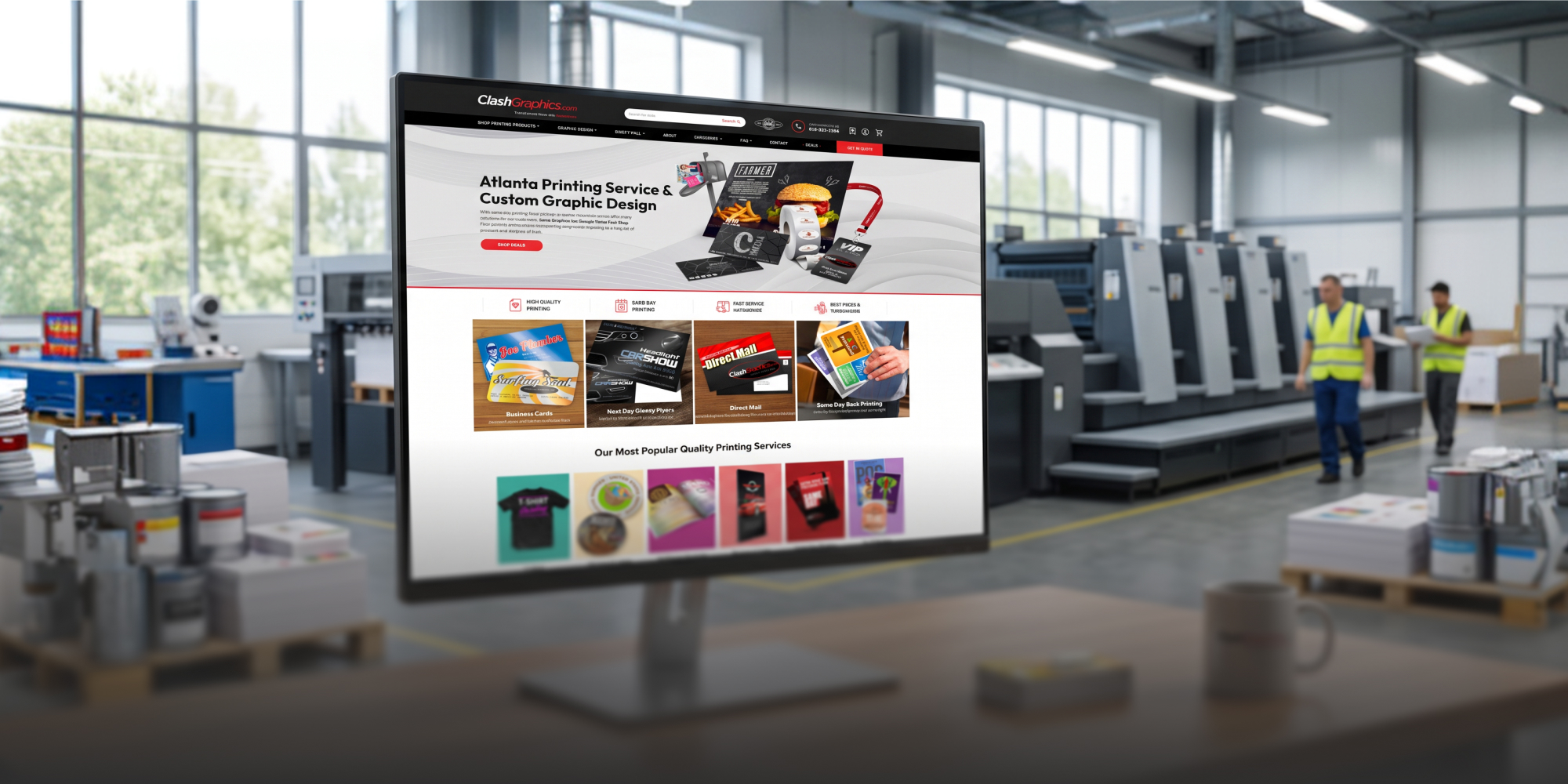



Do you intend to create a website for your business? Have you ever given e-Commerce website design any thought? Being present online is essential for competing in the modern digital environment. Having said that, a successful e-Commerce website design can offer your business the edge it needs to flourish and rise ahead of the competition.
In this article, we’ll provide you with all you need to know about designing an e-Commerce website for your business. We’ll go over the different styles of e-Commerce websites, their different designs, as well as the essential things to consider before partnering with an e-Commerce website designer. Let’s get right into it!

The Various Styles of E-commerce Websites
Different businesses have varying requirements for the design of their e-Commerce websites – that’s why there’s no one-size-fits-all solution to the topic of what your e-Commerce website should look like. The best e-Commerce website design will depend on your unique requirements and objectives for your business. In this section, you’ll learn about the different styles of e-Commerce websites, allowing you to pick which type best suits your business.
The catalog style is the most popular type of e-Commerce website design. Websites in the catalog style are made to present a wide range of goods in an orderly manner. As a result, customers find it simple to browse through the website and easily find the things they want. Websites with a catalog style often contain huge images and in-depth product descriptions.
The storefront style is another style of e-Commerce website design. Websites with storefronts are made to provide clients with a more intimate shopping experience. They often include just a few products, along with images and descriptions. Customer feedback and ratings are frequently included on storefronts.
The marketplace style, on the other hand, is yet another style of e-Commerce website design. Websites in the marketplace format are made to let numerous sellers list their goods together, allowing customers to easily compare goods and costs from various merchants. Additionally, marketplaces frequently provide tools like user ratings and reviews to assist customers in making wise purchases.
The Pros and Cons of Each Type of Website Design
After delving into the different styles of e-Commerce websites, let’s now take a look at the ways you can have yours built. Template-based, platform-based, and custom-designed are the three main categories to choose from when creating an e-Commerce website. Each design offers pros and cons that should be taken into account before deciding which type is best for your business.
The easiest and least expensive way to launch an e-Commerce website is with the use of atemplate-based design. However, since it’s built with the use of a pre-existing template, it can be quite challenging to adjust and might not provide the level of flexibility or functionality you require for your business.
Although more expensive and time-consuming to set up, platform-based designs are more flexible than template-based designs. Popular e-Commerce platforms like Shopify or Magento offer a variety of tools and plugins that may be utilized to build a distinctive e-Commerce experience. However, it takes someone with a level of expertise on these platforms to be able to use them effectively.
The most flexibility and customization are available on custom-designed e-Commerce websites. However, they are also the most expensive and time-consuming to develop. A custom design can be the best option for you if you have the budget and the time to work with a web designer to develop a completely original website.

Which Style of Design Is Ideal for Your Business?
The ideal style of design for your business depends on several factors, including the goods or services you offer, your target market, and your budget. There’s no universally applicable solution to this problem. That said, here are a few general pointers to help you select the ideal e-Commerce design for your business:
- Keep it simple
When it comes to e-Commerce design, less is frequently more. Maintaining a clean, simple website is important because a convoluted or cluttered one may turn off potential customers.
- Check that it’s responsive
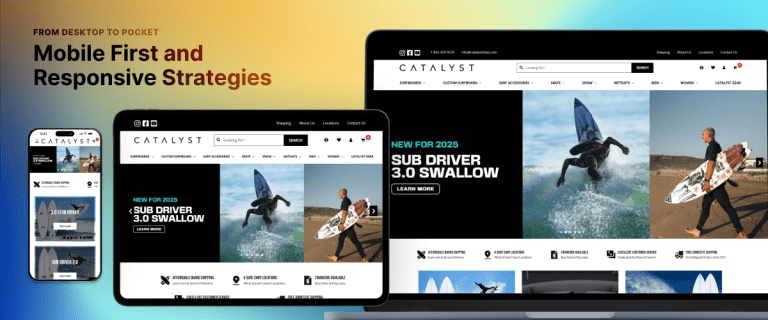
As more and more people purchase online using their smartphones and tablets, your e-Commerce website must be built with mobile consumers in mind. You need either a mobile app designed specifically for your store or build your actual website with a responsive design that looks fantastic across all devices.
- Take into account your branding
Your e-Commerce website should match your brand identity. Before beginning the design process, it’s important to think about the kind of image you want to present to your website visitors and customers.
- Strike a balance between aesthetics and usability
A beautiful website won’t be much use if it’s difficult to navigate. So, be sure to strike a balance between aesthetic appeal and usability.
How to Pick a Reputable E-commerce Website Design Company
When you’re ready to expand your business online, you need to work with a company that can develop an intuitive and aesthetically pleasing e-Commerce website.
However, how can you pick the best company when there are so many options? To ensure that you choose a partner that satisfies all of your wants and expectations, we’ve created this list to make it easier for you to select an e-Commerce website design company:
- Experience
Look for a company with e-Commerce website design experience. This will guarantee that they possess the abilities and information required to establish a profitable internet store.
- Portfolio
To see examples of the company’s work, check through its portfolio. This will give you a sense of their design aesthetic and whether it corresponds with the goals you have for your website.
- Read customer reviews
Reading customer reviews of an e-Commerce website design company will help you know the caliber of the company’s work and customer service.
- Services
Check to see if the business provides all the services you require, including marketing and SEO as well as website design and development.
- Pricing
Request estimates from multiple businesses before choosing one. To accurately compare prices, make sure to compare like with like.

How to Make Your E-commerce Website Stand Out: A Guide
How do you make your e-Commerce website stand out from your competitors? To highlight your website from the vast sea of competition, you need more than simply a fantastic product. Make your e-Commerce website design stand out by doing the following:
- Make use of excellent images
Make sure your product images and videos are crisp, expert, and appealing. Visitors will be able to see your products in their best light and get a sense of how they actually are if you do this.
- Make the user experience interesting
Your website should have enough useful information about your products and be simple to use and navigate. Consider the aspects that would make clients’ online purchasing fun and convenient, then implement them into your design.
- Make a special offer
What distinguishes your website from other e-Commerce platforms? Find a way to differentiate yourself from your competitors, whether it be through customization choices, limited-edition products, or free shipping promos. This will encourage visitors to visit your website rather than your competitor’s.
Final Thoughts
Designing an e-Commerce website is a crucial component of any digital marketing plan and may be a remarkable tool for expanding your consumer base. You’ll receive the most return on your investment in your business if you achieve a successful website design.
With that, you won’t make the mistake of partnering with an amazing and highly-skilled team like ours at Always Open Commerce. We’ll provide your e-Commerce website with a design that reflects your brand and delights your customers. Come and give us a visit!