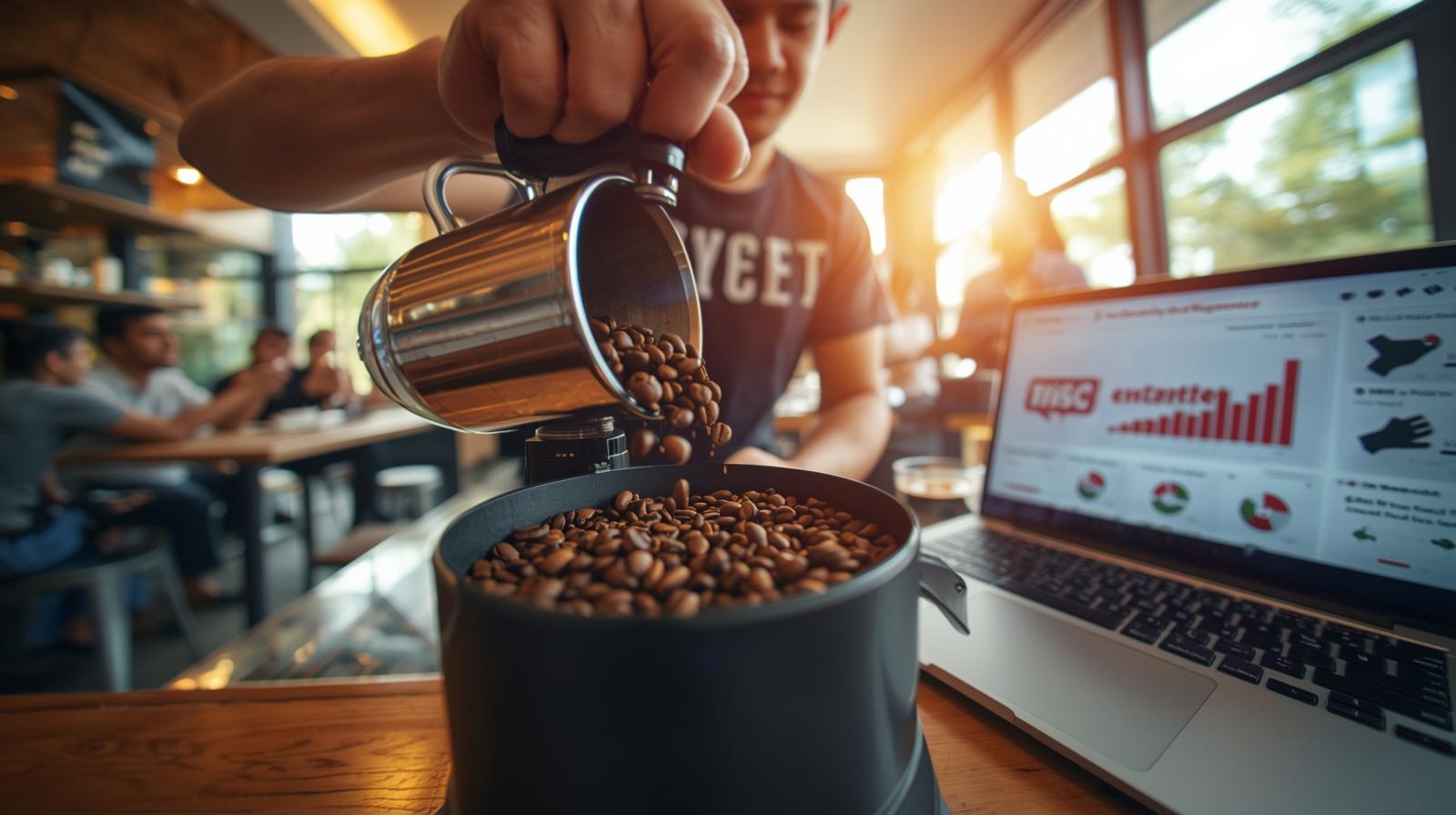

When you evaluate the Ecommerce platforms company Bigcommerce on selling coffee online, you’re examining whether this powerful ecommerce platform can handle the unique demands of roasted beans, subscriptions, brewing gear, and wholesale accounts. Bigcommerce positions itself as an enterprise-grade solution with robust seo tools, unlimited products, and strong B2B capabilities—features that matter significantly for coffee brands planning serious online sales growth. It is also considered one of the leading ecommerce solutions for rapid business growth.
The direct answer: Bigcommerce is a strong fit for growth-oriented coffee brands that need subscription flexibility, wholesale pricing for cafes and offices, and multi-channel selling capabilities. However, the learning curve and reliance on third party apps for subscriptions may make it heavier than necessary for micro-roasters just testing the waters with an ecommerce store. Choosing the right platform and the right ecommerce tools is critical for coffee brands aiming for long-term success.
This evaluation focuses specifically on using the Bigcommerce platform for coffee ecommerce—roasted beans, pods, brewing equipment, gift subscriptions, and merchandise. It does not cover in-store POS hardware or non-coffee industries. The target audience includes independent roasters, specialty coffee shops, and emerging coffee brands building an online business in 2025–2026, whether selling B2C, B2B, or both. Customer expectations for seamless online shopping and advanced features are higher than ever, especially for specialty coffee.
What you’ll learn from this article:
- How Bigcommerce handles coffee subscriptions, repeat orders, and customer groups for loyalty programs
- Catalog management strategies for multi-origin coffees with grind sizes, roast levels, and seasonal releases
- Shipping and fulfillment configurations for weight-based, perishable products
- How Bigcommerce compares to Shopify and WooCommerce specifically for coffee sellers
- Practical solutions to common challenges coffee brands face on this Ecommerce platform
- How to evaluate key features and all in one platforms for coffee ecommerce
Bigcommerce also includes advanced SEO features out of the box, which are essential for targeting specific keywords effectively.
Understanding Bigcommerce as an Ecommerce Platform for Coffee E‑Commerce
Bigcommerce is a cloud-based SaaS ecommerce platform that provides online retailers with storefront, checkout, inventory management, and order processing without requiring server maintenance or extensive technical knowledge. The platform also offers built-in and integrated marketing tools to help coffee sellers promote their products, engage customers, and run effective marketing campaigns. For coffee sellers—whether offering single-origin beans, espresso blends, brewing accessories, or monthly subscription boxes—the platform promises scalability from small businesses through to enterprise businesses with complex B2B operations.
Coffee as a category has specialized ecommerce requirements that generic platforms sometimes struggle to address. Freshness matters: customers expect roast date transparency. Variety is extensive: a single Ethiopian Yirgacheffe might come in whole bean, espresso grind, filter grind, and French press grind across three bag sizes. Subscriptions drive long term success: coffee drinkers repurchase regularly, making recurring revenue models essential. And many roasters eventually sell wholesale to cafes, hotels, and offices, requiring bulk pricing, custom pricing tiers, and customer segmentation capabilities.
Core Bigcommerce Capabilities Relevant to Coffee Brands
The Bigcommerce platform offers several built in features that map directly to coffee ecommerce needs:
Product and variant management: Bigcommerce supports unlimited products with extensive options for variants. A single coffee product can include dropdown selectors for grind size (whole bean, espresso, pour-over, French press), bag size (250g, 500g, 1kg), and roast level (light, medium, dark). This structure accommodates complex catalogs without creating separate product pages for every combination.
Multi-channel selling: Coffee brands benefit from selling across multiple sales channels—their own online store, Amazon, Instagram, Facebook, and wholesale portals. Bigcommerce enables syncing inventory and product data across 150+ marketplaces and social media platforms, reducing overselling risk and keeping freshness management consistent. In addition, Bigcommerce offers multi store functionality, allowing coffee brands to manage multiple storefronts from a single platform.
SEO features: The platform provides seo optimization tools including customizable URLs, meta titles, descriptions, and schema markup. These help coffee brands target long-tail keywords like “light roast single origin Ethiopian coffee subscription” and compete in search engines against established competitors.
No additional transaction fees: Unlike some competitors, Bigcommerce does not charge transaction fees when merchants use external payment gateways. For high-volume coffee operations processing many orders at relatively low margins, this pricing structure preserves profitability. Bigcommerce also supports over 70 payment gateways, including PayPal, Stripe, and Square, allowing coffee retailers to offer various payment options.
B2B capabilities: The Bigcommerce enterprise tier and B2B Edition support customer groups with tiered pricing, corporate account hierarchies, quick order pads, and invoice portals—features directly applicable to wholesale coffee programs serving cafes, restaurants, and offices.
The platform’s open APIs allow integration capabilities with roasting software, fulfillment systems, subscription billing tools, and CRM platforms commonly used in the coffee industry.
Bigcommerce offers 24/7 customer support, which is beneficial for coffee retailers needing assistance with their online store.
Coffee-Specific Selling Requirements
A typical online coffee business needs its ecommerce platform to support several operational and customer-facing functions:
Recurring subscription billing: Weekly, biweekly, or monthly coffee deliveries with auto-renewal, skip options, and gift subscription workflows. Customers expect “roaster’s choice” surprise options alongside fixed blend subscriptions.
One-time purchases with options: Single bags, bundles (coffee + mug + grinder), sample packs, and limited seasonal releases. Product pages need to display flavor notes, origin stories, processing methods, and brewing recommendations.
Grind size and roast transparency: Dropdown options for grind selection and clear communication of roast dates. Some customers want beans roasted and shipped within 48 hours; the platform must support messaging around freshness.
Inventory tracking for perishables: Coffee has a shelf life. Inventory management should enable batch awareness and help merchants rotate stock appropriately, ideally with automatic reorder points when supplies run low.
Shipping rules for weight-based products: Coffee bags are dense relative to their value. Shipping configurations need weight-based calculations, free shipping thresholds, and zone-based rates for regional or international expansion.
Compliance and labeling: Different markets have specific labeling requirements for food products. The platform should accommodate custom fields for certifications (organic, fair trade), allergen information, and regulatory text by market.
For customer-facing functions, Bigcommerce offers a variety of themes that are responsive and customizable, which is critical for mobile shopping.
For B2B and wholesale requirements, Bigcommerce supports account based marketing features, allowing targeted marketing efforts for corporate and reselling clients.
The remainder of this article examines how well Bigcommerce meets each of these coffee-specific requirements in practice.
How Bigcommerce Handles Key Coffee Store Functions
Moving from foundational overview to practical implementation, this section evaluates specific aspects of running an online coffee shop on Bigcommerce. Coffee brands have a range of ecommerce solutions to choose from, each with unique strengths that support rapid growth and are highly rated by users. Each function—catalog structure, subscriptions, user experience, and operations—is assessed with attention to what works well, where limitations exist, and how coffee brands can optimize their setup. When considering alternative platforms, it’s important to note that Magento is recognized for its high degree of customization and scalability, making it suitable for larger coffee businesses.
Catalog Setup for Beans, Gear, and Bundles
Structuring a coffee catalog on Bigcommerce involves creating logical categories and leveraging product options effectively.
Category architecture: A typical structure might include Whole Bean Coffee, Ground Coffee, Pods & Capsules, Instant Coffee, Brewing Equipment, Merchandise, and Gift Sets. Within each category, subcategories can organize by origin (Africa, Latin America, Asia-Pacific), roast profile, or blend type.
Product variants and options: For a single origin like Guatemala Huehuetenango, you might offer:
- Grind sizes: whole bean, espresso, filter, French press
- Bag sizes: 250g, 500g, 1kg
- Purchase type: one-time or subscription (handled via modifiers or app integration)
Bigcommerce handles this through product options and variants with SKU-level control. You can set different prices for different sizes and track inventory per variant. Product modifiers work well for grind selection without creating separate inventory entries for each grind. Bigcommerce also provides extensive customization options for catalog structure and product presentation, allowing you to tailor the store to your specific needs.
Complexity considerations: When you have 30+ origins across multiple roast levels, sizes, and grinds, the variant matrix can become unwieldy. Best practice: use product options for choices that don’t require separate inventory tracking (like grind, which is processed at fulfillment) and variants for choices that do (like bag size with different weights and shipping implications).
Bigcommerce offers a variety of responsive themes that can be customized to fit the branding of an online coffee store.
Bundles and kits: Bigcommerce supports bundled products where customers select components—useful for “build your own coffee box” offerings or equipment + coffee starter kits.
Advanced Features: Subscriptions, Repeat Orders, and Loyalty
Bigcommerce approaches subscriptions primarily through third party apps rather than native recurring billing. This is an important distinction for coffee brands where subscriptions often drive the majority of revenue.
Subscription app ecosystem: Popular subscription apps compatible with Bigcommerce in 2025 include Rebillia, PayWhirl, and similar solutions. These integrate with the Bigcommerce store to enable:
- Subscribe & save pricing (e.g., 10% off recurring orders)
- Flexible delivery frequencies (weekly, biweekly, monthly)
- Customer portals for managing skip, pause, swap, or cancel
- Prepaid gift subscriptions with fixed durations
Setup approach: A coffee roaster typically creates subscription-eligible products and connects them to the subscription app. The app handles recurring billing through the connected payment gateways, while Bigcommerce manages inventory and fulfillment for each recurring order.
Considerations: The reliance on third party apps means additional monthly costs (typically $50–$300+/month depending on subscriber volume) and some integration complexity. Coffee brands should test subscription workflows thoroughly before launch, particularly around:
- Inventory sync between subscription platform and Bigcommerce
- Shipping date coordination with roasting schedules
- Gift subscription recipient experience
Loyalty and rewards: Bigcommerce supports customer groups and customer segmentation natively. For loyalty programs with points, tiered rewards, or refer-a-friend incentives, apps like Smile.io or LoyaltyLion integrate with the platform. These tools help coffee brands reward repeat buyers and coffee club members, supporting retaining customers over time. Integrated marketing tools can further help coffee brands promote their subscription and loyalty programs, making it easier to engage customers and drive participation.
User Experience for Coffee Shoppers
Coffee purchasing behavior includes both discovery (exploring new origins, reading tasting notes) and convenience (quick reorder of the usual blend). Bigcommerce themes and customization options address both modes.
Product page presentation: Bigcommerce themes allow rich product pages where coffee brands can display:
- Tasting notes and flavor profiles
- Origin story and farm/cooperative information
- Roast level indicators (visual scales)
- Brewing recommendations and recipes
- Certification badges (organic, fair trade, Rainforest Alliance)
Product videos demonstrating brewing methods or showcasing the origin can be embedded directly on product pages.
Mobile optimization: Coffee shoppers frequently order from mobile devices—morning commuters reordering their regular beans, for example. Bigcommerce themes are responsive, with mobile optimization for fast loading and easy navigation. The checkout flow is streamlined for mobile, which matters for subscription sign-ups and repeat purchases. Meeting customer expectations for seamless mobile shopping is critical for coffee brands, as shoppers demand a frictionless experience from browsing to checkout.
Content and education: Beyond product pages, coffee brands need space for brew guides, origin maps, roasting philosophy, and educational content that builds brand authority. Bigcommerce’s page builder allows custom content sections, though brands pursuing extensive content marketing often pair Bigcommerce with a wordpress website in a headless commerce configuration for more advanced features in content management.
Priority UX elements for coffee:
- One-click reorder for repeat buyers
- Clear grind selection without confusion
- Visible subscription status and management in customer accounts
- Roast date and freshness messaging
- Easy bundle building and gift options
Bigcommerce can support all of these, though some require app integration or custom development depending on the chosen theme.
Implementing a Coffee Store on Bigcommerce: Practical Steps
This section provides concrete guidance for coffee businesses launching on Bigcommerce, including a step-by-step setup process and comparison with alternative platforms. All-in-one platforms like Bigcommerce offer a streamlined approach by integrating website building, analytics, and B2B tools, making the setup process simpler and more efficient for new coffee businesses.
Step 1: Sign Up and Choose a Plan
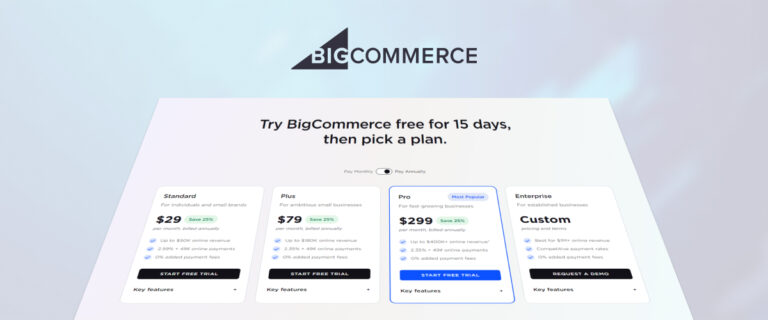
Begin by signing up for a Bigcommerce account and selecting a plan that fits your business needs. Note that Bigcommerce’s pricing structure is based on your annual revenue, so costs may increase as your e-commerce business grows. This is important to consider when forecasting expenses and planning for scalability.
Step 2: Customize Your Store
Use Bigcommerce’s built-in themes and customization tools to design your storefront. The platform’s flexibility allows you to tailor your site to match your coffee brand’s identity.
Step 3: Add Products and Set Up Payment Options
List your coffee products, set prices, and configure payment gateways. Bigcommerce supports multiple payment providers, making it easy to accept payments from customers worldwide.
Step 4: Launch and Market Your Store
Once your store is ready, launch it and use Bigcommerce’s marketing and analytics features to attract and retain customers.
When comparing Bigcommerce to other platforms, consider the benefits of all-in-one platforms for simplifying operations, but also weigh the potential for increased costs as your business grows.
Step-by-Step Setup for a New Coffee Brand
Assume a small roastery launching an ecommerce business in 2025, initially shipping domestically with plans for subscription offerings and eventual wholesale.
- Choose a Bigcommerce plan: Start with the Standard or Plus plan based on projected annual online sales. Plus includes abandoned cart recovery (crucial for coffee subscription conversions) and persistent cart features. Note the revenue thresholds—plan upgrades are required as sales grow.
- Select a coffee-appropriate theme: Choose a theme with strong visual emphasis, space for storytelling, and prominent product imagery. Look for themes with collection filtering (by origin, roast level) and product quick-view capabilities. Several Bigcommerce themes suit food and beverage; customize colors and typography to match brand identity.
- Set up core products and variants: Create your flagship products first. Configure grind size as a product option (no separate inventory tracking needed) and bag size as variants (different weights, prices, and shipping calculations). Add roast date information to product descriptions or custom fields that display on the storefront.
- Configure tax and shipping for weight-based products: Coffee bags require weight-based shipping rules. Configure shipping zones, set up real-time carrier quotes (USPS, UPS, FedEx) or flat-rate tiers, and establish free shipping thresholds (e.g., orders over $50 ship free). Connect tax automation if selling across multiple states or countries.
- Connect payment gateways: Set up Stripe, PayPal, or other preferred payment gateways. Since Bigcommerce doesn’t charge additional transaction fees on external processors, choose based on rates and features rather than platform restrictions.
- Test checkout flows including subscriptions: Before launch, test the complete purchase experience for one-time orders and subscriptions. Verify that subscription app integration works correctly, that order confirmations include accurate delivery expectations, and that customer accounts properly display subscription management options.
Shipping, Fulfillment, and Freshness
Shipping costs significantly impact profitability for coffee sellers. A 250g bag of specialty coffee might retail for $15–$20, making shipping a substantial percentage of the order value, which can affect business growth.
Shipping models supported:
- Flat rate tiers: Simple pricing by order value or weight bracket
- Real-time carrier quotes: Dynamic pricing from USPS, UPS, FedEx, DHL
- Free shipping thresholds: Encourage larger orders by offering free shipping above a set amount
- Local pickup: Essential for roasteries with physical locations where customers can pick up fresh-roasted beans
Freshness best practices: Coffee freshness is a selling point. Consider:
- Establishing roast/ship cutoff times (orders before noon ship same day)
- Communicating expected delivery windows on product pages
- Using shipping rules to limit express options for time-sensitive customers
- Displaying roast-to-ship timelines prominently (“Roasted within 24 hours of order, shipped same day”)
Fulfillment integrations: Bigcommerce integrates with ShipStation, Shippo, and other fulfillment tools that help manage multi-carrier shipping, batch label printing, and tracking updates. These are particularly valuable for coffee operations with high daily order volumes and weight-variable products.
Comparing Bigcommerce to Other Coffee E‑Commerce Options
Evaluating Bigcommerce against alternatives requires comparing from a coffee-specific perspective, not general ecommerce criteria.
| Criterion | Bigcommerce | Shopify | Magento Commerce |
| Subscription flexibility | Via third party apps; robust options available | Extensive app ecosystem (ReCharge, etc.); slightly more mature | Advanced subscription management with extensions; highly customizable |
| Grind/size variant management | Strong native options and variants | Comparable capabilities | Highly flexible with custom attributes |
| Built-in vs app-based features | More built in features (B2B, SEO); some features via apps | Core features simple; heavy app dependency | Extensive built-in features; many require technical setup |
| B2B/wholesale for cafes and offices | B2B Edition is industry-leading; tiered pricing, corporate accounts | Possible via apps; less integrated | Powerful B2B suite; best for large-scale operations |
| Total cost for typical coffee brand | No transaction fees on external processors; plan costs scale with revenue | Transaction fees unless using Shopify Payments; extensive app costs | Higher upfront and ongoing costs; hosting and development required |
| Learning curve | Moderate to steep; more advanced features require learning | Gentler for beginners; user friendly interface | Steepest; requires significant technical expertise |
| Headless commerce potential | Strong; designed for composable architecture | Improving; Hydrogen framework available | Fully flexible with proper setup |
| SEO features | Robust built-in SEO tools to optimize SEO | Comprehensive SEO apps and features to optimize SEO | Advanced SEO capabilities; highly customizable to optimize SEO |
All three platforms—Shopify, Bigcommerce, and Magento—offer robust SEO tools to help coffee retailers improve their online visibility.
Key features of each platform help coffee brands address different needs: Bigcommerce stands out for built-in B2B and SEO features, Shopify for its intuitive interface and app ecosystem, and Magento Commerce for its extensive customization and scalability.
Synthesis: Bigcommerce outperforms for coffee brands prioritizing B2B/wholesale, avoiding transaction fees, and wanting robust customer support and integration capabilities without heavy app dependency. Shopify may be preferable for purely DTC subscription brands that benefit from its larger app ecosystem and more intuitive interface. Magento Commerce offers the most flexibility and advanced features, but requires significant technical expertise to set up and maintain, making it more suitable for larger coffee businesses with development resources. WooCommerce suits technically capable teams wanting maximum control and lower platform fees, at the cost of server maintenance and development overhead.
Security and Performance for Coffee E‑Commerce Stores
For coffee brands operating in the digital marketplace, the security and performance of your e-commerce platform constitute fundamental business requirements. Customers maintain stringent expectations regarding the protection of their personal and payment data, while simultaneously demanding optimal, streamlined shopping experiences—particularly when managing recurring orders or subscription services. A secure, high-performance online presence establishes trust and directly influences conversion metrics and sustained customer retention.
Bigcommerce Security and Performance Highlights:
- Enterprise Grade Hosting: Bigcommerce delivers comprehensive hosted, cloud-based infrastructure featuring 99.99% uptime guarantee, ensuring continuous store accessibility during high-traffic periods and product launch campaigns. This capability proves essential for coffee retailers implementing time-sensitive promotions or seasonal product releases.
- PCI Compliance: All Bigcommerce stores maintain PCI DSS Level 1 certification, representing the industry’s highest standard for online retail operations. This certification ensures customer data protection through industry-leading security protocols—minimizing data breach risks and fraudulent activities.
- SSL Certificates: Complimentary, automated SSL certificates provide encryption for all data transmission between your e-commerce platform and customer devices. This security measure enhances transaction protection while improving search engine optimization rankings and customer confidence levels.
- DDoS Protection and Threat Monitoring: Bigcommerce implements sophisticated DDoS mitigation strategies and continuous threat surveillance, protecting your store infrastructure from cyber threats that could compromise operations or sensitive customer information.
- Automatic Updates and Backups: The platform manages all security patches, software maintenance, and daily backup procedures, enabling coffee brands to maintain optimal security standards without requiring specialized technical expertise.
Performance Features for Coffee Online Retailers:
- Fast Page Load Times: Bigcommerce’s global content delivery network ensures rapid loading of product displays, visual content, and checkout processes for international customers—critical for maintaining engagement with consumers expecting immediate access to preferred coffee selections.
- Scalability: Whether operating as an artisanal roaster or expanding coffee enterprise, Bigcommerce’s infrastructure automatically accommodates traffic increases, promotional campaigns, and seasonal demand surges without compromising e-commerce performance.
- Mobile Optimization: Given the increasing prevalence of mobilEcommerce, Bigcommerce’s mobile-responsive themes and streamlined checkout processes deliver consistent, high-speed experiences across all device types.
How Bigcommerce Compares to Other Top Ecommerce Platforms:
- Shopify: Provides comparable PCI compliance, SSL security, and reliable hosting infrastructure, though advanced security features may necessitate third-party applications or premium service tiers. Both platforms deliver strong performance capabilities, but Bigcommerce’s absence of additional transaction fees and integrated security tools present advantages for coffee brands prioritizing profit margins.
- Magento Commerce: Recognized for extensive customization options and enterprise-level security features, but requires substantial technical expertise and self-managed hosting for open-source implementations. Magento Commerce Cloud offers managed hosting solutions at higher costs and increased complexity compared to Bigcommerce’s comprehensive approach.
What This Means for Coffee Brands:
Selecting a secure, high-performance ecommerce platform such as Bigcommerce enables focused attention on business growth initiatives—product launches, multi-storefront expansion, and customer loyalty development—without concerns regarding data security breaches, system downtime, or inefficient checkout processes. Comprehensive customer support and automated security maintenance further minimize operational burden, facilitating the delivery of seamless, trustworthy experiences that contemporary coffee consumers require.
In today’s competitive marketplace, the optimal e-commerce platform transcends feature considerations—it provides a secure, reliable, and exceptionally responsive online environment that ensures customer retention and repeated engagement.
Common Challenges Coffee Brands Face on Bigcommerce (and How to Solve Them)
Even the best ecommerce platform presents challenges. Coffee merchants on Bigcommerce encounter recurring patterns—most addressable with the right approach. Selecting the right platform can help coffee brands overcome many of these challenges by supporting business growth, managing traffic spikes, and handling increasing order volumes effectively.
Complex Variant and Blend Management
The challenge: A roaster with 25 single origins, 10 blends, 4 roast levels, 5 grind options, and 3 bag sizes faces a potentially overwhelming catalog. Customers can become confused, and back-end management becomes cumbersome.
Solutions:
- Use product options (not variants) for attributes that don’t require separate inventory tracking—grind size is processed at fulfillment, not stocked separately
- Group limited-run and seasonal coffees into collections rather than permanent catalog entries
- Implement clear naming conventions: “Ethiopia Yirgacheffe – Light Roast – 250g” rather than cryptic codes
- Use product filtering on collection pages to let customers narrow by origin, roast level, caffeine content, or flavor profile
- Archive discontinued coffees rather than deleting them (preserves order history and SEO value)
Setting Up Robust Coffee Subscriptions
The challenge: Subscription implementation on Bigcommerce involves selecting, configuring, and integrating third party apps. Common pain points include choosing the right app, syncing inventory accurately, handling prepaid gift subscriptions, and providing customers with skip/pause/cancel flexibility.
Practical guidance:
- Shortlist subscription apps with proven coffee industry deployments; check reviews specifically from food and beverage merchants
- Structure “roaster’s choice” or “surprise me” subscriptions as single products with fulfillment flexibility rather than complex variant logic
- Design clear UX patterns: subscription management should be prominent in customer accounts with one-click skip, pause, and swap functionality
- Test gift subscription workflows thoroughly—recipient should receive personalized onboarding, not just an impersonal order notification
- Consider dedicated support tiers from subscription apps; coffee subscription customer service issues require rapid resolution
Balancing Shipping Costs with Heavy, Low-Margin Products
The challenge: Coffee bags are relatively heavy for their price point. Shipping a single 250g bag domestically might cost $5–$8, which can deter purchases or erode margins. International orders face even steeper costs.
Solutions:
- Implement tiered shipping rules with free shipping thresholds (e.g., free shipping on orders over $40 encourages multi-bag purchases)
- Offer subscription-only free shipping as an incentive to convert one-time buyers
- Use zone-based rates rather than single flat-rate pricing to avoid overcharging nearby customers or undercharging distant ones
- Promote multi-bag bundles and discounts that increase AOV while improving shipping cost ratios
- For international expansion, consider fulfillment partnerships in key markets rather than shipping everything from origin
Standing Out in a Crowded Coffee Market with SEO and Content
The challenge: Bigcommerce’s seo features are solid, but they won’t automatically win rankings in a saturated coffee market. Competing against established brands requires deliberate optimization and content strategy.
Solutions:
- Optimize product titles with specific keywords: include origin, roast level, and processing method (e.g., “Colombia Huila Natural Process Medium Roast Coffee”)
- Add FAQ sections to product pages addressing brewing questions, freshness, and flavor profiles—these capture long-tail searches and featured snippets
- Implement product schema markup to enhance search result appearances with ratings, prices, and availability
- For extensive content marketing (brew guides, origin stories, industry trends coverage), consider pairing Bigcommerce with a wordpress website in a headless commerce configuration
- Build internal linking between related products and educational content to distribute authority and keep visitors engaged
Overcoming these challenges positions coffee brands to fully leverage Bigcommerce as a long-term growth platform capable of supporting evolution from small DTC operation to multi-channel, multi-storefront business.
Conclusion and Next Steps
Bigcommerce is well-suited to growth-oriented coffee brands that need robust catalog tools, ecommerce features for complex product variations, B2B capabilities for wholesale accounts, and scalable infrastructure that won’t require replatforming as the business grows. The platform’s lack of additional transaction fees, strong seo optimization tools, and enterprise grade hosting make it a compelling right Ecommerce platform choice for serious coffee ecommerce operations.
For micro-roasters just testing online sales with a handful of blends, Bigcommerce’s learning curve and feature depth may be more than necessary. In those cases, simpler platforms or even marketplace-only strategies might suffice initially. But for brands planning subscription models, wholesale programs for cafes and offices, multi-channel expansion across multiple channels including social commerce, or eventual international expansion, Bigcommerce provides the infrastructure for long term success.
Actionable next steps:
- Start a Bigcommerce trial and build a test store with your flagship blend—configure grind options, bag sizes, and product content to assess the workflow
- Model shipping costs for your most common products (250g, 500g, 1kg) across key shipping zones to understand margin implications
- Test a subscription app integration with a small cohort of friendly customers before full launch
- Evaluate whether B2B/wholesale is part of your 12–24 month plan; if so, explore B2B Edition features and customer group configurations
- Audit your content needs—if you require extensive brewing guides and origin storytelling, assess whether Bigcommerce offers sufficient content tools or if headless commerce with a dedicated CMS makes sense
Additional Resources for Coffee Sellers on Bigcommerce
Platform documentation and learning:
- Bigcommerce Help Center sections on product options, variants, and modifiers
- Bigcommerce B2B Edition documentation for wholesale and corporate account setup
- Subscription app vendor documentation (Rebillia, PayWhirl) for recurring billing configuration
Apps commonly used by coffee brands:
- Subscription and recurring billing: Rebillia, PayWhirl
- Loyalty and rewards: Smile.io, LoyaltyLion
- Email marketing integration: Klaviyo, Omnisend
- Shipping and fulfillment: ShipStation, Shippo
- Reviews and social proof: Yotpo, Stamped.io
Industry resources:
- Specialty Coffee Association (SCA) guidelines on labeling, freshness standards, and quality terminology—helpful for ensuring product descriptions meet industry expectations
- Coffee roasting software vendors often provide Bigcommerce integration guidance for syncing roast schedules with order management
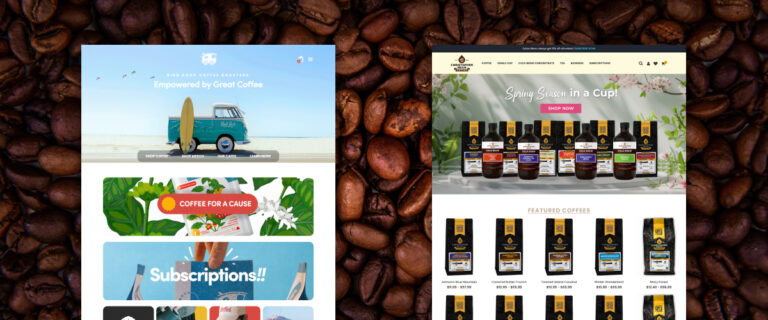
Case study reference: Bird Rock Coffee Roasters, a San Diego-based specialty coffee company, migrated from Shopify to BigCommerce and achieved significant improvements in key metrics. The migration, completed with a budget-conscious approach, resulted in a 4.39% improvement in conversion rate, a 65.53% increase in average order value (AOV), and a 6.3% rise in the new customer rate, comparing Jan 01- Oct 31, 2025 to the same period in 2024. This case demonstrates BigCommerce’s ability to support both B2C and B2B operations for specialty coffee businesses while preserving SEO value and enabling the implementation of custom design mockups, with wins across customer data and subscription services.