






















































BigCommerce
When a business has to coordinate multiple storefronts, buyer types, complex catalogs, and connected systems, BigCommerce needs a clearly defined job. The work starts by deciding what should be shared, separated, or connected; Always Open Commerce helps turn that operating model into a practical platform plan.

Define the Commerce Complexity BigCommerce Needs to Support
BigCommerce is often considered when the business has already outgrown simpler assumptions: one audience, one storefront, one catalog, or a lightly connected tech stack. Before adding features, we map the commercial structure behind the site, including who buys, what they can see, how pricing and products vary, and which systems remain responsible for critical data.
That work gives the platform a clearer job. It also helps separate requirements that belong in BigCommerce from those that are better handled by an ERP, PIM, fulfillment platform, CRM, or another connected system.
Decide What Should Be Shared Across Storefronts and Buyers
Multi-Storefront and B2B capabilities make it possible to support distinct brands, regions, customer segments, and business buyers from a shared commerce platform. The important design question is how much should actually be shared.
Our team starts with the differences that matter to the business: catalogs, pricing, customer roles, domains, merchandising, purchasing workflows, regional experiences, and operational ownership. That makes it easier to decide when a shared backend reduces duplication and when a storefront, workflow, or integration needs its own treatment.

Choose a Storefront Model That Fits How Teams Work
BigCommerce now offers several ways to shape the customer-facing experience. The right choice should reflect how much design freedom is needed, who will manage content day to day, and how much front-end complexity the business is prepared to own.
1
Theme-Based Storefront
For businesses that want a platform-managed storefront with theme customization, the traditional BigCommerce storefront model can keep commerce and front-end management relatively close together.
2
Catalyst + Makeswift
Catalyst pairs a composable storefront framework with Makeswift visual editing. It can open more front-end flexibility without requiring every marketing change to become a development task, but the architecture should still earn its added complexity.
3
More Specialized Front Ends
A more decoupled or specialized front end can make sense when content, experience, or integration requirements go beyond a conventional storefront. We define those requirements before recommending a more custom approach.
Operate BigCommerce Beyond the Storefront
The storefront is only one place BigCommerce data has to work. Product, customer, order, inventory, and channel information may also move through operational systems and an expanding set of selling and discovery surfaces.
1
Catalog Foundation
Structure products, categories, attributes, pricing, and supporting content around the actual catalog rather than treating cleanup as a launch-only task.
2
ERP & Operational Systems
Define how BigCommerce should exchange information with ERP, PIM, fulfillment, CRM, shipping, and other approved systems so ownership is clear before implementation.
3
Channels & Discovery
Catalog data may need to reach marketplaces, search, social, and other connected channels. We focus on keeping the product-data foundation usable across the channels the business actually intends to support.
4
Ongoing Improvement
After launch, Always Open Commerce can continue with approved storefront development, UX/UI, catalog work, integrations, troubleshooting, CRO, SEO/GEO, and maintenance as priorities change.

BigCommerce Experience in Practice


Ecommerce Builds
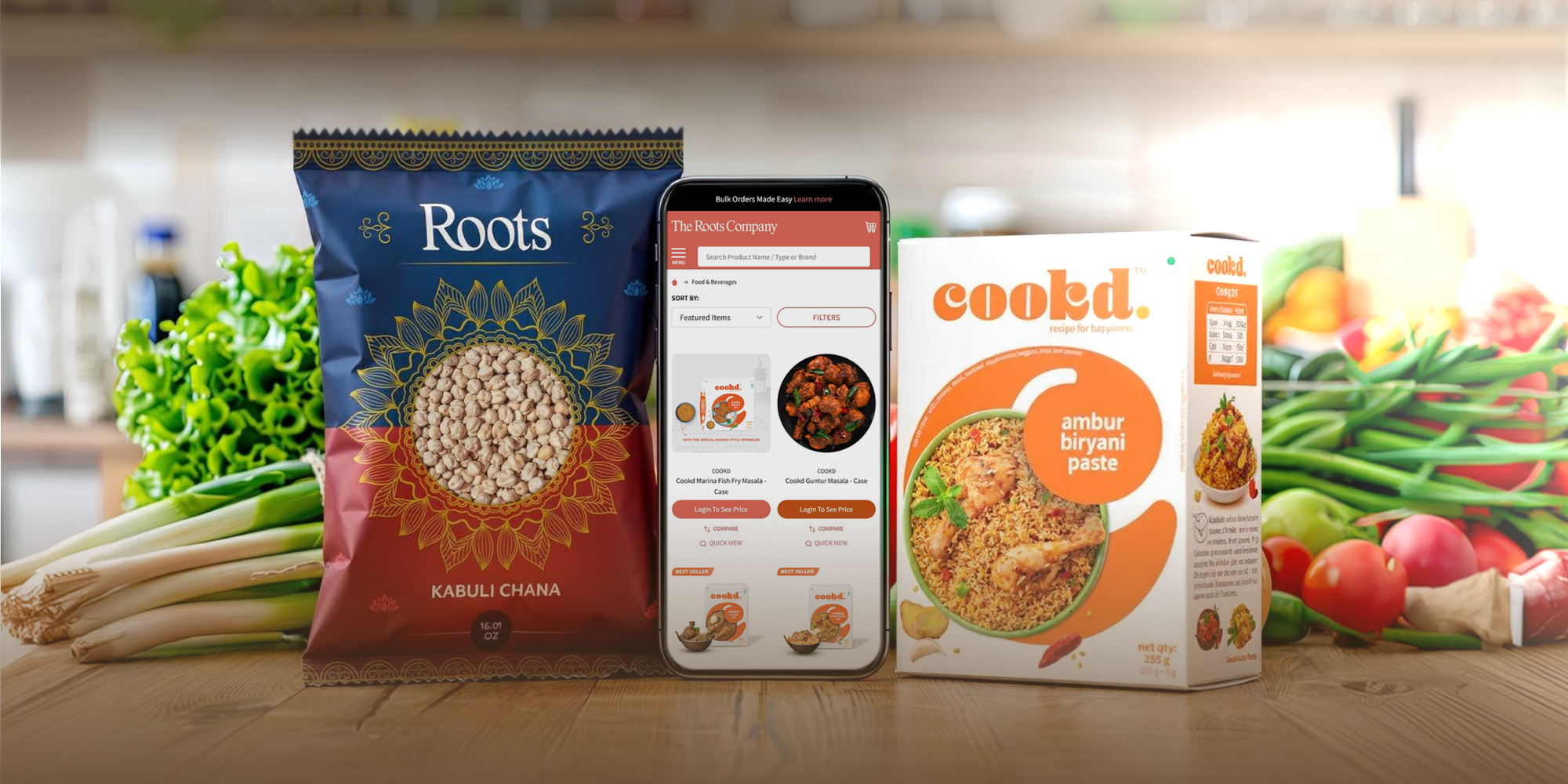
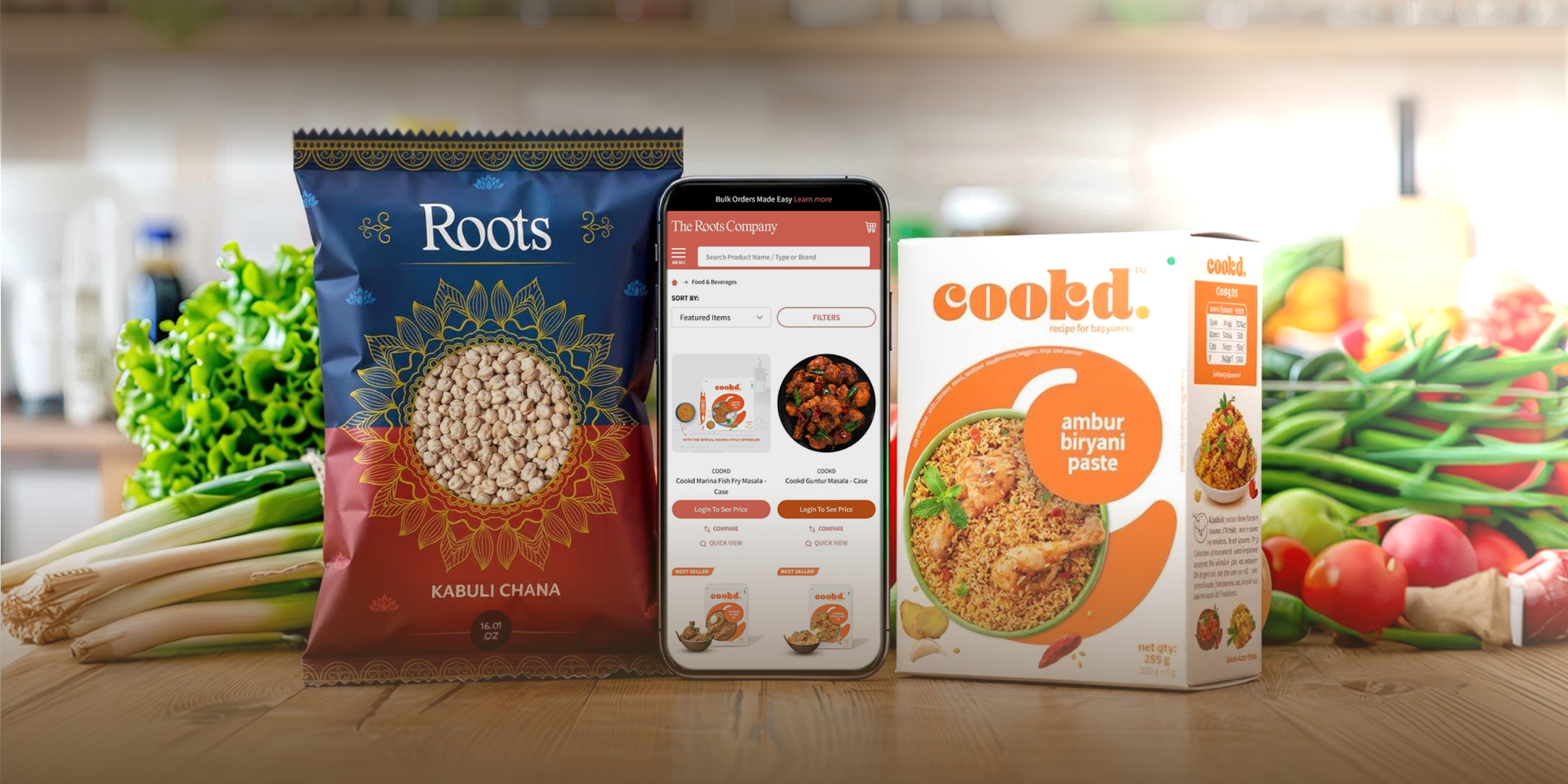
From Stalled Launch to Growth: Rescuing The Roots Company’s Four-Week B2B Sprint


Ecommerce Builds
A Global Wholesale Grocery Distributor Achieves a Modern and Scalable Ecommerce Presence with a BigCommerce Revamp


Search & Filter Optimization
How Home Billiards Built a Winning Online Experience with Strategic Usability and SEO Improvements
BigCommerce FAQs
Bring the storefront, buyer, catalog, and system requirements that are making commerce harder to manage. Always Open Commerce can help turn those requirements into a clearer BigCommerce plan and execute the approved work around it with the right priorities in view.
Multi-Storefront and B2B capabilities make it possible to support distinct brands, regions, customer segments, and business buyers from a shared commerce platform. The important design question is how much should actually be shared.
BigCommerce now offers several ways to shape the customer-facing experience. The right choice should reflect how much design freedom is needed, who will manage content day to day, and how much front-end complexity the business is prepared to own.
Multi-Storefront and B2B capabilities make it possible to support distinct brands, regions, customer segments, and business buyers from a shared commerce platform. The important design question is how much should actually be shared.

 USA
USA
 Philippines


