
E-commerce businesses experience the reality of abandoned shopping carts – customers adding items, only to leave without checking out. This represents a loss in potential revenue, but also a massive opportunity. Implement smart strategies tailored according to the identified reasons online shoppers abandon their carts to recover lost prospects.

What Exactly is an Abandoned Cart?
An abandoned cart is when customers add items to their online shopping cart but leave before completing the purchase. This represents a direct financial loss and a missed opportunity for conversion.
Beyond the misplaced sales, they signify wasted marketing spend and opportunities for acquiring new customers and building long-term loyalty. When resources are often tighter and every sale counts, high abandonment rates can particularly and directly affect goals.
Why Do Online Shoppers Abandon Carts?
You’ve got customers showing obvious interest in your offer, adding products to their carts. Yet, some disappear before completing a purchase. There are specific, avoidable reasons why shoppers leave their carts. Pinpointing pain points guides a clearer path to transforming near-misses into completed sales.
Unexpected Costs: This is a consistent reason for cart abandonment, with nearly half of all shoppers leaving due to extra costs. There are frequent high shipping fees, taxes, or “hidden” charges when reaching the final stages of checkout. This sudden increase in the total price is an unwelcome surprise.
The lack of full cost transparency is a prime deterrent, especially for shipping. It affects the shopper’s trust and prompts a search for predictable pricing when they can’t immediately calculate order totals.
Inconvenient Checkout Process: Shoppers abandon carts because the e-commerce checkout process itself is a hurdle. This starts with forcing mandatory account creation for new customers before they can complete a purchase. Many users want to buy and go; extra steps become a barrier to a quick transaction.
Excessively long and complicated checkout forms can be frustrating, lacking a clear progress indicator. Shoppers expect a smooth, efficient purchase that keeps them from possibly giving up.

Limited Payment Options: Shoppers already anticipate flexibility and convenience in paying online with their preferred methods. If your e-commerce store doesn’t offer Apple Pay, Google Pay, or even specific credit card types, they may abandon their cart. This is a deal-breaker, as customers will easily seek out a competitor supporting their payment method.
Website Performance Issues: Nothing frustrates online goers more than a slow, buggy, or unresponsive digital space. Unexpected technical glitches or outright crashes immediately deter impatient, potential buyers. This problem is acute on mobile devices with poor optimization, causing a portion of users to leave their carts.
Unsatisfactory Policies: Shoppers need reassurance when purchasing items they can’t physically inspect or review. Unclear, difficult to find, or overly restrictive return and refund policies create doubt and hesitation.
Inconvenient delivery options deter consumers who expect quick shipping and flexible schedules. If there aren’t expedited shipping or local pickup alternatives, they may turn to competitors.
Discerning various barriers causing cart abandonment is the first step to developing or optimizing an existing strategy. Tackling specific challenges clarifies how and what to transform, acquiring valuable conversions from losses.
Recover Sales & Prevent Future Abandonments
Test and implement strategies that match your goals to combat lost revenue. Transparency regarding checkout costs builds customer trust and decreases shopping cart drops. Displaying all upfront costs prevents surprising customers with hidden fees, such as unexpected shipping costs that lead to checkout abandonment.
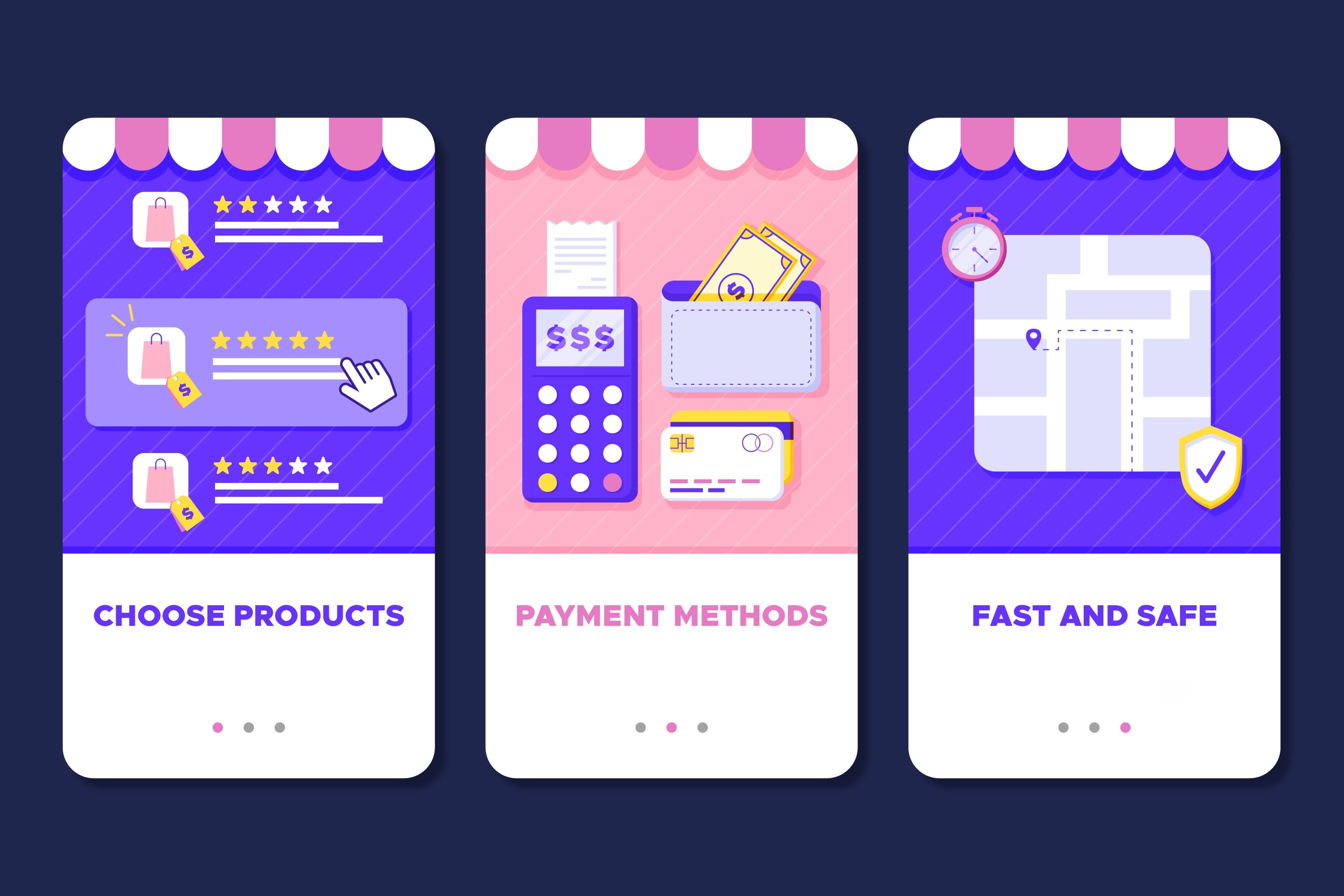
A. On-Site Optimization: Fixing the Leaks in Your Funnel
The next step is to proactively address issues directly on your online store. Think of an e-commerce funnel having leaks; on-site optimization plugs those holes before potential sales can slip away. A seamless user experience prevents abandonment, guiding customers smoothly from product pages to a completed purchase.
Streamlined Checkout
Prioritize countering a confusing checkout with simplicity and speed. Offer a guest checkout option for customers to complete their purchase without account creation.
Simplify form fields and unnecessary steps, asking only for essential information. A clear progress bar shows where shoppers are in the process and how much is left. For returning customers, provide auto-fill options for their payment information for incredibly fast and convenient repeat purchases.
Build Trust & Security
Trust is cardinal online when customers are sharing their billing address with online retailers. Reassure your customer base with security badges, such as SSL certificate indicators and secure payment logos (like Visa, Mastercard, PayPal, etc.), particularly on cart and basket pages.
Diverse Payment Options
Entice customers by offering multiple payment options, from credit cards to digital wallets, on e-commerce websites. Limiting these choices leads to immediate abandonment. Maximize conversions with a comprehensive variety of popular payment options.
A proactive approach to on-site optimization directly combats the friction that leads to lost sales. Reassure customers with security badges and multiple payment options to address their usual concerns and instill confidence for future purchases.

B. Off-Site Recovery: Re-engaging Lost Shoppers
Some visitors will inevitably abandon checkout even with the best on-site optimization. But lost carts can re-engage those who left, reminding them of their interests.
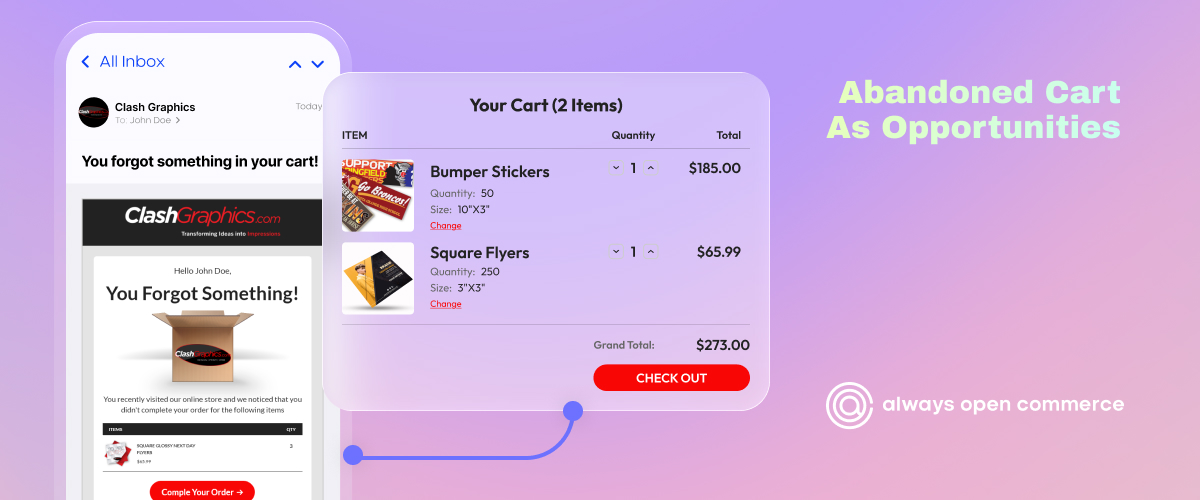
Abandoned Cart Email Campaigns
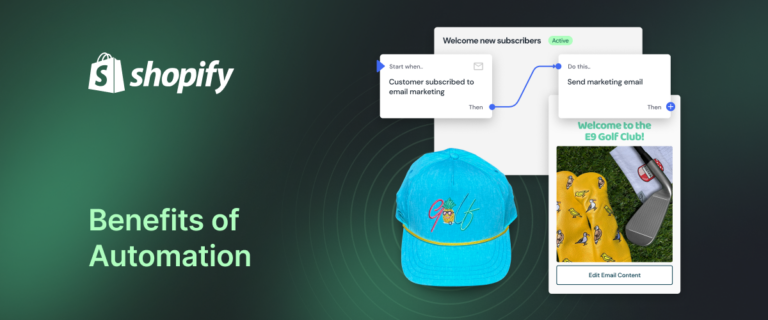
An effective e-commerce recovery that dispatches timely, personalized message threads
for customers who left their products but clearly showed initial intent. This acts as a relevant nudge that brings your products back to the spotlight.
- Timing is Key: Convey a prompt series of emails within one hour of abandonment, when interest is still high. A second email within 24 hours, and a third within 3-5 days, including an incentive encouraging conversion.
- Content Essentials: A convincing, straightforward subject line grabs attention and creates urgency. Add visually appealing product images of abandoned items, with descriptions reminding customers of what they left. A strong call to action directly prompts them to complete their purchase.
Retargeting Ads
Notify shoppers of their online carts through social media or other websites they frequent after exiting your e-commerce store. These adverts operate with abandoned cart email campaigns, recovering lost sales with a multi-channel approach. Retargeting ads broaden the reach, displaying visual reminders to a wider audience across the web.
Plugging these “leaks” reduces the initial likelihood of customers departing. Use possible strategies to re-engage “lost” shoppers and gently guide them to complete purchases, prevent future abandonments, and increase sales.
Counter Average Cart Abandonment Rate with Technology
Encourage customers with the right technology and increase revenue, re-engaging, addressing their concerns, and creating that final push. Deploy combinations of possible solutions to turn loss into a guaranteed win.
- Ecommerce Platform Features: It’s easiest to start with built-in components to gauge what it has and what needs to be added. This allows a quick, basic setup of its recovery sequence without third-party apps.
- Content Marketing: Allows for a direct, personal, and urgent line of communication with the customers. Effective messages are short, to the point, and contain a direct link back to the customer’s cart for immediate action.
- Site Engagement & Pop Up: Take advantage of your platform’s last-ditch effort to save a sale. Lead customers with a straightforward message or an online deal upon a user’s departure from your e-commerce site. This is a coupon code, free shipping, or a cart reminder that shows them what to do and where to go.
- All-in-One Solutions: Some platforms yield combined and unified features that help reduce the downloadable data browsers need. Maximize its holistic view of the customer journey from a single dashboard, coordinating marketing strategy elements.
Remove unnecessary characters like spaces, comments, and line breaks from code to improve load times. Lower server requests with blended CSS and JavaScript files to group images directly into your HTML. Prevent re-downloading with caching, storing static content in a browser or a CDN.
Build a cohesive strategy that leverages a combination of solutions that cohesively exist together. Take advantage of built-in features to create multi-channel recovery systems. This ensures you reach shoppers at every point and maximizes chances of conversion.
Turning Abandonment into Opportunity
A fundamental strategy for combating cart abandonment is to optimize the entire user experience with the help of our Conversion Rate Optimization specialist. Streamlining the checkout process, making it as simple, obvious, and quick.
Beyond the basic flow, enhance the user journey with more engaging elements that keep a firm grip on visitors’ attention. Visual cues like progress indicators inform their status, as well as illustrate what’s next. Advanced tactics empower customers to confidently find the right products, reducing the likelihood of abandonment.Struggling with a clunky checkout process or other technical issues? Always Open Commercedevelops and optimizes e-commerce sites, especially the checkout process optimization for a better shopping journey. Identify and fix friction points, establishing a high-performance website that is both fast and mobile-friendly.