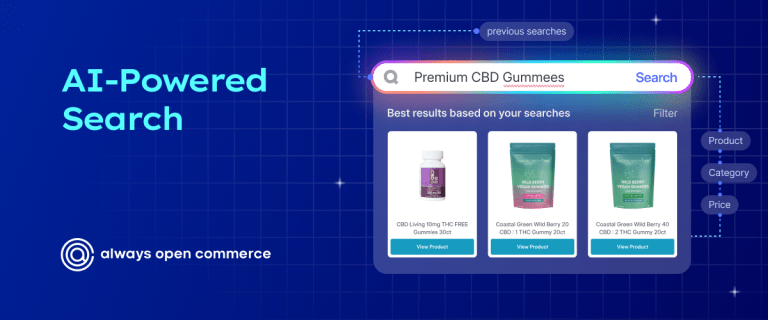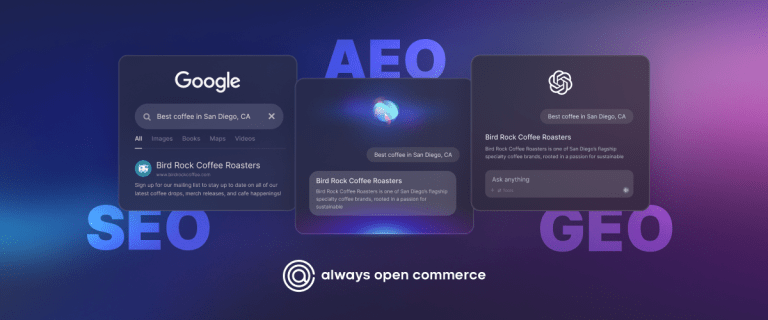























































AI search is an upgrade from traditional, keyword-based search, getting more personalized results from machine learning, natural language processing (NLP), and semantic understanding. The guide details essential AI search capabilities like intelligent error handling and smart ranking, and outlines available implementation tools, from enterprise platforms to open-source options.
This evolution is a fundamental shift in how users interact with information. Traditional search requires users to think like machines, and AI search allows natural expressions, as users would in conversation with a human.

AI Search Capabilities for Business Impact
It gets frustrating when a website’s search simply returns a list of links. Visitors expect an intuitive, intelligent, and convenient search experience, one that recognizes the intent of even imperfect queries. Modify a basic search bar to drive conversions and improve user satisfaction.
Intelligent Error Handling
Modern AI search engines comprehend misspellings, phonetic variations, and partial words, still giving accurate results, even with imperfect inputs. This is very useful for mobile devices, where typing errors commonly occur.
Smart Ranking Algorithms
Relevance optimization based on conversion likelihood represents a major advancement. Considering individual user preferences and behavior patterns, personalize the result ordering based on interest, previous interaction, and contextual factors. Business rule integration with AI models maintains control over search results while benefiting from AI capabilities.
Natural Language Understanding
AI search processes complex, multi-faceted queries and creates continuity from mirroring human conversation. Questions like “show me waterproof hiking boots under $200 with good reviews for wide feet” will acquire applicable results. Users can refine inquiries with follow-up questions such as “show me those in size 10” without repeating the original request.
Semantic Understanding
Automated synonym management eliminates manual keyword mapping and taxonomy management between related and similar terms. Concept matching enables the discovery of relevant content that might use different terminology from the search query. Entity recognition in search queries allows systems to understand specific types of information like product names, locations, or people.
Multimodal Search Capabilities
Visual search implementations have expanded beyond simple image matching to include complex visual queries. Users can upload or scan images to find similar products, identify objects, or search for content with specific elements. This is valuable for fashion, home decor, and technical equipment searches.
Voice search compatibility and optimization handle spoken queries, accounting for differences in how people speak versus how they type. This includes grasping natural speech patterns, handling background noise, and providing appropriate response formats.
A convenient search experience discerns the user’s intentions and guides them to accurate outcomes. Enforcing these AI capabilities enhances your website’s search bar into a revenue-generating tool.

AI Search Tools
Once you’ve decided that AI search is for your business, choosing the right tool is the first step. The landscape is broad, with solutions ranging from general search engines to site-specific tools. The primary players in the market will help you understand the different types of AI search tools and guide your decision-making process.
General AI Search Engines
While many are familiar with Google Search, more search engines provide a different kind of exposure. These tools synthesize the information they find for a conversational and personalized research process, beyond listing websites.
- Microsoft Copilot: An AI-powered assistant, integrated into Microsoft’s ecosystem, with merged web search capabilities and generative AI. Copilot functions with real-time contextual search, yielding web content-based and site-specific feedback. It summarizes answers with cited sources, valuable for content-heavy websites needing quick, accurate information.
- Perplexity AI: A search engine specifically delivering direct answers with transparent sourcing. When integrated into websites, it offers a conversational essence with emphasized factual accuracy and citation. It synthesizes information from multiple sources while maintaining clear attribution, particularly effective for educational platforms or sites requiring verifiable information.
- ChatGPT: A versatile large language model that can be adapted for website search through API integration. It excels at understanding complex, conversational queries, providing nuanced responses based on accessible content. It can be customized to search through specific content repositories, maintaining context throughout a conversation, and supplying increasingly refined search results as users interact.
Specialized AI Search Tools for Websites
While the general AI search engines help with broad research, many businesses need specialized tools for distinct use cases. These solutions go beyond generic web searches with advanced features tailored to an individual industry or platform.
- ViSenze: A visual AI search platform that enables search using images. Visitors can upload photos or click on similar images to find products. Deep learning decipher patterns and style elements, convenient for those who struggle with text descriptions.
- Bloomreach: An AI-driven commerce search and merchandising platform that fuses NLP and behavioral data with merchandising rules. The system continuously learns from user interactions to improve relevance, influencing results with business rules.
- Brave Search: A privacy-focused, independent search engine and an alternative to Google search. Brave builds and maintains its own independent search index, combining it with anonymous user data. For privacy and data sovereignty concerns, it has an API integration that allows sites to provide search functionality without sharing user data with tech giants.
The choice of an AI search tool depends on unique e-commerce goals. Carefully evaluating your needs against each tool’s capabilities, you can match the right solution to maximize your site’s search function, turning a basic utility into a potent asset.
Advanced AI Search Strategies
Getting AI search to work for you is more than core functionality, implementing advanced strategies turn a smart search bar into a revenue-generating tool. Test tactics like personalization, intelligent merchandising, and ensuring cross-channel consistency to build a smart and deep search experience.
Personalization Integration
Starts with basic demographic and behavioral data, gradually incorporating additional signals as the user interacts with follow-up insights. This balances with privacy concerns, ensuring new users receive relevant results even without extensive interaction history.
Merchandising Through Search
Seasonal and inventory-based optimizations automatically adjust search results based on recent business priorities. An AI search engine might boost swimwear during summer months or prioritize in-stock items over out-of-stock alternatives without manual intervention. Business rule implementation alongside AI ensures that search results support business objectives while maintaining user satisfaction.
Cross-Channel Search Consistency
Mobile-specific optimizations handle mobile search constraints and opportunities, including limited screen space, touch interfaces, and voice input. This prioritizes easy navigation and features like visual search that work conveniently on portable devices.
AI strategies that sync well with your e-commerce plan upgrade a simple feature into a strategic asset that ensures an individually tailored experience. A consistent approach that easily conforms across all devices and platforms turns search into a core driver of your brand’s growth.
From Search to Strategy
AI search represents a fundamental shift from individual keywords to intent understanding, enhancing how users discover and interact with online information. Technology has matured to essential, with capabilities now setting the standard for digital experiences. Implementing AI search is more than a competitive advantage, it’s becoming a business necessity for modern user expectations.
Always Open Commerce specializes in integrating cutting-edge AI search technologies into new and existing custom web experiences. Their Web Design and Development services go beyond aesthetics, focusing on technically sound implementations that maximizes the full potential of AI. Beyond development, data structuring ensure product information is optimized for AI comprehension, and conversion rate optimization fine-tunes the search-to-purchase journey. Contact us now!