




















































Klaviyo
Customer profiles are the organizing layer in Klaviyo, not merely the list behind a campaign. When marketing, service, analytics, and messaging draw from that shared context, Always Open Commerce can help define what Klaviyo should own, which data should feed it, and where connected systems should remain responsible.


Start With the Customer Data Behind Klaviyo
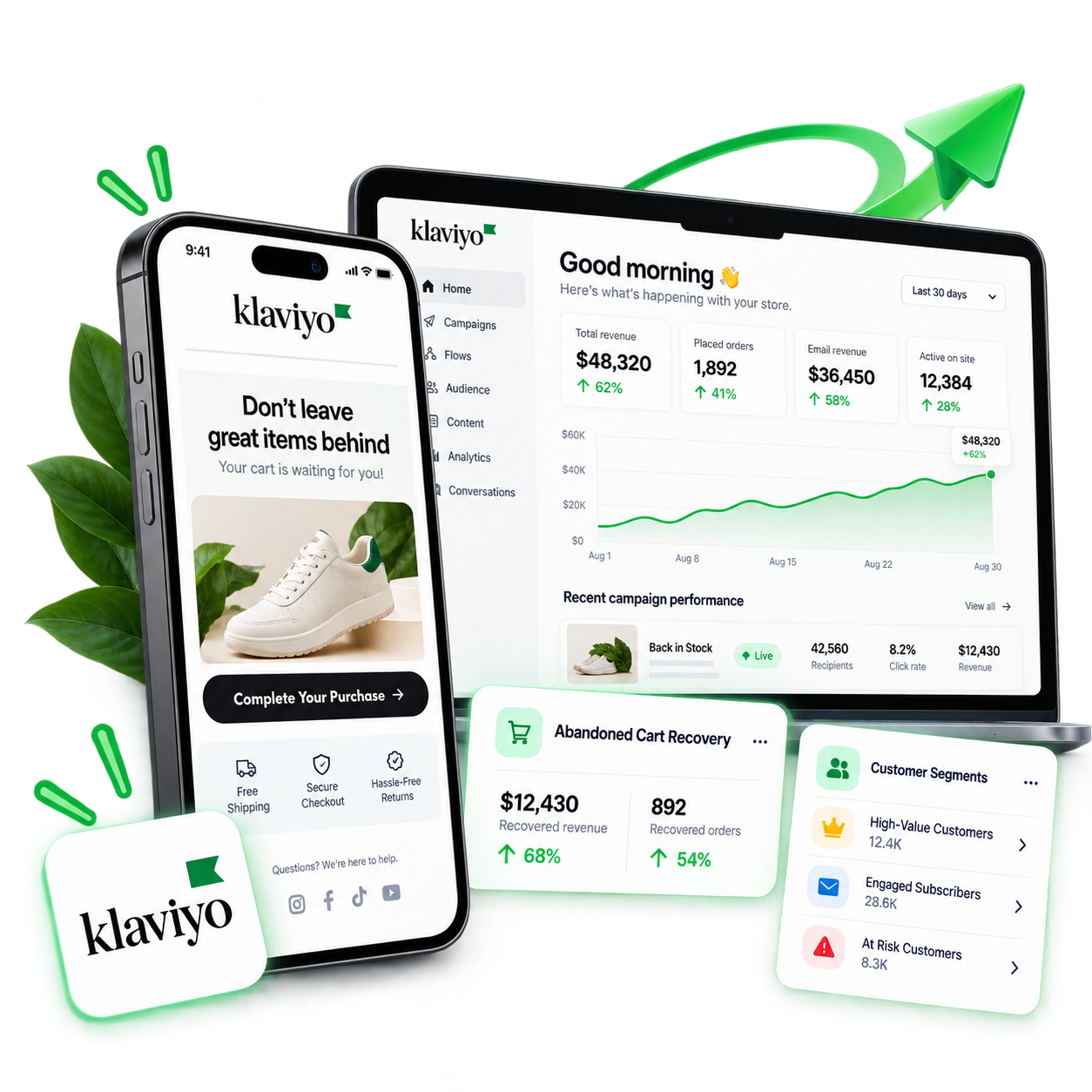
Klaviyo is positioned as a B2C CRM built on shared customer data, with marketing, service, analytics, and messaging capabilities working from common profiles. The practical value depends on whether the underlying ecommerce events, identities, and attributes are reliable enough to support the journeys the team wants to run.
Always Open Commerce can review the account and the ecommerce data available for segmentation, lifecycle work, reporting, and approved channel execution, then identify where cleanup, configuration, or technical review is needed. The goal is a customer-data foundation the team can understand and maintain.
Build Lifecycle Journeys Around Customer Behavior
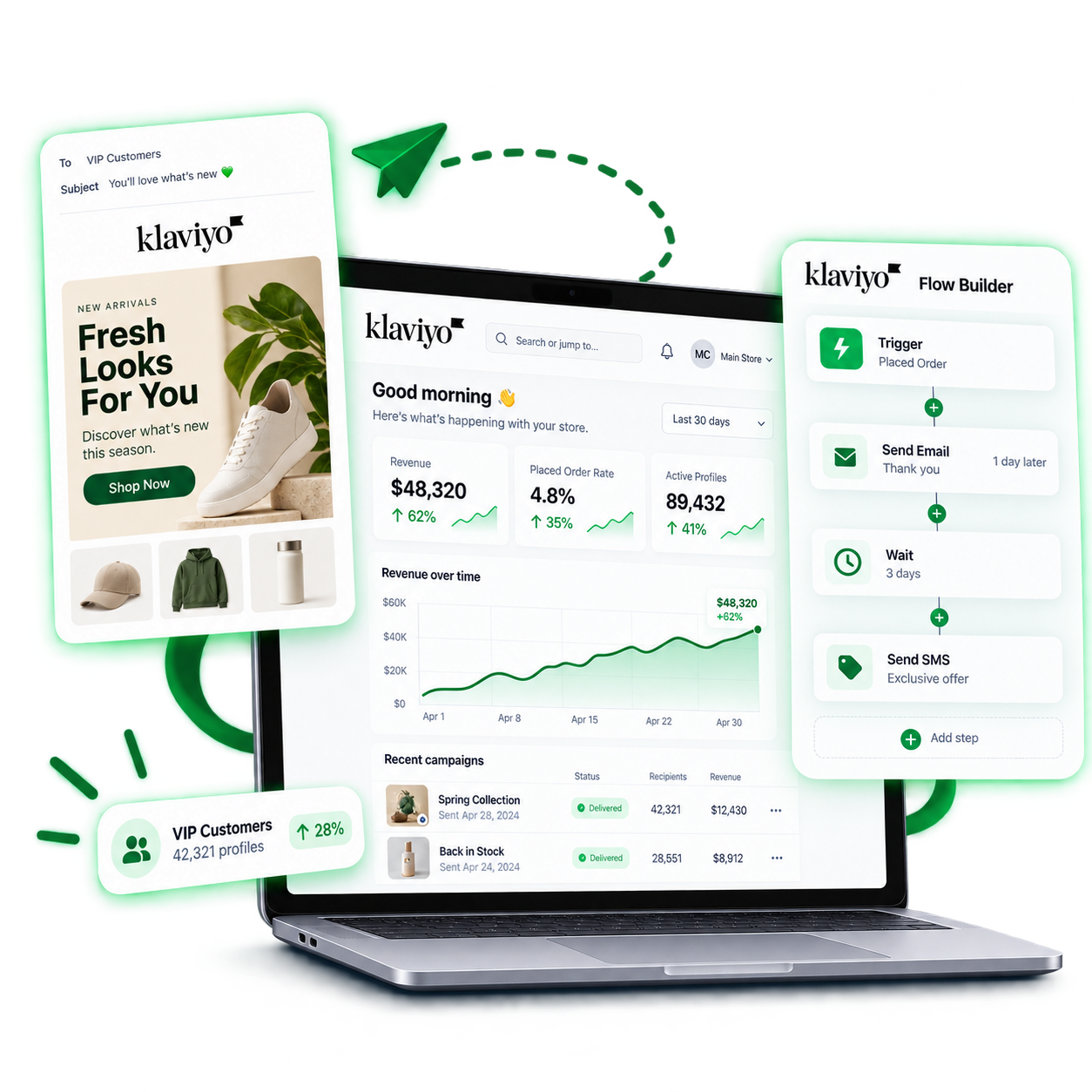
Klaviyo can coordinate lifecycle activity across email, SMS, RCS, WhatsApp, and push from shared profiles and automation logic. The decision is not to activate every channel, but to assign each approved channel a specific role in the customer journey.
Welcome, browse and cart recovery, post-purchase, replenishment, win-back, and campaign work can be organized around customer behavior when included in scope. Always Open Commerce keeps the focus on audience logic, timing, message purpose, production, and QA rather than increasing contact simply because another channel is available.

Improve Klaviyo Around Data, Journeys, and Channel Ownership
Focused Klaviyo work can start with account foundations or with a specific lifecycle problem. The useful scope depends on the customer data, existing journeys, approved channels, and operational ownership already in place.
1
Customer Profile & Event Foundation
Review the profiles, events, segments, and ecommerce data Klaviyo receives before building more automation. Use API Integrations when approved data needs to move between systems; exact feasibility requires technical review.
2
Lifecycle Journey Architecture
Use Klaviyo Optimization and Cart Recovery to improve approved welcome, browse, cart, post-purchase, replenishment, or win-back journeys around clear triggers and customer intent.
3
Channel & Permission Roles
Use Email Marketing and SMS Marketing where those channels have defined jobs in the lifecycle. RCS, WhatsApp, push, or other Klaviyo channels remain vendor capabilities unless they are separately included in scope.
4
Campaign Production & QA
Plan campaign audiences, message purpose, creative production, timing, and QA so one-off sends fit the same customer model as automated journeys.
5
Measurement & Program Review
Review available campaign and flow information to identify where audiences, timing, creative, or journey logic may need attention. Attribution and performance interpretation require context and should not be treated as guaranteed business results.
Define Klaviyo’s Role Across the Customer Lifecycle
Klaviyo spans marketing, service, analytics, and AI-assisted customer work on top of shared profiles. Clear ownership prevents that breadth from turning the platform into a second source of truth for responsibilities already handled better elsewhere.
1
Data Platform & Connected Systems
Decide which ecommerce, subscription, loyalty, review, service, and operational systems should contribute data to Klaviyo and which should remain the source of truth for their own workflows. Use API Integrations where approved; technical feasibility requires review.
2
Marketing Channel Ownership
Assign email, SMS, and any other approved messaging channels distinct jobs in the lifecycle so channel breadth does not become duplicate communication.
3
Service & Customer Experience
Evaluate Klaviyo service capabilities only where they solve a defined customer problem and fit the existing support model. Vendor capability does not automatically establish Always Open Commerce service scope.
4
Analytics & K:AI
Klaviyo uses K:AI across marketing, service, analytics, and personalization. Evaluate those vendor capabilities against defined use cases, reliable customer data, and human review rather than treating AI as the operating model.
Relevant Klaviyo Work


Conversion Rate Optimization
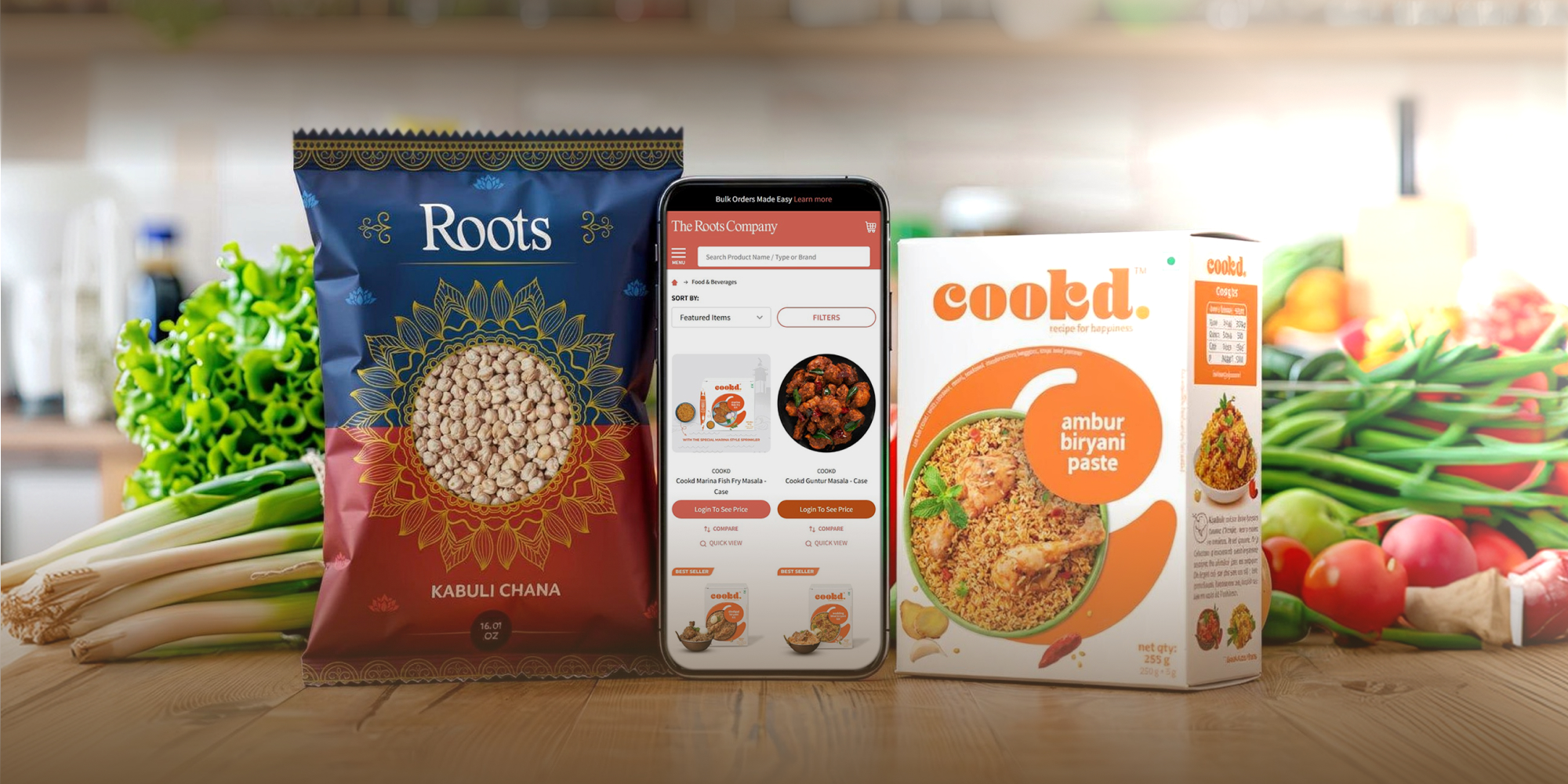
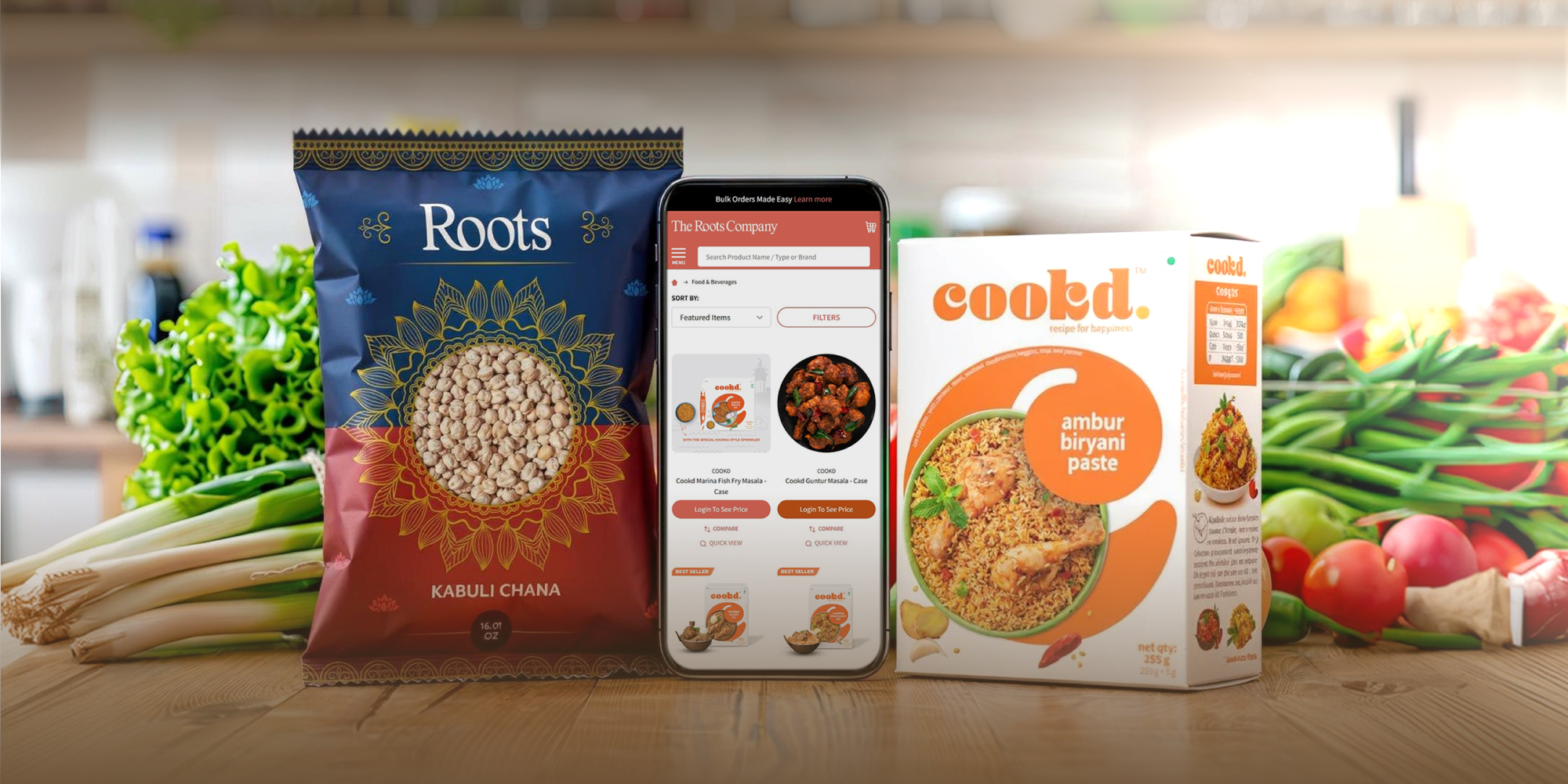
When Big Agencies Quoted Over $50K, AOC Delivered a Full BigCommerce Redesign Plus Email Templates at a Fraction of the Cost

Conversion Rate Optimization
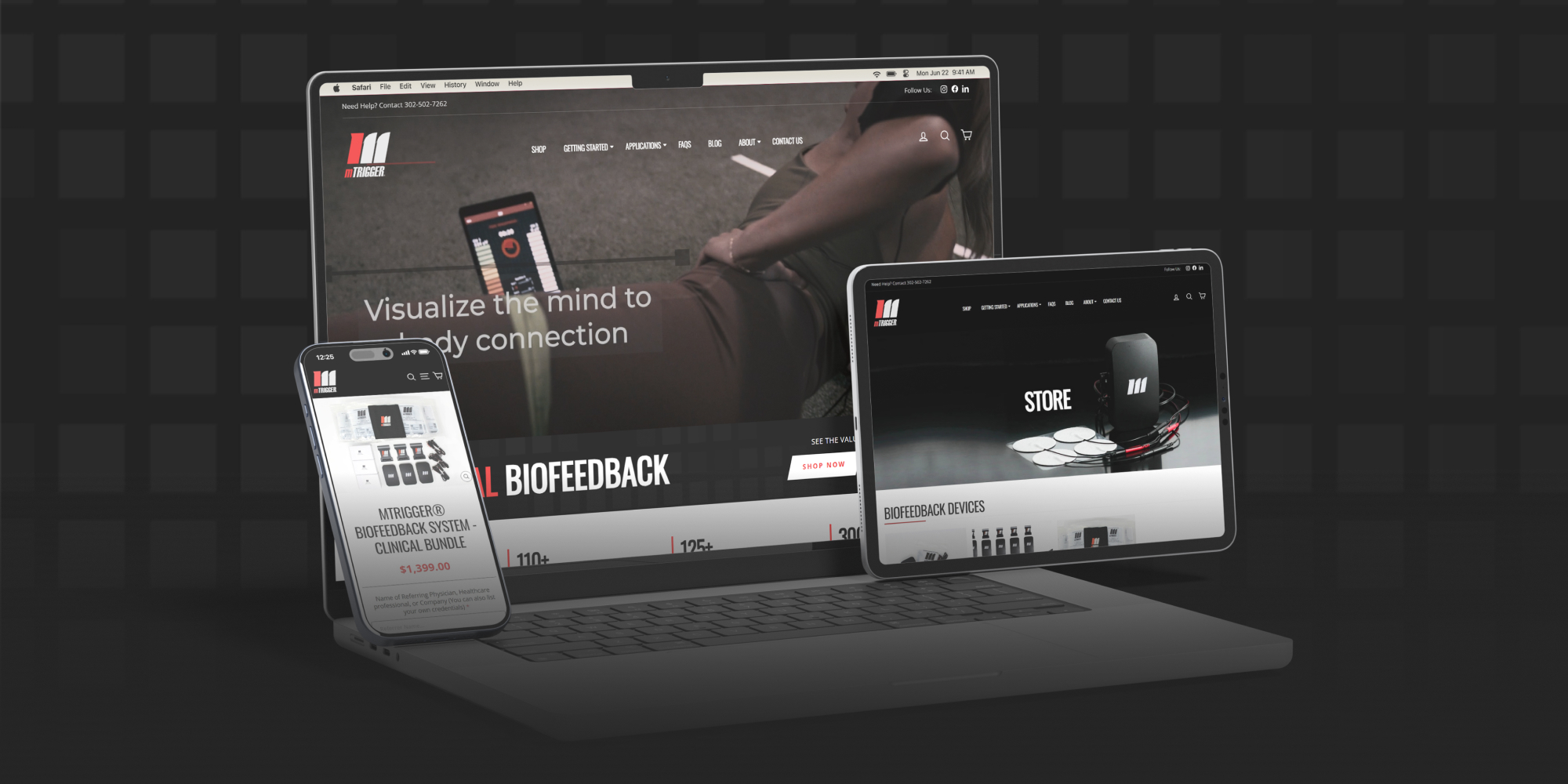
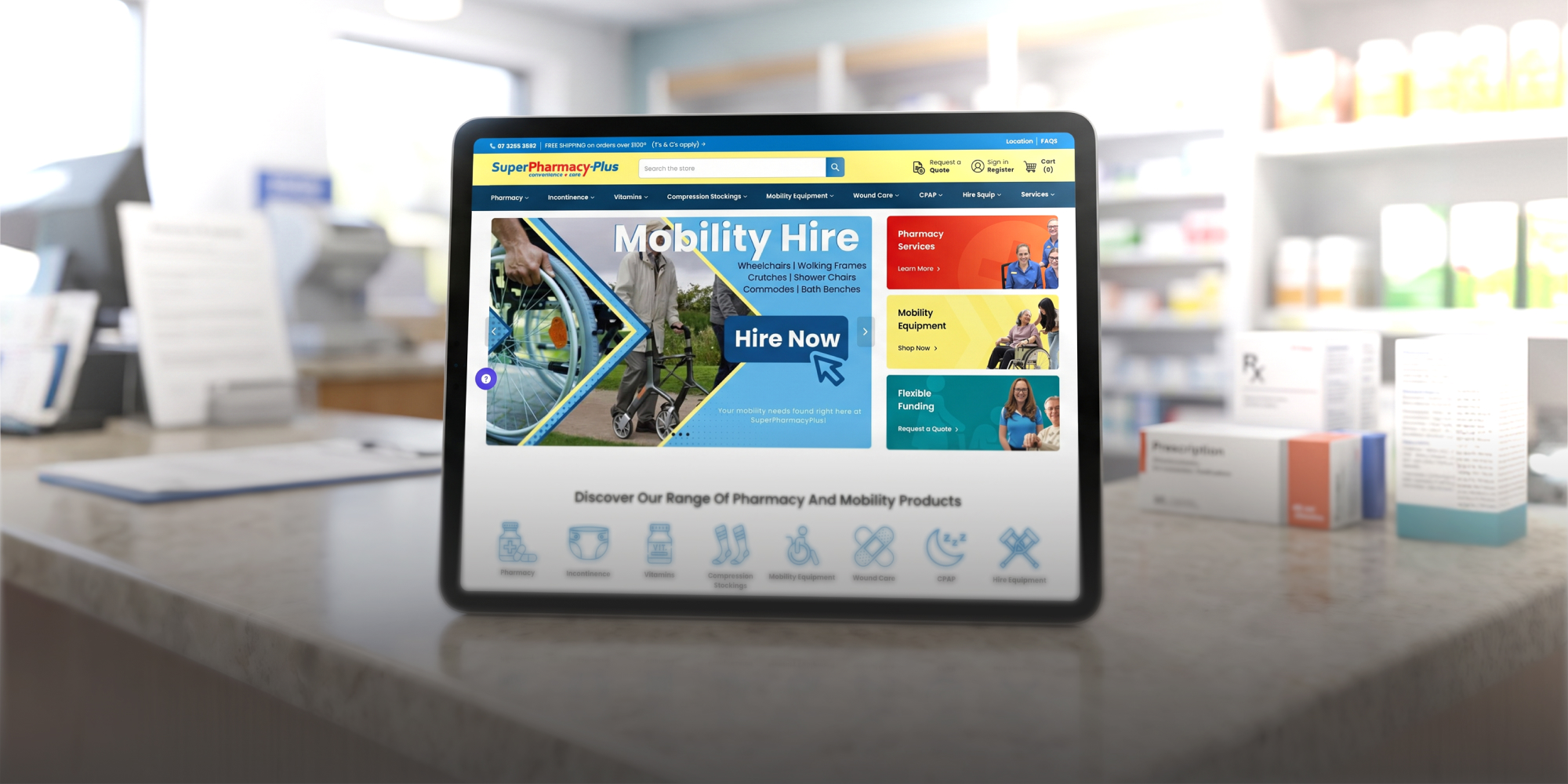
A Streamlined BigCommerce Experience That Supports Healthier Lives
Questions About Klaviyo
Yes. We can review customer profiles, events, segments, lifecycle journeys, channel roles, campaign production, and QA, then identify where cleanup, configuration, or technical review is needed.
Yes. We can coordinate approved ecommerce data and integrations between Klaviyo and platforms such as Shopify or BigCommerce. Exact data flows and technical feasibility require review.
Ecommerce, subscription, loyalty, review, service, and operational systems should remain the source of truth for workflows they already own well, while Klaviyo receives the customer data needed for approved marketing and lifecycle work.
Yes. Klaviyo can coordinate email and SMS from shared profiles and automation logic, but each channel should have a defined role, permission model, and lifecycle purpose.
Evaluate K:AI against specific use cases, reliable customer data, and human review. AI-assisted capabilities can support the program, but they should not replace clear ownership or strategy.

 USA
 Philippines


