


API Integrations
Always Open Commerce plans API integrations around the business workflow, not just the endpoint. System ownership, data mapping, triggers, authentication, error handling, and available interfaces are defined around the specific information or action that needs to move between systems.
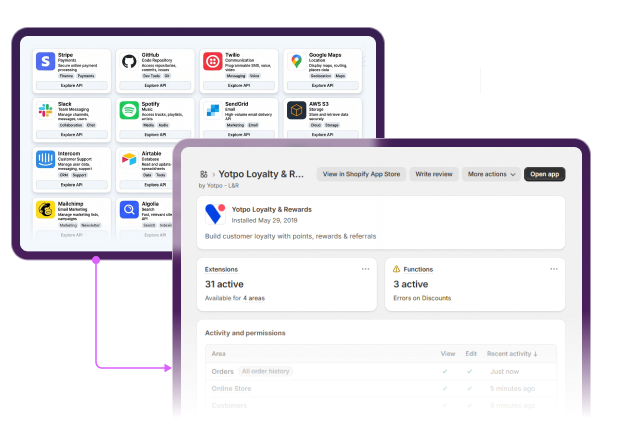
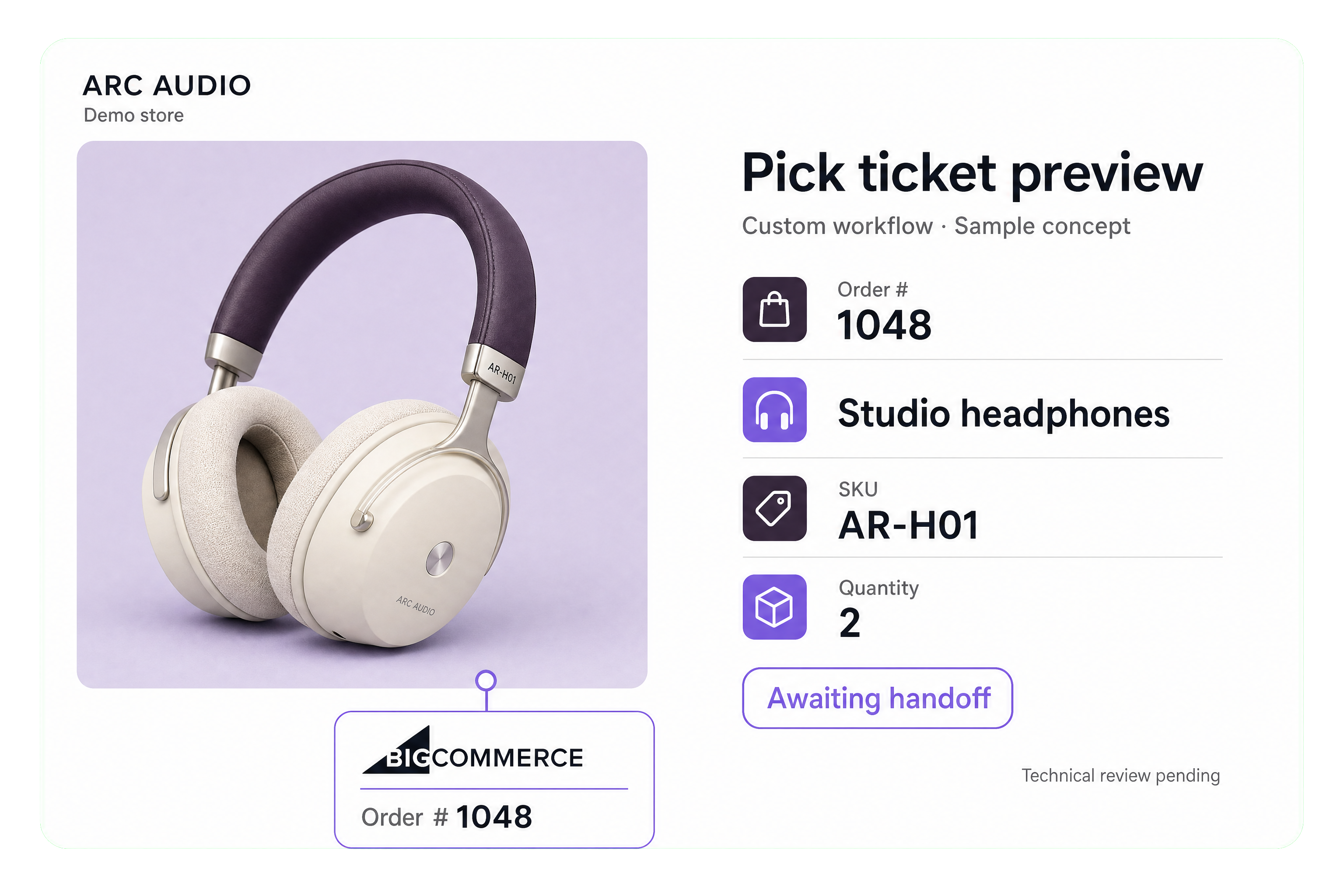
Start With What Needs to Move
When two systems need to work together, the first question is not simply whether both have an API. The connection depends on what information must move, which system owns it, when the exchange should happen, what the receiving system expects, and how errors or unavailable data should be handled.
Always Open Commerce can plan, build, or support API connections between ecommerce platforms, applications, tools, and data sources within approved scope. The service does not assume every vendor exposes the required interface or that undocumented behavior can be supported. Access and technical feasibility depend on the systems involved.
Endpoints, Mapping, Triggers & Errors
The integration depends on available documentation, the data model, authentication requirements, platform limits, business workflow, and systems involved.

Endpoint & Request Planning
API Integrations
Identify the API operations needed to retrieve, create, update, or otherwise exchange the information required by the approved workflow.

Data Mapping & Transformation
API Integrations
Map fields, identifiers, formats, and relationships so each system receives the data it expects rather than relying on matching field names alone.

Authentication & Access Requirements
API Integrations
Document the authorized connection the provider requires. Sensitive credentials and private access details belong in approved security systems, not public website or general project documentation.

Integration Logic & Triggers
API Integrations
Define when data moves, which events or schedules trigger the exchange, and which rules determine whether an update should be sent or accepted.

Testing & Error Handling
API Integrations
Validate approved request and response behavior, expected error conditions, and relevant failure paths without assuming every unsuccessful request has the same cause.
Define Ownership, Timing & Failure Paths
A useful integration decision starts with data ownership, current API capabilities, timing, and failure behavior rather than the endpoint alone.

Which System Owns Which Data?
Define the source of truth and the minimum data required by the workflow so connected systems do not compete to control the same fields.
What Does Each API Actually Support?
Confirm current provider interfaces, permissions, schemas, and limitations before treating the desired workflow as technically available.
When Should the Exchange Happen?
Define whether the exchange follows a user action, order event, schedule, webhook, manual trigger, or another supported mechanism.
What Happens When a Request Fails?
Identify important failure, retry, and exception considerations without assuming behavior the provider does not support.
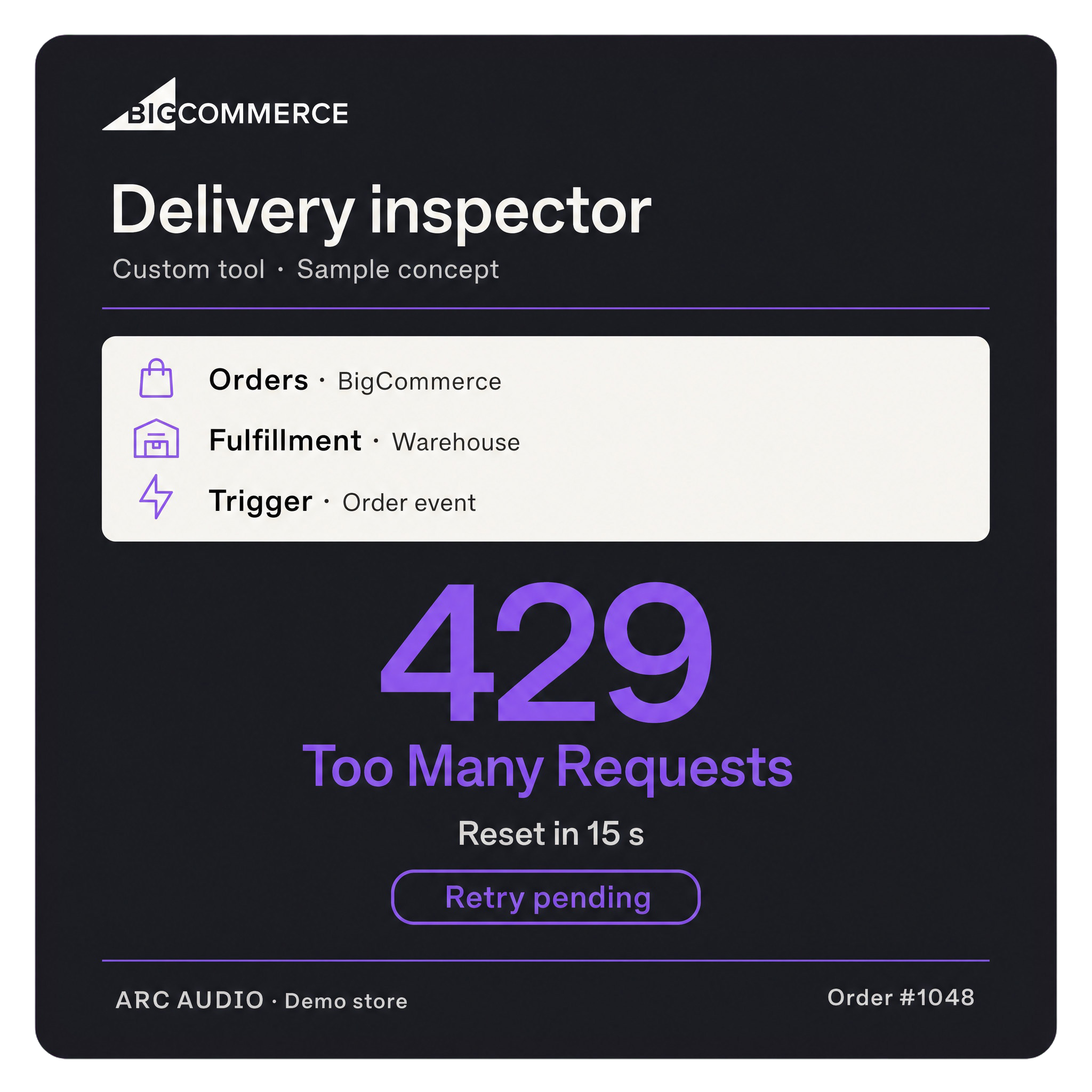
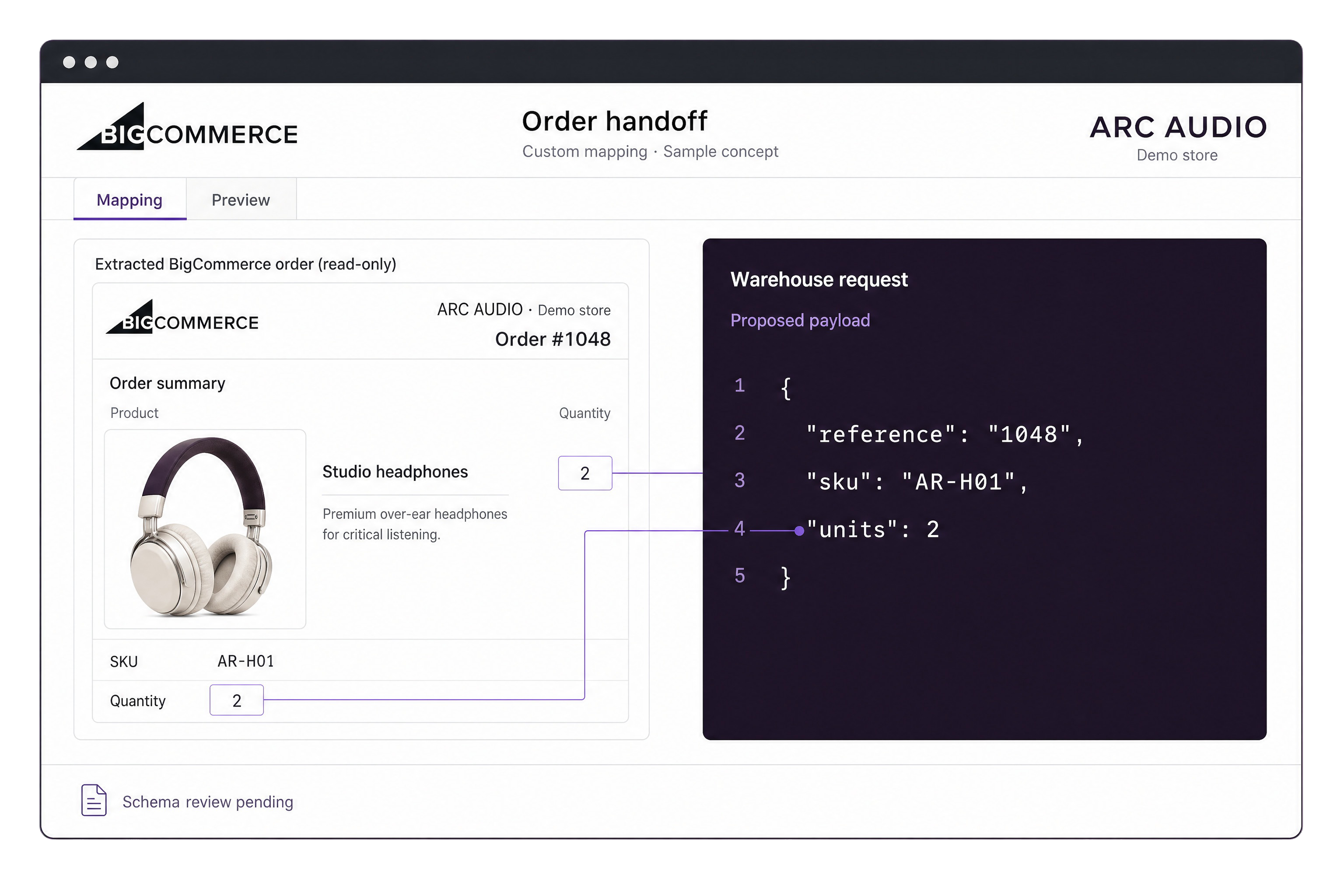
Make the Connection Fit the Workflow
An API integration is useful when it closes a specific operational gap by giving systems a defined way to exchange the right information at the right point in the workflow.
Always Open Commerce can coordinate the integration with related ecommerce work when it is included in scope. API availability, authentication, rate limits, versioning, third-party dependencies, security, and production feasibility require technical review. Undocumented interfaces, unrestricted vendor coordination, credential storage, and unrelated workflow changes are not included by default.
Connected Systems in Practice

Related Planning & Technologies


Frequently Asked Questions
It connects approved systems so they can exchange data or trigger actions through the interfaces those systems make available. The exact behavior depends on the business workflow and provider APIs.
Common ecommerce examples include product, customer, order, inventory, fulfillment, or operational information, but the available data depends on each provider’s API and permissions.
A documented, supported interface provides the clearest basis for an integration. If a required system lacks the necessary API or documentation, feasibility needs separate technical review rather than assumption.
Potentially. The connection depends on the platform, external system, available APIs or connectors, data model, access, workflow, and approved technical scope.
Sensitive credentials, tokens, and private access details should be handled through approved security procedures and systems of record. They should not be stored in public content or general project documentation.
Provider changes can affect an existing integration. Version changes, deprecated endpoints, altered schemas, permissions, or other vendor-controlled updates may require review and follow-up work.

 USA
USA
 Philippines


