


Custom Development
Standard platform features and existing apps do not solve every ecommerce requirement. Custom development makes sense when the business need is clear. Always Open Commerce builds scoped frontend or backend functionality around documented requirements, platform constraints, and maintainable implementation.
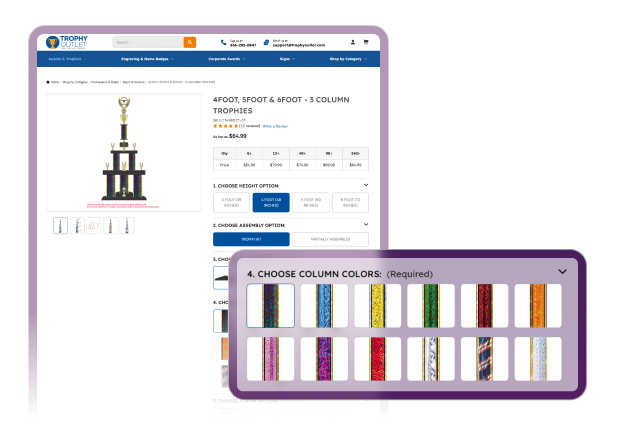

When the Standard Stack Reaches Its Limit
Custom development makes sense when the store needs behavior or business logic that the platform, theme, or available apps cannot provide without meaningful limitations. That may involve a customer-facing interaction, specialized template, workflow, or another defined requirement that needs more than standard configuration.
Custom code should not be the automatic first answer. Always Open Commerce reviews native functionality, suitable apps, and reusable existing code before choosing a custom approach. That keeps the solution tied to a defined business requirement rather than open-ended feature work.
Frontend, Backend & Workflow Extensions
The exact implementation depends on the documented requirement, platform, existing environment, dependencies, and approved scope.

Custom Storefront Behavior
Custom Development
Create or extend customer-facing interactions and page behavior when the standard theme or platform experience does not support the required use case.

Templates & Reusable Components
Custom Development
Develop or modify templates and reusable components so a defined experience can be applied consistently without rebuilding the same logic page by page.

Business Logic & Workflow Support
Custom Development
Support unique rules or workflows when existing platform features or applications do not fully satisfy the business requirement.

Backend Functionality
Custom Development
Develop scoped backend functionality when the requirement depends on server-side behavior or another capability that cannot be handled entirely in the storefront layer.

Extending Existing Features
Custom Development
Reuse or extend clean, compatible functionality when that is more maintainable than creating a separate solution from the beginning.
What Actually Needs Custom Code
Start with the requirement and the environment around it. The decision should account for what already exists, what the change touches, and how the solution will be maintained.

Can Native Functionality Solve It?
If the platform already handles the requirement well, native functionality can reduce unnecessary custom code and maintenance.
Does an Existing App Fit?
A reliable app may be the better path when it covers the requirement cleanly. Custom work is more relevant when important gaps remain.
What Must the Feature Actually Do?
Define the business objective, expected behavior, user flows, and constraints before implementation. Unclear requirements make scope and validation harder to control.
What Could the Change Affect?
Review themes, apps, integrations, customer flows, performance, accessibility, SEO, and tracking when the change could affect them.
How Will It Be Maintained?
Keep the implementation understandable after launch through reusable code, controlled complexity, documented dependencies, and isolated customizations where practical.

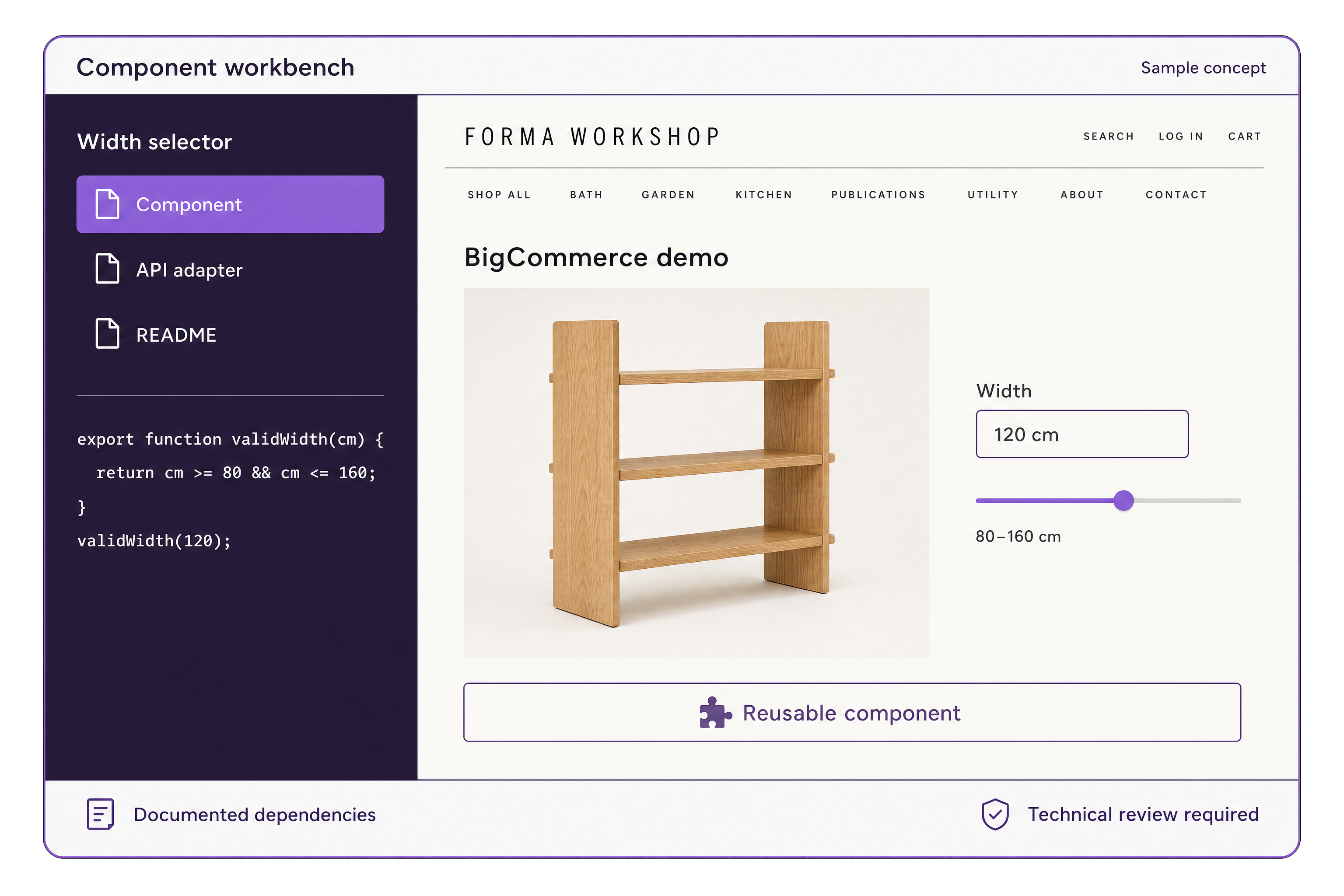
Build for Maintainability, Not Just Launch
Custom development is valuable when it closes a defined gap the standard stack cannot handle cleanly without creating unnecessary complexity for the storefront.
Always Open Commerce can coordinate custom development with UX/UI design and API integrations when the approved requirement crosses those areas. Technical feasibility, implementation approach, and QA still depend on the applicable platform and technical review. Undefined feature expansion and unsupported third-party fixes are not included by default.
Custom Builds in Practice


Conversion Rate Optimization
After a Failed Offshore Redesign, Trophy Outlet Found the Right Partner in AOC
Related Technical Paths


Frequently Asked Questions
It is scoped frontend or backend work created for a specific ecommerce function, page behavior, template, workflow, or business requirement the existing setup does not adequately provide.
Use custom development when native functionality or a reliable existing application cannot satisfy an important requirement without meaningful limitations.
Often, when the existing implementation is clean, compatible, and can be extended without unnecessary complexity. The right approach requires technical review.
It can. The service definition includes both. The exact implementation depends on the documented requirement and approved project scope.
Keep the solution focused, reuse compatible code where appropriate, avoid unnecessary duplication, and document key dependencies.
Not automatically. Unsupported third-party fixes, undefined feature expansion, and requirements not documented in scope fall outside the default service boundary.

 USA
USA
 Philippines


