

















































New Store Builds
A new ecommerce store needs more than a configured theme. Always Open Commerce plans the storefront structure, navigation, essential apps, QA, and launch requirements around how customers shop and what your business needs on day one.

Build the Store Around How Your Business Sells
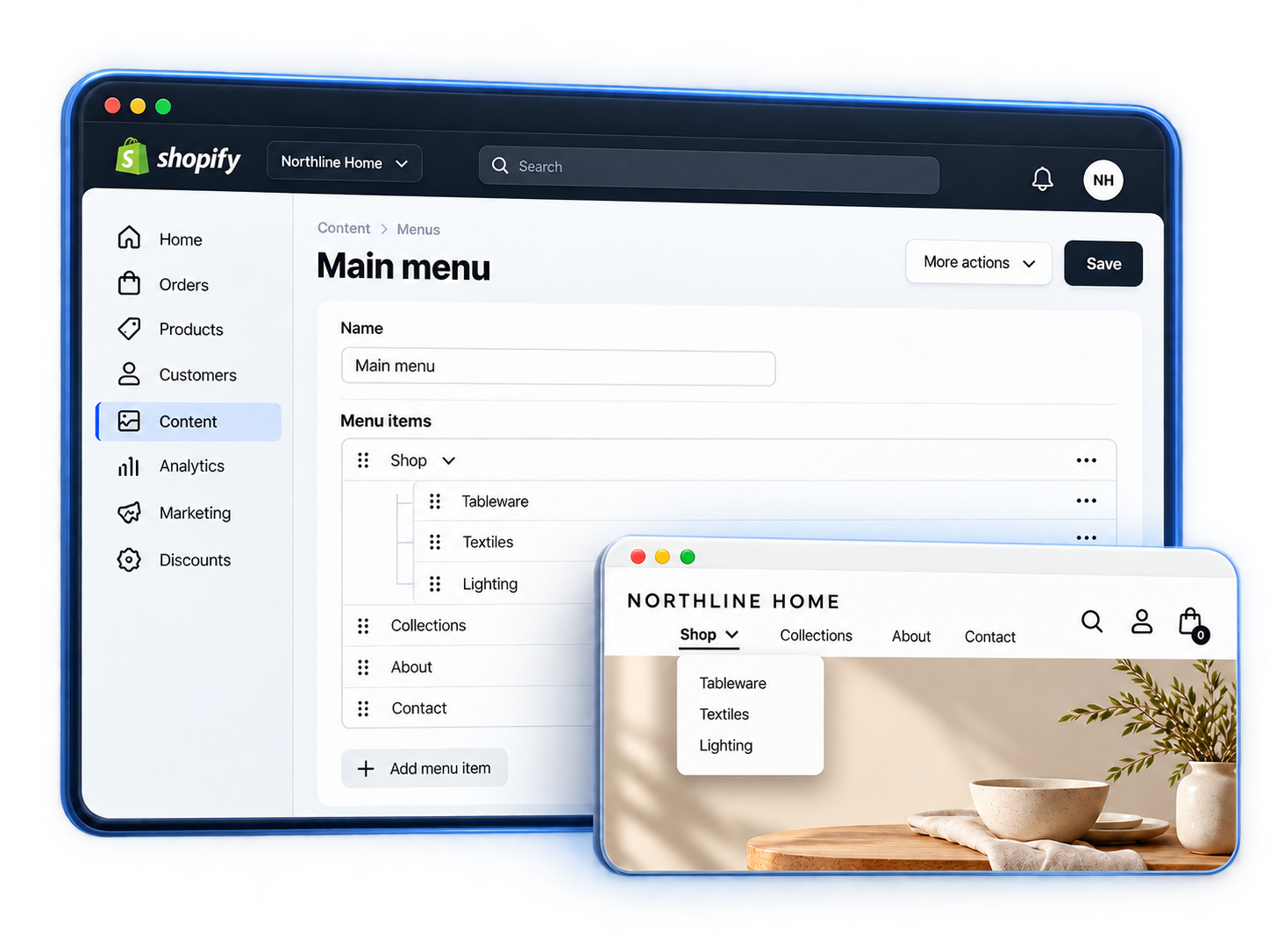
A storefront has to turn your business requirements into a shopping experience customers can understand. That starts before theme setup with clear product organization, page hierarchy, navigation, content, and the customer paths to the right products.
Always Open Commerce helps define these decisions early, so design, development, apps, content, and launch work follow the same storefront plan instead of separate assumptions.
Storefront Foundations to Define Before Build
A new store build should establish the core storefront foundation without turning the project into an open-ended list of features. The exact scope varies, but these are the areas that commonly need to be coordinated.

Site Structure & Core Pages
New Store Builds
Organize the homepage, collections or categories, product pages, informational pages, and other core experiences around what customers need to find and what the business needs to manage.
Navigation & Shopping Paths
New Store Builds
Create a clear hierarchy and navigation system that helps shoppers understand the catalog and reach relevant products without unnecessary friction.
Theme & Storefront Setup
New Store Builds
Configure the approved theme or storefront foundation and implement the in-scope design and content structure needed for the new store.
Essential App Coordination
New Store Builds
Identify and coordinate the essential apps included in the build so their role, storefront impact, and dependencies are considered before launch.
QA & Launch Readiness
New Store Builds
Review the in-scope storefront experience, responsive behavior, core customer paths, and launch requirements before the store goes live.
Resolve the Inputs That Can Change the Build
A storefront may look ready for design while essential inputs remain unresolved. Clarify content, connected systems, launch requirements, and ownership early to avoid delays and unexpected scope changes.

Catalog & Content Readiness
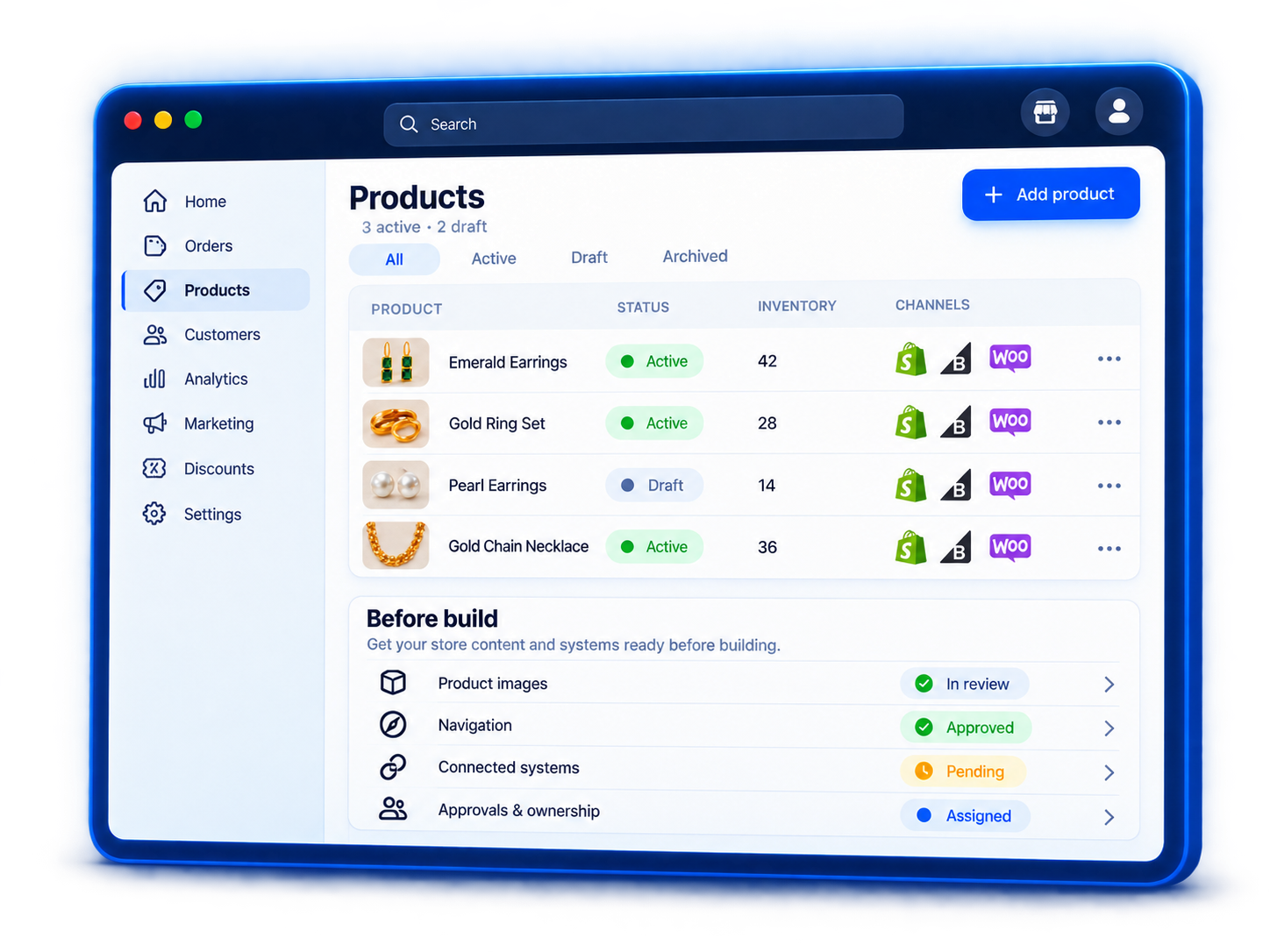
Confirm product and category structure, essential content, and imagery. Missing inputs may require separate Data/Catalog Migration or content work before the build proceeds.
Connected Systems & Data Dependencies
Identify in-scope product, customer, order, and operational connections. Requirements beyond standard setup may need separate API Integrations or technical work.
Specialist Launch Requirements
Identify search, analytics, accessibility, and other specialist requirements early. Coordinate approved needs during the build rather than leaving them until final QA.
Ownership & Handoffs
Clarify who provides content, approves decisions, coordinates vendors, and signs off on launch so responsibilities remain clear throughout the build.
Connect the Build to the Work Around It
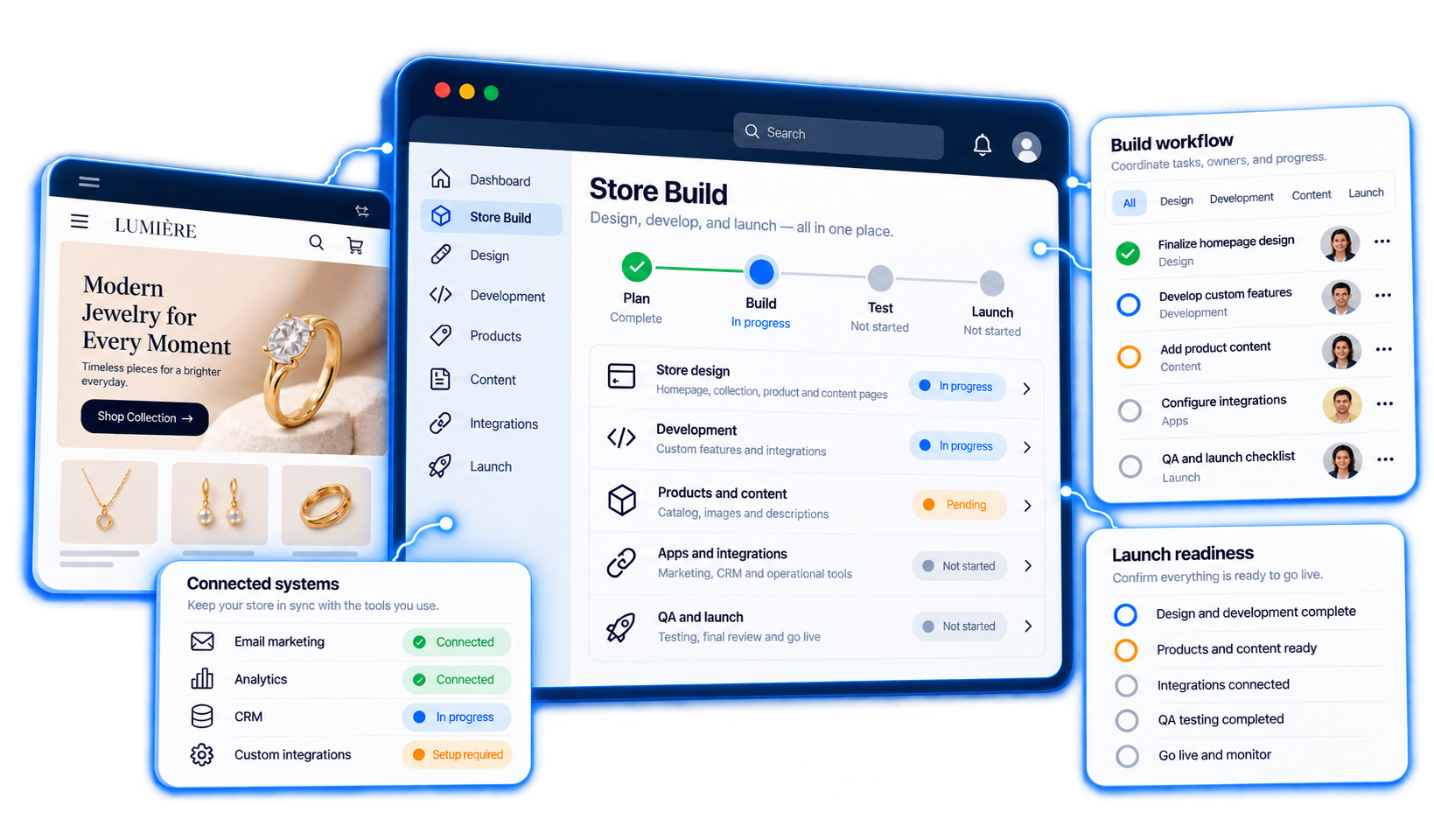
A new storefront brings together design, development, product organization, apps, content, and launch planning. Aligning these workstreams early keeps the project moving in the same direction and makes the scope of the build clear.
Always Open Commerce can coordinate the approved build and connect related services such as Data/Catalog Migration, App Setup, and Launch Support when needed. Advanced custom features, ongoing marketing, and post-launch growth remain separate unless specifically included in the project scope.
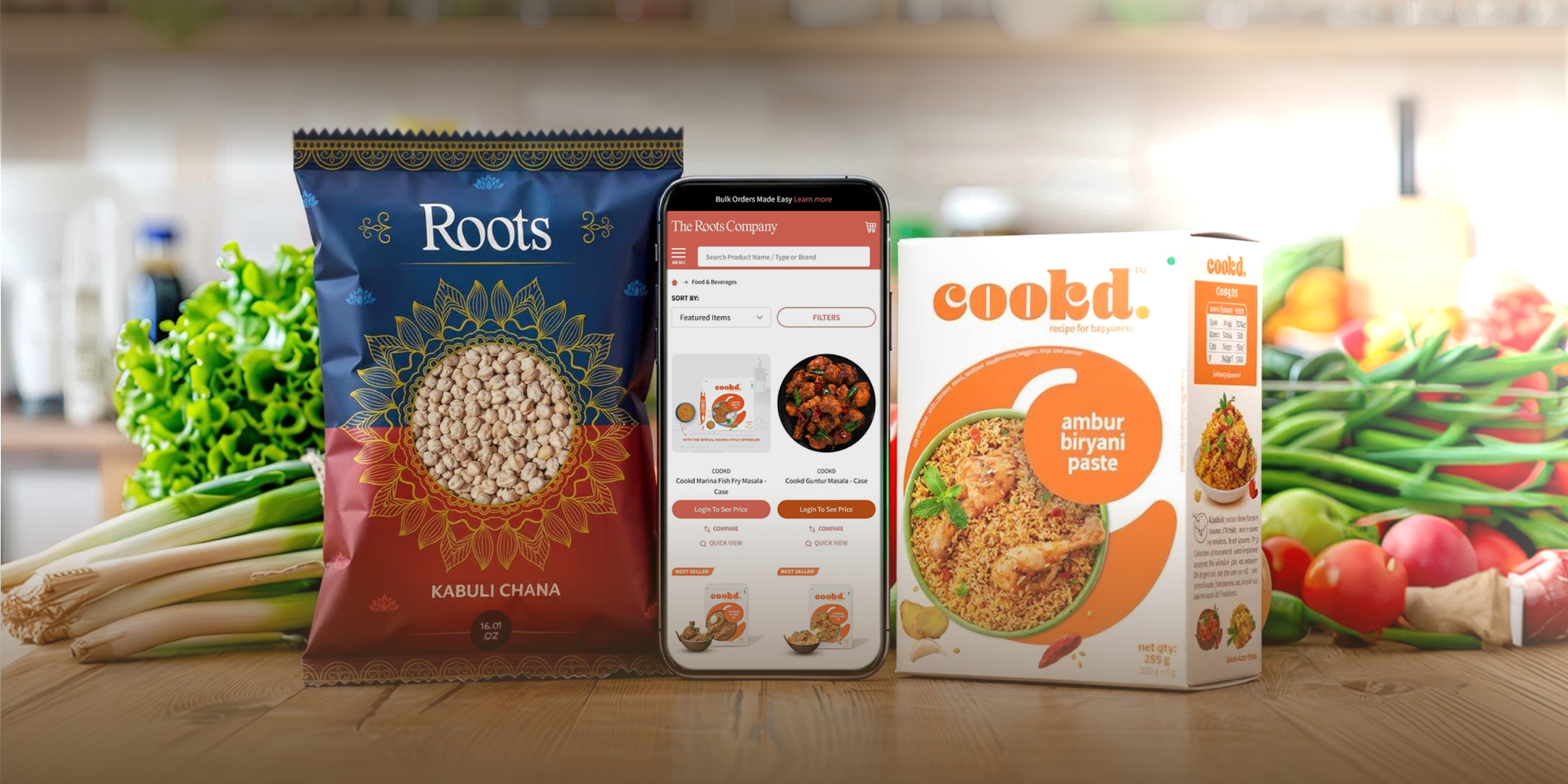
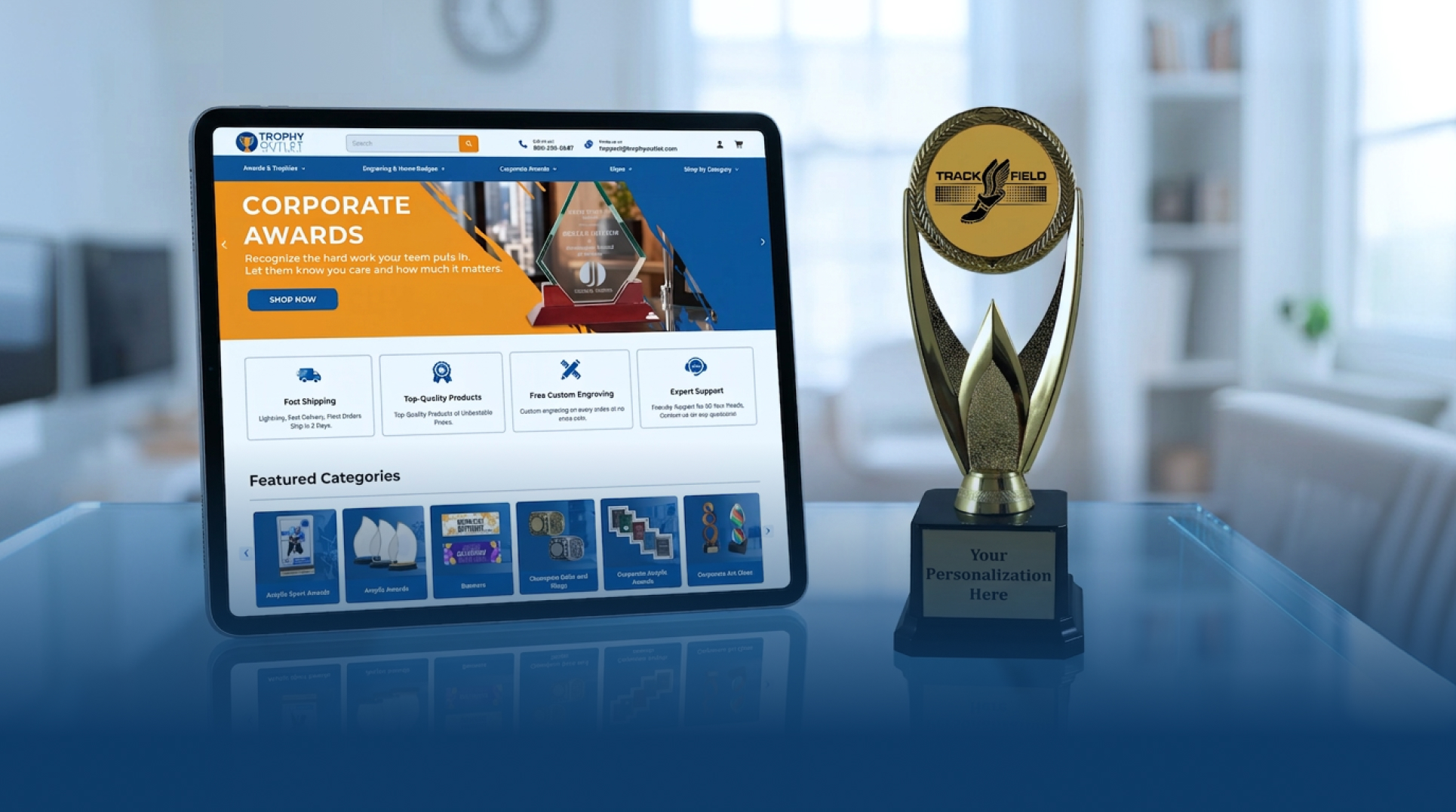
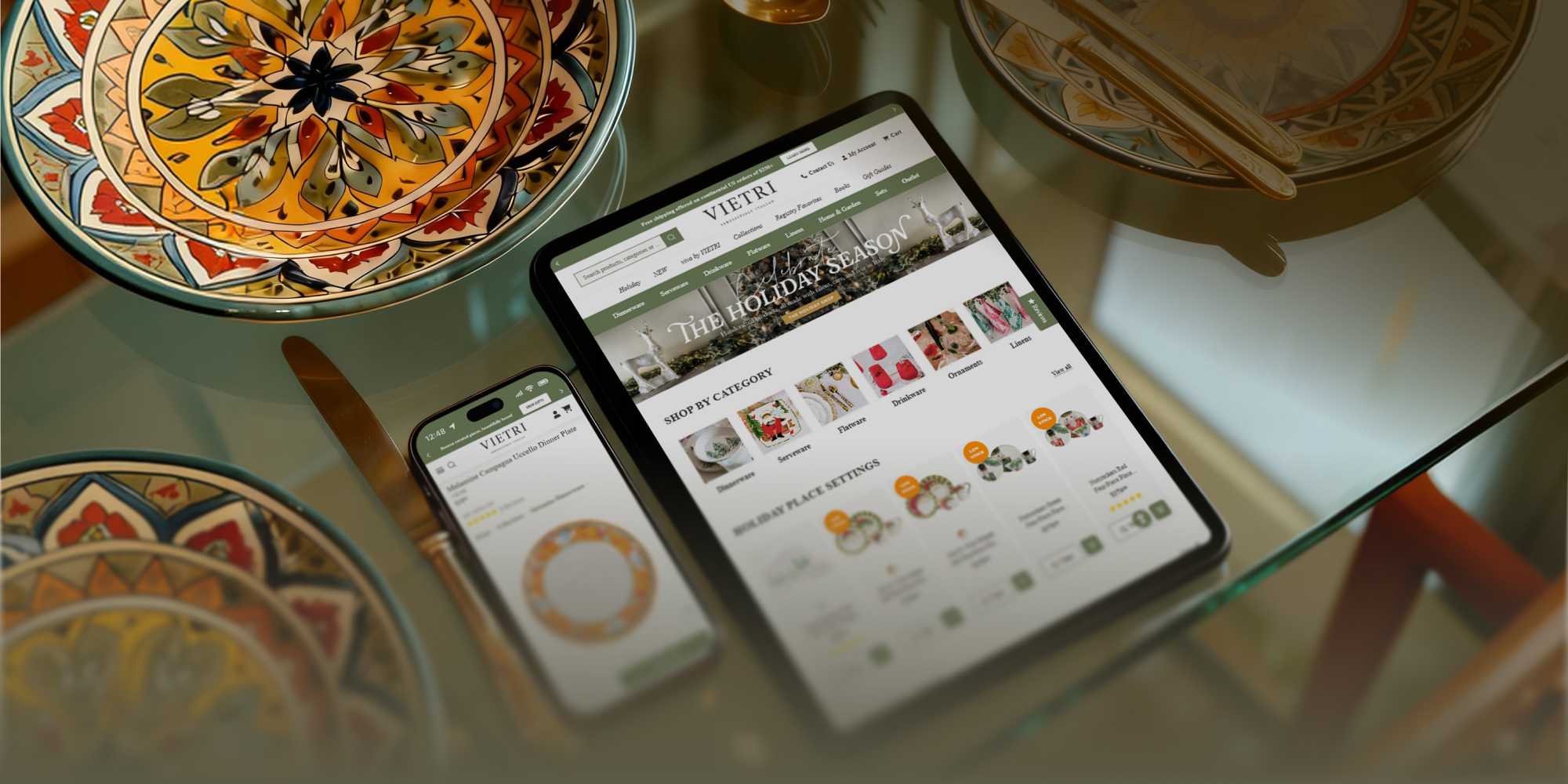
New Store Builds in Practice

Platforms We Build On

Build a scalable storefront designed for complex catalogs, B2B requirements, and integrations that support your business operations.

Launch a customer-friendly storefront with intuitive navigation, essential apps, and a flexible foundation for long-term growth.

Create a customizable WordPress-based storefront with tailored shopping experiences, flexible product management, and integrations suited to your business.
Frequently Asked Questions
The service can include planning, site structure, core pages, navigation, theme setup, essential app coordination, QA, and launch readiness. The exact combination depends on the store and the approved project scope.
Yes. Always Open Commerce has design and development capabilities that can be coordinated within the same build when both are in scope. The exact responsibilities are defined during planning rather than assumed for every project.
Essential app coordination can be part of a new store build. Custom app development, advanced troubleshooting, or more involved integrations may require separate scope and technical review.
Search considerations can affect site structure and launch readiness, but SEO/GEO work is not automatically included in every new store build. It can be coordinated when the project requires it and the work is included in scope.
New Store Builds focuses on getting the in-scope storefront ready for launch. Ongoing maintenance, marketing, CRO, SEO/GEO, retention, or other growth support can be scoped separately based on what the business needs next.

 USA
USA
 Philippines


