


Marketplace Setup
Marketplace expansion adds a new operating channel for the catalog, orders, and fulfillment. Always Open Commerce helps prepare seller accounts, product data, listings, and launch workflows so the business can enter a marketplace with clearer requirements, ownership, and dependencies.
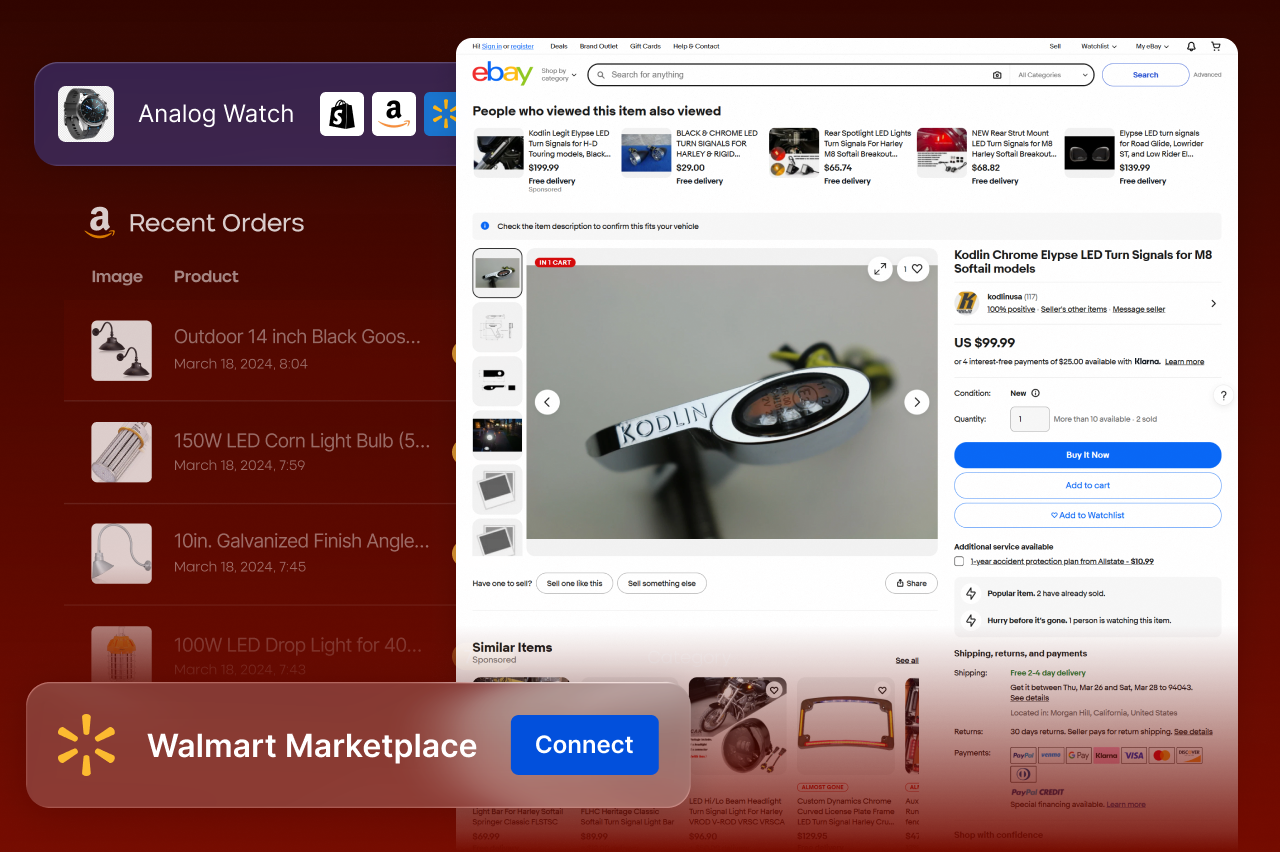

Marketplace Setup Starts Before the First Listing
Each marketplace has its own seller, catalog, product, policy, and fulfillment requirements. A storefront catalog may be a useful source, but it is not automatically ready to become a marketplace catalog.
Before listing work begins, confirm the destination’s current requirements, the seller-account status, the condition of the product data, and who will own inventory, pricing, orders, fulfillment, and ongoing channel operations.
Prepare the Account, Catalog & Listings
Always Open Commerce scopes setup around the destination, seller access, catalog condition, operating model, and the systems that will keep marketplace information accurate after launch.

Account & Listing Readiness
Review the information, access, restrictions, approvals, and listing requirements that apply to the destination. Always Open Commerce can prepare supported requirements and troubleshoot setup issues, but marketplace eligibility and approval remain controlled by the channel.

Listing & Product Setup
Build listings from approved product information using the titles, descriptions, images, identifiers, attributes, categories, and other fields required by the destination. Listing quality depends on accurate source data.

Catalog Mapping & Identifiers
Map ecommerce data to marketplace fields and validate relevant product identifiers, variants, and relationships. Larger taxonomy, product-information, or source-catalog issues may need PIM Setup & Support before marketplace setup can proceed cleanly.

Workflow & System Coordination
Define how inventory, pricing, orders, fulfillment, and listing updates will be managed. When systems need to exchange data, API Integrations or another integration scope should assess the connection separately.

Listing Issue Review
Review incomplete, rejected, suppressed, or inconsistent listings and organize the correction path. The marketplace still controls its own policies, requirements, and final acceptance decisions.
Decide Who Owns Data, Orders & Fulfillment
Setup is only the starting point. Before launch, the business should know who owns the information and operating decisions the marketplace will continue to require.

Who Owns Ongoing Channel Operations?
Assign responsibility for listing changes, policy notices, pricing, inventory exceptions, order issues, and other channel-specific maintenance. Ongoing marketplace management is separate from the initial setup unless explicitly scoped.
Where Do Inventory, Pricing and Orders Come From?
Confirm the systems of record for inventory, pricing, orders, product data, and fulfillment. If the marketplace needs different rules from the storefront, define those exceptions before products go live.
Are Approvals or System Connections Blocking Launch?
Seller, category, brand, or product approvals can affect timing, while integrations may be needed for orders, inventory, pricing, or fulfillment. Identify those dependencies early without treating marketplace approval or technical feasibility as guaranteed.

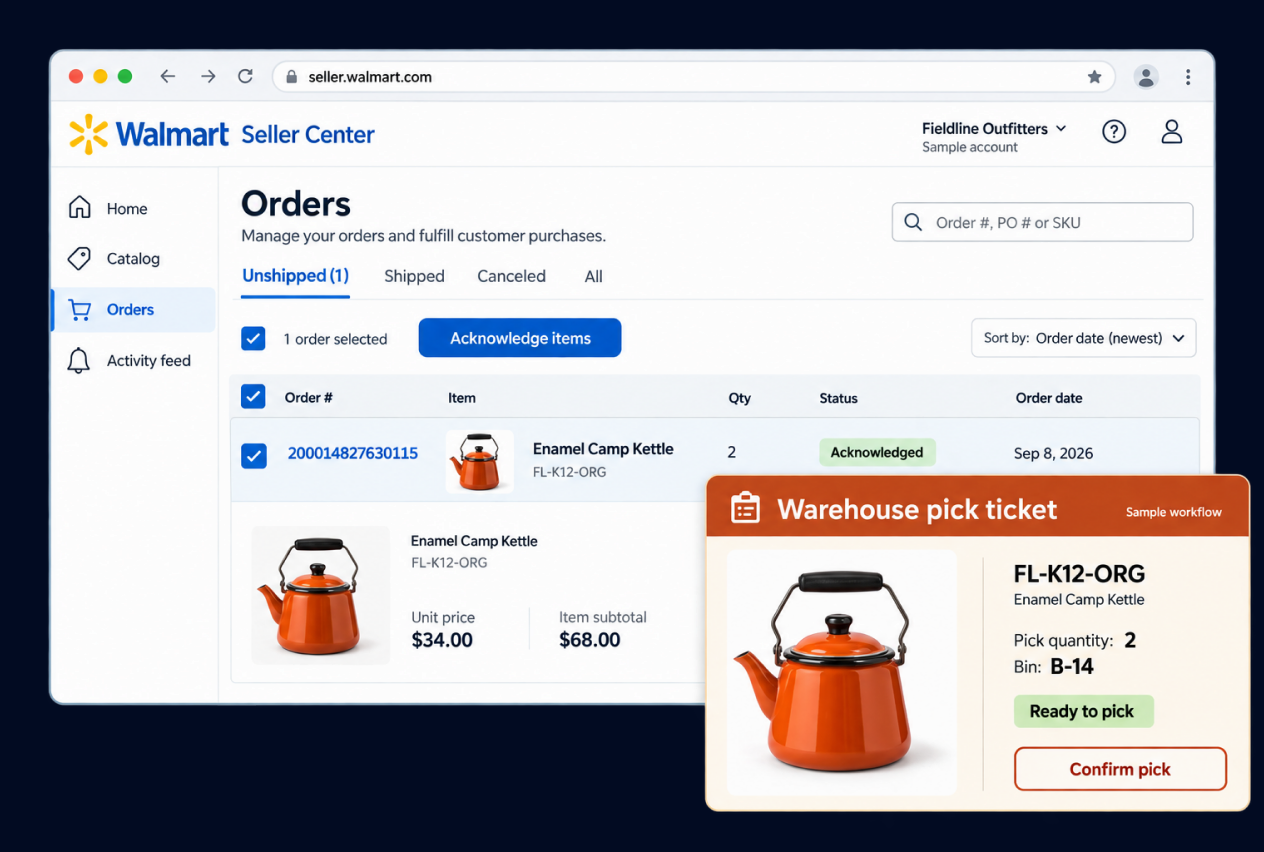
Treat the Marketplace as an Operating Channel
A marketplace adds another place where product information, availability, pricing, orders, fulfillment, and policy obligations have to stay accurate. Launch planning should account for how that operating responsibility continues after the first listings go live.
Always Open Commerce can coordinate marketplace setup with PIM Setup & Support, Shopping Feeds, and API Integrations when the launch depends on deeper catalog work, feed management, or connected systems.
Marketplace Setup does not automatically include ongoing marketplace management, advertising spend, continuous catalog administration, marketplace fees, tax or legal advice, seller approval, or policy enforcement. Those responsibilities require separate scope or remain with the client and marketplace.
Multichannel Technologies


Frequently Asked Questions
The supported marketplace is confirmed during scoping based on the destination, current AOC capabilities, seller access, product information, and the work required. Platform requirements are reviewed against the marketplace’s current first-party guidance before setup begins.
No. Marketplaces control seller eligibility, category restrictions, listing acceptance, policy enforcement, and approval decisions. Always Open Commerce can prepare supported requirements, troubleshoot setup issues, and improve readiness, but approval remains with the marketplace.
Not by default. Recurring listing administration, catalog maintenance, pricing, marketplace operations, policy monitoring, and other ongoing responsibilities need a separately approved operating scope.
Yes, when the cleanup fits the approved scope. Larger taxonomy, identifier, variant, PIM, or technical issues may need PIM Setup & Support or another dedicated catalog scope before marketplace setup proceeds.

 USA
USA
 Philippines


