


















































AI Consulting & Enablement
AI Consulting & Enablement helps ecommerce teams decide where AI belongs, which use cases deserve priority, and what must be in place for responsible adoption. Always Open Commerce connects strategy, workflows, knowledge, governance, and team enablement into a practical plan.

Make AI Adoption Fit the Way the Team Works
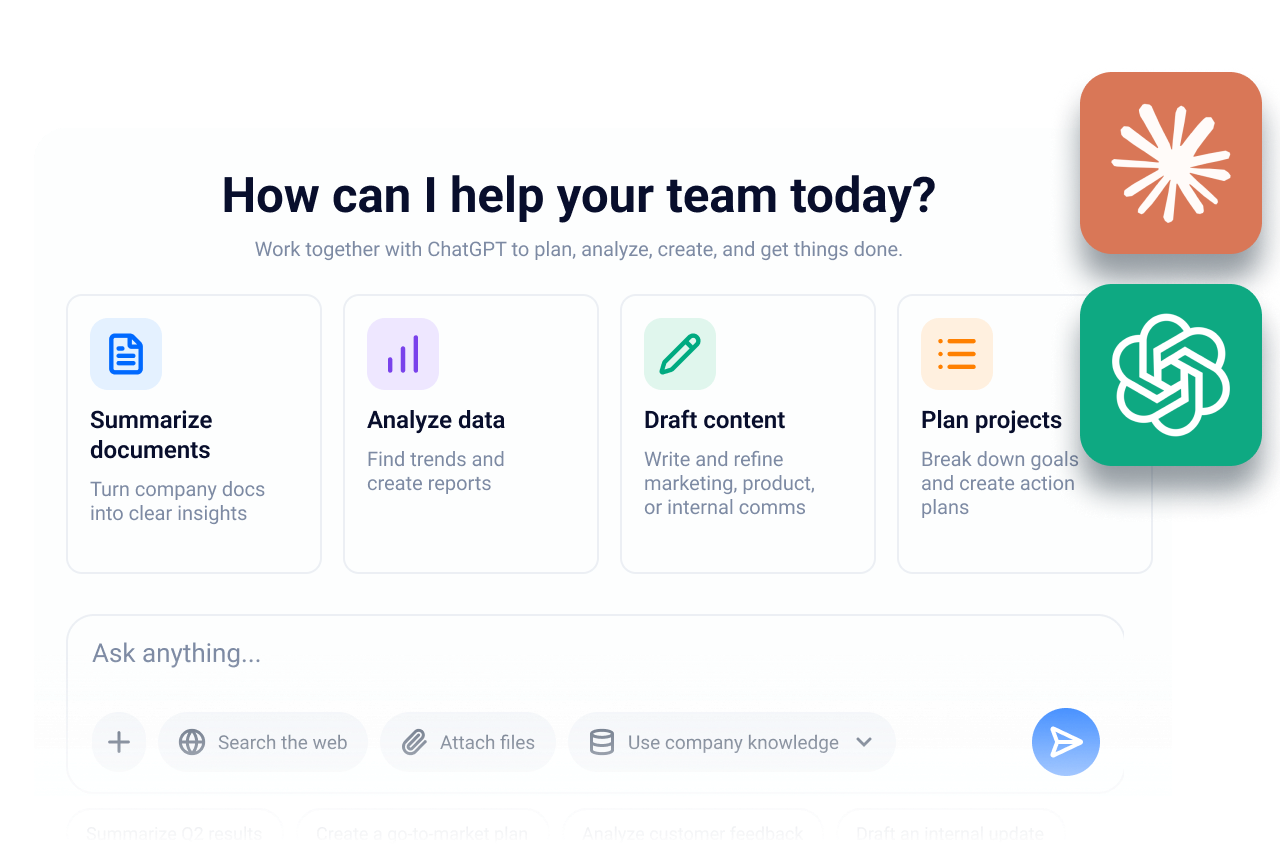
AI adoption often starts one person or one task at a time. That can uncover useful opportunities, but it can also create duplicated tools, disconnected workflows, inconsistent practices, and unclear ownership.
Consulting looks at how the team already works before recommending where AI should fit. The goal is to connect useful opportunities to the people, knowledge, systems, review requirements, and operating realities that determine whether adoption can work in practice.
Turn Priority Use Cases Into an Adoption Plan
The engagement can focus on a few high-value workflows or connect priorities across teams when the same knowledge, systems, or ownership questions affect more than one department.

Use-Case Prioritization
Compare candidate uses against the problem they solve, expected value, workflow stability, available knowledge and data, ownership, risk, dependencies, implementation effort, and how usefulness can be evaluated.

Knowledge & Workflow Readiness
Review whether the information, decisions, inputs, exceptions, and handoffs behind a proposed use case are clear enough to support it. AI should not be used to fill gaps in a process the team cannot explain consistently.

Governance & Ownership
Define who owns source information, approvals, tool decisions, maintenance, and the decisions AI can support. Sensitive or consequential work should retain the appropriate human review from the beginning.

Team Enablement
Help people apply the approved approach in their actual roles through practical training, reusable workflow patterns, source and context practices, review expectations, and guidance for more consistent AI use.
The Best AI Use Case Is the One the Team Can Actually Support
A promising idea is only useful if the surrounding workflow, information, permissions, people, and systems can support it over time.

Start With the Workflow
Before recommending AI or automation, clarify the inputs, decisions, exceptions, outputs, handoffs, and failure points. The right answer may be AI assistance, traditional automation, process improvement, or no automation at all.
Keep Human Ownership Clear
AI can support research, synthesis, analysis, drafting, preparation, documentation, and other appropriate tasks. People remain responsible for judgment, approvals, technical feasibility, public claims, financial decisions, customer impact, and other consequential actions.
Validate Sensitive and Technical Dependencies
Privacy, security, legal, compliance, financial, HR, API, integration, authentication, analytics, and production-system dependencies require the appropriate specialist review. Consulting can identify and organize those dependencies without turning them into unreviewed implementation commitments.
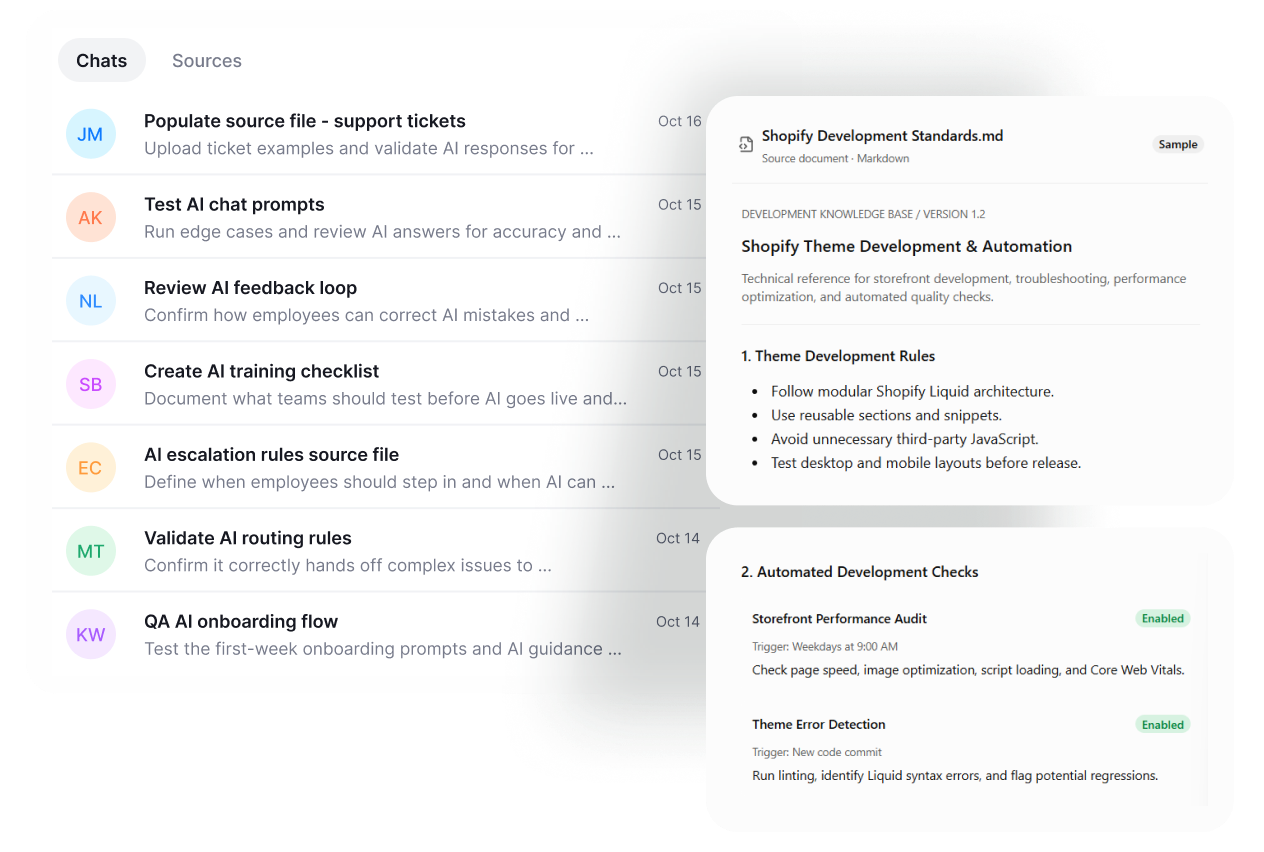
Build Adoption Around Real Work
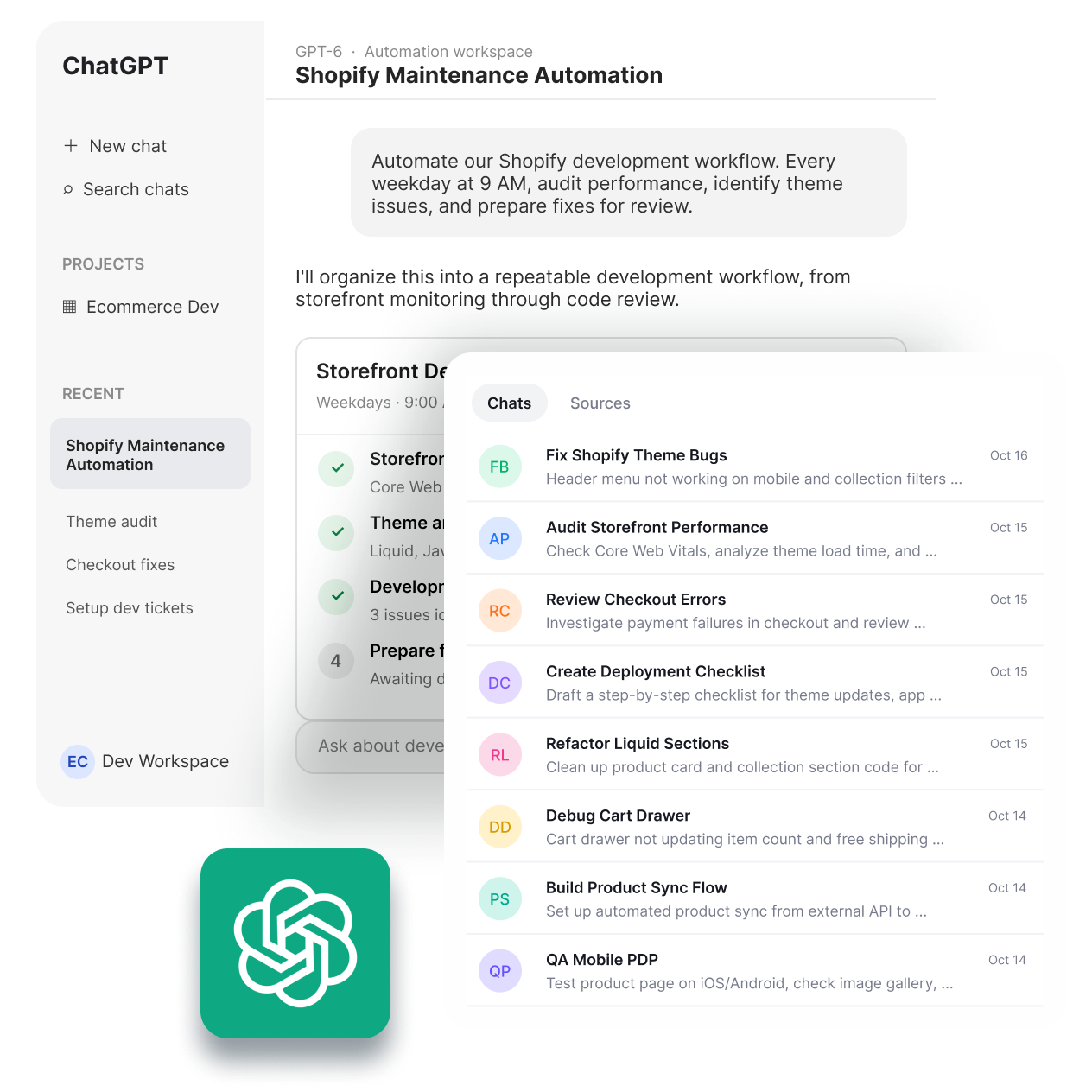
The outcome should be more useful than a list of AI ideas. The team should have a clearer view of where AI belongs, which opportunities deserve investment, what needs to be organized first, and where human ownership remains essential.
Always Open Commerce brings practical experience building connected company knowledge and AI-enabled workflows into the engagement. Recommendations are shaped around the client’s ecommerce stack, people, information, risk, and operating reality rather than a generic list of tools or use cases.
Consulting and implementation remain separate decisions. When a priority is ready to move forward, the appropriate service and specialists can confirm feasibility, scope, dependencies, and delivery requirements before implementation begins.
Related AI Commerce™ Services

Establish a stronger baseline when the next question is diagnostic: what is ready, what is missing, and what needs validation before deciding what to do.


Turn approved company knowledge and repeatable workflows into shared AI assistants, automations, and connected systems with appropriate permissions and human controls.

Replace selected apps or fragmented workflows with a purpose-built commerce system that can combine native platform capabilities, custom development, integrations, automation, and AI agents where appropriate.
Frequently Asked Questions
Depending on the need, consulting can include stakeholder discovery, current AI-use review, use-case prioritization, knowledge and workflow assessment, tool evaluation, governance and human-review guidance, roadmap development, practical team training, and adoption support.
An AI Audit is a focused diagnostic review of a defined area. AI Consulting & Enablement is broader and can connect multiple workflows, teams, use cases, knowledge sources, governance questions, and adoption decisions into one prioritized plan.
Not always. An audit is useful when the primary question is diagnostic or a stronger baseline is needed. Consulting can begin directly when the priorities, stakeholders, workflows, and available information are clear enough to support planning.
Yes, when team enablement is part of the engagement. Training focuses on approved workflows, source and context practices, review expectations, and how people will actually use AI in their roles rather than generic AI education.
Not automatically. Consulting can identify and prioritize those opportunities. Connected systems, automations, integrations, agents, and production workflows move into the appropriate implementation service when they are ready for technical review and scoping.
Create a Practical AI Plan for the Team
If AI use is spreading across the organization without a shared approach, Always Open Commerce can help turn disconnected experiments and requests into clear priorities, defined ownership, and a practical plan for what should happen next.

 USA
 Philippines


