
















































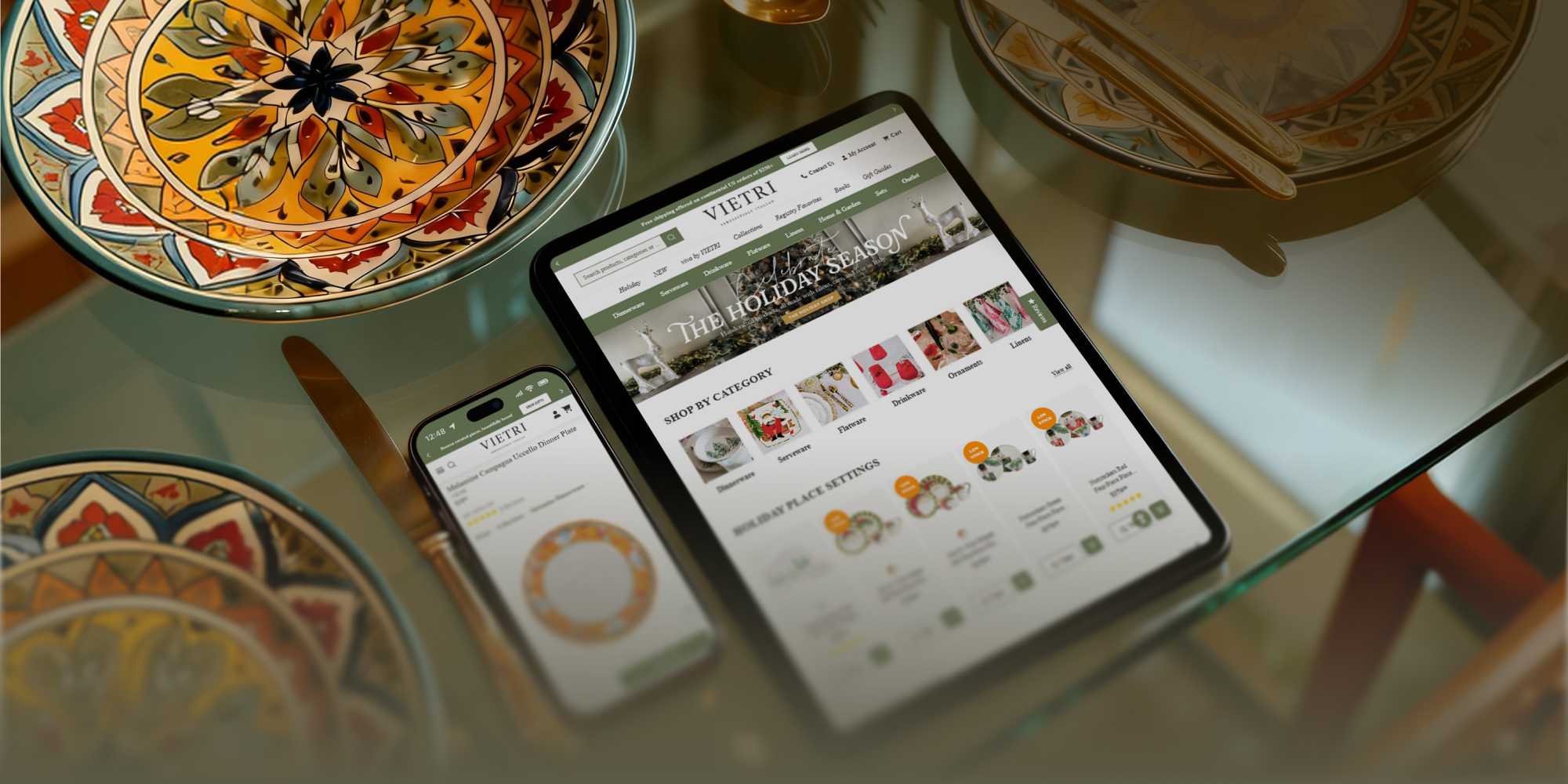



B2B Data & Wholesale
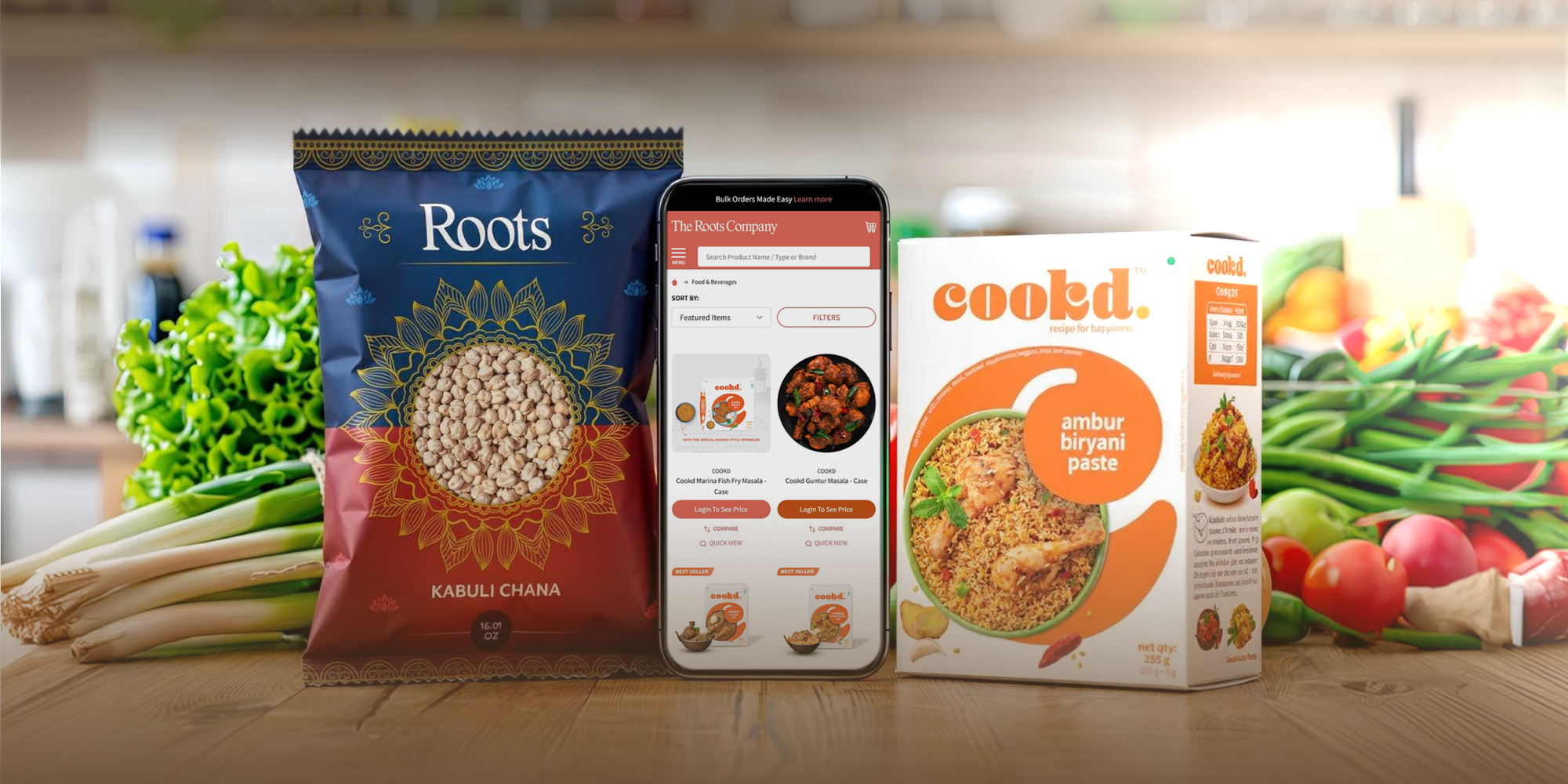
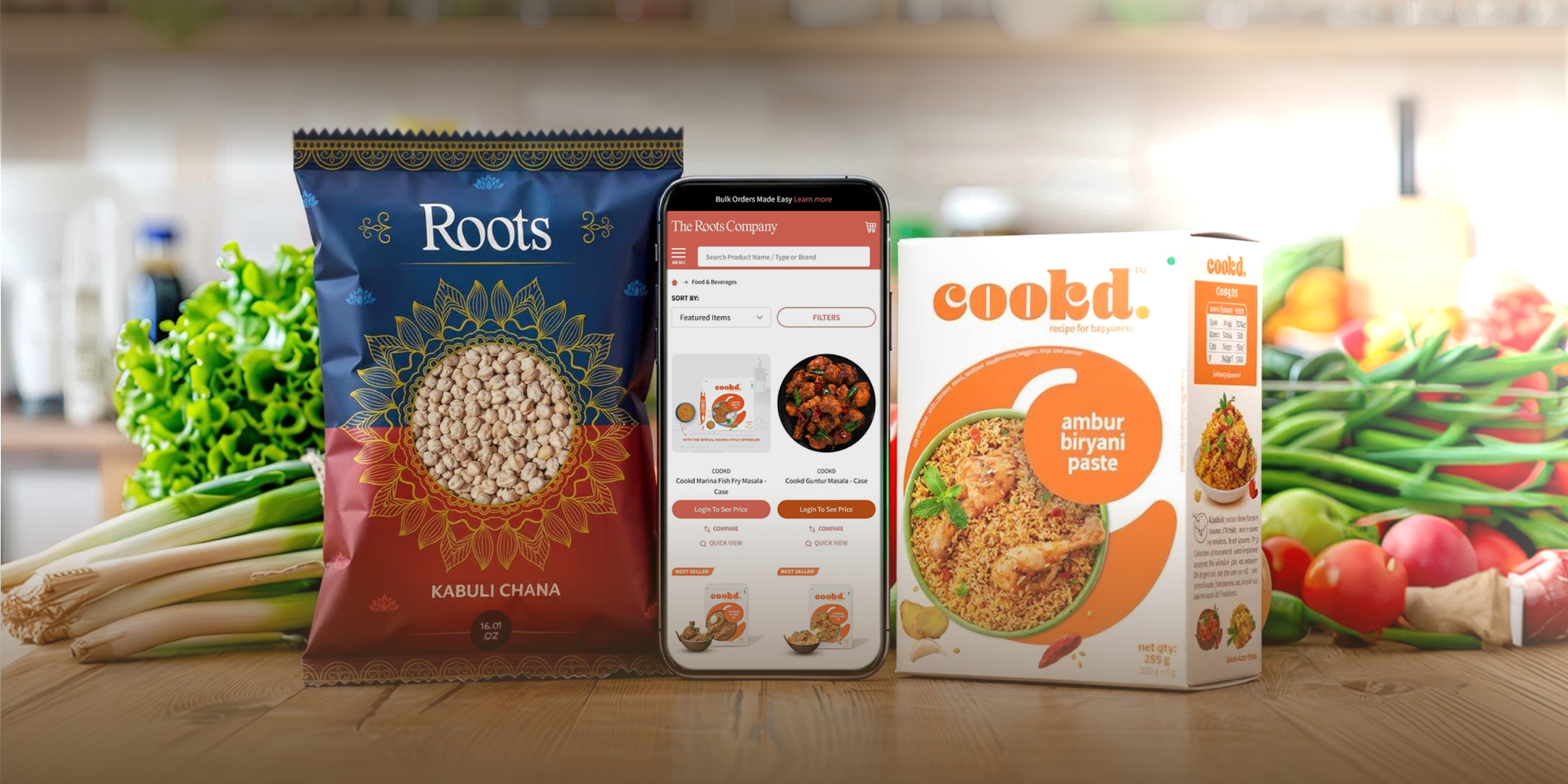
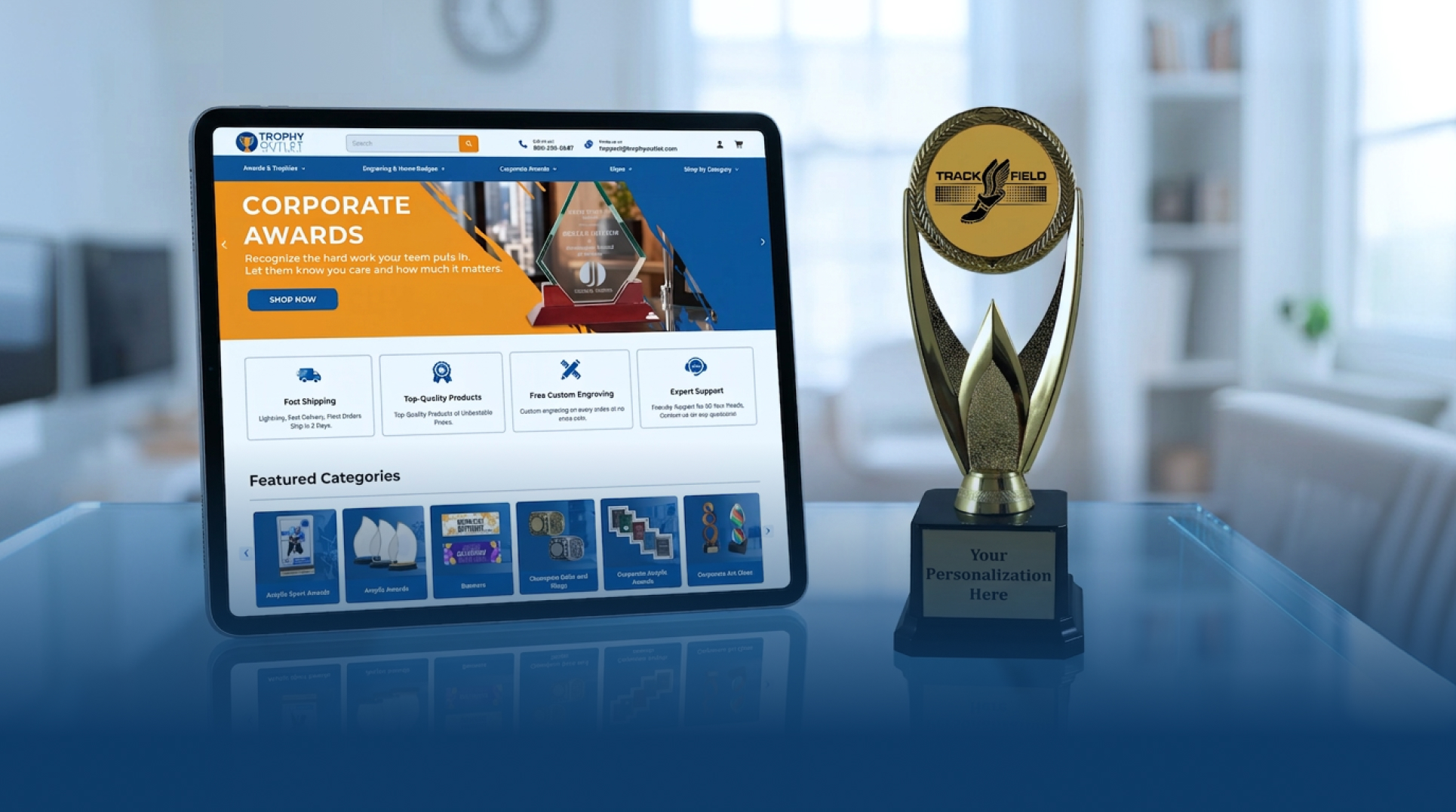
Always Open Commerce helps structure B2B ecommerce around how wholesale customers actually buy. Company accounts, customer-specific catalogs, pricing rules, ordering workflows, and connected data should work together without forcing buyers through a standard retail journey.

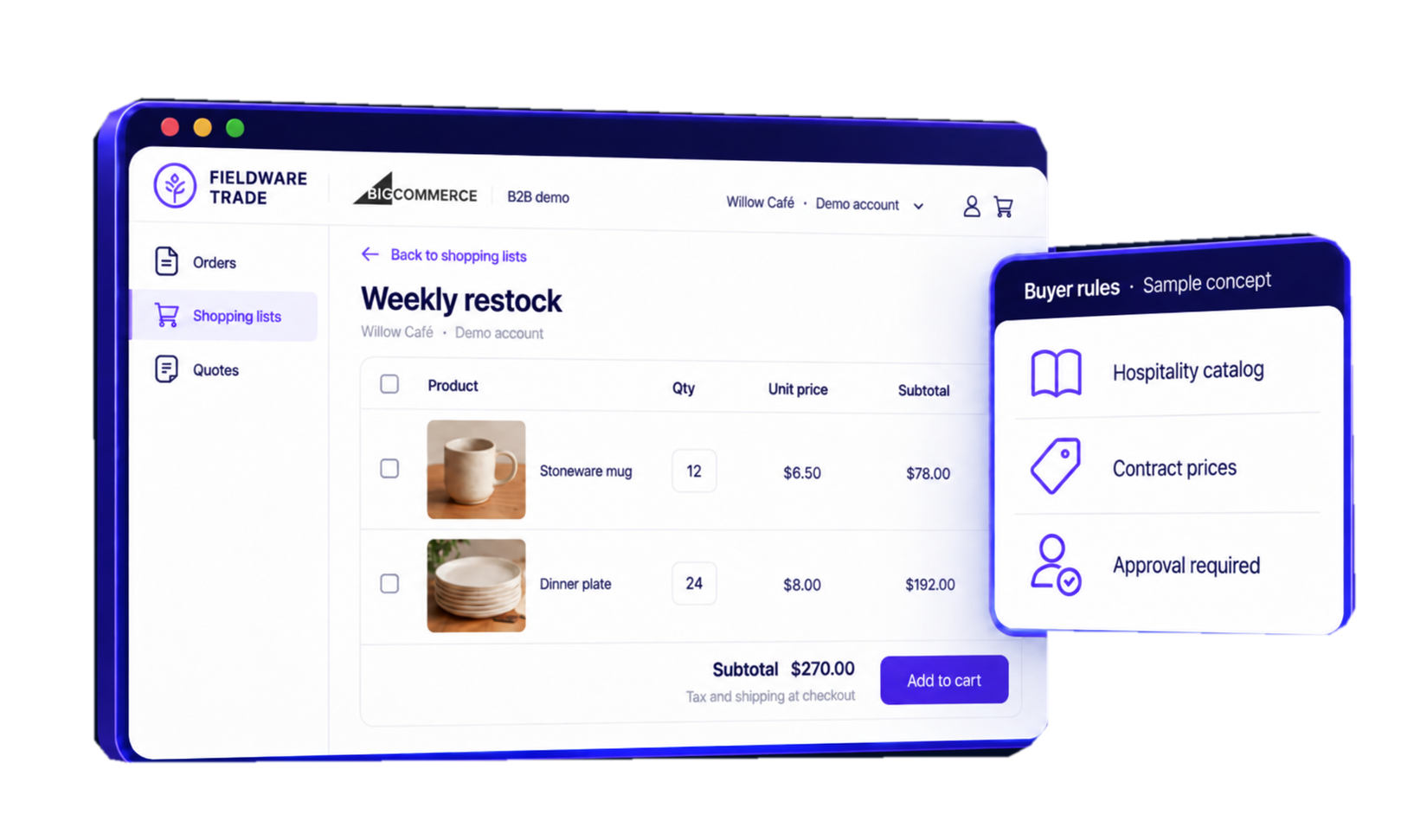
Wholesale Buyers Need Different Rules
Wholesale buyers may need company accounts, negotiated pricing, restricted product access, repeat ordering, or internal approvals. The storefront should reflect these differences without making the catalog or buying process harder to manage.
Always Open Commerce helps translate B2B requirements into customer groups, catalog access, pricing logic, order workflows, and account-based experiences within approved platform and project scope. Custom ERP implementation and advanced business rules remain separate unless included.
Accounts, Pricing, Catalog Access & Ordering
The right setup depends on the platform, customer relationships, catalog and pricing rules, connected systems, and which steps of the wholesale buying process belong online.

Company & Customer Structure
Organize companies, customer groups, locations, or account relationships so the storefront can distinguish buyers who need a different B2B experience.

Catalog & Product Access
Define which products, collections, or catalog areas each buyer group can access when the approved platform supports those rules.

Pricing Logic
Support approved customer-specific, group-based, tiered, or other pricing structures required for the wholesale buying experience.

Order Workflows
Define how buyers move from account access and product selection to ordering, including approval or repeat-order steps when included in scope.

Operational Connections
Coordinate approved API integrations or other ecommerce connections to ERP, CRM, accounting, fulfillment, or related business systems.
Decisions That Shape the Buyer Experience
Before configuring the storefront, clarify how buyer relationships, product access, ordering, and connected systems fit together.

Who Is Buying, and What Applies to Them?
Define company relationships, buyer roles, catalog access, and pricing rules before setting up a different buying experience for each group.
What Happens Before and After an Order?
Separate steps that belong inside ecommerce from sales, accounting, fulfillment, approval, or other operational processes.
Which System Owns the Data?
If customer, product, pricing, or order data sits outside ecommerce, confirm which system owns it and whether API integration belongs in scope.
What Should Stay Native?
Use native platform capabilities where they fit. Custom Development becomes relevant when an approved requirement cannot be supported cleanly with native or app-based options.

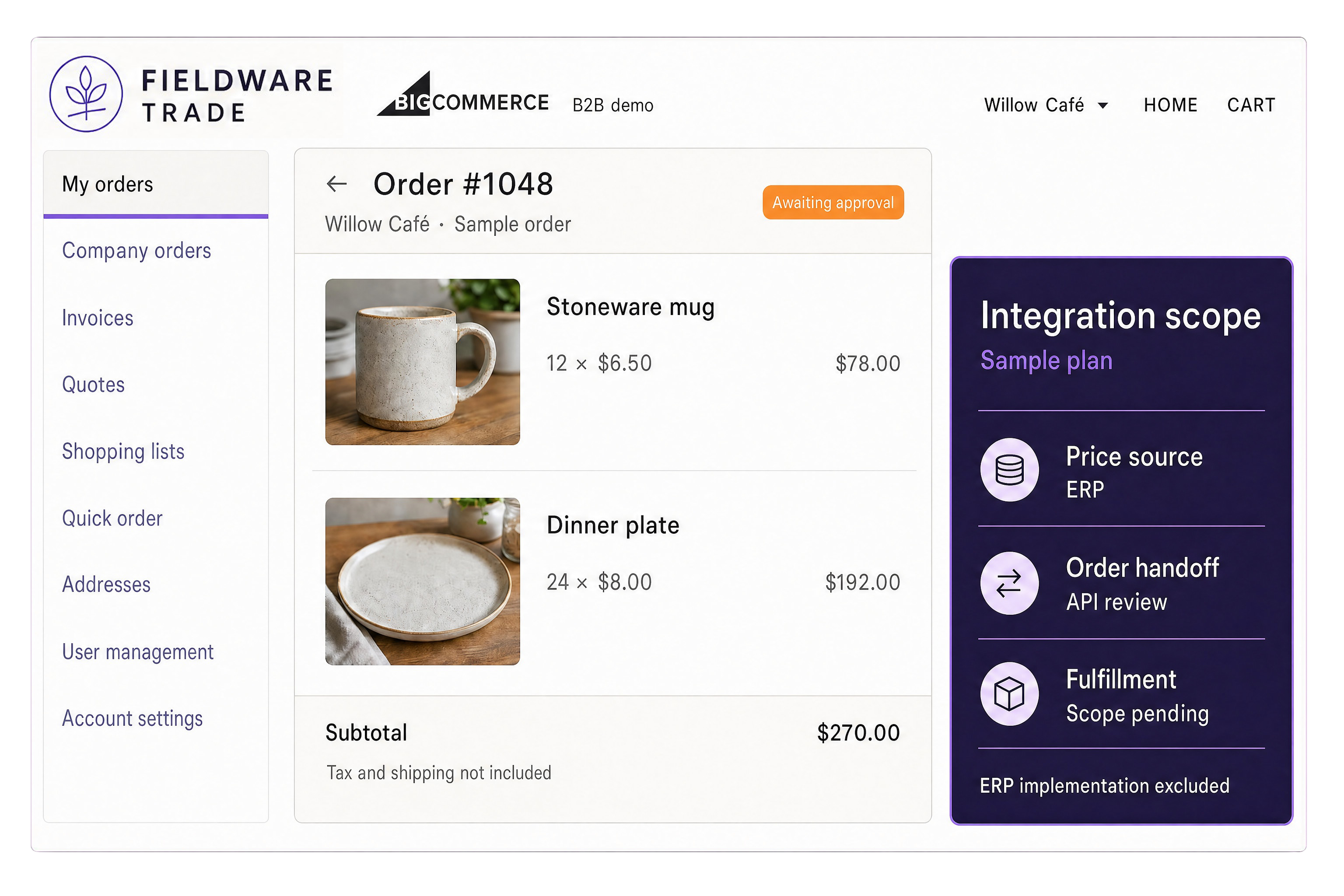
Align Ecommerce With How the Business Sells
The goal is to make wholesale purchasing easier for buyers while keeping account rules, order workflows, and operational systems aligned.
Always Open Commerce can coordinate storefront configuration, API Integrations, and Custom Development when those workstreams are approved. Platform capabilities, advanced business rules, and connected-system feasibility still require technical and scope review. Custom ERP implementation and unrelated operational changes remain outside the default scope.
Wholesale Work in Practice
Related Platforms & Industries

Shopify Plus
Explore wholesale buying models with company accounts, tailored catalogs, pricing, and ordering flows.

BigCommerce
Structure B2B catalogs, buyer groups, pricing rules, and ordering across connected storefront operations.

Industrial & Manufacturing
Support specification-led product discovery, distributor relationships, and repeat or quote-based ordering.
Frequently Asked Questions
It can include customer groups, pricing logic, catalog structure, order workflows, and account-based ecommerce experiences defined in the approved scope.
Sometimes. Whether one storefront can support both audiences depends on the platform, customer model, catalog, pricing requirements, and the experience the business needs to create.
Pricing logic can be part of the service when the approved platform and scope support the required model. The exact approach requires review of the pricing rules and customer structure.
Not automatically. The ecommerce requirements can be coordinated with connected systems, but custom ERP implementation and integrations are separate workstreams unless included in scope.
Account-based experiences can be supported when they fit the approved platform and project requirements. The access model, customer structure, and catalog rules need to be defined first.
No. Native platform functionality or suitable applications should be used when they satisfy the requirement. Custom work is considered when important gaps remain.

 USA
USA
 Philippines


