
















































Loop Returns
Build a returns experience that is clear for customers and workable for the teams managing exchanges, refunds, inventory, support, and reverse logistics. Always Open Commerce helps ecommerce teams plan and improve Loop Returns around policy logic, storefront UX, data handoffs, integrations, and QA.
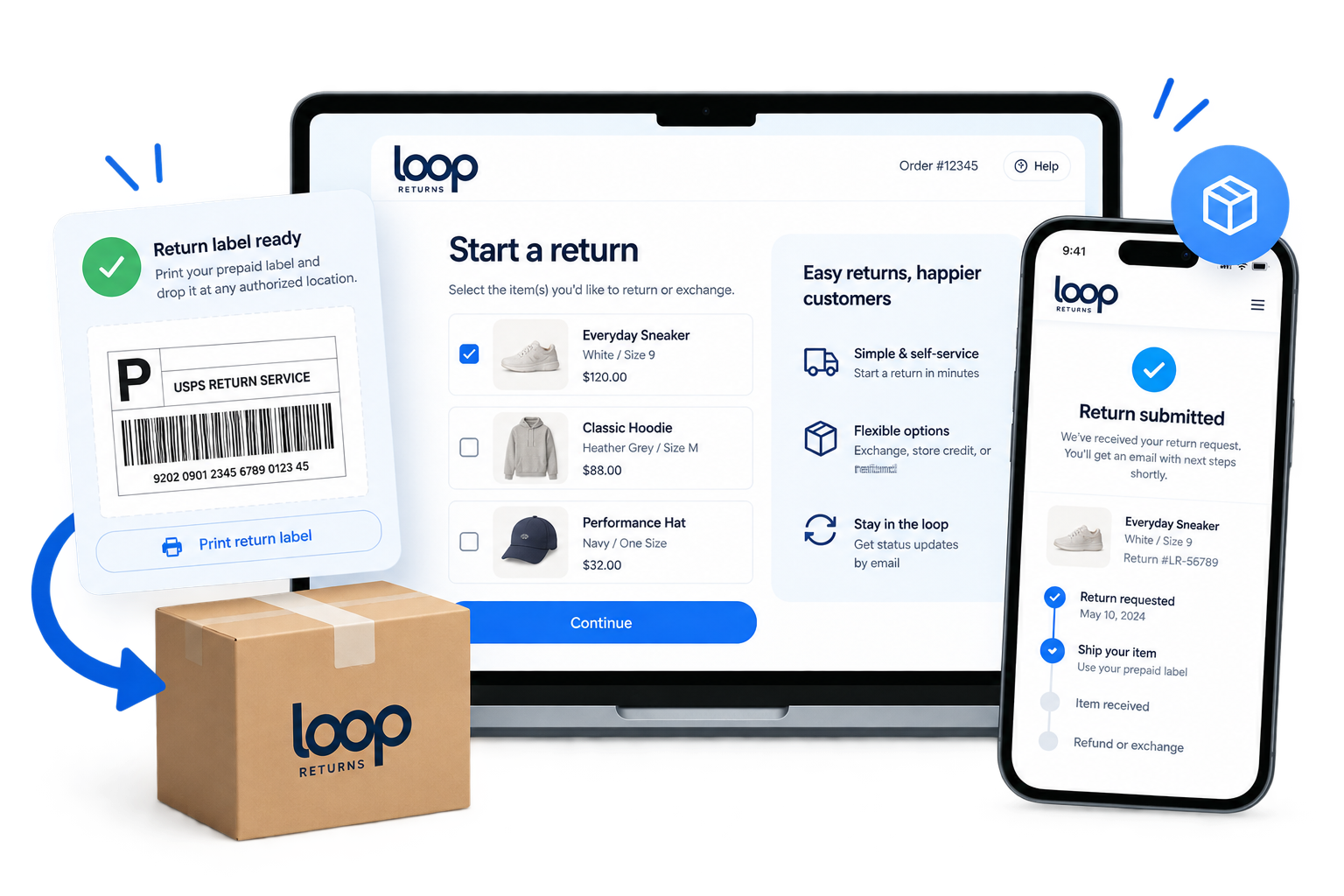
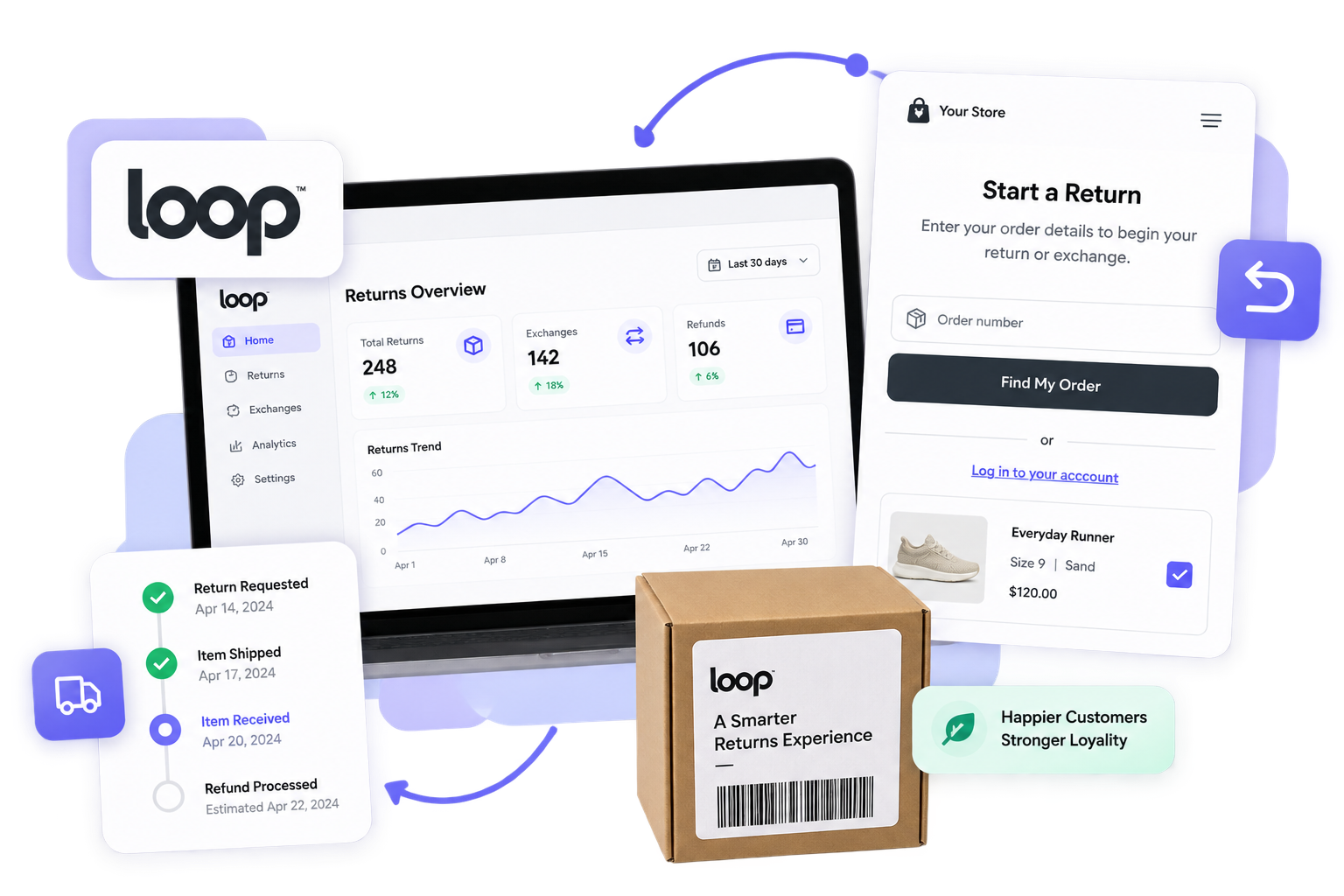
Design Returns Around the Outcomes Your Policy Actually Allows
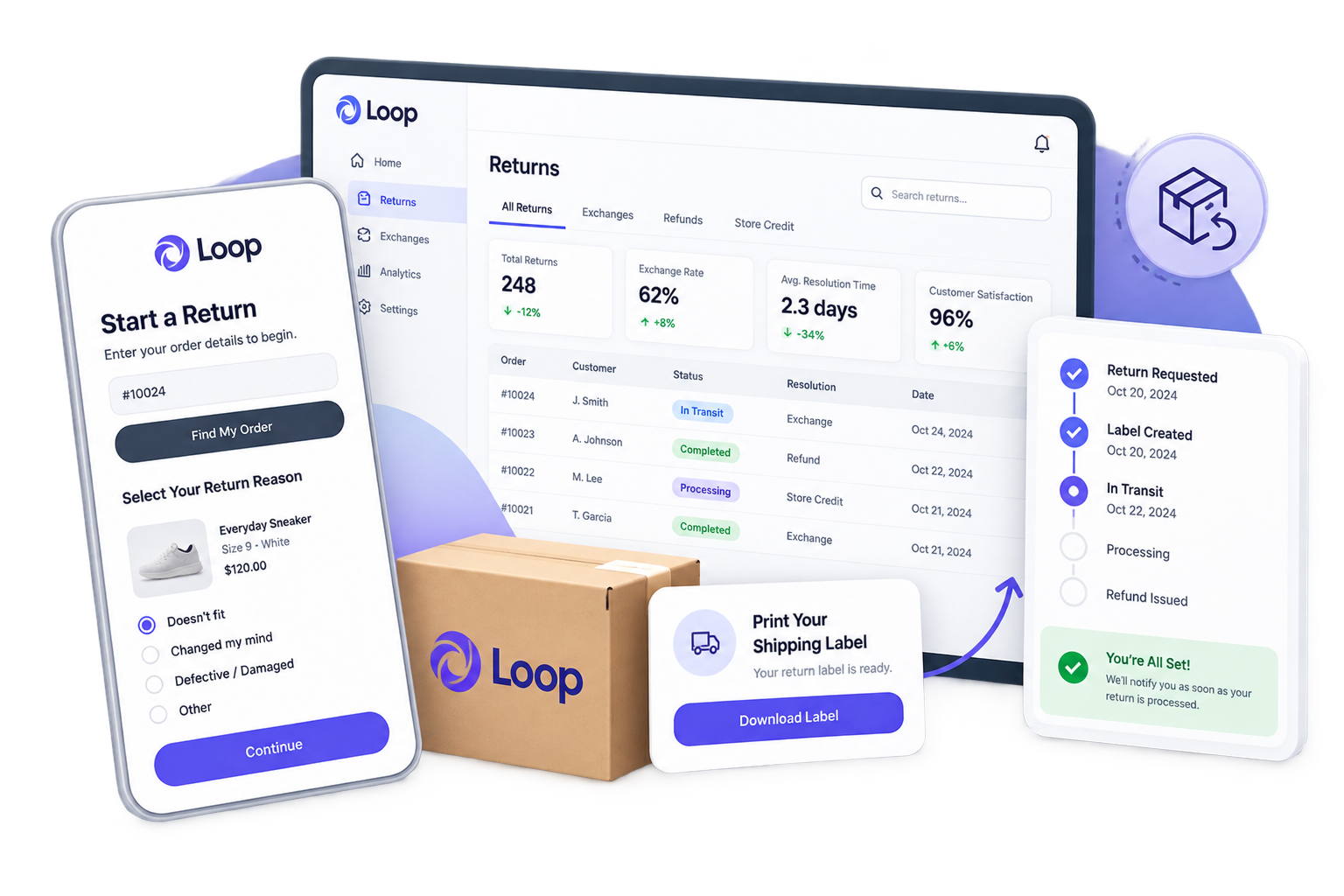
A returns portal should make the next step obvious without hiding the rules that govern eligibility, timing, exchange options, store credit, refunds, or exceptions. Loop Returns supports self-service returns and exchanges, but the customer experience still depends on how the business defines those outcomes and communicates them at the moment a shopper needs help.
Always Open Commerce can help translate approved return policies into a clearer storefront journey, including entry points, messaging, exchange paths, mobile behavior, and handoffs to customer service. Policy, legal, tax, fraud, and operational decisions remain with the appropriate business owners.
Connect the Return Experience to Orders, Inventory, and Support
The return is only one part of the workflow. Customer choices may need to connect back to the original order, available replacement products, warehouse or 3PL processes, support systems, shipping labels, notifications, and refund or exchange handling. Loop also offers integrations and broader post-purchase products, but the right setup depends on which systems own each part of the process.
Before automating those handoffs, define what data needs to move, which team owns exceptions, and where customers should see status or next steps. Always Open Commerce can coordinate ecommerce requirements and approved integration work. Exact connector behavior, automation, and technical feasibility require specialist review.
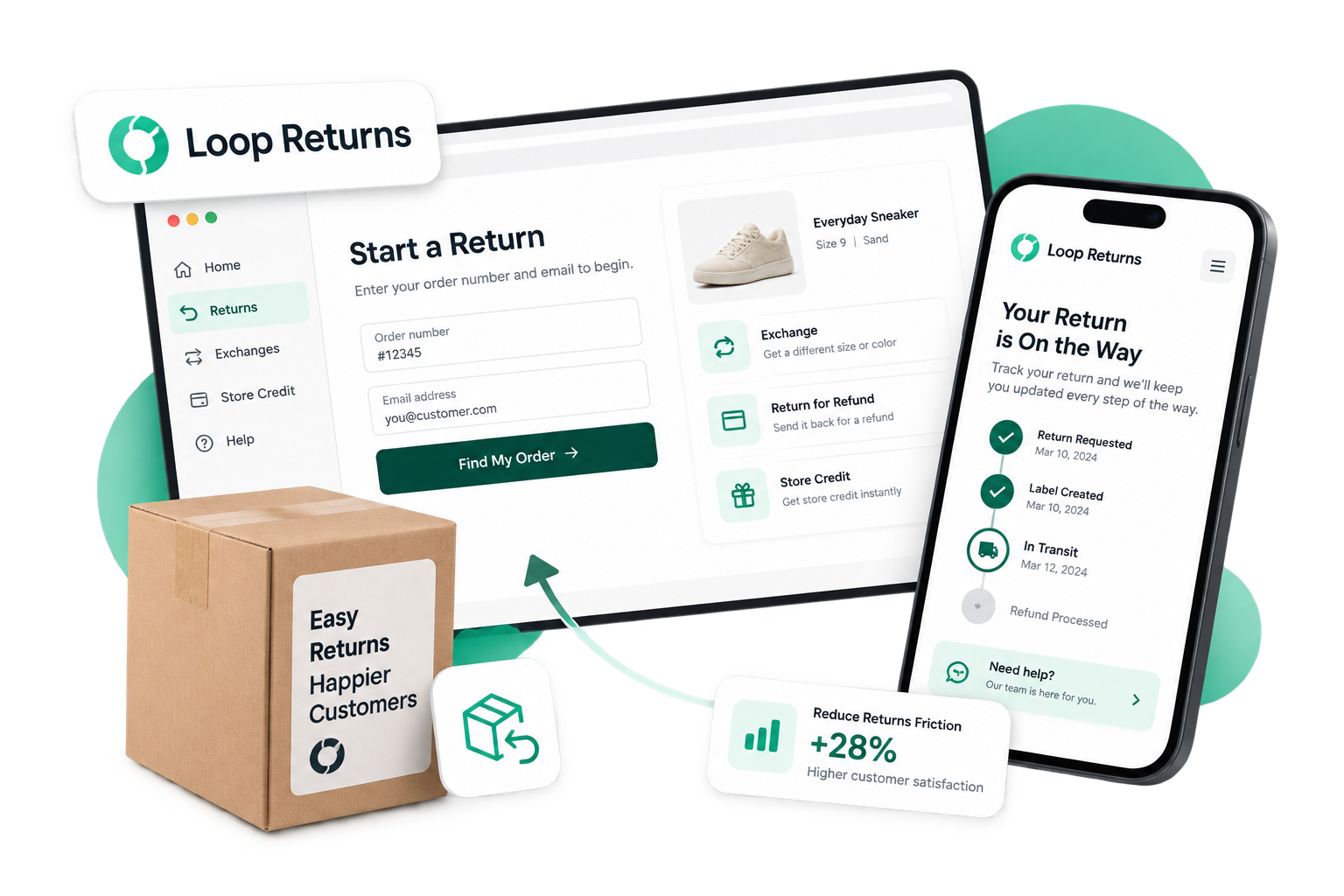
Loop Returns Work We Can Support
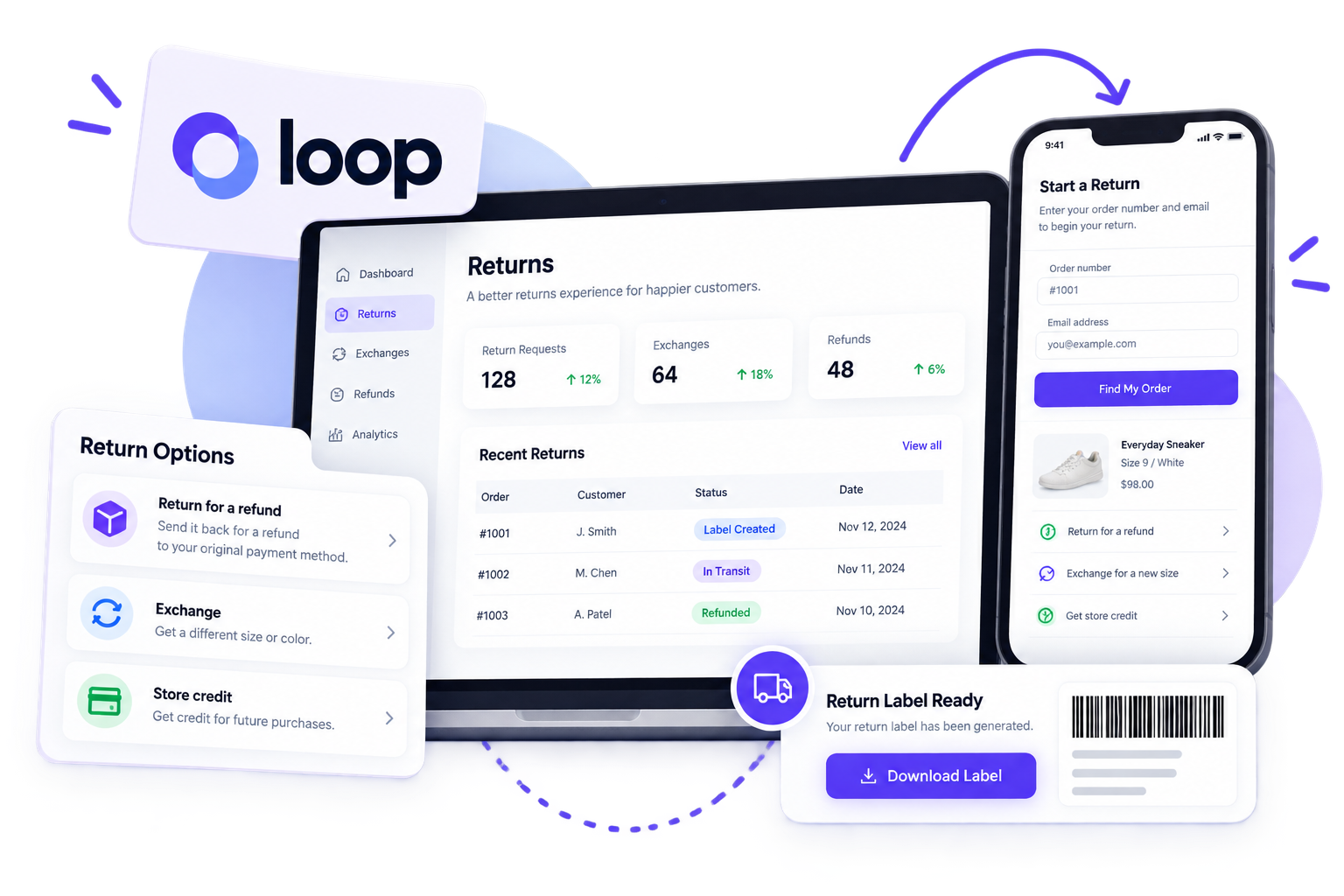
Support can focus on a new Loop Returns implementation, an existing portal that needs refinement, or the ecommerce and operational requirements surrounding the return journey.
1
Return Portal UX & Messaging
Plan or improve how customers start a return, understand eligibility, choose an available resolution, and move through the experience across desktop and mobile.
2
Exchange & Resolution Flows
Coordinate product exchanges, store-credit paths, refunds, and other approved resolutions with the catalog and customer journey so the experience reflects the business’s actual policy.
3
Order, Inventory & Support Handoffs
Define which order details, replacement-product information, support events, and operational data need to move between Loop, the ecommerce platform, and other approved systems.
4
Troubleshooting, QA & Launch Support
Test important return and exchange paths, investigate unexpected behavior, review responsive states, and coordinate fixes within the approved scope. Technical implementation remains subject to development review.
Keep Returns Operations Manageable as Policies and Products Change
Return rules, catalogs, fulfillment partners, and customer-service processes change over time. Ongoing ownership helps prevent the self-service experience from drifting away from the business rules behind it.
1
Policy & Rule Governance
Document who owns return windows, eligibility, exclusions, incentives, regional differences, and exception handling so changes are reviewed before they reach customers.
2
Catalog & Exchange Availability
Review how product availability, variants, replacement choices, and discontinued products affect exchange paths when the catalog changes.
3
Operational Exception Handling
Define which cases can move through self-service and which should route to support, warehouse, fraud, finance, or another responsible team.
4
Post-Launch QA & Improvement
Use support feedback, return-path behavior, analytics, and operational review to identify friction without treating the returns platform itself as proof of retention or revenue performance.
Loop Returns FAQs
Loop Returns provides returns, exchanges, and related post-purchase capabilities for ecommerce brands. It can give customers a self-service path while helping businesses apply return rules and connect the return process to other commerce operations.
Loop markets support across ecommerce platforms. The exact platform, integration, feature, and account requirements should be confirmed for the storefront being evaluated.
Start with the approved return policy, resolution types, product and order data, operational owners, support exceptions, warehouse or 3PL requirements, customer communications, and the systems involved in the handoff.
Yes. Support can include return-journey UX, policy-to-interface requirements, exchange flows, integration coordination, troubleshooting, and QA within an approved scope. Business-policy decisions and exact technical feasibility require the appropriate owner or specialist.
Not necessarily. The right path depends on the business’s approved policy, product availability, customer context, operations, and financial rules. The experience should explain the options customers are actually eligible to use.

 USA
USA
 Philippines


