






















































ShipStation
Keep post-purchase operations organized as orders move from storefronts and marketplaces into fulfillment. Always Open Commerce helps ecommerce teams coordinate ShipStation setup, integrations, workflow logic, troubleshooting, and store changes around the way orders are picked, packed, shipped, tracked, and returned.

Bring Orders Into One Fulfillment Workflow
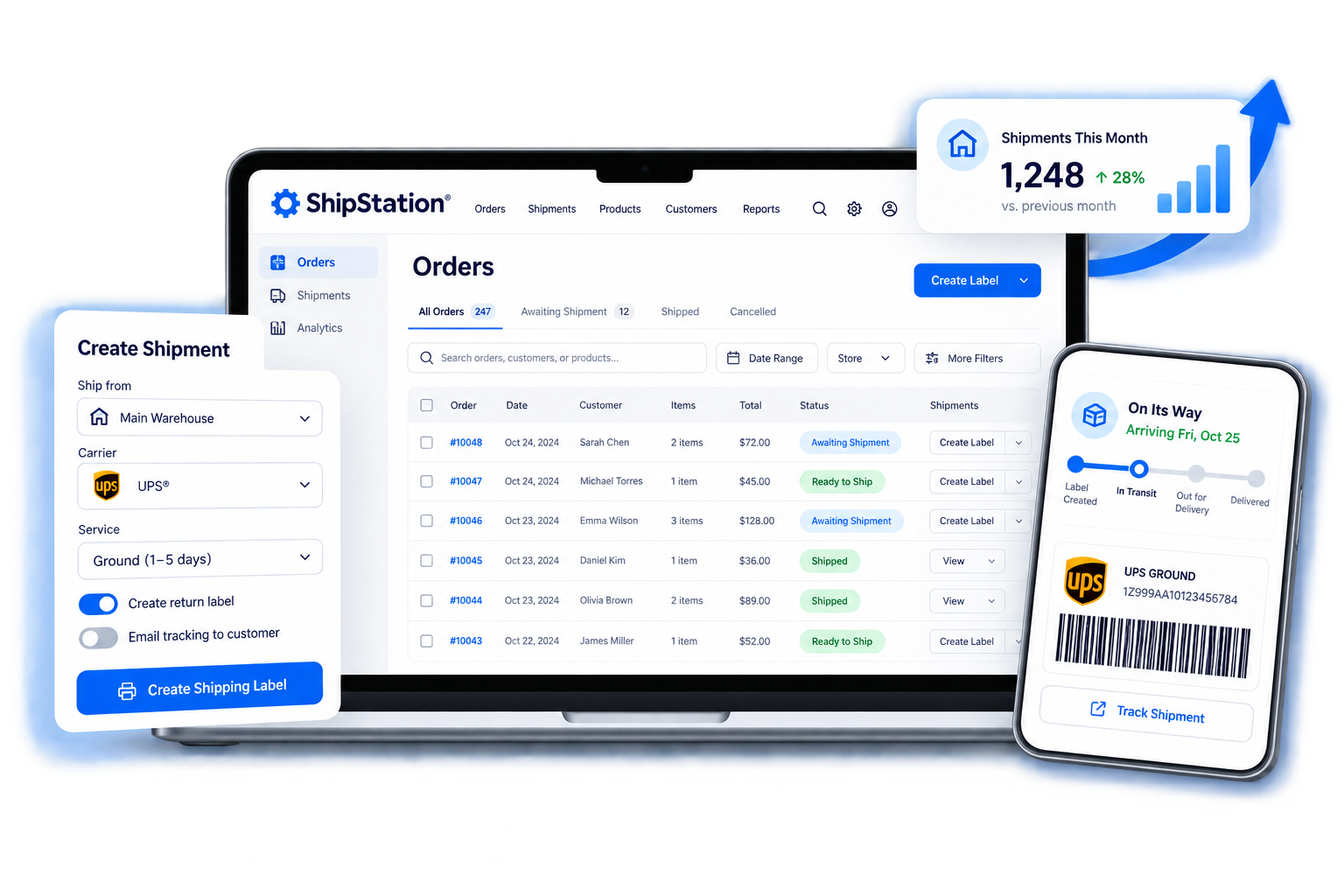
Shipping becomes harder to manage when orders arrive from several storefronts or marketplaces and staff have to switch between systems to decide what ships next. Before adding automation, define which order sources should feed the workflow, how priorities are set, and what information the fulfillment team needs at the point of shipment.
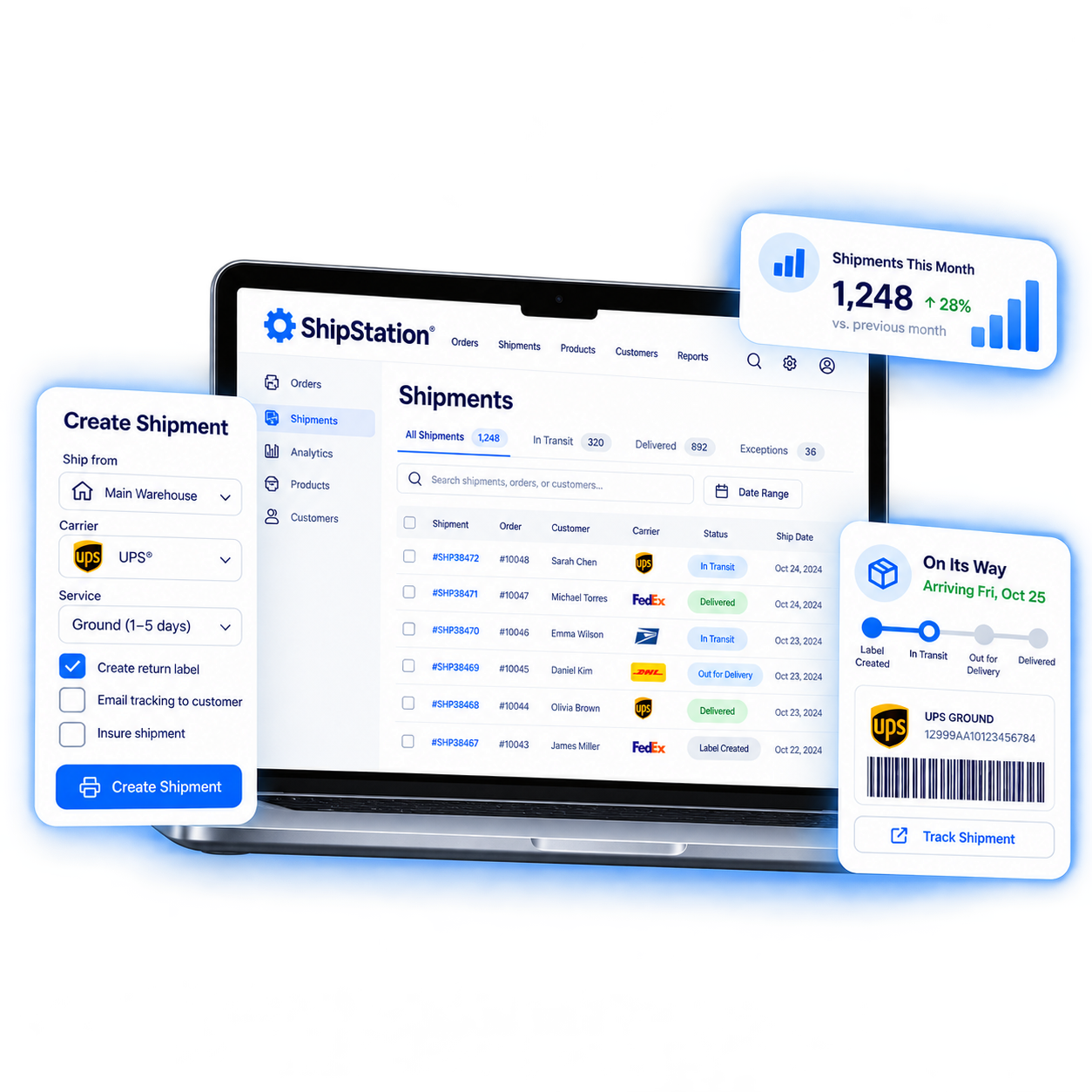
ShipStation can consolidate orders from connected selling channels and organize them with filters, tags, stores, and other order-management tools. When ShipStation is part of the approved stack, we can help coordinate app setup, ecommerce connections, and the surrounding store configuration so the fulfillment workflow reflects how the business actually operates. Exact integration behavior requires technical verification.
Automate the Repetitive Steps Without Losing the Exceptions
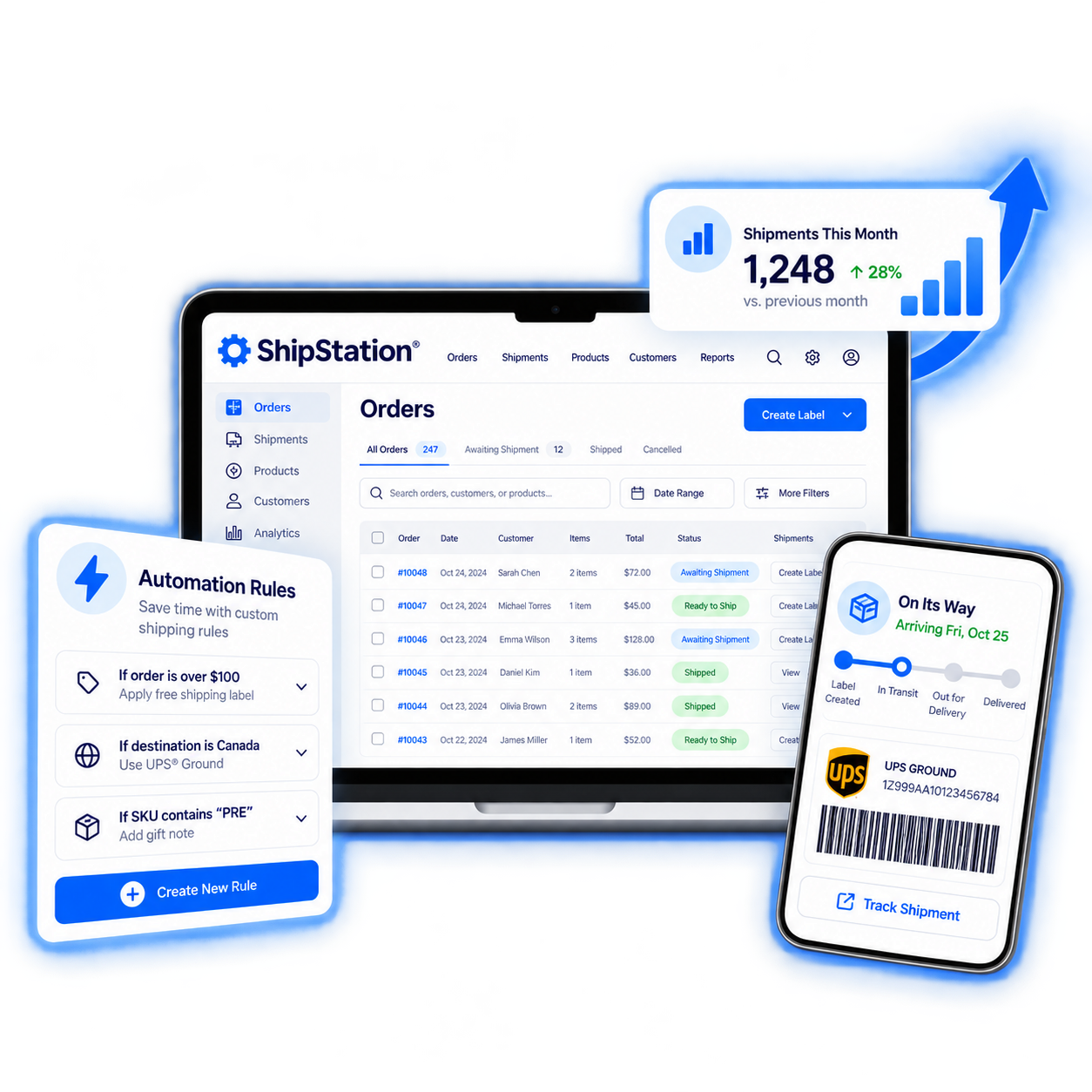
A fulfillment rule is useful only when the team can explain why it exists and which orders should bypass it. Repetitive decisions such as service selection, warehouse assignment, tags, packing slips, or batch processing can be good candidates for automation, while unusual products, destinations, or service promises may still need human review.
ShipStation supports automation rules, rate shopping, routing, batch label creation, product defaults, and service mapping between checkout choices and shipping services. We can help document the intended workflow, coordinate supported configuration changes, and test the ecommerce-side behavior within scope. Warehouse logic, carrier requirements, and other technical assumptions should be validated against the live operation.
ShipStation Work We Can Support
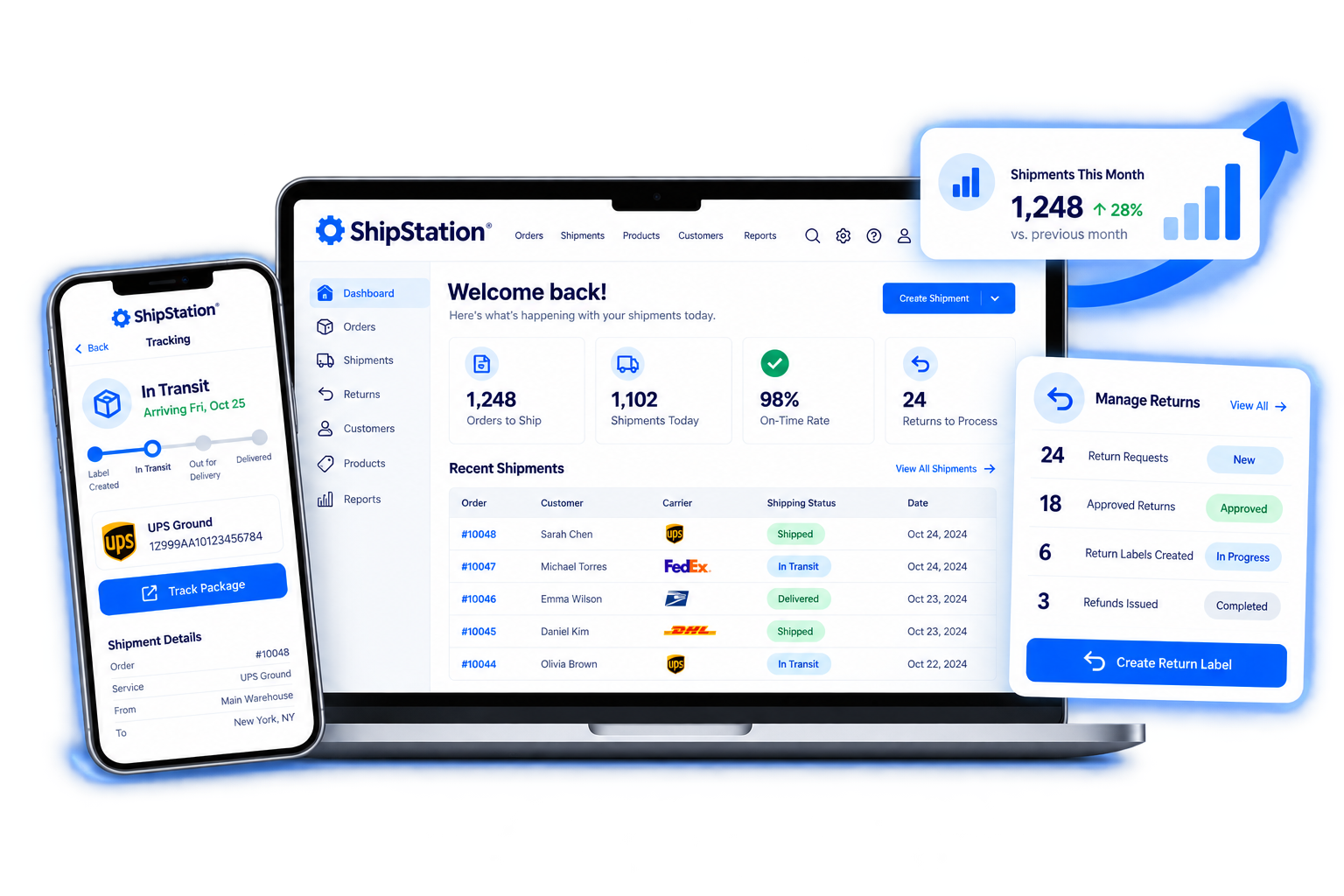
Support can focus on the ecommerce connections and operational issues around ShipStation rather than assuming the entire fulfillment stack needs to be rebuilt.
1
App Setup & Store Connections
Install or coordinate ShipStation with supported ecommerce stores and marketplaces, with account access, data flow, and connection behavior verified for the specific environment.
2
Workflow & Automation Review
Review the existing workflow and identify where order rules, service mappings, or defaults may be contributing to unnecessary manual work or inconsistent handling.
3
Troubleshooting & QA
Investigate connection, order-flow, or shipping-setup issues and coordinate fixes within approved scope, with carrier or vendor-side limitations separated from store-side problems.
4
Storefront & Data Coordination
Coordinate product, checkout, order, or customer-data changes when they affect the fulfillment workflow, with custom integration work scoped and technically reviewed.
Decide What ShipStation Should Own in the Operations Stack
ShipStation now spans more than label printing. Its current product set includes order, inventory, warehouse, tracking, returns, and shipping automation, which makes ownership decisions more important as the stack grows.
1
Order & Shipping Execution
Use ShipStation as the fulfillment workspace only where order import, carrier choice, label creation, and shipment status belong together for the team that ships orders.
2
Inventory & Warehouse Role
Decide whether ShipStation should manage inventory or warehouse workflows, or whether those responsibilities already belong in the ecommerce platform, ERP, WMS, or another system.
3
Tracking & Returns
Keep customer-facing tracking and returns aligned with the storefront and support process so post-purchase communication does not become disconnected from the systems customers use.
4
Integrations & Custom Connections
Map the systems that exchange order, inventory, shipping, or tracking data before adding another connection. API or custom integration feasibility requires Development review.
ShipStation FAQs
Yes. Work can focus on app setup, ecommerce integration, troubleshooting, technical review, or related store changes without rebuilding the entire fulfillment workflow. The exact scope depends on the current environment and the problem that needs attention.
They solve different parts of the shipping journey. ShipperHQ is primarily used to control shipping rates and options presented at checkout, while ShipStation is primarily used to manage orders, carrier and label workflows, automation, tracking, and fulfillment after the order arrives. Some needs can overlap, so the right stack depends on the operating model.
Yes. ShipStation supports automation rules and other tools for repetitive shipping decisions. The useful setup starts with documented business rules and exceptions, then verifies that carrier, warehouse, product, and service assumptions behave correctly in the live environment.
Yes. ShipStation is built to consolidate orders from connected stores and marketplaces into one workflow. The exact connection, supported data, and account behavior should still be verified for each selling channel.
Not automatically. ShipStation includes inventory and warehouse capabilities, but the right system of record depends on how stock, purchasing, locations, and fulfillment are already managed across the ecommerce platform and other operational systems.

 USA
USA
 Philippines


