













































Shogun
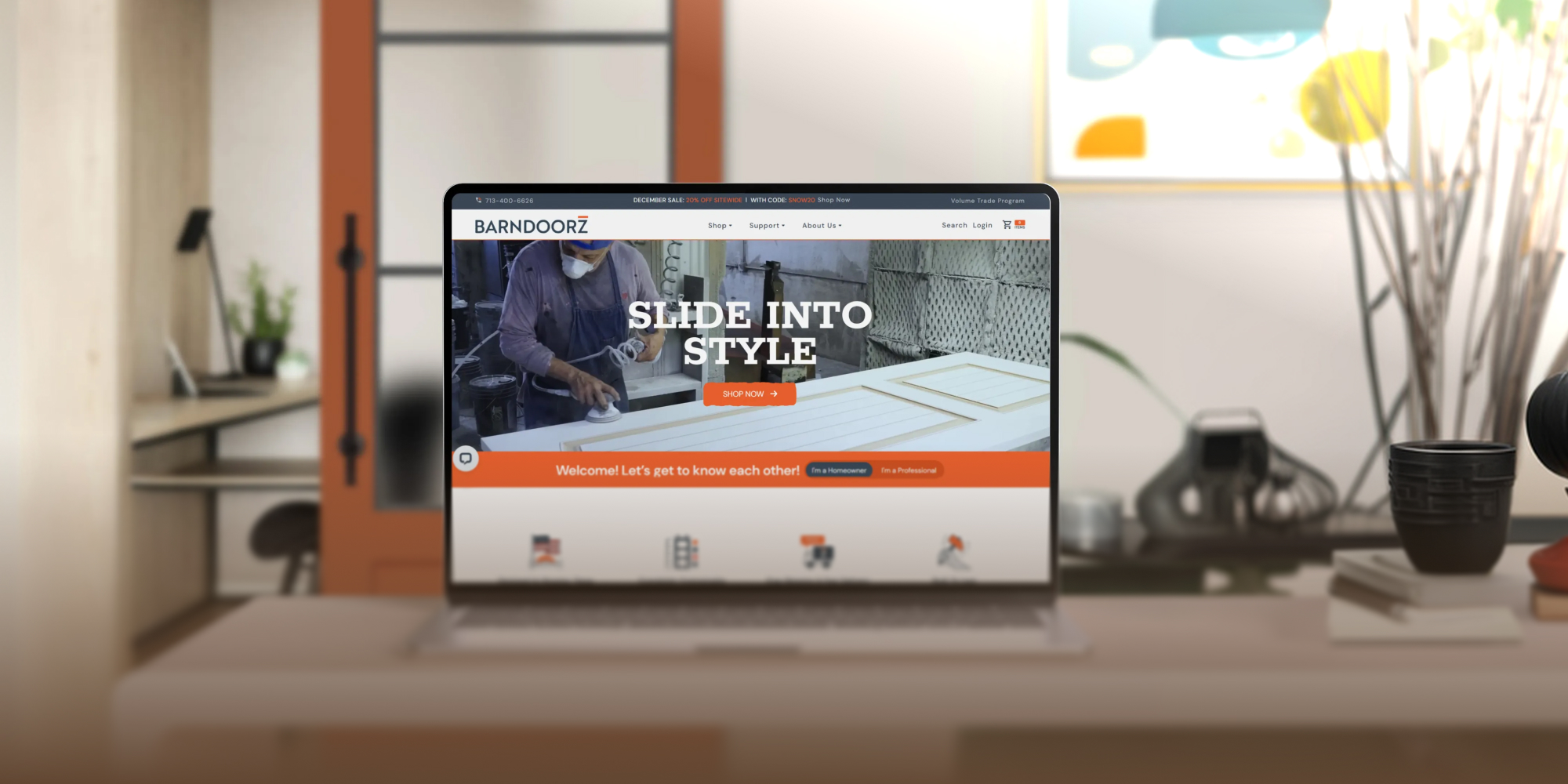
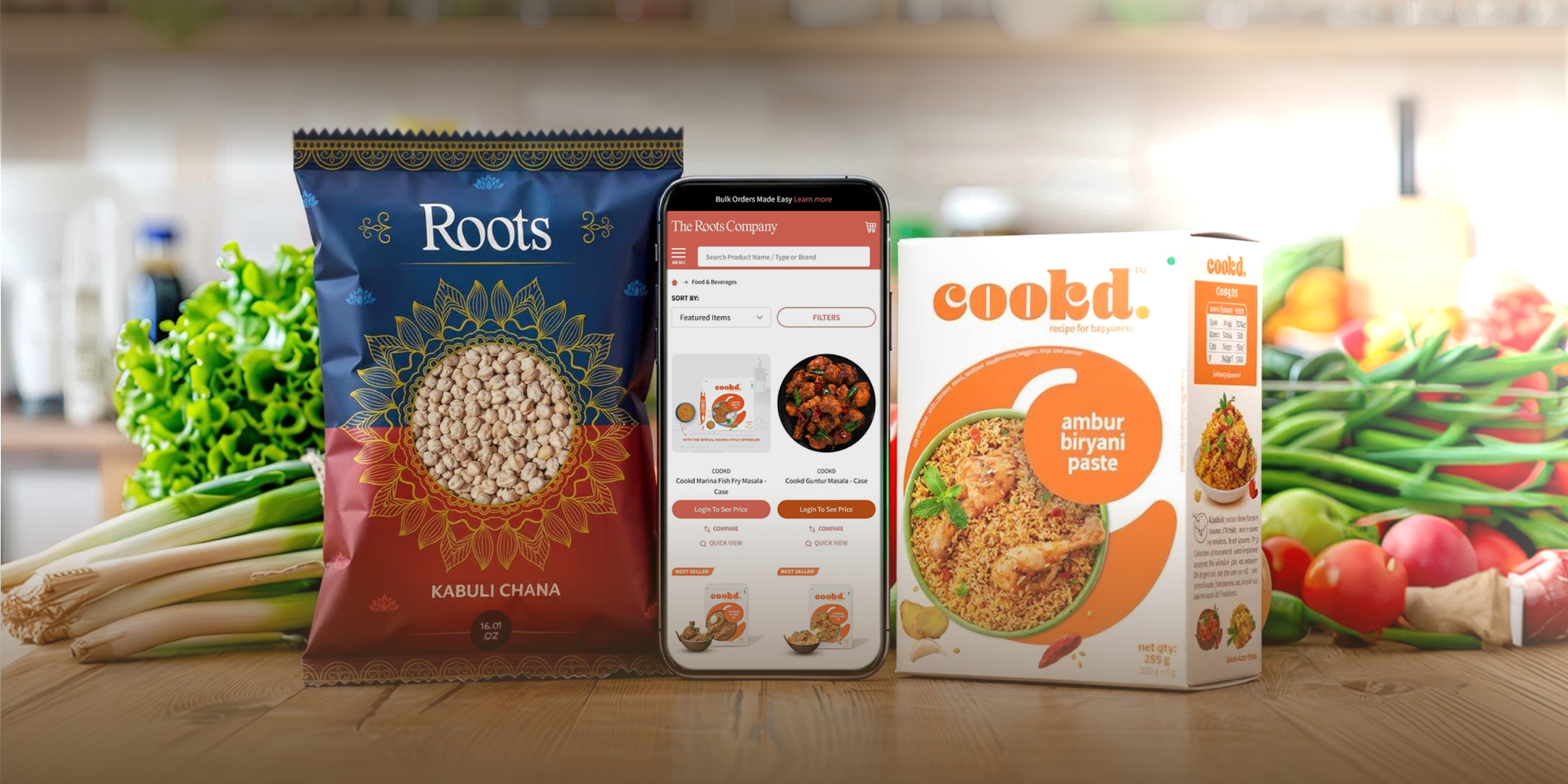
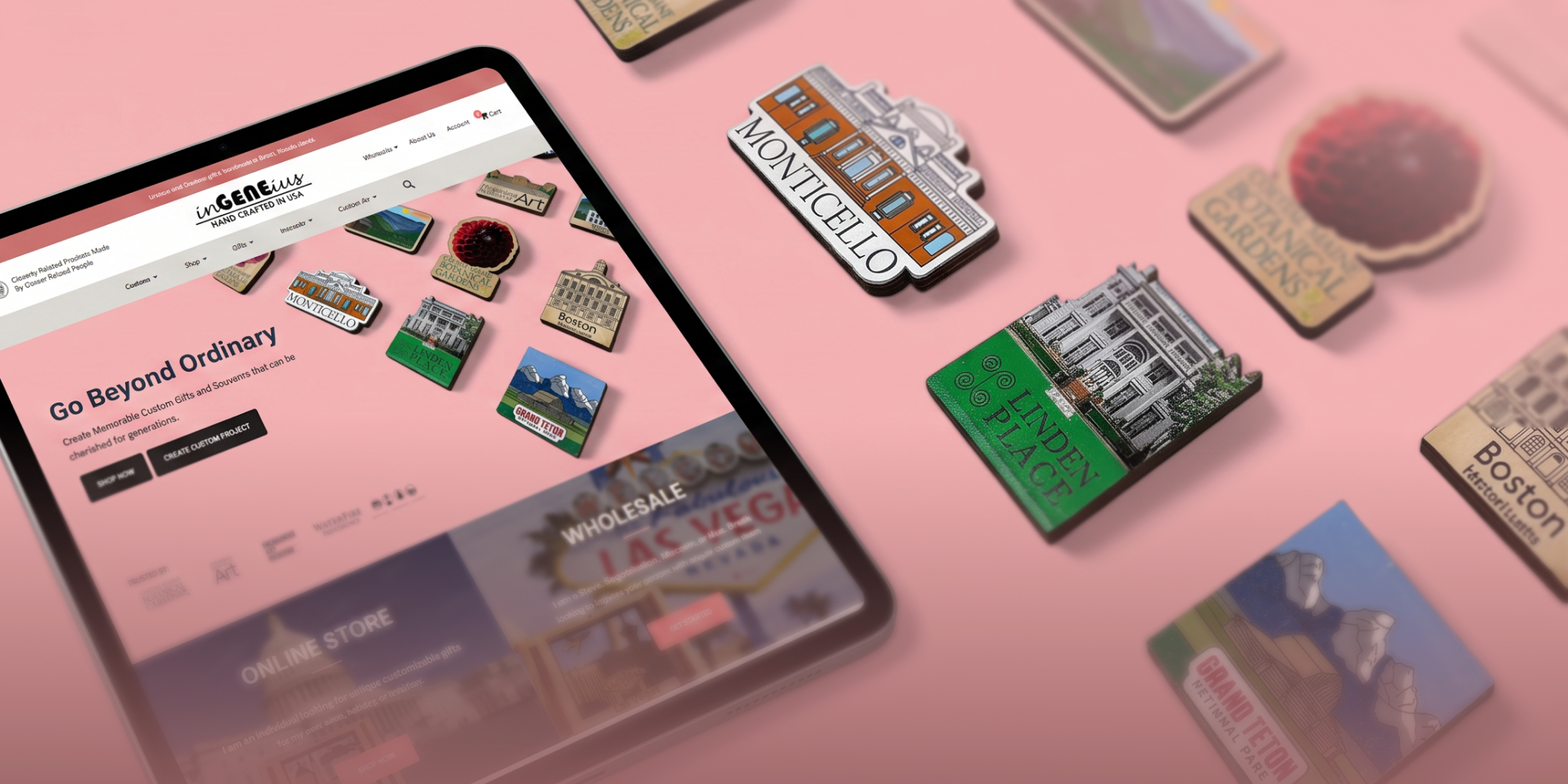
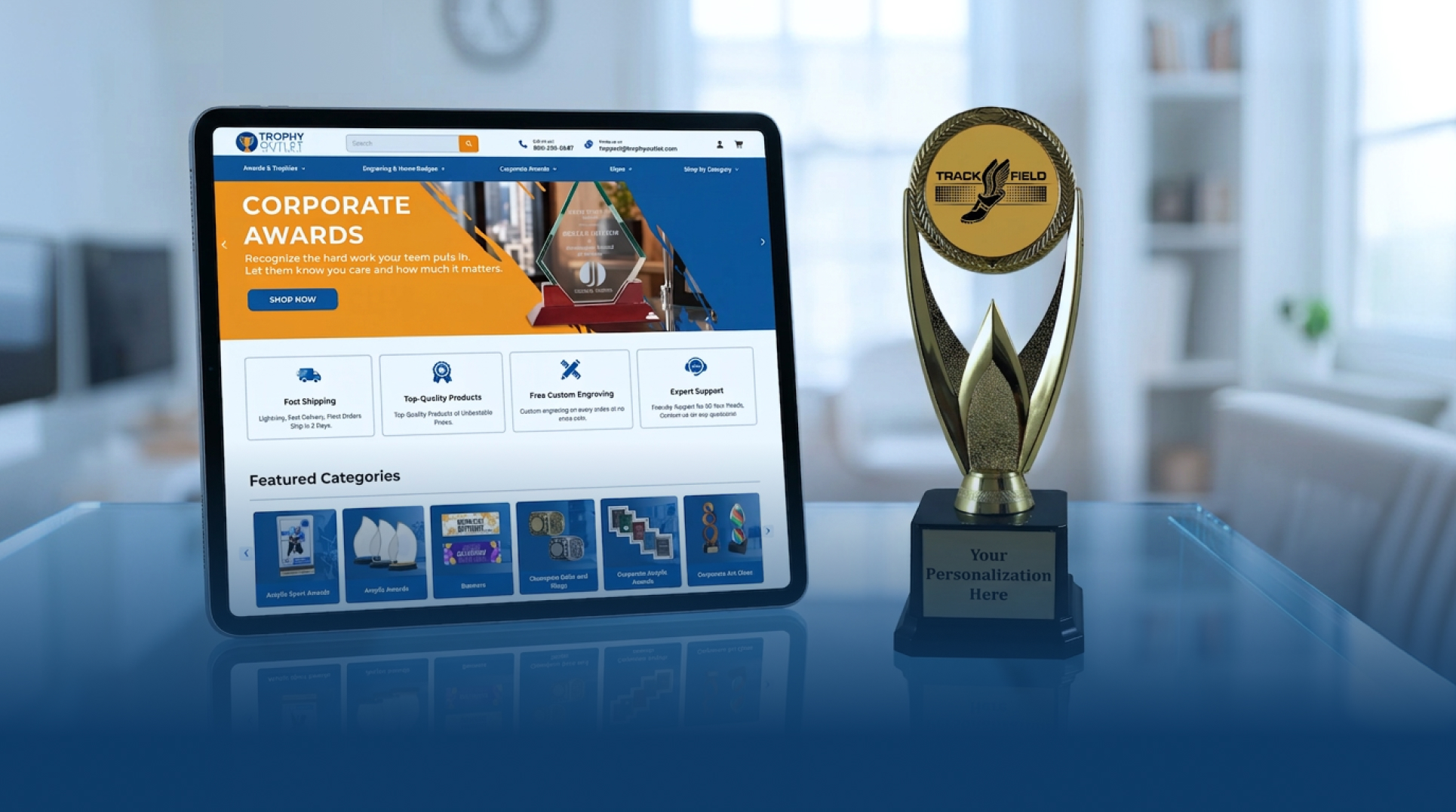
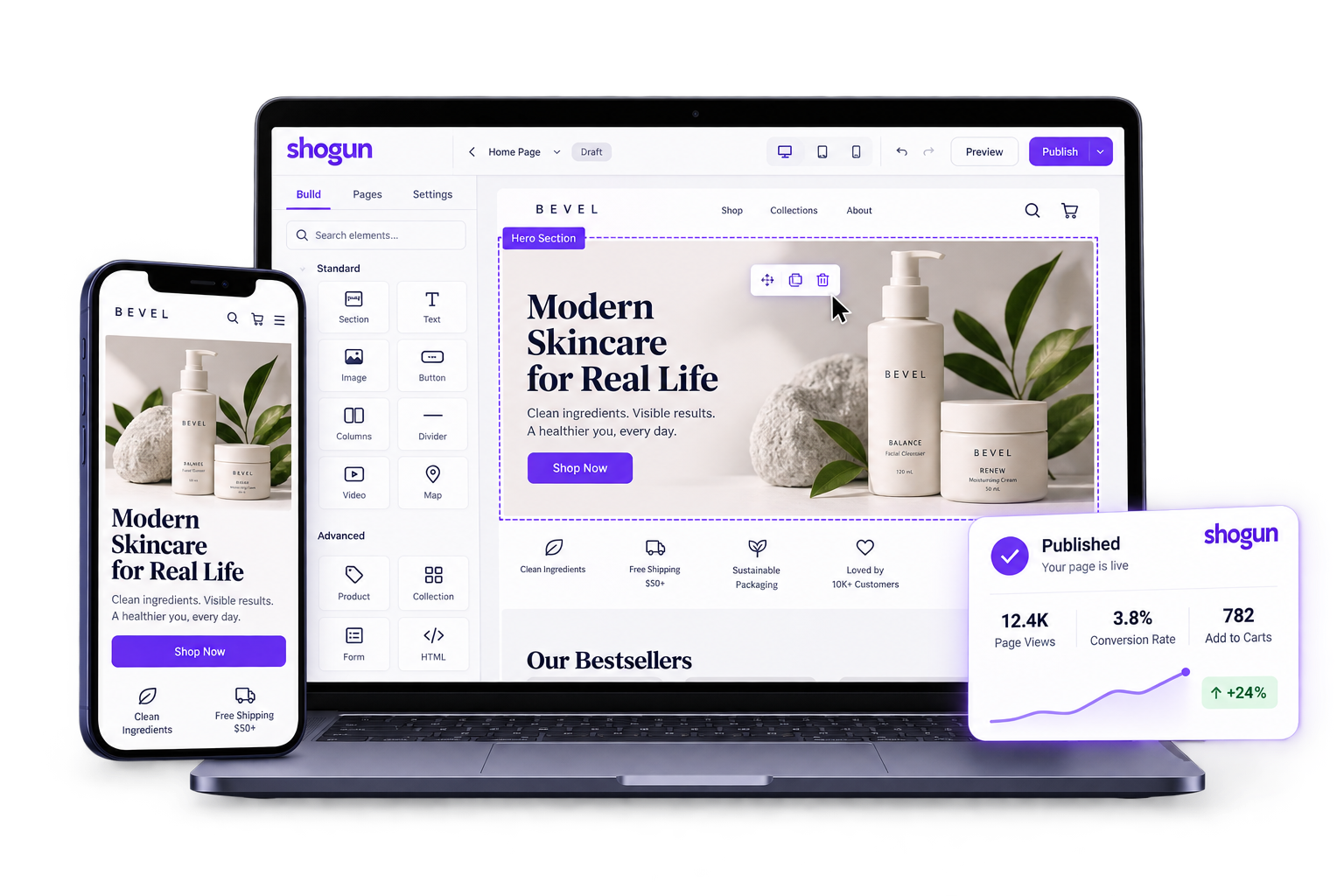
Build and optimize ecommerce landing pages, product experiences, and campaign content without turning every change into a development project. Always Open Commerce helps teams use Shogun for page building, reusable content, experimentation, personalization, and storefront QA.
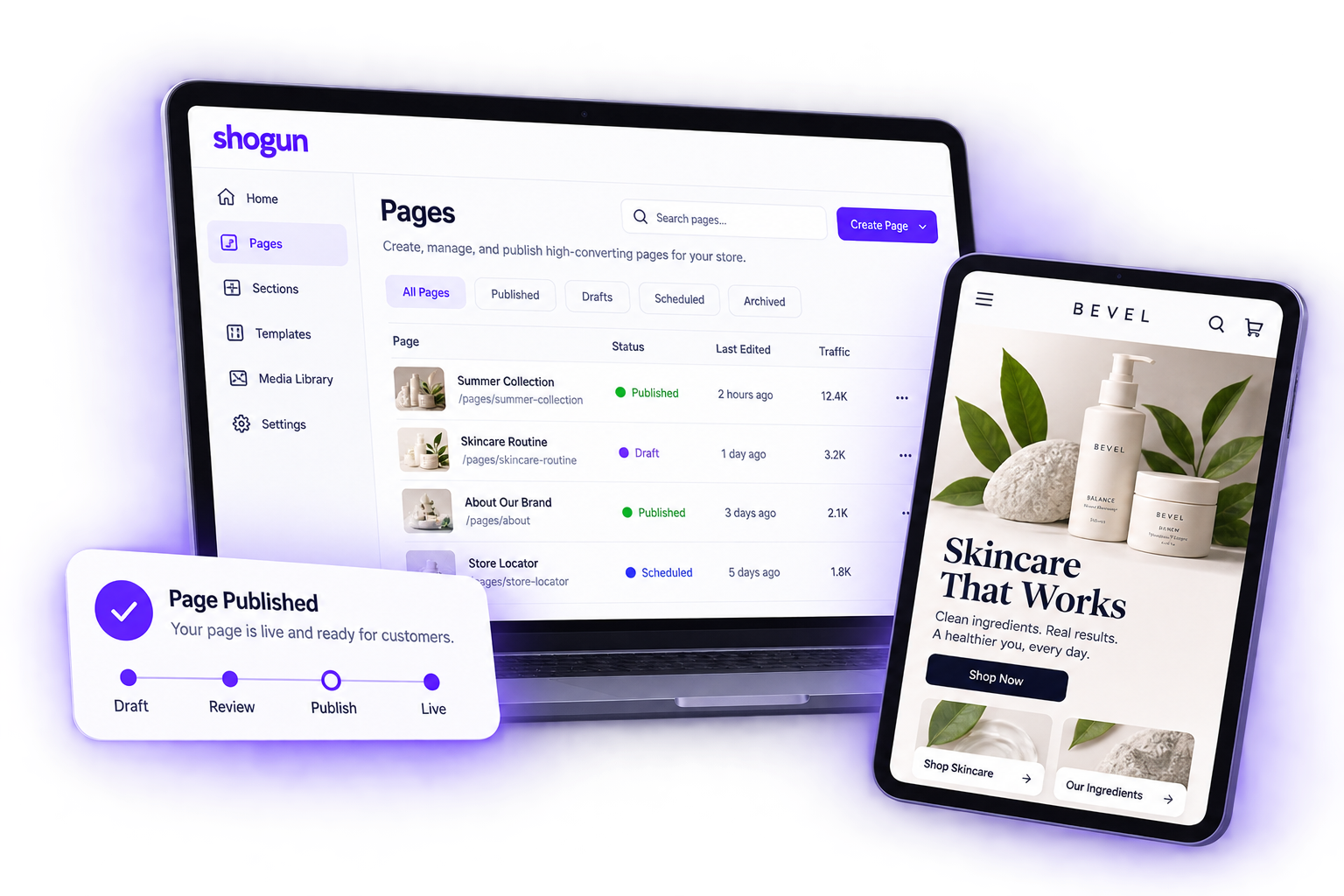
Give Marketing More Publishing Control Without Rebuilding the Theme
Shogun can give ecommerce teams a visual way to build landing pages, product experiences, campaign pages, and other storefront content without making every change a theme-development project. The useful boundary is deciding which experiences benefit from that publishing flexibility and which should remain part of the core theme.
Always Open Commerce can help organize reusable content, page structures, design requirements, and theme responsibilities so greater publishing control does not create a second storefront system that is difficult to maintain.
Build the Measurement Plan Before Testing or Personalizing
A/B testing and personalization are more useful when the team already knows what question it is trying to answer, which audience or experience is changing, and how success will be evaluated.
Before launching experiments or targeted experiences, define the hypothesis, page or component, audience, analytics source, and decision rule. CRO interpretation remains with the appropriate specialist rather than the testing tool itself. Exact product availability and implementation options should be verified for the platform and account in use.

Shogun Work We Can Support
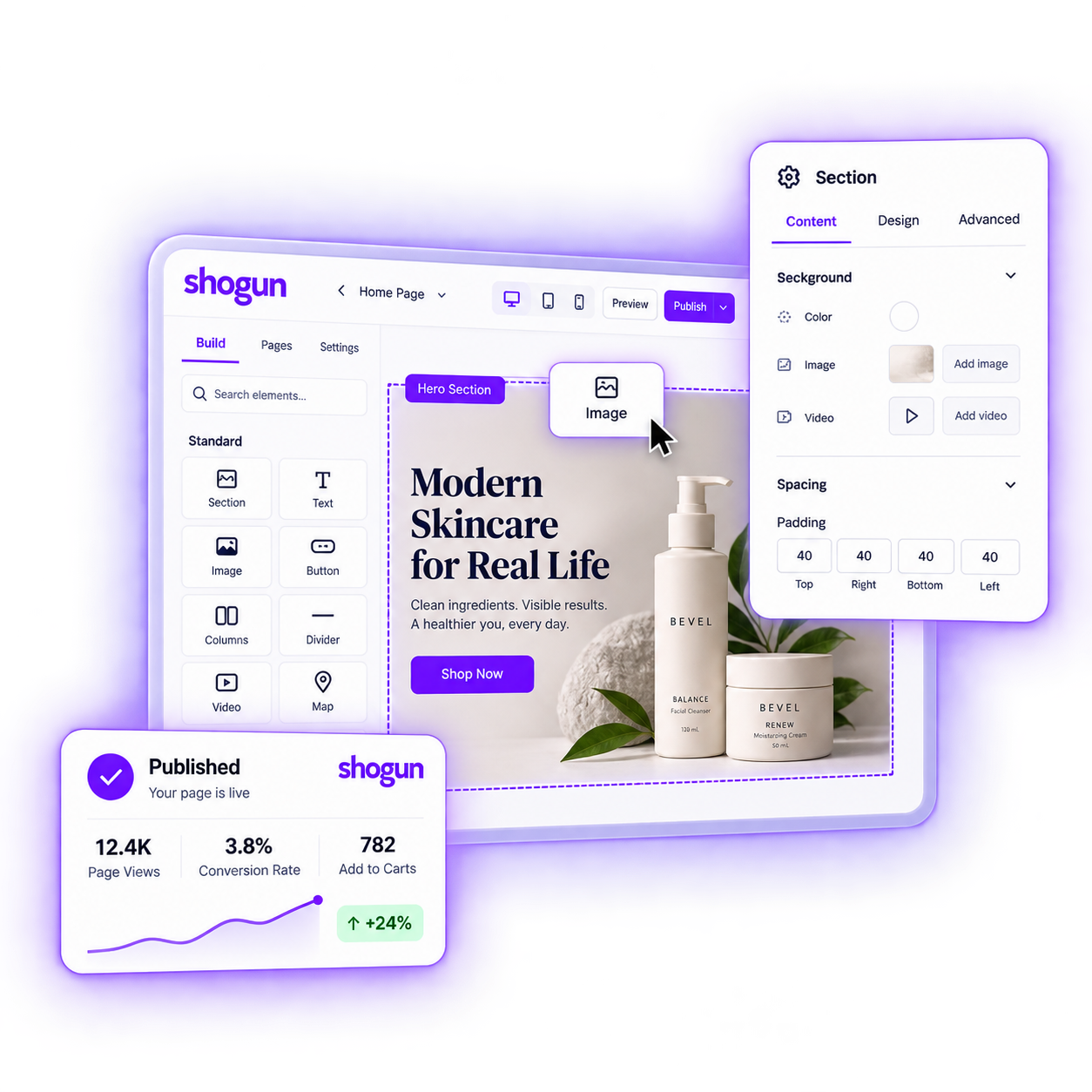
Support can focus on an existing Shogun setup, a new page-building workflow, or a storefront experience that needs clearer design, reusable content, testing, personalization, or technical coordination.
1
Landing Pages & Campaign Experiences
Plan, design, build, or refine landing pages and campaign experiences around approved offers, traffic sources, product launches, seasonal activity, and customer journeys while keeping each page connected to the broader storefront.
2
Reusable Templates & Components
Create or improve reusable page structures, branded sections, content modules, and approved custom elements so teams can publish consistently without rebuilding common patterns for every campaign or product experience.
3
Experimentation & Personalization Coordination
Use Shogun’s testing and personalization products where they fit the approved CRO strategy. Define the hypothesis, audience, page experience, measurement approach, and decision criteria before treating a variant as a permanent storefront change.
4
Troubleshooting, QA & Maintenance
Investigate layout issues, responsive behavior, theme interactions, content inconsistencies, publishing problems, or related storefront concerns, then coordinate approved fixes and validation. Technical feasibility requires development review where needed.
Keep Shogun Connected to Product Data, Analytics, and the Storefront
Shogun works best when its page-building, testing, and personalization responsibilities stay connected to the systems that still own products, commerce behavior, and measurement.
1
Product & Collection Data
Define which product and collection information Shogun needs to display without creating competing catalog ownership.
2
Theme & Reusable Content
Decide which content should be reusable in Shogun and which belongs in the ecommerce theme or native content system.
3
Analytics & Experiment Data
Connect page, test, and personalization decisions to the approved analytics and CRO workflow rather than evaluating results in isolation.
4
Platform & Integration Fit
Confirm the ecommerce environment, theme behavior, integrations, and custom requirements before major implementation work is committed.

Shogun FAQs
Shogun supports visual page building, reusable content, A/B testing, and personalization for ecommerce storefront experiences. The right mix depends on the publishing workflow, customer journey, analytics plan, and the responsibilities that should remain in the theme or ecommerce platform.
Shogun supports Page Builder use cases across Shopify and BigCommerce, while testing and personalization availability can vary by product and platform. Exact feature scope and implementation options should be confirmed for the ecommerce platform and account being evaluated.
Yes. Always Open Commerce can support UX/UI Design, Landing Pages, CRO, A/B Testing, App Setup, Custom Development, troubleshooting, QA, and related storefront work where Shogun fits the approved scope.
Not necessarily. The right split depends on the ecommerce platform, theme architecture, publishing workflow, campaign needs, reusable components, and development requirements. A maintainable setup keeps each page type and system responsibility clear instead of moving everything into one editor.
No. Shogun can extend how teams build, test, and personalize storefront experiences, but the ecommerce platform and theme still own core commerce and storefront responsibilities. The exact boundary should be reviewed before major changes or custom development are committed.

 USA
USA
 Philippines


