




















































Shopify Plus
The case for Shopify Plus should come from operating requirements, not company size alone. Before an upgrade becomes the plan, Always Open Commerce helps map the channel, market, buyer, checkout, automation, and systems needs that actually need to be solved.
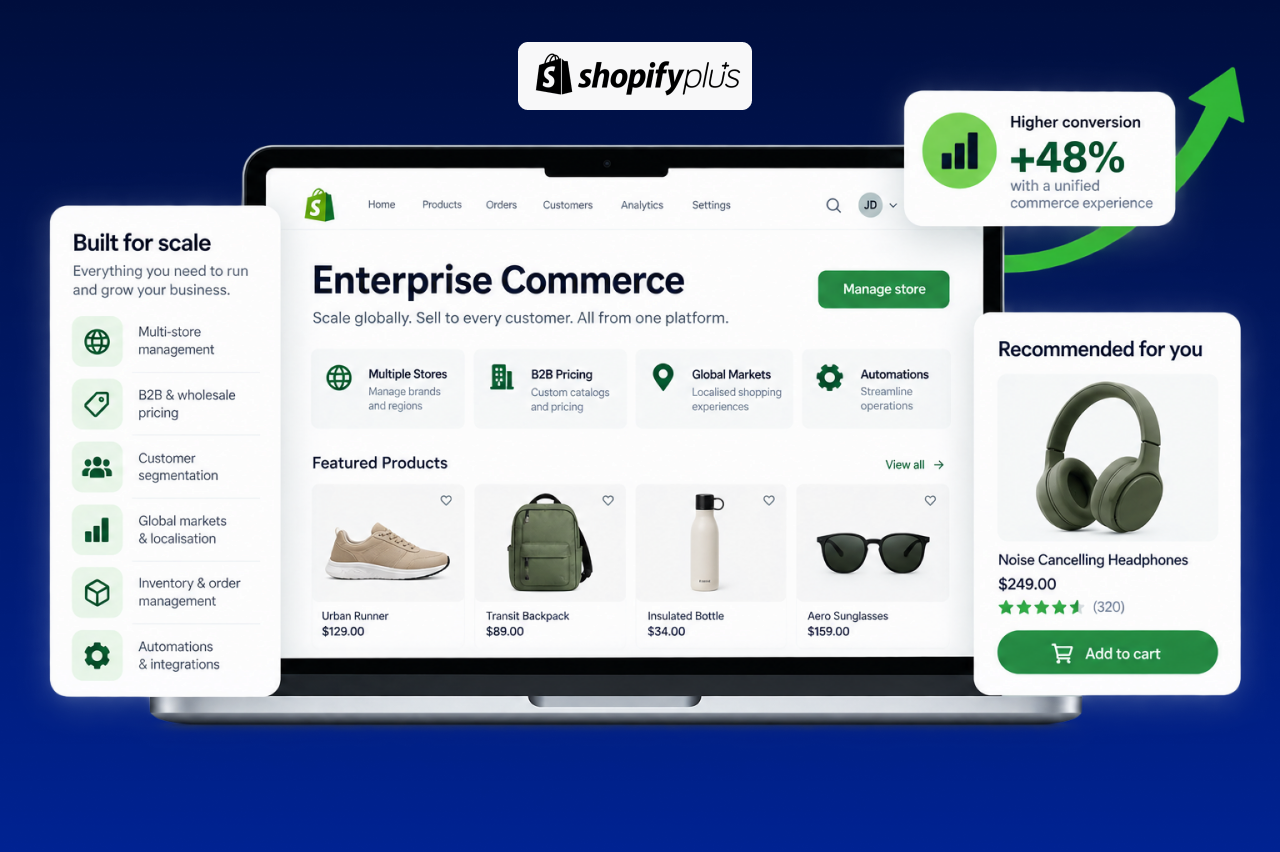
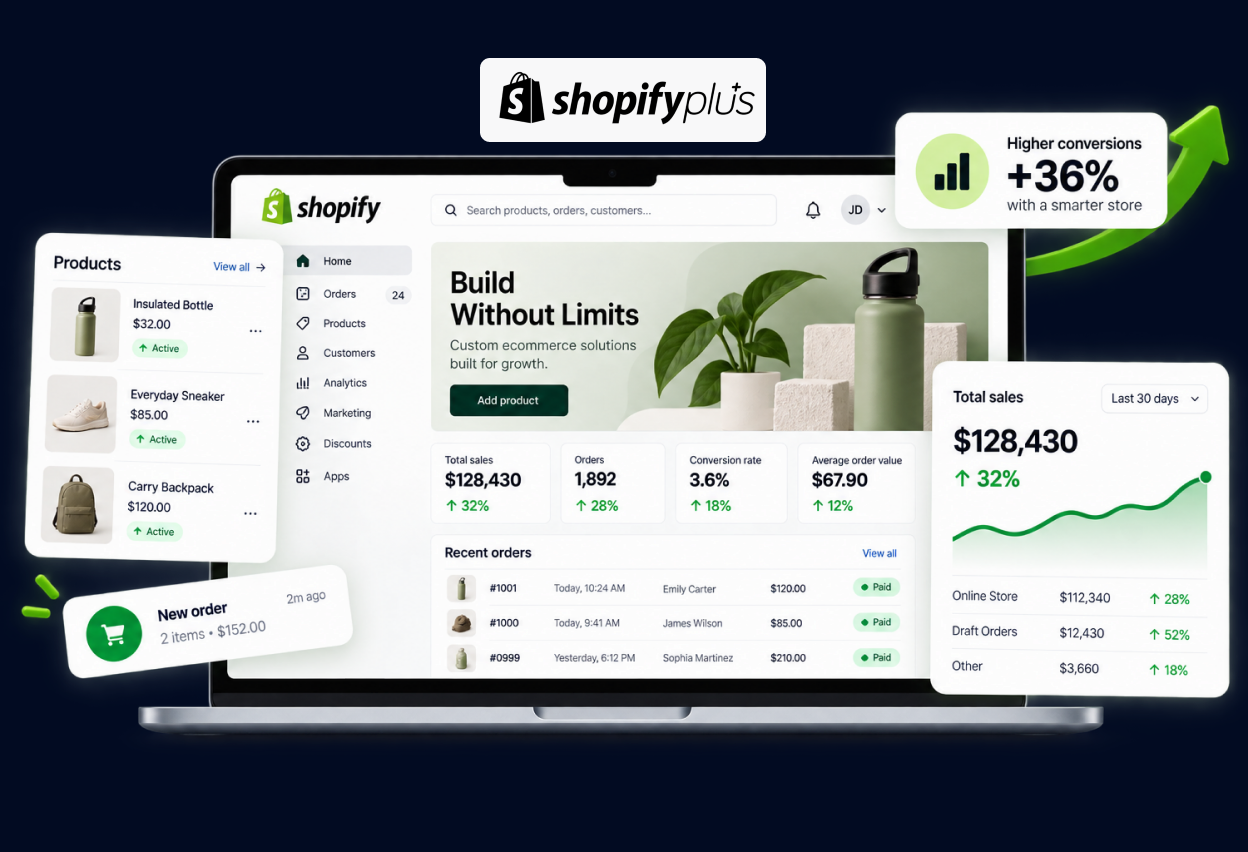
Use Plus to Solve an Operating Constraint
Moving to Shopify Plus should solve a defined business or operating constraint, not simply mark that the company has reached a certain size. The useful comparison starts with the requirements that now matter across B2B, international selling, retail, checkout, integrations, automation, and the way multiple stores or teams are managed.
We separate capabilities that genuinely depend on Plus from work that can be solved through better storefront architecture, apps, data, development, or operating processes. That keeps the plan decision tied to a real requirement instead of treating the upgrade itself as the strategy.
Decide What Should Be Unified Across the Business
Shopify Plus can bring DTC, B2B, retail, international selling, and connected systems into a more unified commerce operation. That does not mean every customer, market, store, or workflow should be managed identically.
Our team maps what should be shared and what must remain distinct: catalogs, pricing, inventory, markets, buyer journeys, fulfillment, permissions, integrations, and internal ownership. The goal is a structure that reduces duplicated work without forcing different parts of the business into the same operating model.
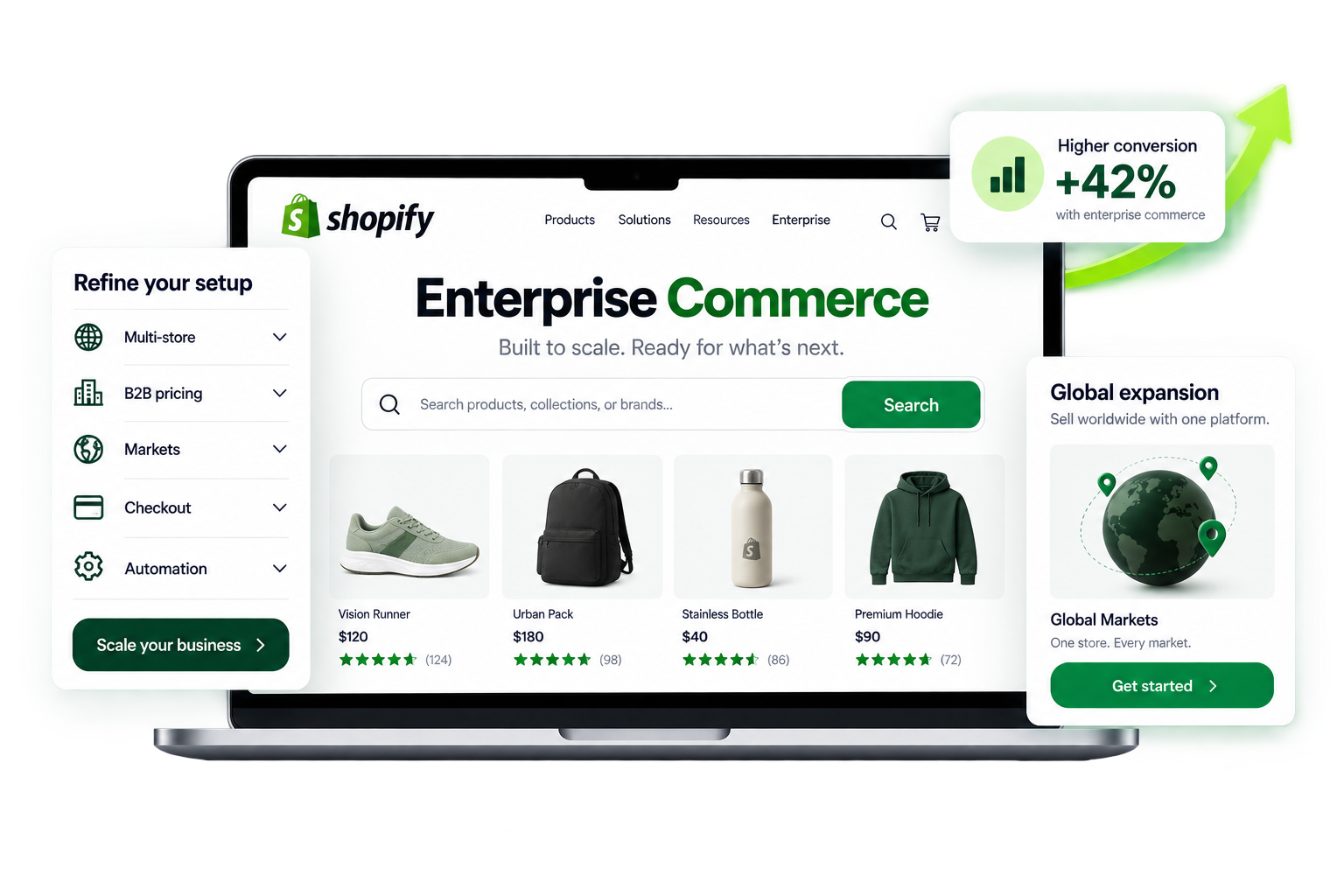
Use Plus Extensibility Where It Changes the Business
Plus creates more room to extend how Shopify fits into the business. The value comes from using that flexibility where it removes a meaningful constraint, not from customizing every part of the platform simply because more options are available.

1
Checkout & Accounts
Define checkout and account requirements from the customer journey and business rules first, then use the current Plus capabilities that are appropriate for the approved experience.
2
Automation & Workflows
Use automation where repeatable operational work is creating friction across stores, campaigns, inventory, customer activity, or internal handoffs. The workflow should be defined before the tool is configured.
3
Systems & Integrations
Plan ERP, PIM, CRM, fulfillment, retail, subscription, and other approved connections around system ownership and required data movement. Technical feasibility is reviewed before implementation commitments.
4
Storefront Architecture
Theme-based and headless approaches remain options on Plus. Choose the storefront architecture from experience, content, integration, and ownership needs rather than assuming an enterprise plan requires a more complex front end.
Keep Expansion Manageable as Commerce Gets More Complex
The strongest reason for a separate Plus plan is often not one feature. It is the need to coordinate more parts of commerce without creating a separate operational stack for every new channel, market, or buyer group.
1
International Operations
Define which markets need different products, pricing, content, domains, currencies, or operating rules before expanding the configuration.
2
B2B Buying Models
Map wholesale buyers, company structures, catalogs, pricing, payment terms, permissions, and sales workflows before deciding how B2B should share or separate from DTC.
3
Retail & Omnichannel
When stores also sell in person, plan customer, inventory, fulfillment, returns, and reporting requirements across online and retail rather than treating POS as a disconnected channel.
4
Ongoing Improvement
Always Open Commerce can continue with approved development, UX/UI, integrations, catalog work, CRO, SEO/GEO, retention, troubleshooting, and maintenance as the Plus environment evolves.
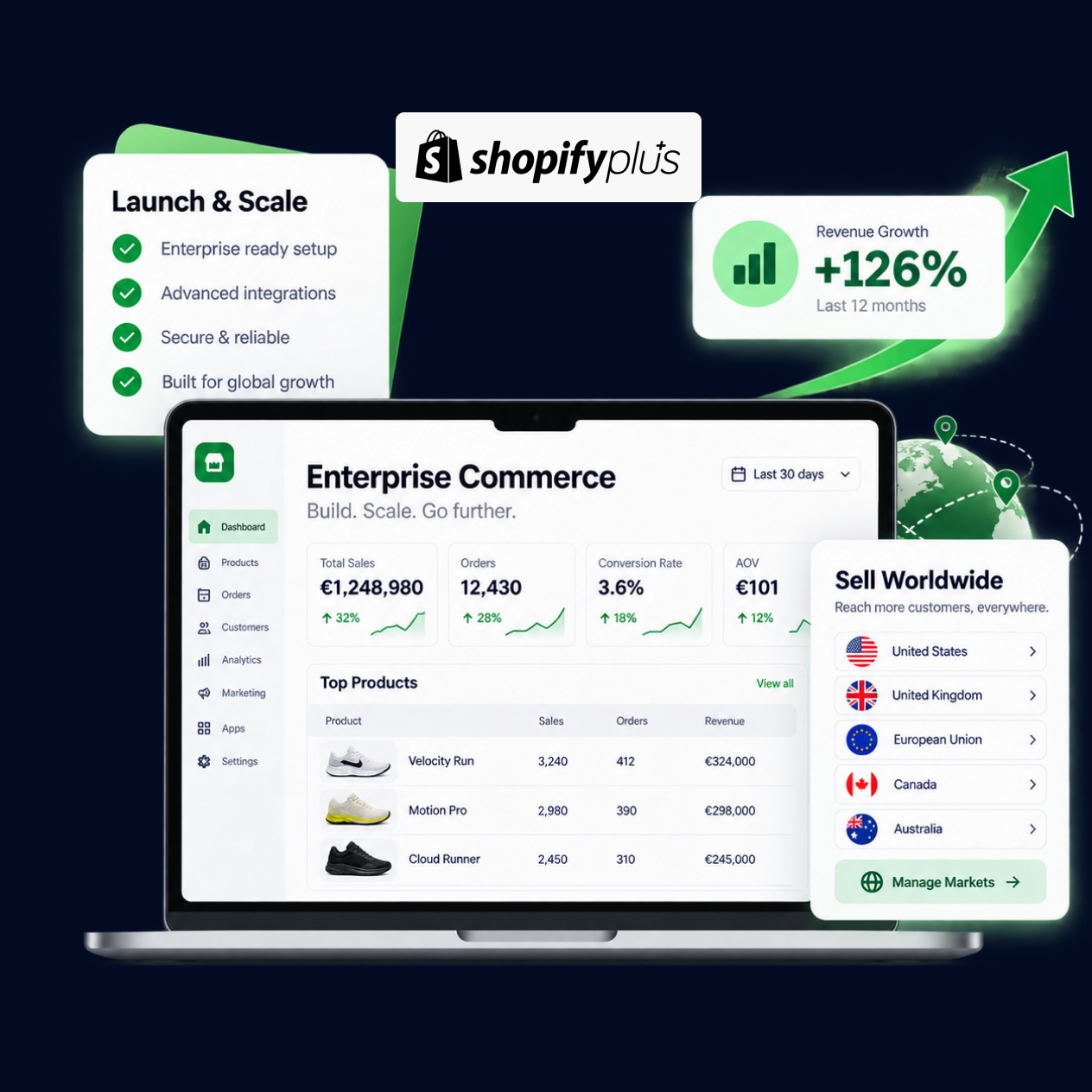
Shopify Plus Experience in Practice
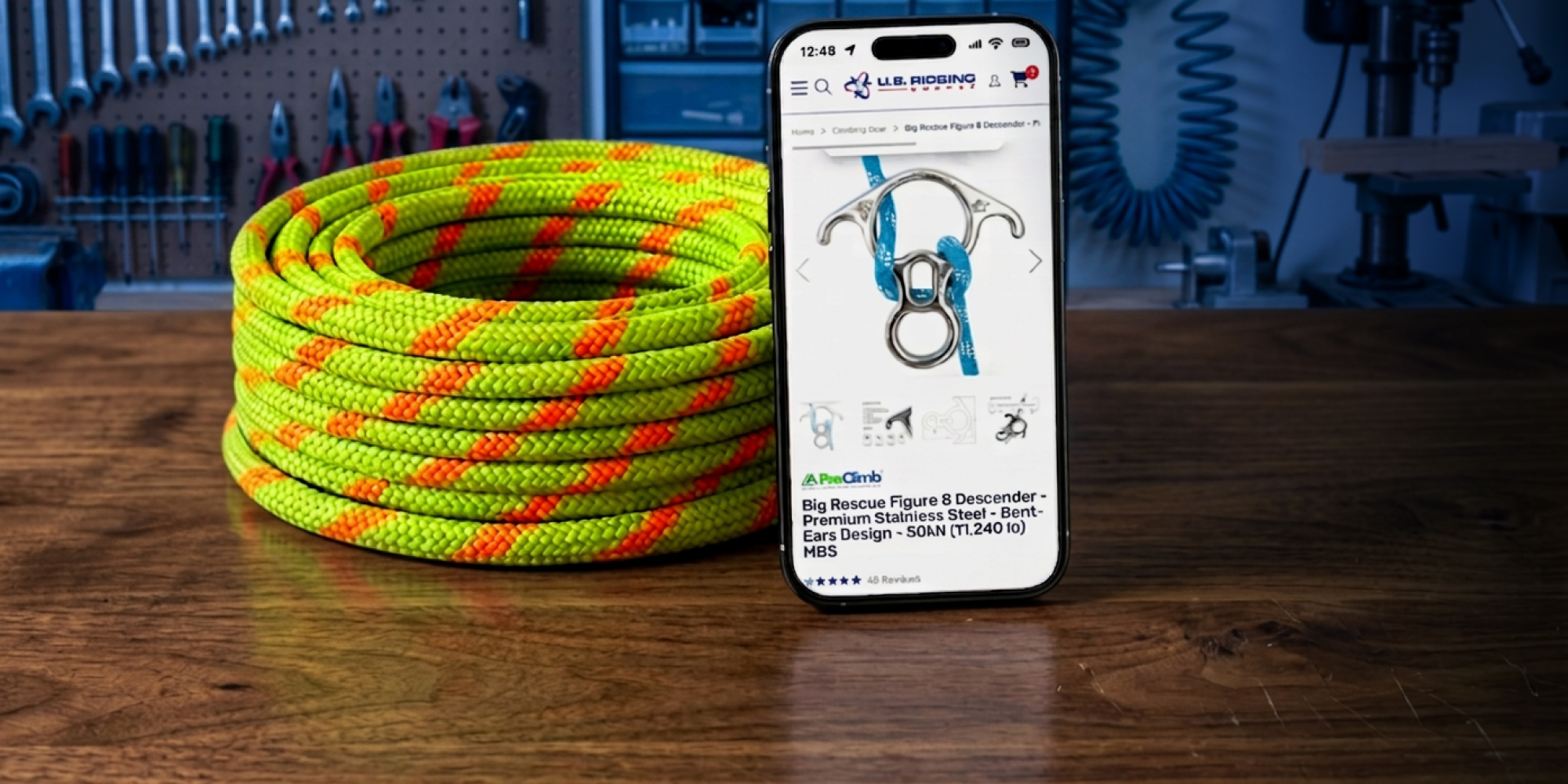

Migration
Scaling Safety Gear Sales With A Shopify Plus Migration Built For Growth
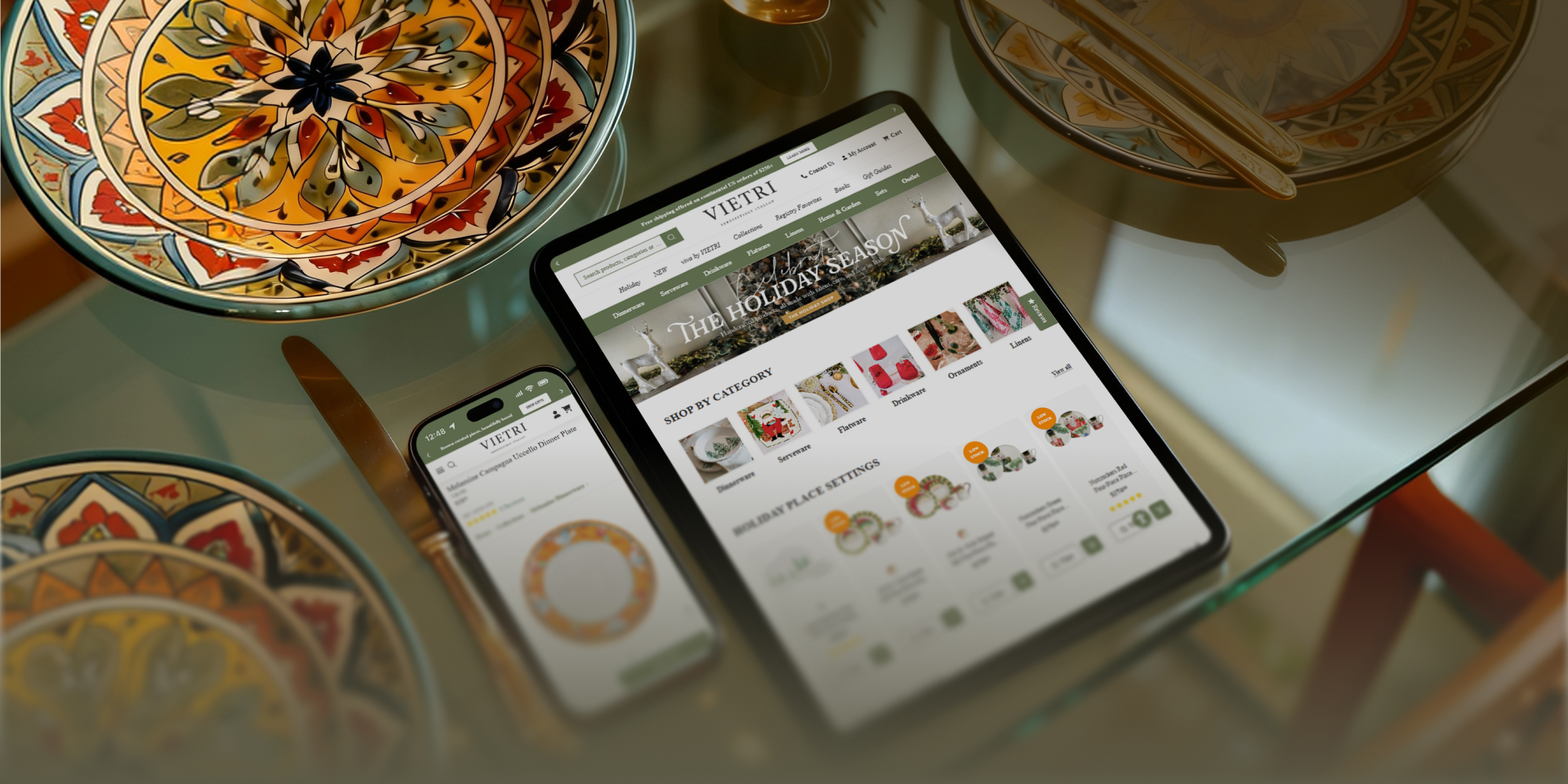

Monthly
How a Luxury Tableware Brand Elevated Their Digital Growth After Leaving a Large U.S. Agency
Shopify Plus FAQs
Moving to Shopify Plus should solve a defined business or operating constraint, not simply mark that the company has reached a certain size. The useful comparison starts with the requirements that now matter across B2B, international selling, retail, checkout, integrations, automation, and the way multiple stores or teams are managed.
The case for Shopify Plus should come from operating requirements, not company size alone. Before an upgrade becomes the plan, Always Open Commerce helps map the channel, market, buyer, checkout, automation, and systems needs that actually need to be solved.
Shopify Plus can bring DTC, B2B, retail, international selling, and connected systems into a more unified commerce operation. That does not mean every customer, market, store, or workflow should be managed identically.
Define checkout and account requirements from the customer journey and business rules first, then use the current Plus capabilities that are appropriate for the approved experience.

 USA
 Philippines


