












































Zakeke
Build customizable product experiences without separating the shopper-facing configuration from the operational work behind it. Always Open Commerce helps ecommerce teams plan, implement, refine, and troubleshoot Zakeke across product customization, 3D configuration, catalog data, production workflows, and storefront UX.

Start With Product Rules Before the Visual Experience
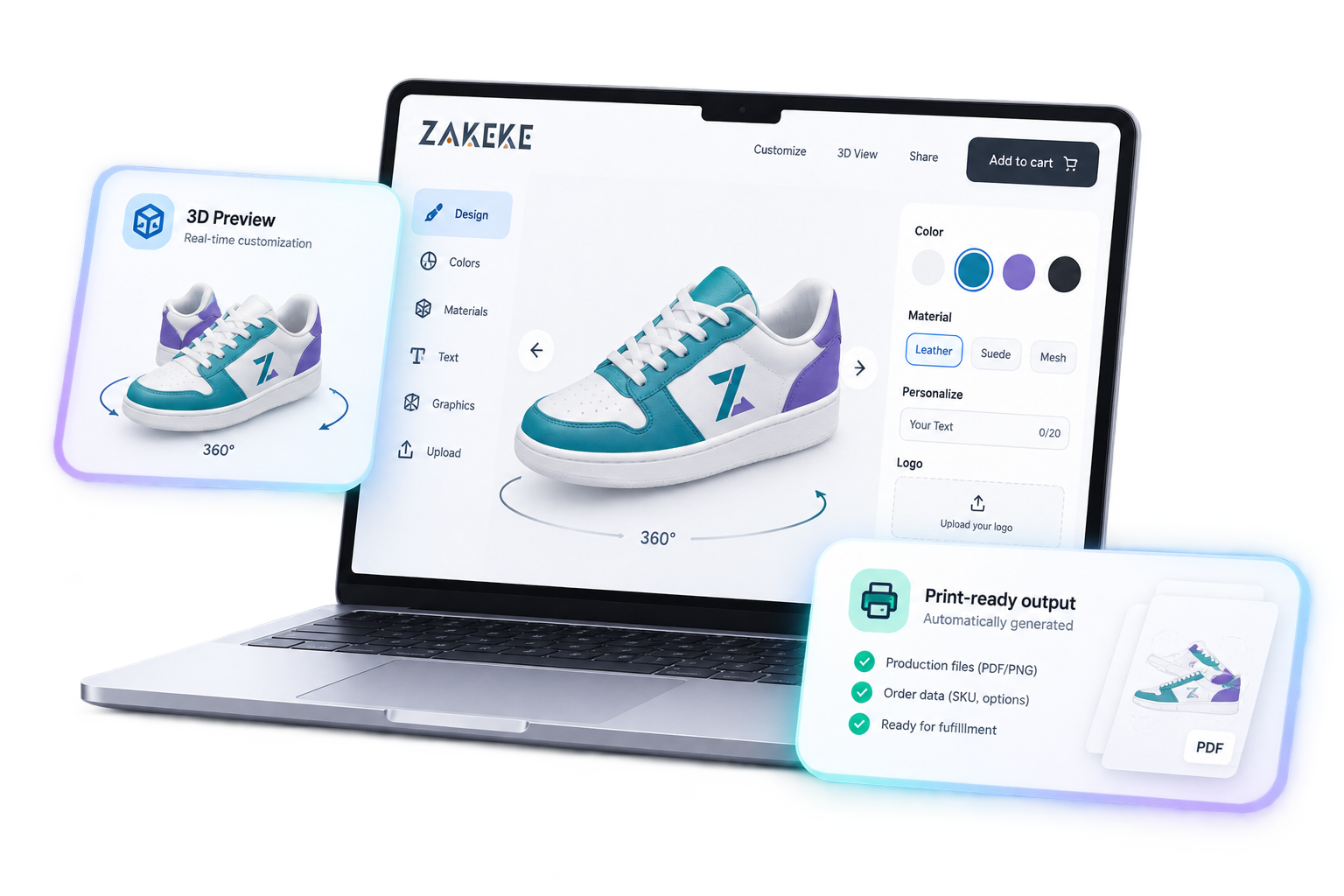
Product customization only works when the catalog clearly defines what can change and what the business needs after a shopper makes those choices. Zakeke supports text and image personalization as well as 3D configuration across components, materials, and product options, but the customer experience still depends on clean product data, customization areas, asset quality, allowed combinations, and documented production requirements.
Always Open Commerce can help normalize SKUs, images, option mappings, and customization requirements before or during implementation. That keeps the visual experience tied to a maintainable catalog instead of layering a configurator on inconsistent source data.
Design the Customization Journey Around the Operational Handoff
Zakeke’s Visual Product Customizer can produce production-ready files, while its 3D Product Configurator supports rule-based made-to-order experiences. Those capabilities matter when a personalized order must move from a shopper’s choices into production, quoting, or fulfillment without repeated manual interpretation.
The storefront should make choices understandable while preserving the information the back office needs to act on the order. Always Open Commerce can help connect UX, product data, quote or order flow, and documented operational requirements. Exact integration behavior, automation, and custom workflow feasibility require technical review.

Zakeke Work We Can Support
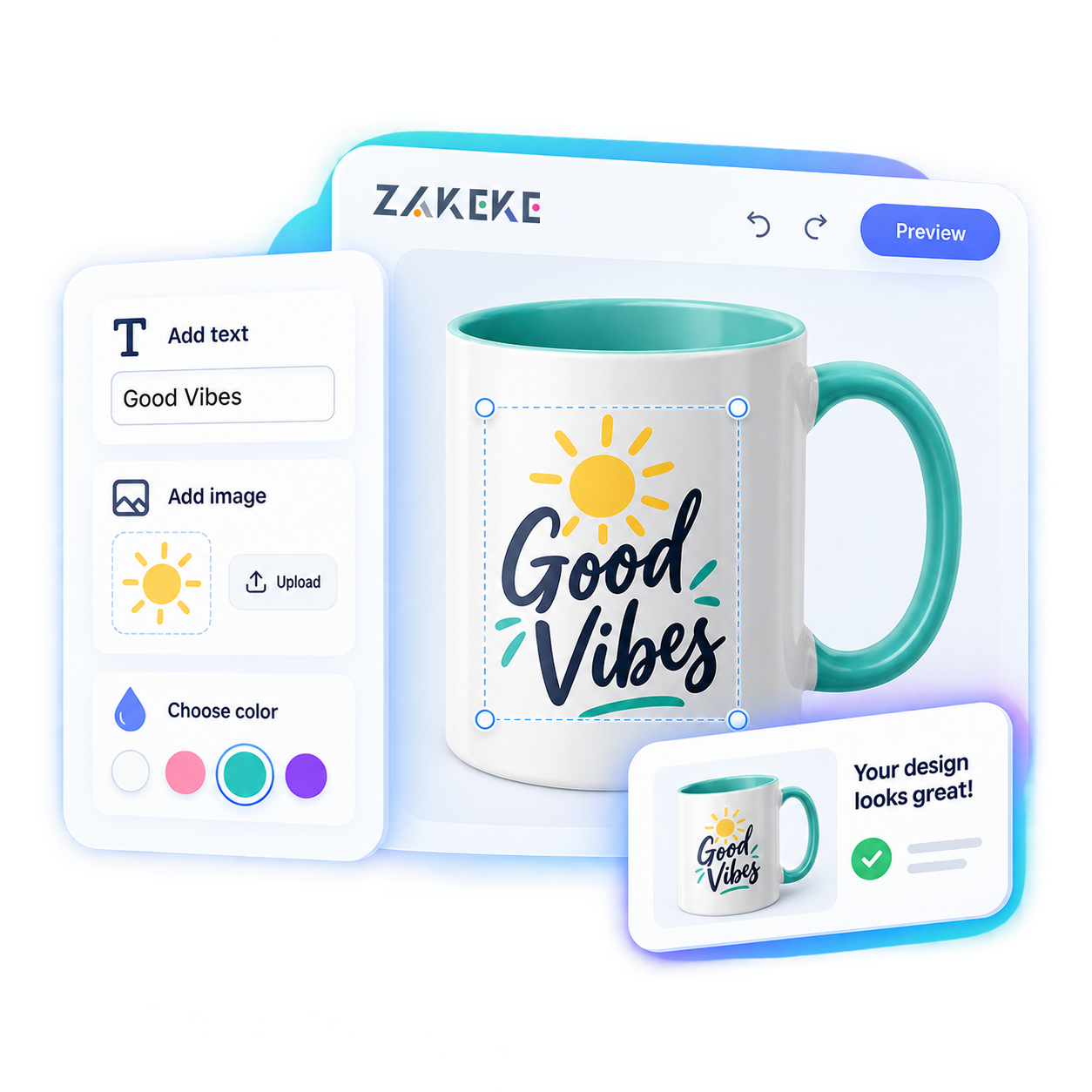
Support can focus on a new Zakeke implementation, an existing customizer that needs refinement, or the product data and storefront workflow required to make customization manageable.
1
Product & Customization Rule Setup
Define product options, customization areas, permitted inputs, required assets, and the customer flow around personalized or configured products so the experience reflects how the product can actually be sold and produced.
2
Product Data & Asset Standardization
Clean up SKUs, color mappings, images, product relationships, and other source data that affects what shoppers see and how configured orders are interpreted downstream.
3
Storefront UX & Customization Flow
Improve how shoppers enter, preview, revise, and submit custom choices across product pages, mobile layouts, quote flows, and related storefront journeys, with design decisions grounded in the product and audience.
4
Troubleshooting, QA & Integration Coordination
Investigate unexpected options, missing assets, layout problems, cart or order-flow issues, data inconsistencies, and related storefront concerns, then coordinate approved fixes and validation. Exact technical feasibility requires development review where needed.
Connect Customization Choices to Production and Order Operations
A product-customization experience also needs a clear operational handoff. Define which customer choices must be preserved in the order, which data production or fulfillment teams need, and where those responsibilities connect to the storefront and catalog.
1
Customization Rules
Define which options customers can change, which combinations are allowed, and how pricing or other business rules should respond to those choices.
2
Product & Variant Data
Establish which product, option, component, image, and identifier data Zakeke needs and which system remains responsible for the underlying catalog.
3
Production-Ready Outputs
Determine what information the business needs after a personalized order is placed so production or fulfillment teams can interpret the customer’s configuration accurately.
4
Storefront & Integration Handoffs
Connect the customization experience to the ecommerce storefront, cart, order data, and approved operational systems, with exact integration behavior and technical feasibility verified before implementation.
Zakeke FAQs
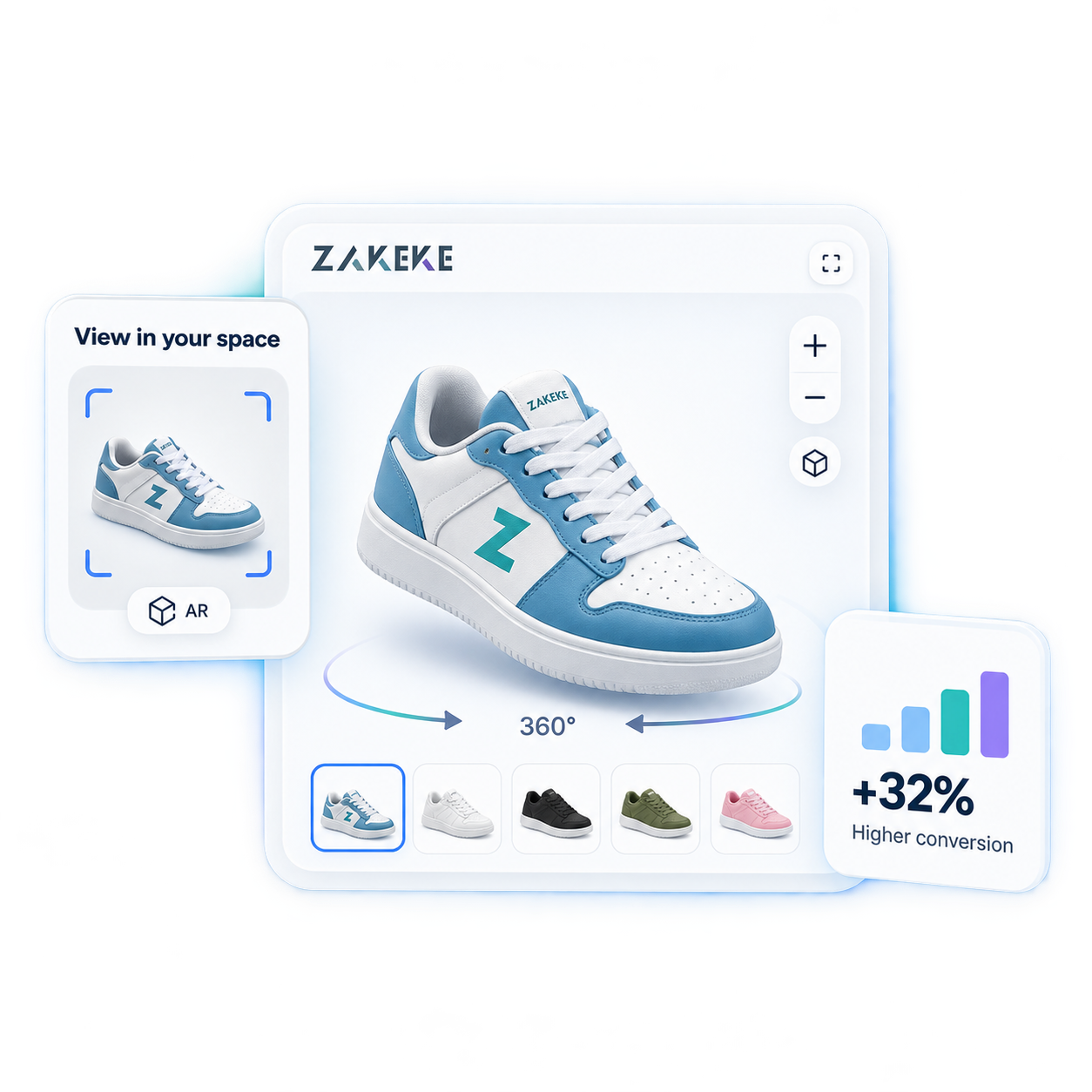
Zakeke is a visual-commerce platform for product personalization and configuration, including a Visual Product Customizer, 3D Product Configurator, product visualization, and related tools for presenting and processing customizable products.
Yes. Zakeke supports integrations across major ecommerce environments. Exact feature availability and implementation requirements should be confirmed for the live storefront and account.
Yes. Support can include product-data standardization, customization rules, storefront UX, integration coordination, troubleshooting, and related implementation work within the approved scope. The exact scope should be based on the catalog, platform, and operational requirements.
They matter when seeing configuration, materials, options, scale, or product variation helps the shopper make a purchasing decision that static product imagery does not explain well. They should be evaluated against the actual product and customer journey rather than added simply because the technology supports them.
The catalog does not need to be perfect before work begins, but inconsistent SKUs, images, option mappings, product relationships, or customization rules can create problems in the customer experience and downstream workflow. Relevant data can be standardized as part of the approved implementation scope.

 USA
 Philippines


