

















































Food & Beverage
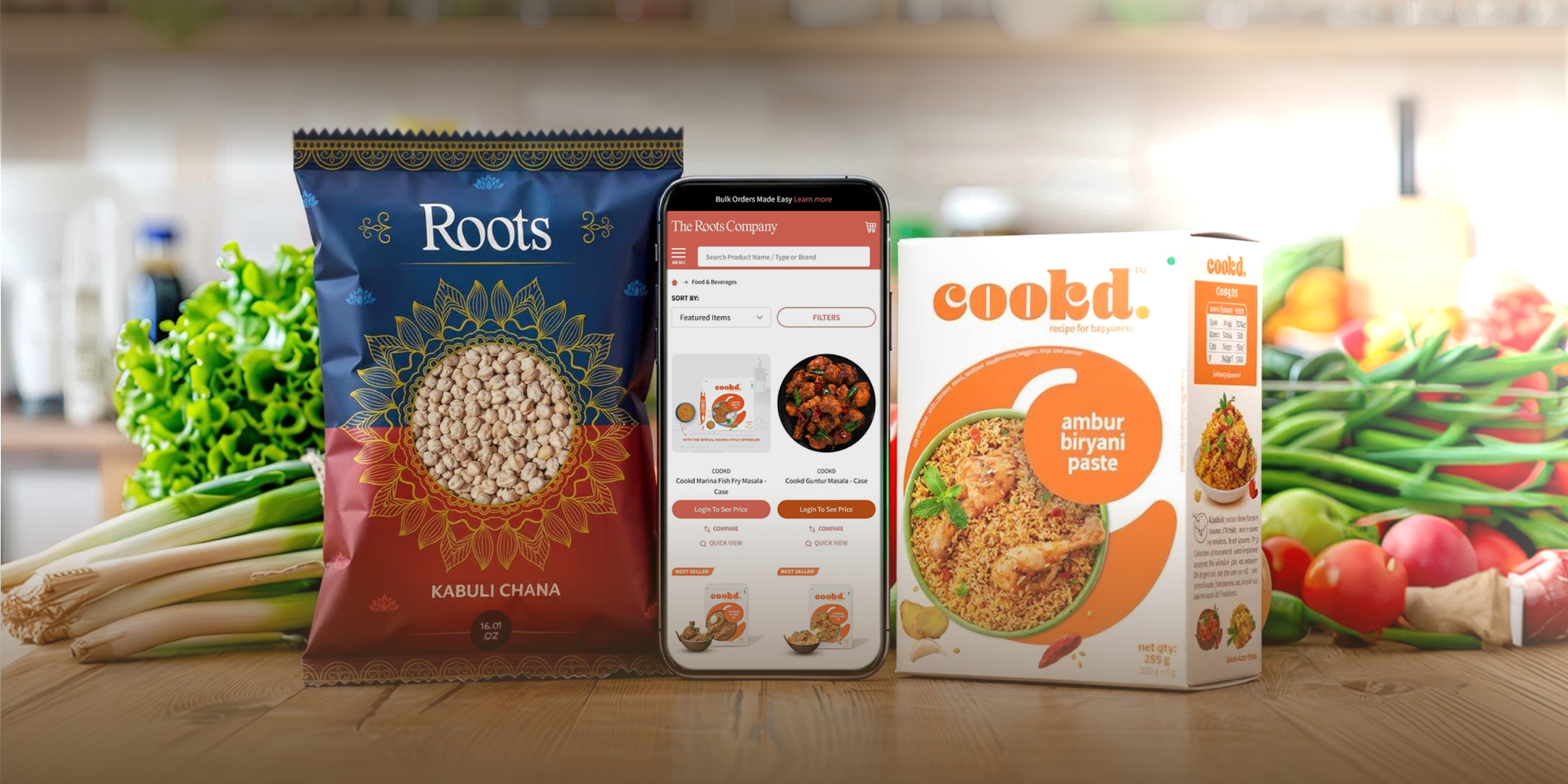
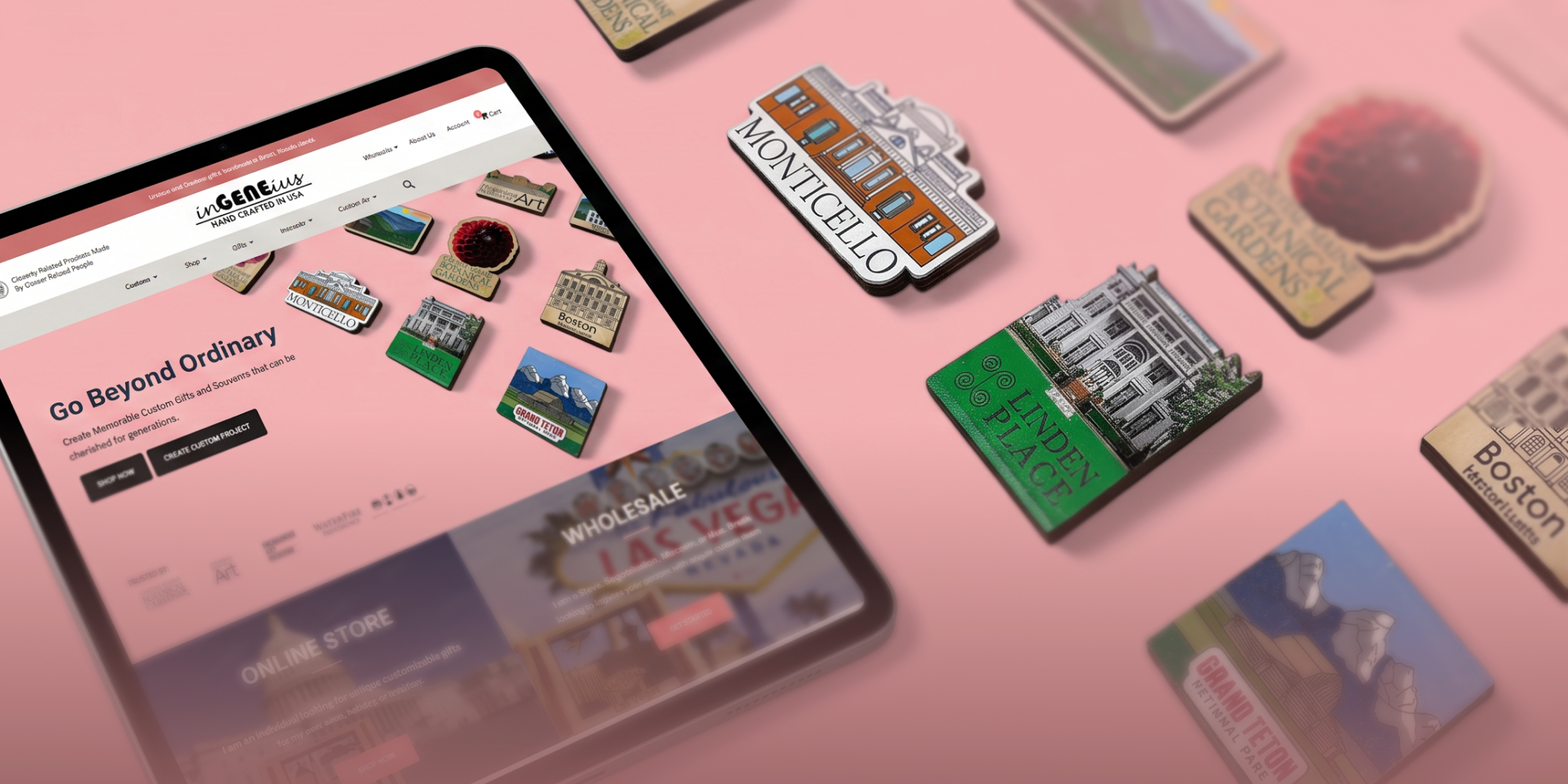
Always Open Commerce organizes food and beverage ecommerce around how customers actually buy, from discovery to repeat orders. Availability, subscriptions, pickup, delivery, shipping, and retention are considered together so routine purchasing stays clear as fulfillment options change.

Balance Replenishment and Discovery Across Food and Beverage Catalogs
Food and beverage shopping often mixes two very different behaviors: customers returning for a familiar item and customers browsing for something new. A useful storefront should make both paths easy. Search, categories, filters, merchandising, and product lists need enough detail to help shoppers narrow choices without slowing down someone who already knows what they want.
Repeat customers may also expect past purchases, subscriptions, bundles, or account-based shortcuts to reduce effort. The right approach depends on the business model, but the goal is the same: make routine purchasing efficient while leaving room for discovery, seasonal merchandising, gifting, and education.
Make Store Availability, Pickup, Local Delivery, and Shipping Clear
Availability and fulfillment can change the product decision, especially when a business combines ecommerce with stores, local delivery, pickup, subscriptions, or shipped orders. Shoppers may need to understand whether an item is available, when it can arrive, what fulfillment options apply, or how an unavailable item will be handled before they are ready to complete the order.
Those answers depend on more than page copy. Inventory data, shipping logic, subscription rules, product eligibility, and fulfillment workflows can all affect what the customer sees. Always Open Commerce can help coordinate the storefront, data, integrations, and development work behind those decisions within the approved scope.

Build Around Four Food and Beverage Buying Needs
Food and beverage stores rarely have one universal shopping pattern. The most useful improvements depend on how customers buy, how products are structured, and how orders are fulfilled.

1
Help Shoppers Find the Right Product
Search, filtering, categories, and product-list information should help shoppers narrow by the attributes that matter for the assortment. UX/UI, merchandising, content, product data, and development can support a clearer route from browse to product.
2
Make Repeat Purchasing Easier
For products customers buy regularly, accounts, past-purchase paths, subscriptions, cart recovery, email/SMS, and lifecycle work can reduce the effort required to return and order again.
3
Match the Order to the Fulfillment Model
Pickup, local delivery, shipping, subscriptions, and other fulfillment models can create different customer expectations. Ecommerce configuration, integrations, catalog data, and QA can help keep those choices consistent with the systems behind them.
4
Keep Product Information Consistent
Pack sizes, variants, product relationships, images, attributes, and channel data are easier to maintain when the catalog has a dependable structure. Product-data, PIM, feed, and development support can help keep information usable across the storefront and connected channels.
Keep Storefront, Fulfillment, and Retention in Sync
Food and beverage ecommerce can cross storefront UX, catalog management, fulfillment, subscriptions, retention, and marketing within a single customer journey. A change to product availability can affect merchandising. A subscription update can affect product setup, checkout, email, and support. A new pickup option can change what customers need to see before they add an item to cart.
Always Open Commerce can coordinate the relevant disciplines around the same priorities instead of treating each request as an isolated task. That may involve design, development, product data, CRO, SEO/GEO, retention, or ongoing support, selected around the problems the store actually needs to solve.
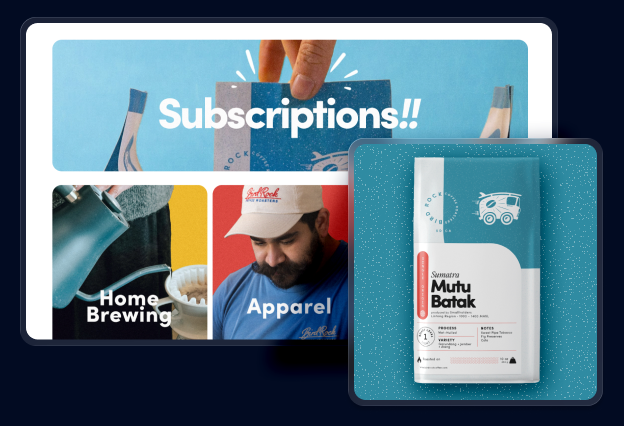
Selected Food and Beverage Work


Migration
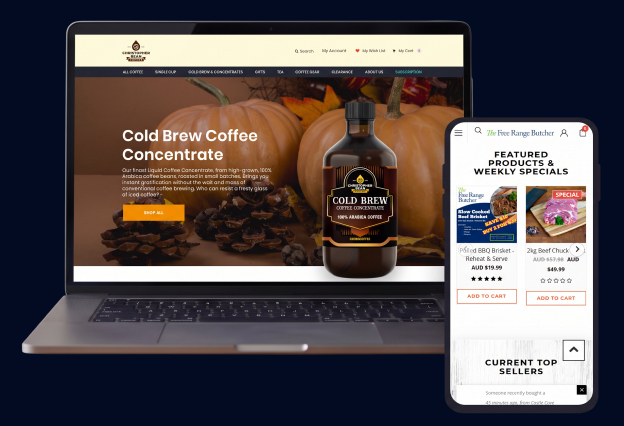
Bird Rock Coffee Roasters Brews Up a Scalable BigCommerce Store with a Cost-Effective Migration From Shopify
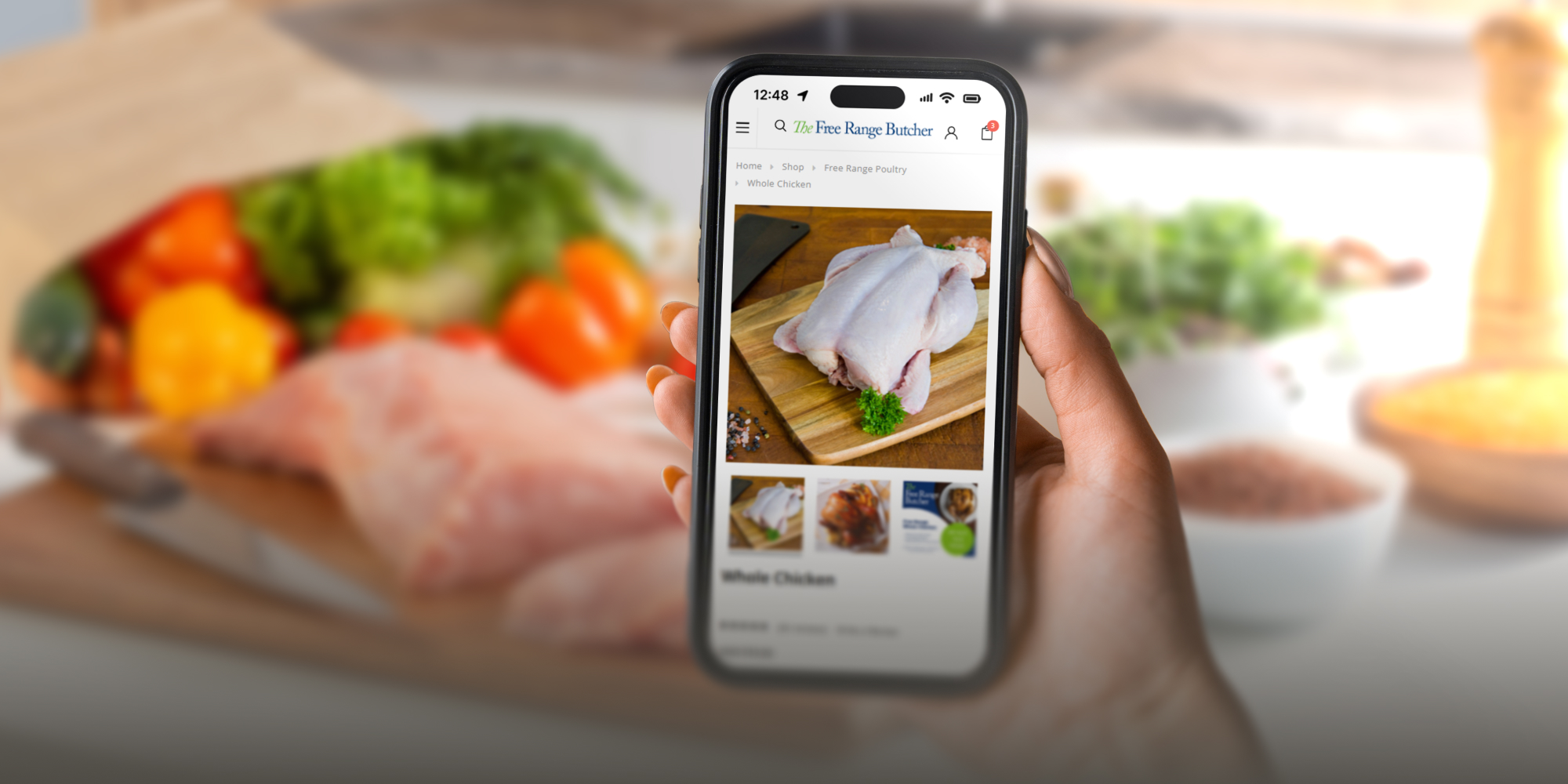

The Free Range Butcher Cuts Through Shipping Challenges with a Tailored ShipperHQ Optimization
Recommended Tech Stack

Build a flexible DTC storefront for food, beverage, coffee, specialty grocery, and other brands managing merchandising, promotions, and repeat purchasing.

Add subscription and recurring-purchase experiences for coffee, beverages, consumables, and other products customers replenish on an ongoing basis.

Configure shipping around product type, delivery location, shipping method, perishability, order value, and other fulfillment requirements.
Food and Beverage Ecommerce FAQs
Start with the way customers already buy. For some stores that means fast reorder paths or past purchases; for others it may include subscriptions, bundles, account features, email/SMS, or cart recovery. The right mix should match the catalog and fulfillment model.
The storefront should reflect the options the business can actually support. Depending on the model, that may involve inventory visibility, pickup or delivery availability, substitution preferences, product eligibility, or clear out-of-stock handling. Exact workflows require technical verification.
Not necessarily. Shipped orders, pickup, local delivery, and subscriptions can create different information and workflow needs. The customer-facing journey should make those differences clear while staying aligned with the store’s inventory, order, and fulfillment systems.
Use clear categories, useful filters, strong search, and enough product information in listings to help shoppers narrow the assortment. Returning customers should still have a direct path to familiar products instead of being forced through the same discovery journey every time.
Yes. Subscription setup and support are approved services when they are part of the engagement. Product setup, customer experience, app coordination, retention messaging, and related development should be considered together rather than treated as separate decisions.

 USA
USA
 Philippines


