


















































Health & Wellness
Wellness shoppers often arrive with questions about goals, ingredients, formats, routines, and repeat use rather than a specific SKU. Always Open Commerce organizes discovery, product information, UX, subscriptions, and retention around making those decisions clearer.
Organize Wellness Discovery Around Goals, Routines, and Product Types
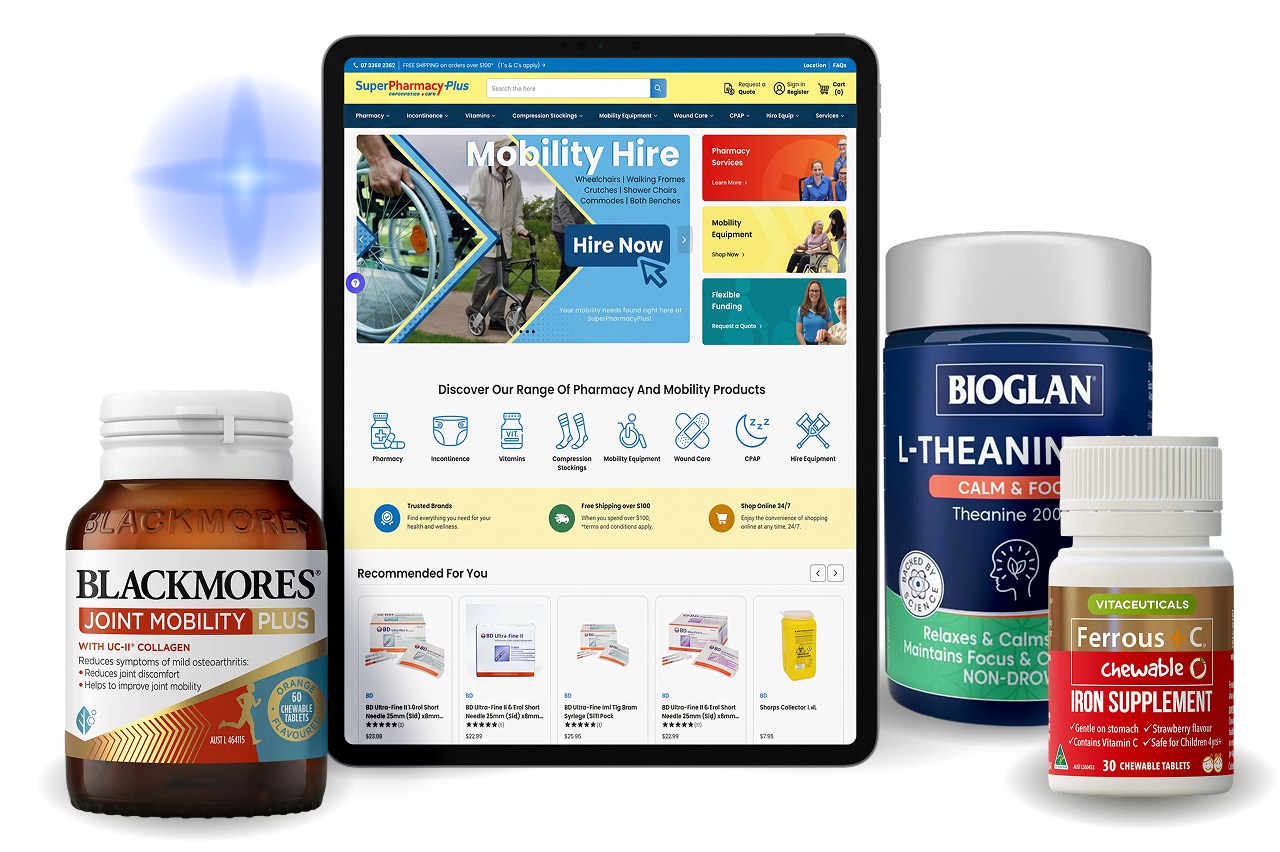
Wellness shoppers may arrive with a goal rather than a product name. They may be comparing formats, ingredients, routines, devices, programs, or complementary products while trying to understand what belongs together. A useful storefront should organize the assortment around the questions customers actually bring with them, not only around internal product categories.
That can mean clearer navigation by need state or product type, stronger filters, better product relationships, and educational pathways that help customers move from research to a specific product without turning the page into a wall of claims.
Make Ingredients, Formats, and Usage Context Easier to Evaluate
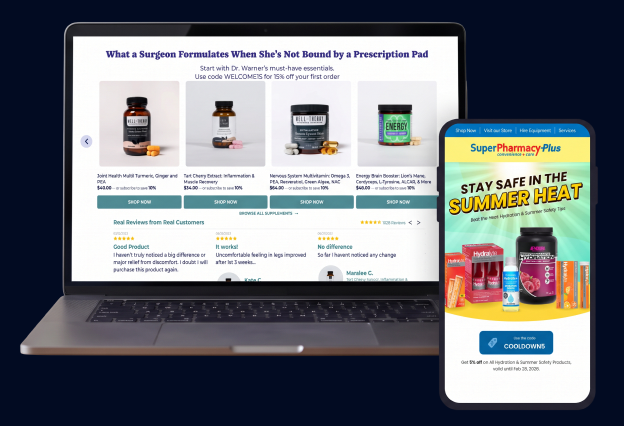
The product page often has to carry more context than a typical commodity purchase. Customers may need to understand ingredients, format, usage context, variations, supporting content, reviews, subscription options, or how a product fits into an existing routine before they are ready to buy.
The ecommerce job is to make approved information easy to find and compare. Always Open Commerce can support UX/UI, content structure, product data, reviews and UGC, mobile optimization, and development while keeping health, medical, safety, and compliance claims with the sources and reviewers that own them.
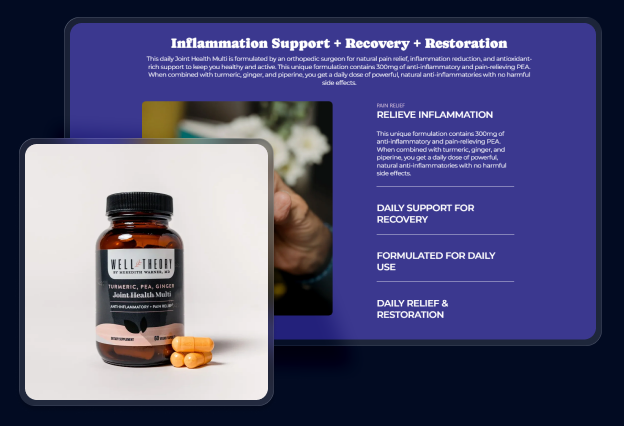
Support Four Health and Wellness Ecommerce Needs
Health and wellness stores can combine education, considered purchases, repeat use, and broad catalogs. The most useful ecommerce work should follow those customer needs rather than a generic service list.

1
Organize Discovery Around Customer Goals
Navigation, search, filtering, collections, and educational content can help shoppers move from a broad wellness goal to a manageable set of products. UX/UI, SEO/GEO, content, and merchandising can support that discovery path.
2
Make Approved Product Information Easy to Evaluate
Product pages should organize approved ingredients, specifications, usage context, media, reviews, and supporting information so customers can evaluate options without relying on unsupported claims. Product data and content structure are central to that work.
3
Support Repeat Use Without Adding Friction
For products that are purchased repeatedly, subscriptions, account features, cart recovery, email/SMS, and lifecycle journeys can make returning easier. These should be coordinated with product setup and the actual customer experience.
4
Keep the Catalog and Content Working Together
As assortments expand, attributes, variants, product relationships, feeds, and supporting content can drift apart. PIM, catalog structure, development, and data coordination can help keep the storefront and connected channels working from more consistent information.
Coordinate Commerce Work Without Blurring Claim Boundaries
Health and wellness ecommerce often sits between several disciplines: merchandising, education, product data, UX, retention, development, and sometimes regulated subject matter. A change to product positioning can affect navigation and content. A subscription change can affect product setup, checkout, email, and support. New educational content can affect search, merchandising, and the product page.
Always Open Commerce can coordinate the ecommerce work while keeping specialized health, medical, legal, privacy, accessibility, and compliance decisions with the appropriate owners. That separation helps the storefront move forward without turning marketing or implementation work into unsupported claims.
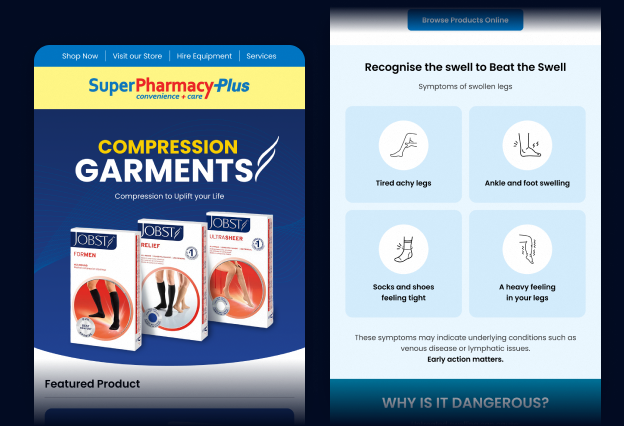
Selected Health and Wellness Work
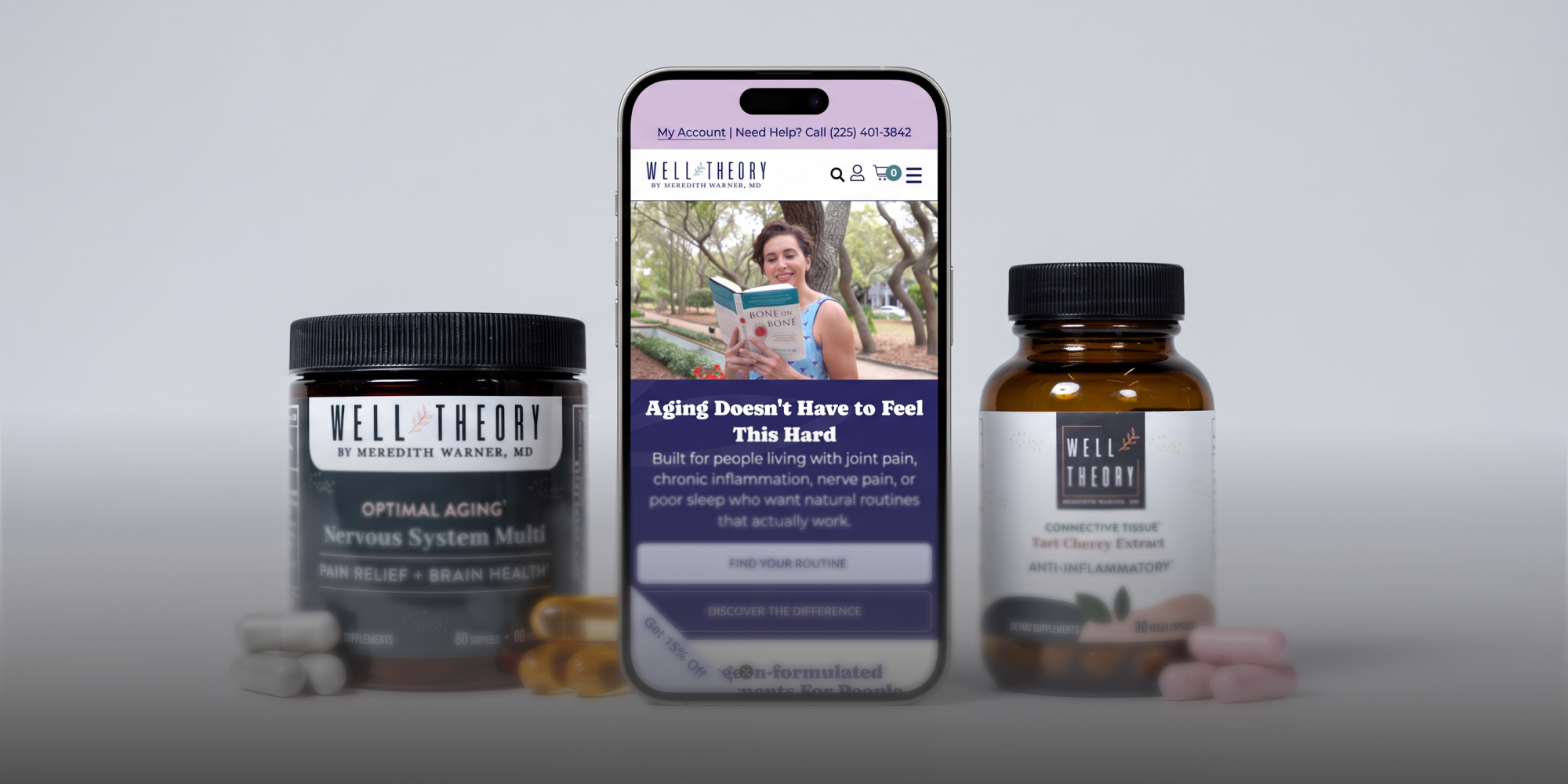

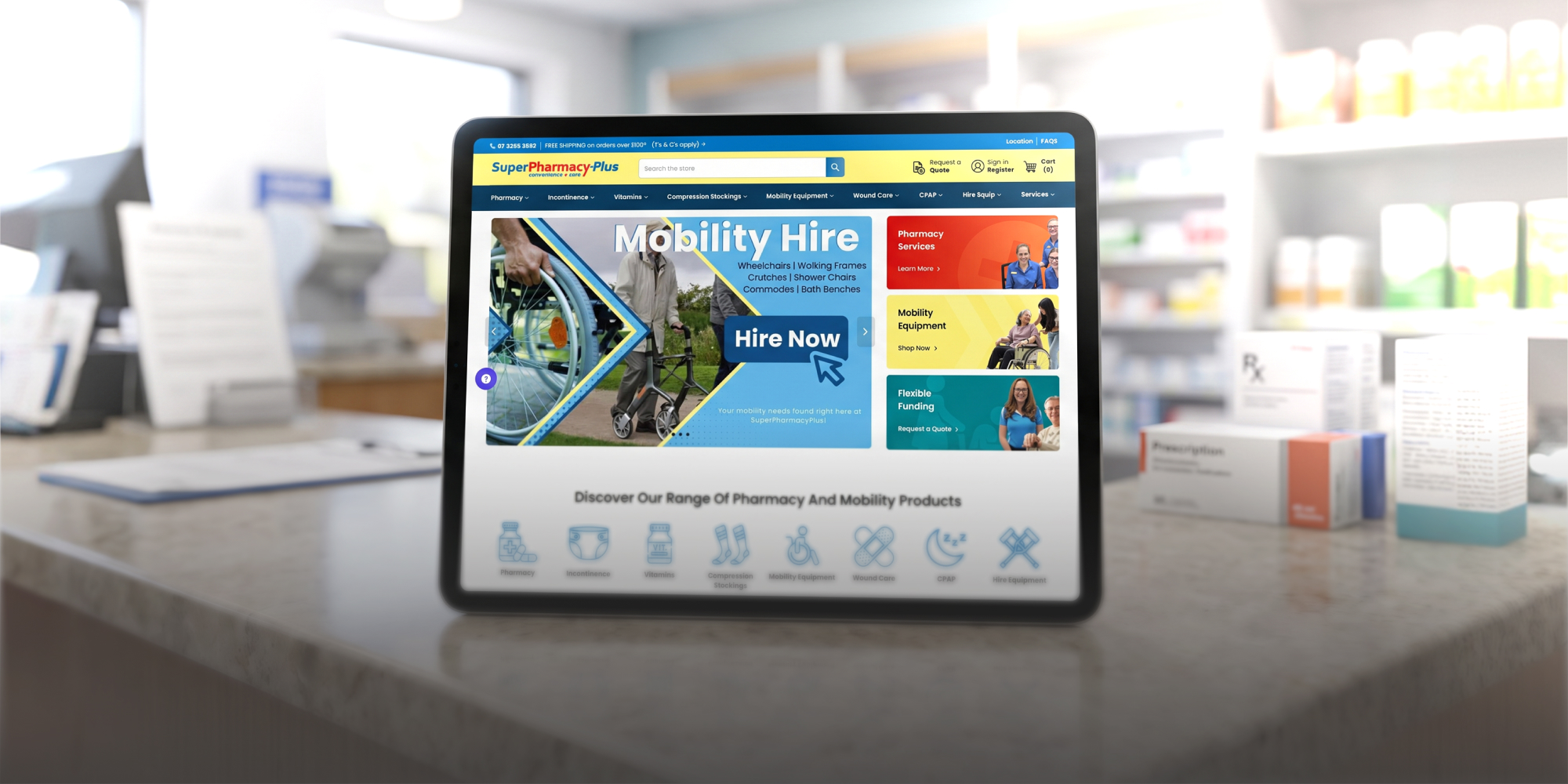

Recommended Tech Stack

Support DTC wellness commerce with flexible merchandising, product education, promotions, bundles, and customer experiences built around repeat purchasing.

Create subscription and replenishment experiences for products customers purchase as part of an ongoing routine.

Add reviews, user-generated content, loyalty, and retention tools that help build product confidence and support repeat customer relationships.
Health and Wellness Ecommerce FAQs
Start with the way customers look for solutions. Product type may be one path, but need states, routines, formats, ingredients, or other supported attributes may also help customers narrow the catalog. The right structure depends on what the assortment actually contains.
Always Open Commerce can organize and present approved information, but health, medical, safety, legal, and compliance claims require the appropriate source and human review. Missing support should not be replaced with stronger marketing language.
Yes. The starting point may be navigation, product information, mobile UX, catalog structure, subscriptions, technical issues, content, or another specific source of friction. A full redesign is only one possible path.
Enough to support the buying decision without burying the shopper. Approved product information, usage context, media, reviews, FAQs, and related educational content can be structured so the most important information is easy to scan and deeper detail remains available.
Yes. When those services are in scope, product setup, subscription choices, account experience, cart recovery, email/SMS, and retention journeys can be considered together so repeat purchasing feels like part of the same customer experience.

 USA
USA
 Philippines


