




















































Healthcare & Medical
Healthcare and medical buyers may be ordering for procurement, clinical, technical, or operational needs, so dependable product information and account workflows matter more than generic browsing. Always Open Commerce organizes catalog data, documentation, B2B UX, and reordering around those purchasing contexts.

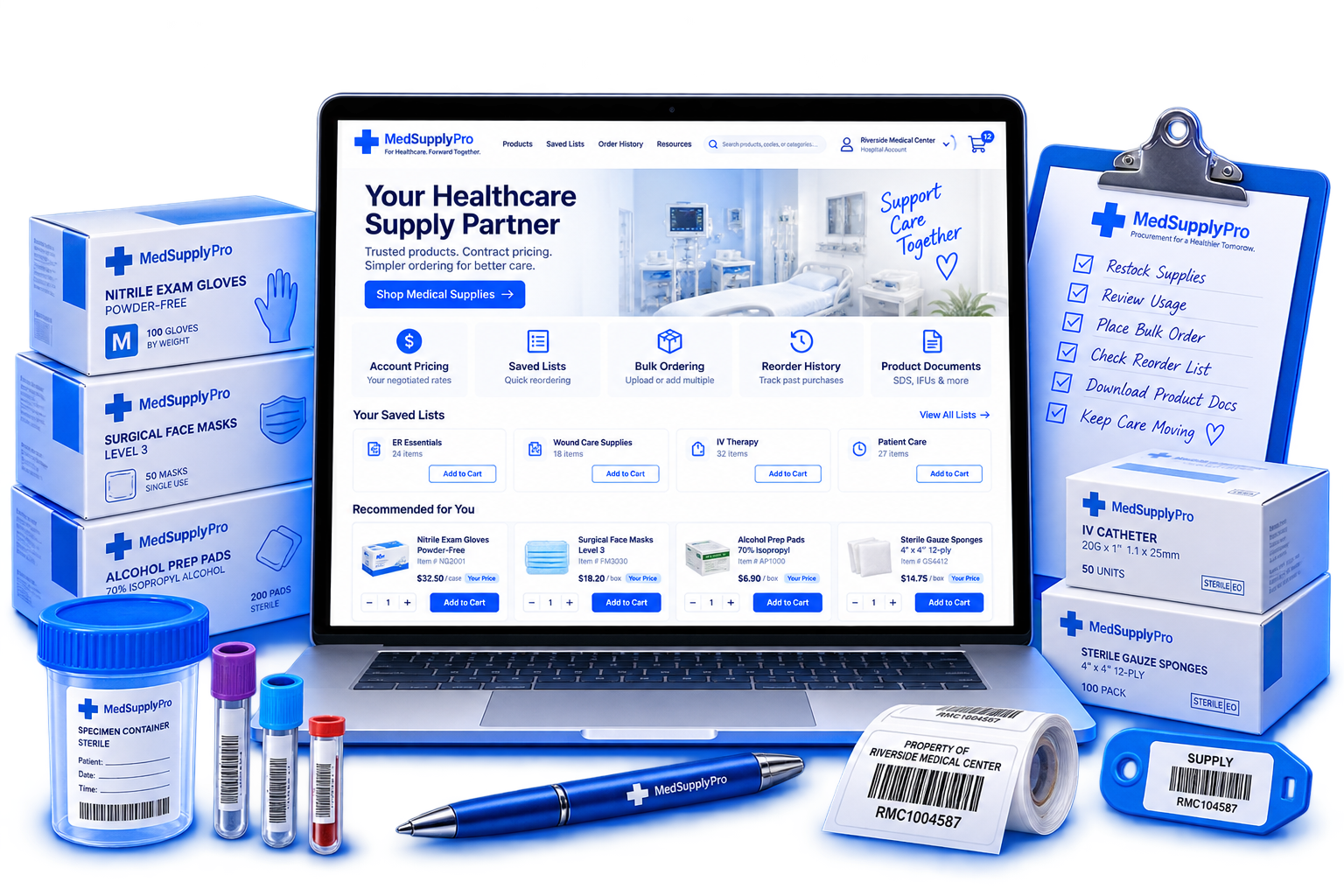
Give Procurement Teams Fast Access to Medical Product Data and Documentation
Healthcare and medical buyers may arrive with a product name, part number, specification, application, or purchasing requirement already in mind. Large catalogs need search, filters, categories, and product lists that make technical information usable without forcing buyers to browse through consumer-style merchandising.
Product pages should keep approved specifications, packaging details, documents, images, related products, and ordering information close to the item. The storefront can make those details easier to find and compare while leaving clinical suitability, medical claims, and regulated product guidance with the sources and professionals that own them.
Support Routine Medical Ordering While Routing Complex Products to Specialists
Healthcare professionals and procurement teams may prefer digital self-service for routine research and ordering while still relying on representatives or specialists for demonstrations, training, complex products, or case-specific questions. The website should make both paths clear instead of treating every visit as either a fully assisted sale or a standard retail checkout.
Always Open Commerce can support account experiences , product catalogs , content structure , forms, reordering, and ecommerce development around those journeys. Exact purchasing approvals, contract terms, sensitive-data handling, clinical workflows, and system integrations require the appropriate business, technical, security, and compliance review.
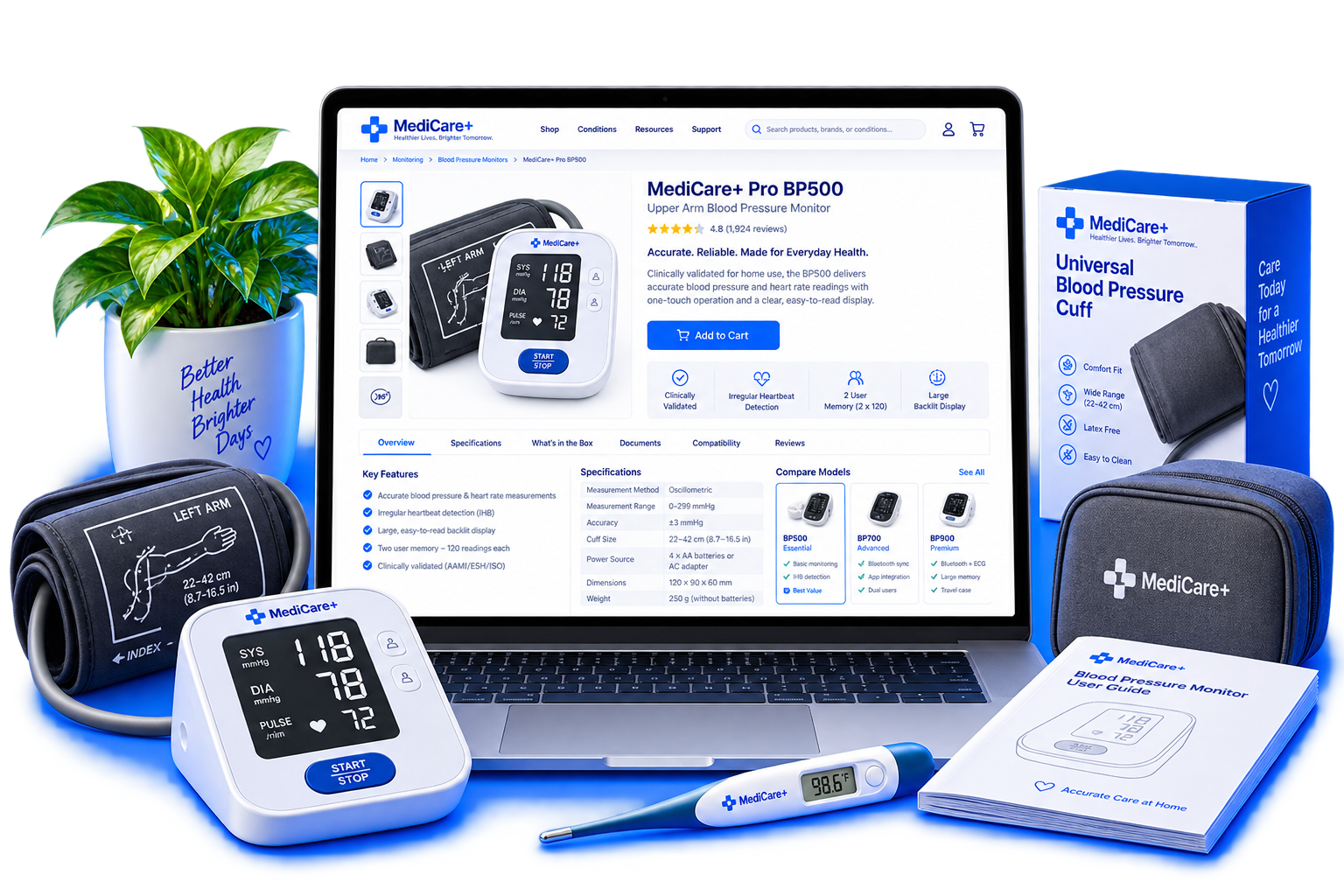
Support Four Healthcare and Medical Buying Needs
Healthcare and medical ecommerce should reduce the time required to find reliable product information, complete routine orders, and reach a human when the purchase needs additional review. The supporting work should follow those buyer tasks rather than a generic service list.

1
Find Products by Technical and Product Attribute
Search, filters, categories, product identifiers, specifications, and structured attributes can help professional buyers narrow large catalogs. Product data , PIM , UX/UI , and development can support that discovery.
2
Keep Documentation Close to the Product
Approved manuals, specification sheets, instructions, certifications, and other product documents should be easy to reach from the products they support. The storefront can organize access without changing the authority of the underlying document.
3
Make Accounts and Repeat Ordering More Efficient
B2B buyers may need account access, order history, saved information, customer groups, or reorder paths for frequently purchased products. Account UX , B2B data , and development can support those workflows when business rules are defined.
4
Route Complex Purchases to the Right Human Path
When a product requires consultation, demonstration, training, documentation, or additional approval, the ecommerce experience can make that handoff clear. The site should not imply that self-service replaces clinical or professional judgment.
Keep Catalog, Account, and Support Information Aligned
Healthcare ecommerce can span product catalogs, customer accounts, sales teams, procurement workflows, documentation, and support. A product update can affect search and documents. An account rule can change what a buyer sees. A support or training requirement can change the appropriate next step.
Always Open Commerce can coordinate product data , B2B UX , development , integrations , content , SEO/GEO , and ongoing support around the ecommerce journey. Patient-sensitive data, clinical decisions, regulatory requirements, privacy, security, accessibility, reimbursement, and compliance remain subject to the appropriate specialist and human review.
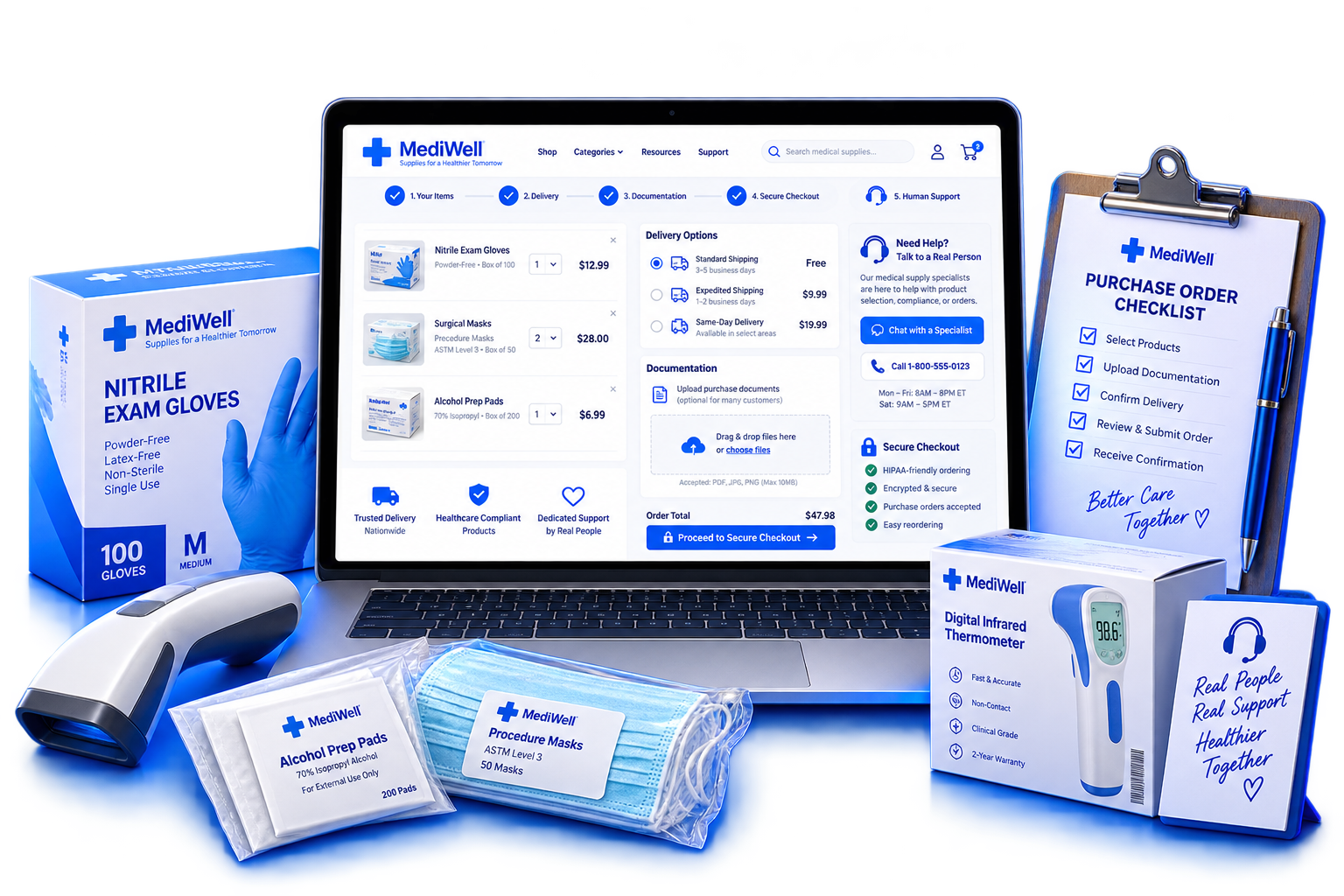
Selected Healthcare and Medical Work
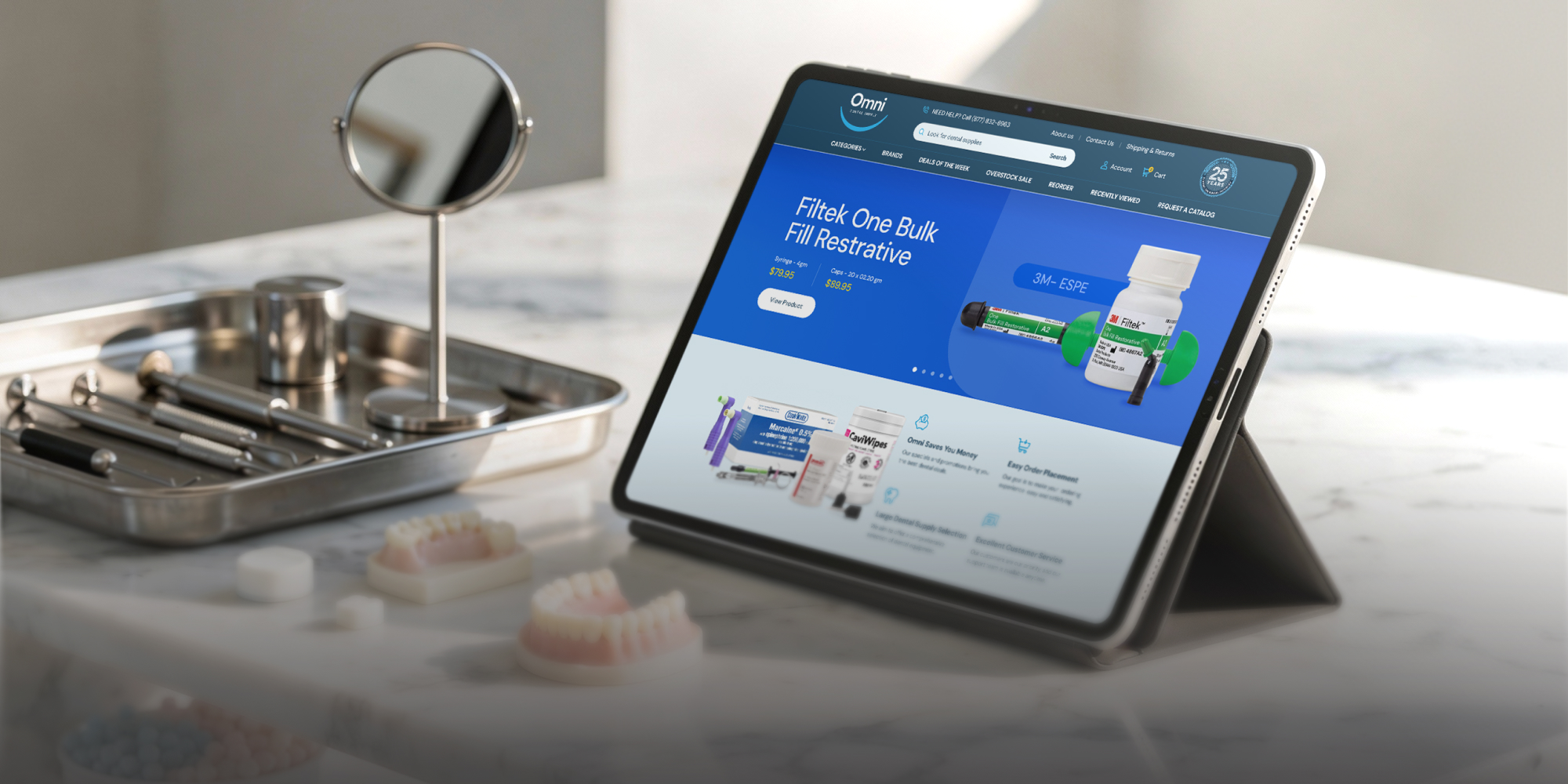

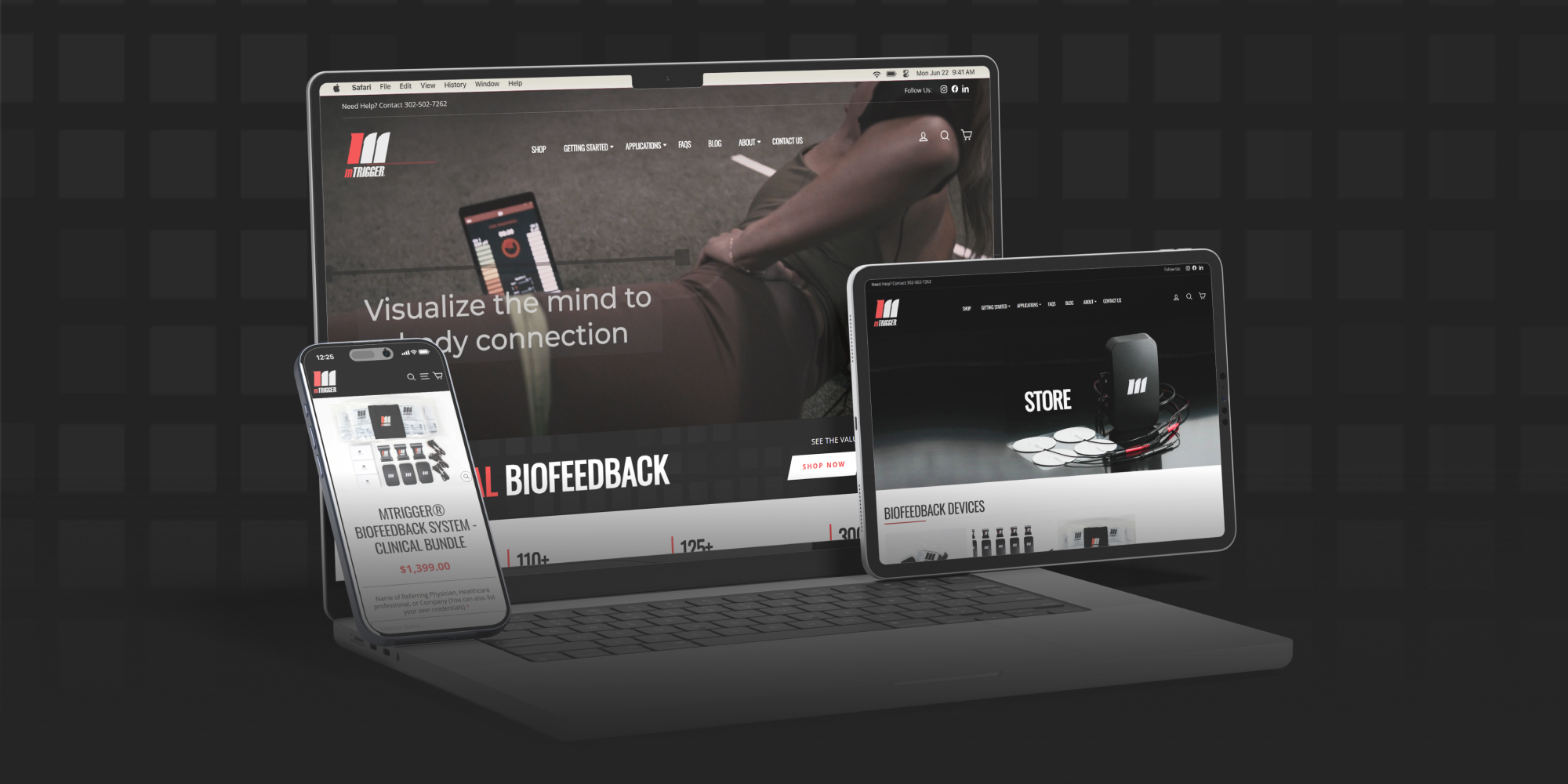
Omni Dental Supply sought a modern website redesign to overcome outdated design and improve user engagement

Recommended Tech Stack

Support professional product catalogs, repeat ordering, account-based buyers, B2B requirements, and products that require substantial supporting information.

Centralize specifications, documentation, identifiers, packaging information, product attributes, assets, and other structured catalog data across channels.

Connect ecommerce with CRM and sales workflows when self-service purchasing needs to coexist with inquiries, consultations, or sales-assisted buying paths.
Healthcare and Medical Ecommerce FAQs
Use product identifiers, technical attributes, specifications, categories, and purposeful filters to help buyers find approved product information.
Yes. Account experiences can support order history and repeat purchasing when the business rules and integrations are defined.
Route purchases needing consultation, demonstrations, training, documentation, approval, or professional judgment to the right specialist.
Potentially, after the source systems, access rules, data handling, and integration requirements have been reviewed by the appropriate teams.

 USA
USA
 Philippines


