





















































White Label Support
Agencies do not always need another full-time specialty in-house to expand ecommerce delivery. Behind-the-scenes support can fill that capacity gap, with Always Open Commerce providing approved development, design, QA, and technical work under clearly defined partnership boundaries.
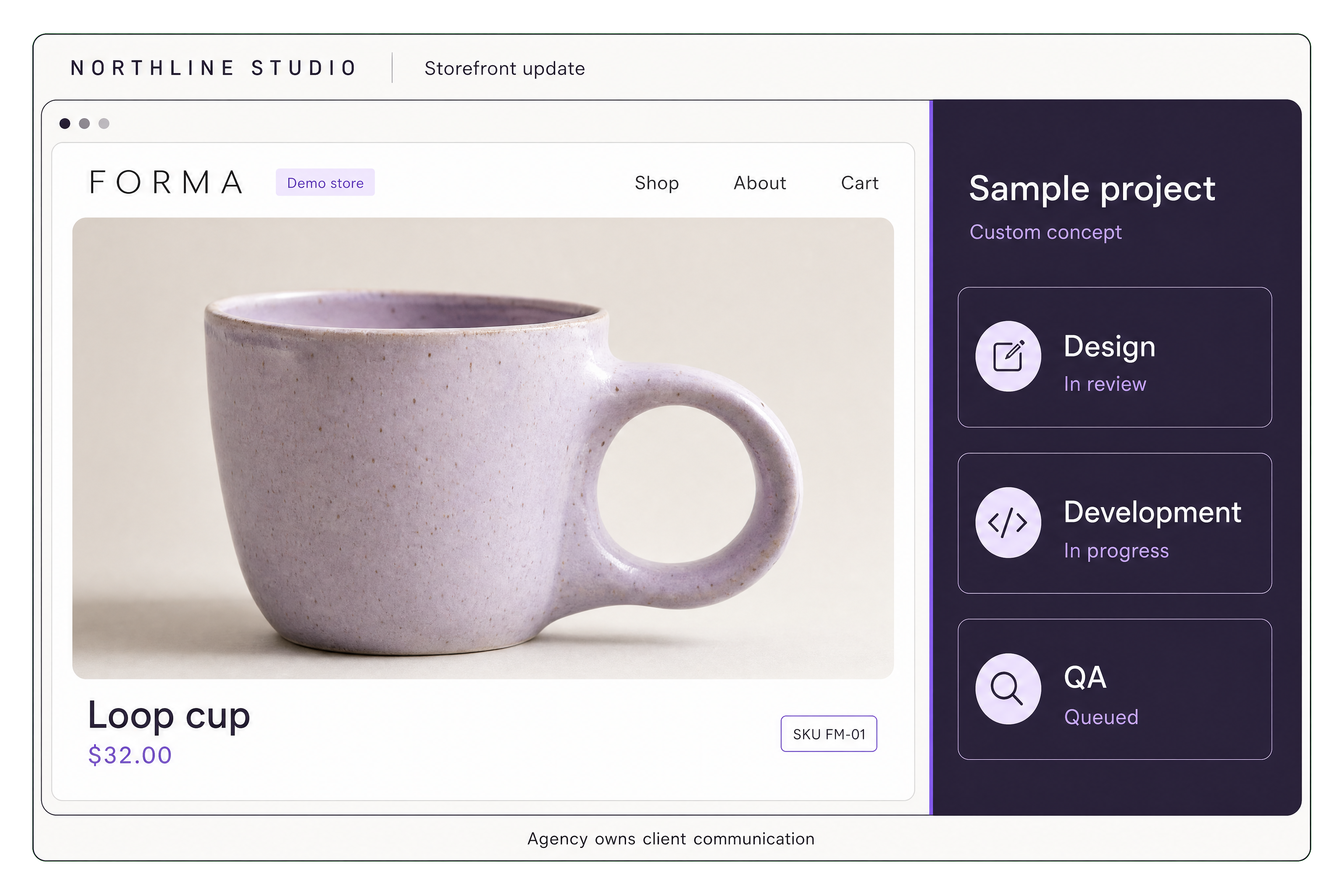
Add Ecommerce Capacity Behind the Scenes
Agencies can win ecommerce work that stretches beyond the capacity, platform experience, or technical coverage available on the internal team. The delivery challenge is not only finding extra hands. It is adding execution support without creating confusion around ownership, client communication, access, quality review, or how finished work moves back through the agency.
White Label Support gives approved agency partners a defined way to use Always Open Commerce behind the scenes for ecommerce execution. The arrangement can include development, design, QA, or other approved support while preserving agreed boundaries around communication, access, client data, and responsibility.
Development, Design, QA & Specialist Support
Scope depends on the agency need, client work, services required, platforms involved, and the operating model approved for the partnership.

Development Support
White Label Support
Provide approved ecommerce development capacity for defined tasks, projects, fixes, or technical work that fits the partner arrangement.

Design Support
White Label Support
Support approved UX/UI Design needs when the agency requires additional execution capacity or specialist input.

QA & Delivery Review
White Label Support
Complete defined QA or review work so deliverables can be checked against approved requirements before agency handoff.

Specialist Ecommerce Support
White Label Support
Bring in relevant ecommerce expertise for approved workstreams when the agency needs specialist capacity beyond its current team.

Ongoing Partner Support
White Label Support
Support recurring approved ecommerce work when the relationship is structured for ongoing delivery rather than one project.
Set Roles Before Client Work Starts
White-label work depends on a few operating decisions being clear before delivery starts: who speaks with the client, how work is handed off and approved, what access is required, and how scope changes are handled.

Who Owns Client Communication?
Decide whether communication stays with the agency or whether any direct client interaction with Always Open Commerce is approved.
How Does Work Move Through the Partnership?
Define how briefs, questions, approvals, revisions, QA, and completed deliverables move between the agency and Always Open Commerce.
What Access Is Required?
Provide only the platform, project, or tool access needed for approved work. Sensitive client access must follow approved handling rules.
What Happens When Scope Changes?
Separate routine revisions from new requirements, added features, platform constraints, or work outside the approved partner or client scope.
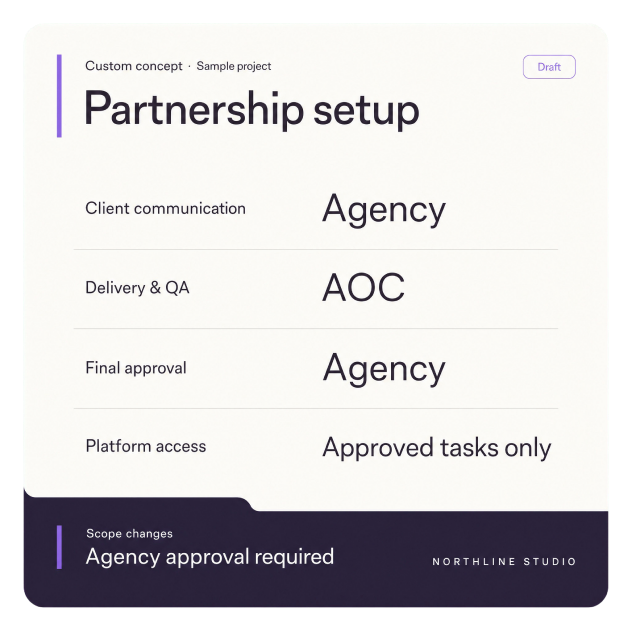

Expand Delivery Without Blurring Ownership
White-label support gives an agency another way to deliver ecommerce work while keeping roles, communication, access, approvals, and handoff responsibilities clear.
Always Open Commerce can provide approved Custom Development, UX/UI Design, QA, and other ecommerce support behind the scenes. Client communication, access, data handling, capacity, timing, confidentiality, and other operating terms are governed by the approved partner agreement rather than this public page.
New Store Builds in Practice
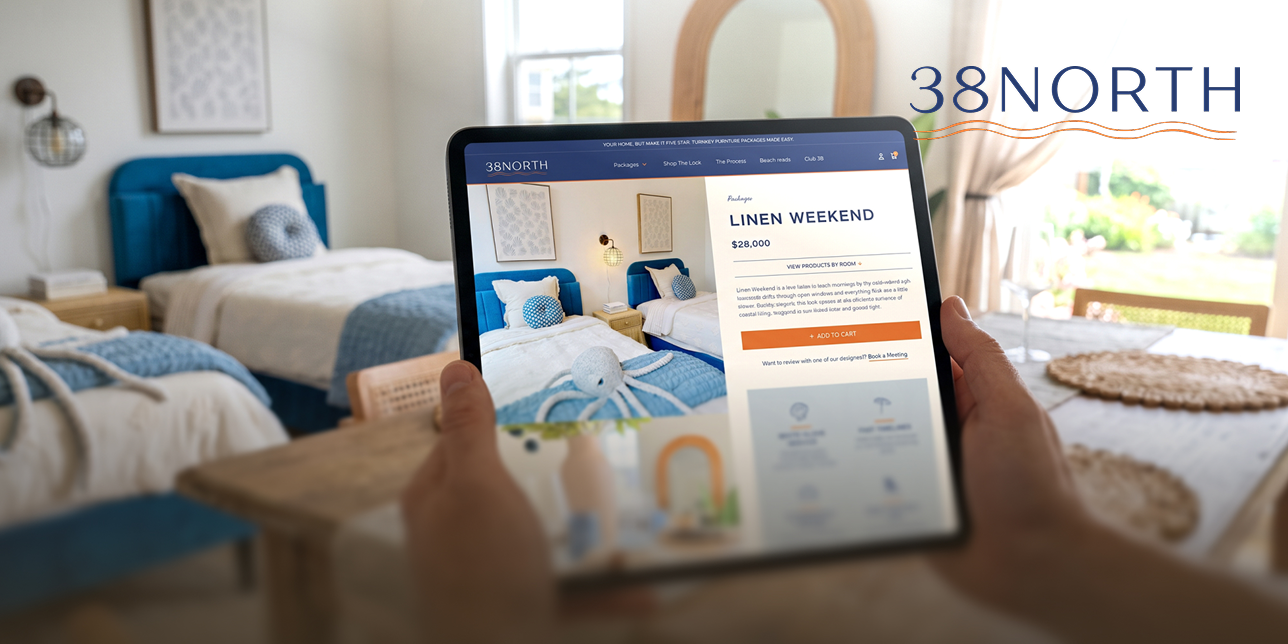
Ecommerce Builds
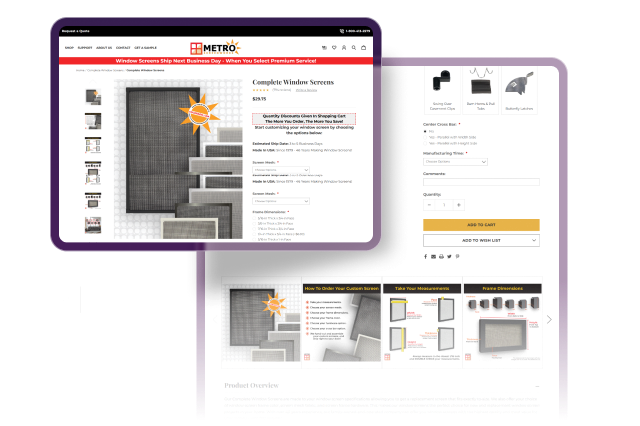
How 38North Traded Traditional Inquiry-Based Sales for a High-Velocity Shopify Store That Scales With Their Brand

Ecommerce Builds
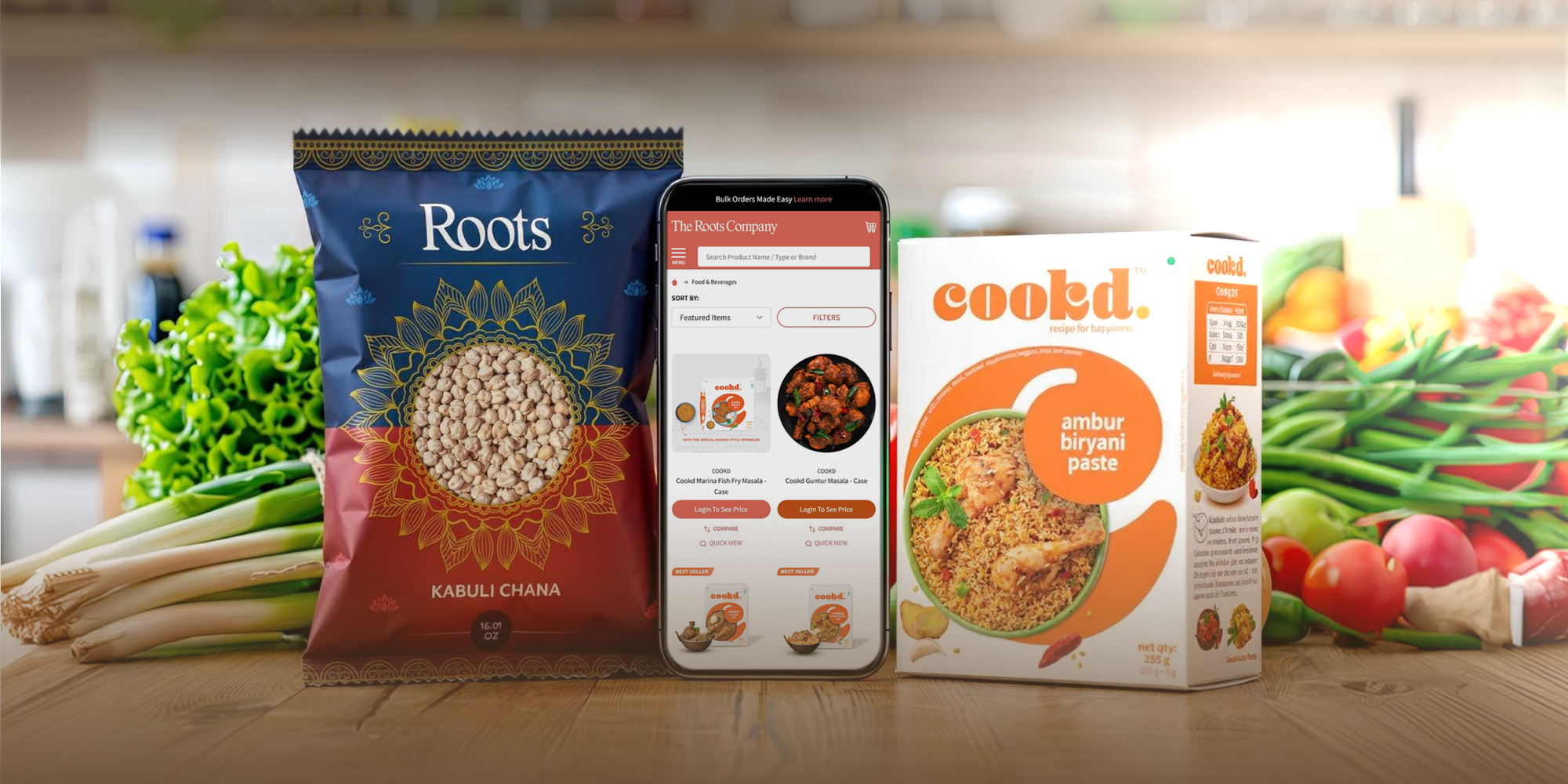
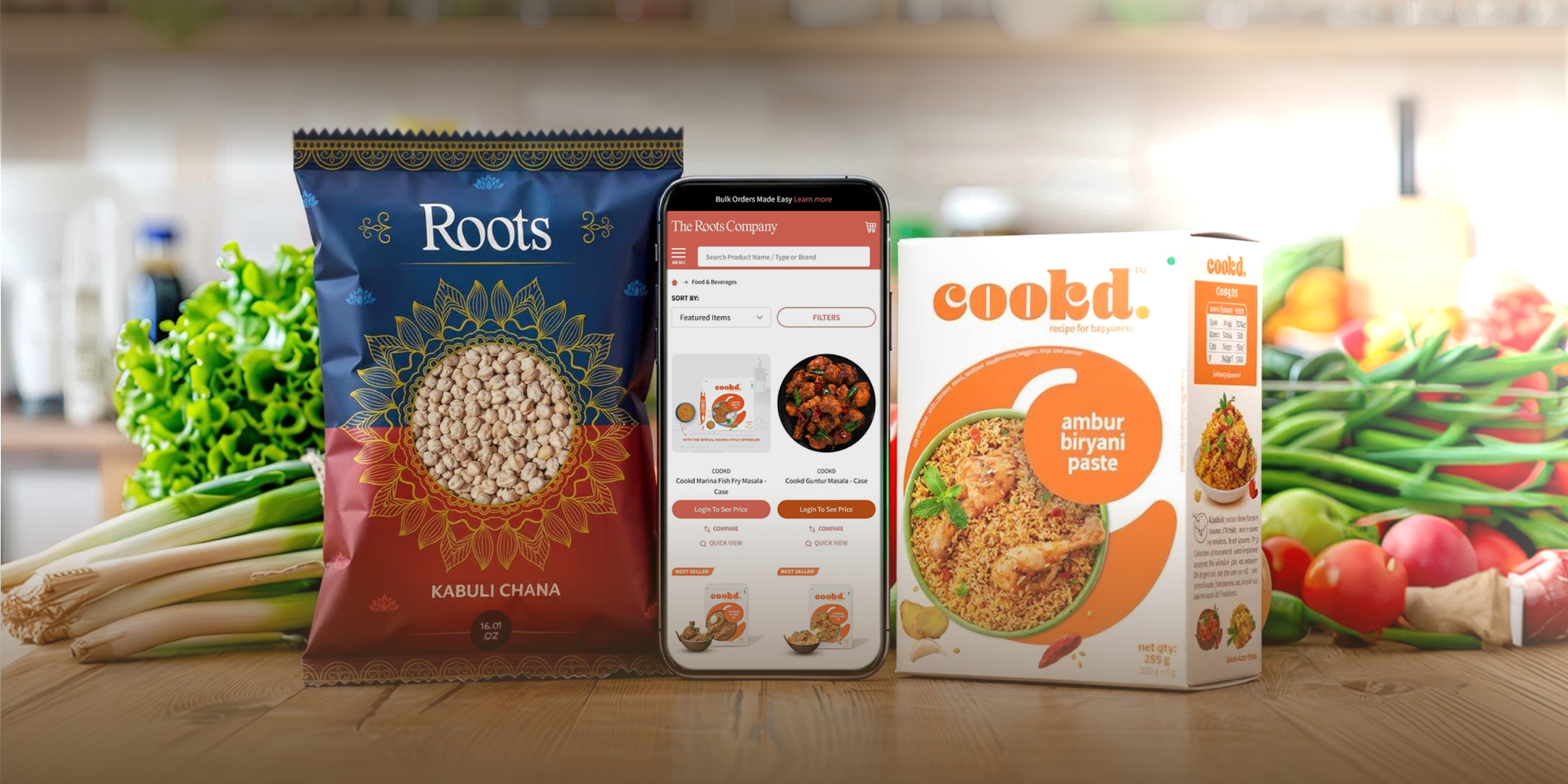
From Stalled Launch to Growth: Rescuing The Roots Company’s Four-Week B2B Sprint
Related Delivery Services


Frequently Asked Questions
It is approved behind-the-scenes ecommerce execution for an agency partner, which can include development, design, QA, or other defined support while the operating relationship follows the agreed white-label structure.
Not by default. The approved partner arrangement defines who owns client communication and whether any direct interaction with Always Open Commerce is permitted for a specific engagement.
Potentially. White-label support can be structured around approved project work or an ongoing relationship, depending on the agency need, available capacity, and agreed scope.
Not automatically. Partner access to internal Always Open Commerce systems is outside the default service boundary. Required project access and approved tools should be defined for the partnership.
Access should be limited to what is required for approved work and handled through applicable security procedures. Sensitive credentials belong in approved systems of record, not public content or general project documentation.
Capacity, timing, prioritization, communication expectations, and any service commitments come from the approved partner agreement and project scope.

 USA
USA
 Philippines


