

















































Industrial & Manufacturing
Industrial buyers often arrive knowing a specification, application, account requirement, or reorder need before they browse. Always Open Commerce structures technical catalogs, B2B UX, integrations, and development around those buying paths instead of forcing every transaction through one model.
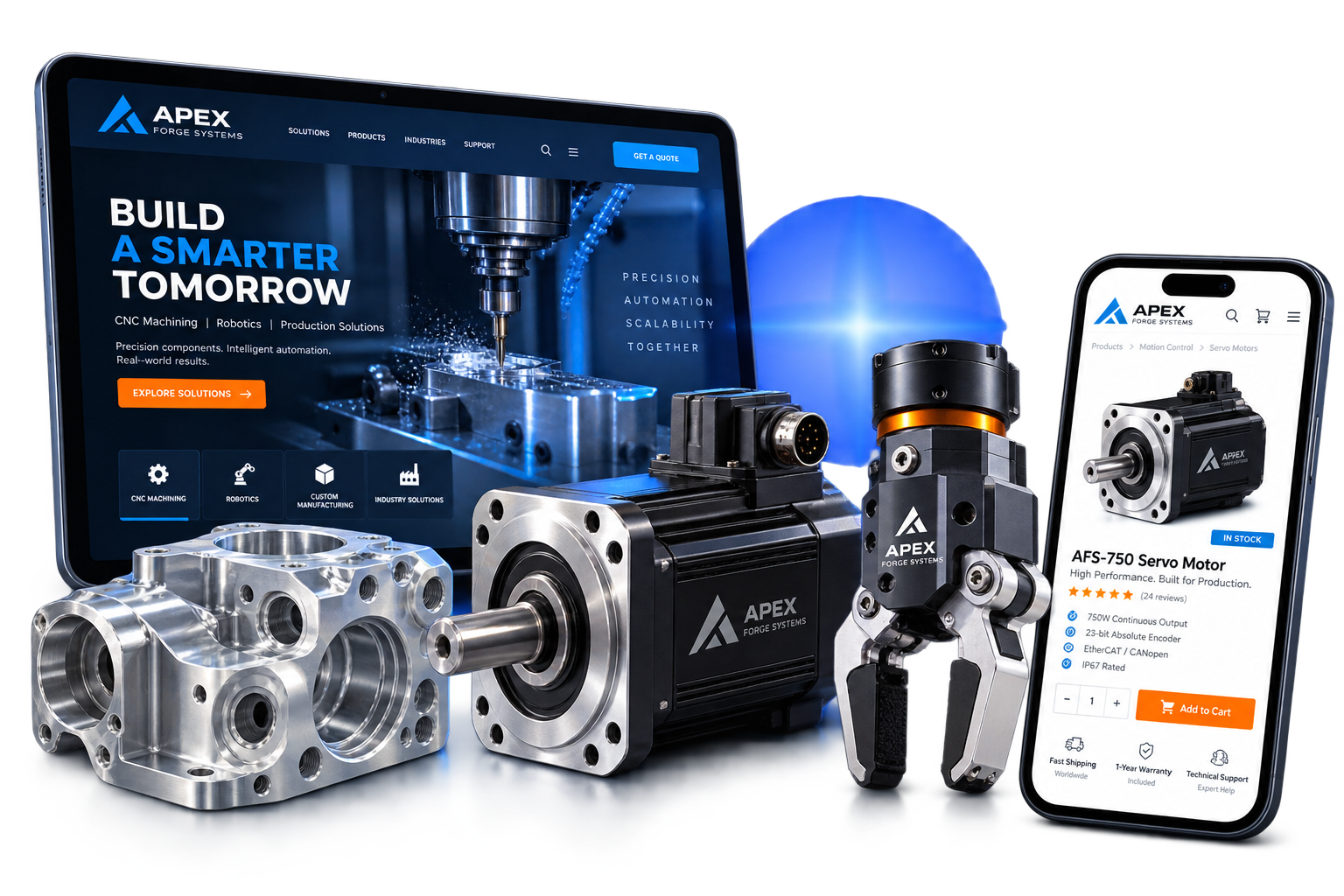
Support Buyers Who Arrive With Specifications, Not Inspiration
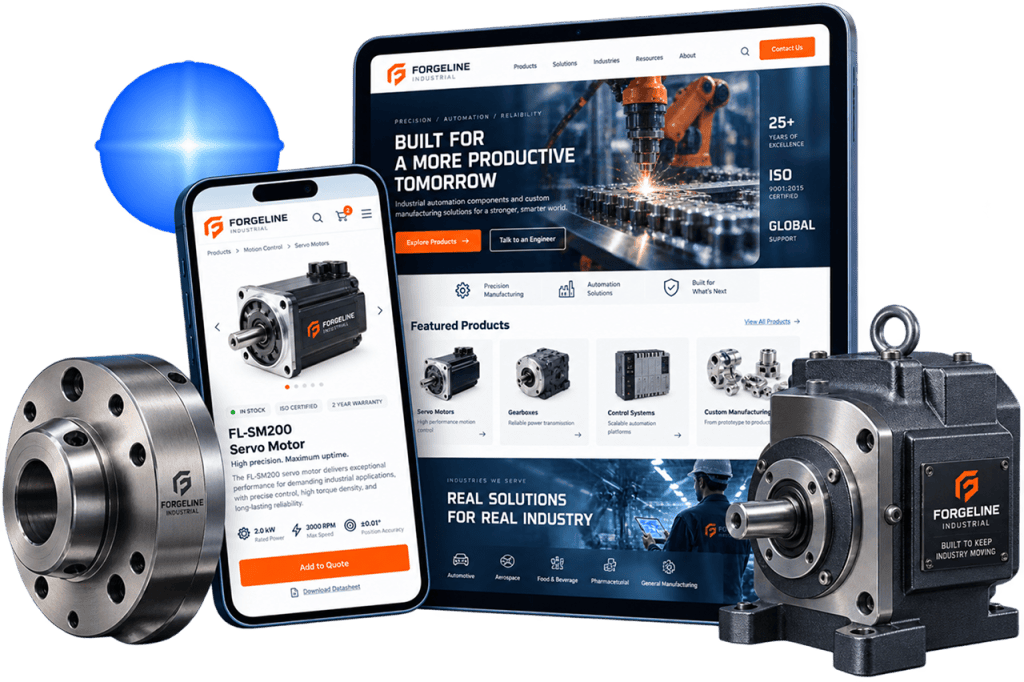
Industrial buyers may know the part, dimensions, material, capacity, certification requirement, application, or equipment context they need before they arrive. Product discovery has to work for people searching precise terms as well as buyers who need to narrow a broad catalog by technical attributes.
Search, filtering, category structure, documentation, product specifications, and supplier or product capabilities should help buyers confirm whether an item belongs in the consideration set. When a product requires consultation, configuration, or additional qualification, the site should make that path clear rather than pretending every product is a simple add-to-cart purchase.
Decide Which Products and Buyer Relationships Belong Online
Industrial ecommerce can serve end customers, distributors, dealers, procurement teams, or a mix of those audiences. Standardized products may fit self-service ordering and reordering, while complex or consultative products may need inquiry, quote, configuration, or assisted-sale paths. Existing channel relationships can also affect who should transact directly.
The storefront should reflect those business rules instead of forcing one universal checkout model. Always Open Commerce can support B2B account experiences, catalog visibility, customer groups, order workflows, product data, and development, while pricing strategy, channel policy, and commercial terms remain with the appropriate business owners.
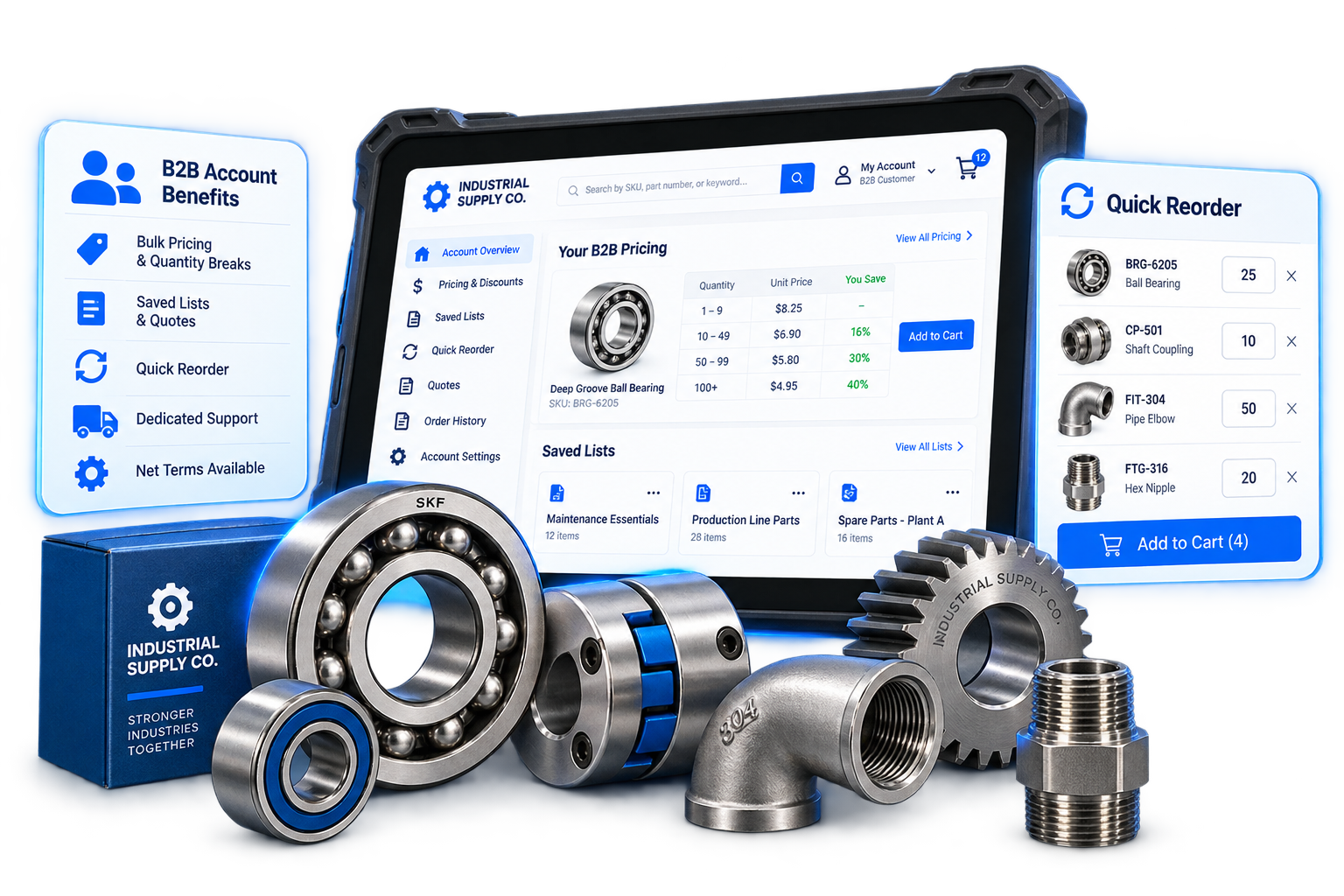
Support Four Industrial Buying Needs
Industrial ecommerce should reduce the work required to identify, evaluate, and reorder the right product. The supporting capabilities should be organized around those buyer tasks and the business rules behind them.
1
Find Products by Technical Requirement
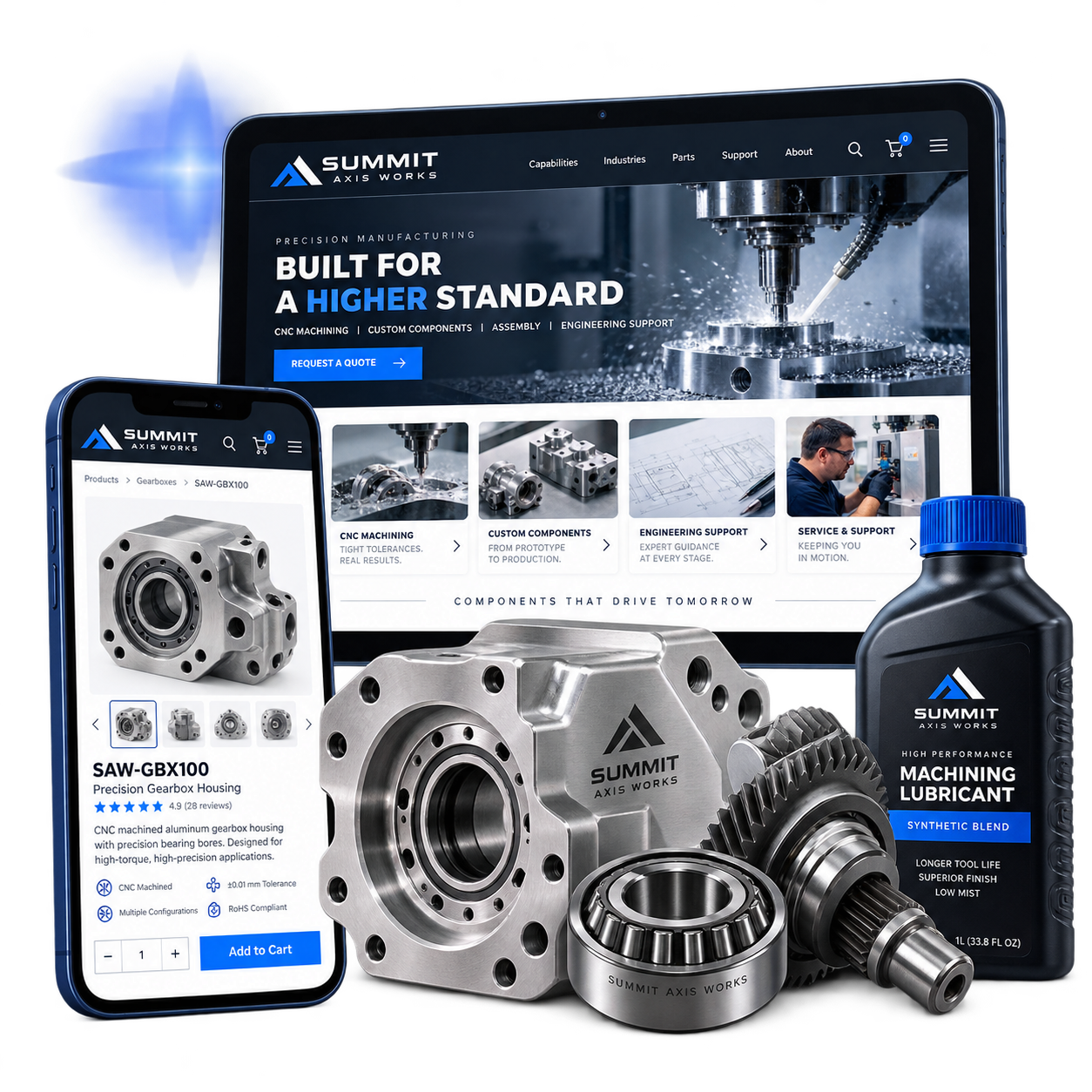
Search, filters, specifications, category structure, and product documentation can help buyers narrow large catalogs. UX/UI, product data, PIM, content, and development can support technical discovery.
2
Make Repeat Ordering More Efficient
Known products, account history, saved information, order tracking, and reorder paths can reduce effort for recurring purchases. Account and B2B workflows should match the way the business actually serves repeat customers.
3
Route Complex Purchases to the Right Path
Configured, consultative, quote-based, or application-sensitive products may need a different path from standardized items. Landing pages, forms, account experiences, and development can support those handoffs when requirements are defined.
4
Support Distributor and Direct Channels
Manufacturers may sell directly, through distributors, or both. Catalog access, account groups, dealer or distributor pathways, and order routing can reflect those relationships without assuming every customer should transact the same way.
Keep Product Data, Account Rules, and Operations Aligned
Industrial catalogs and buyer relationships can become difficult to manage when product information, account logic, distributor rules, inventory, and storefront behavior live in separate systems. A new attribute can affect filters and product pages. An account change can affect catalog access and ordering. A channel decision can change where a buyer should go next.
Always Open Commerce can coordinate product data, B2B UX, development, integrations, SEO/GEO, and ongoing support around the same operating model. The goal is to make digital self-service useful where it fits while preserving clear paths for the products and relationships that still need human involvement.
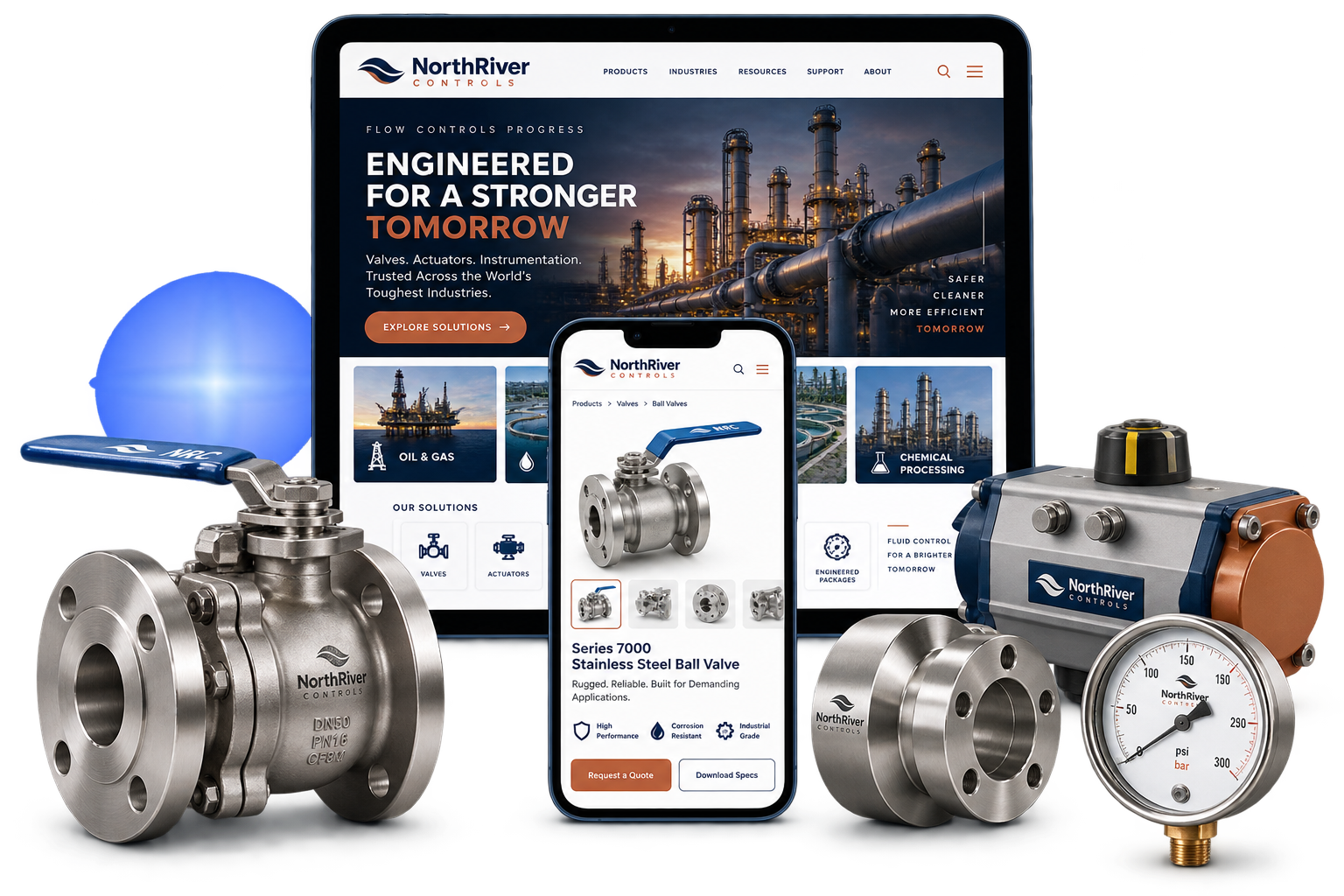
Selected Industrial and Manufacturing Work


Monthly
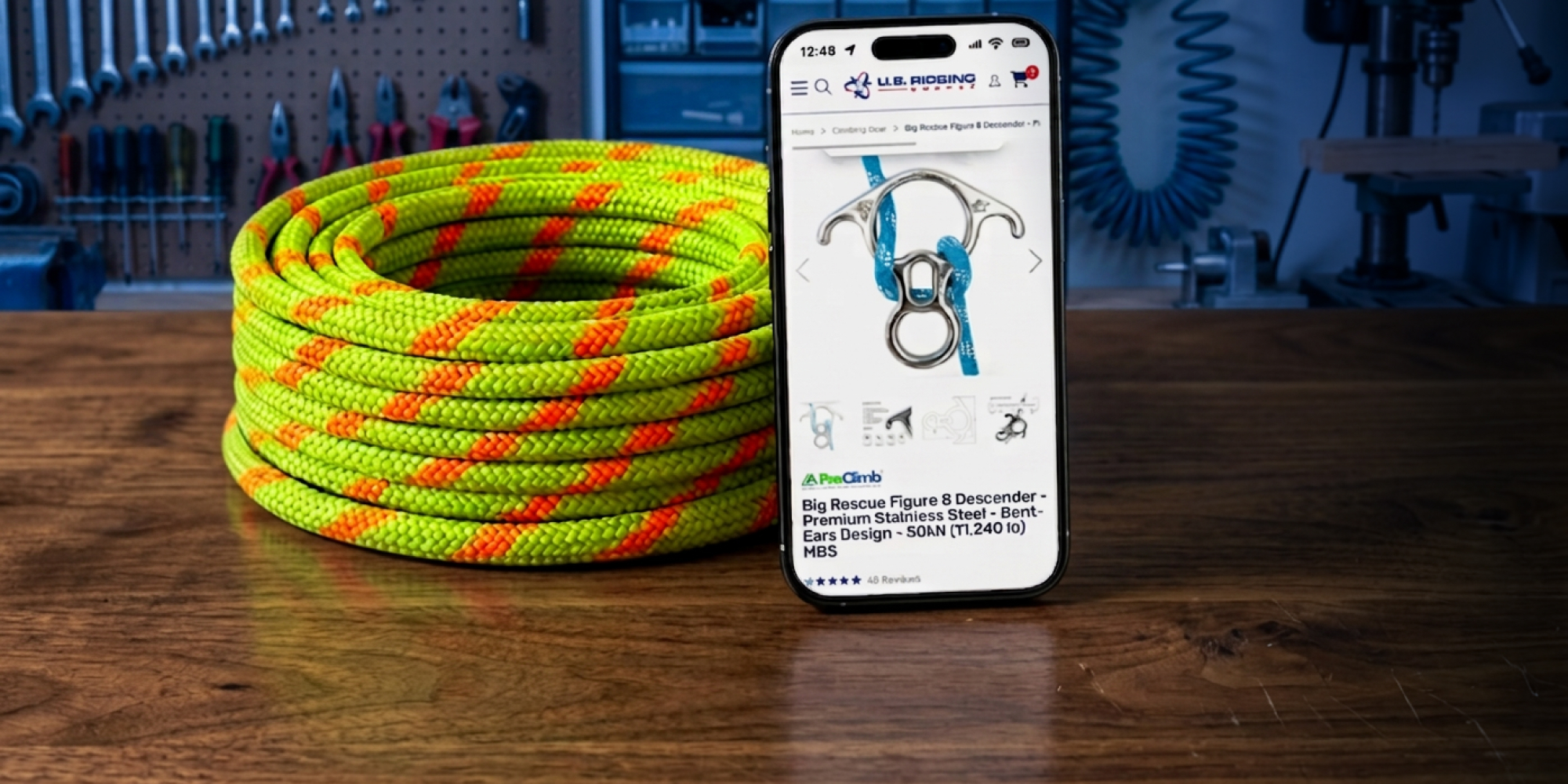
Built for Strength, Designed to Sell, Pelican Rope Launches a Modern BigCommerce Store with Ongoing Optimization
Recommended Tech Stack

Support complex catalogs, B2B requirements, account-based purchasing, multiple buyer types, and connected commerce operations from a shared platform.

Centralize product specifications, attributes, documentation, descriptions, and other product information that needs to remain consistent across commerce channels.

Connect ecommerce orders, inventory, fulfillment providers, and operational systems so commerce activity can move through a more coordinated order-management workflow.
Industrial and Manufacturing Ecommerce FAQs
Fitment data describes which vehicles or applications a product is compatible with, while product information describes the item itself, such as classification, attributes, specifications, brand, and media. Ecommerce needs both to help a shopper find and evaluate the right part.
Yes. YMM and other vehicle-selection experiences can involve fitment data, product attributes, UX, integrations, search and filtering, and custom development. The exact selector logic, data source, platform behavior, and fitment accuracy need technical verification before the implementation approach is finalized.
The right model depends on the business. Customer groups, account experiences, catalog visibility, pricing logic, order workflows, and dealer or wholesale needs can be considered together so trade buyers do not have to use a consumer-only journey.
Yes. B2B data and wholesale support are approved service areas. Customer groups, catalog structure, account experiences, order workflows, and related development can be considered together, with pricing and commercial terms controlled by the appropriate business sources.

 USA
USA
 Philippines


