


















































Flxpoint
Coordinate supplier inventory, product data, channels, and order routing without relying on disconnected spreadsheets and manual handoffs. Always Open Commerce helps ecommerce teams plan and support Flxpoint around catalog structure, source ownership, multichannel workflows, integrations, and storefront operations.
Decide How Supplier Inventory Should Behave Across Channels
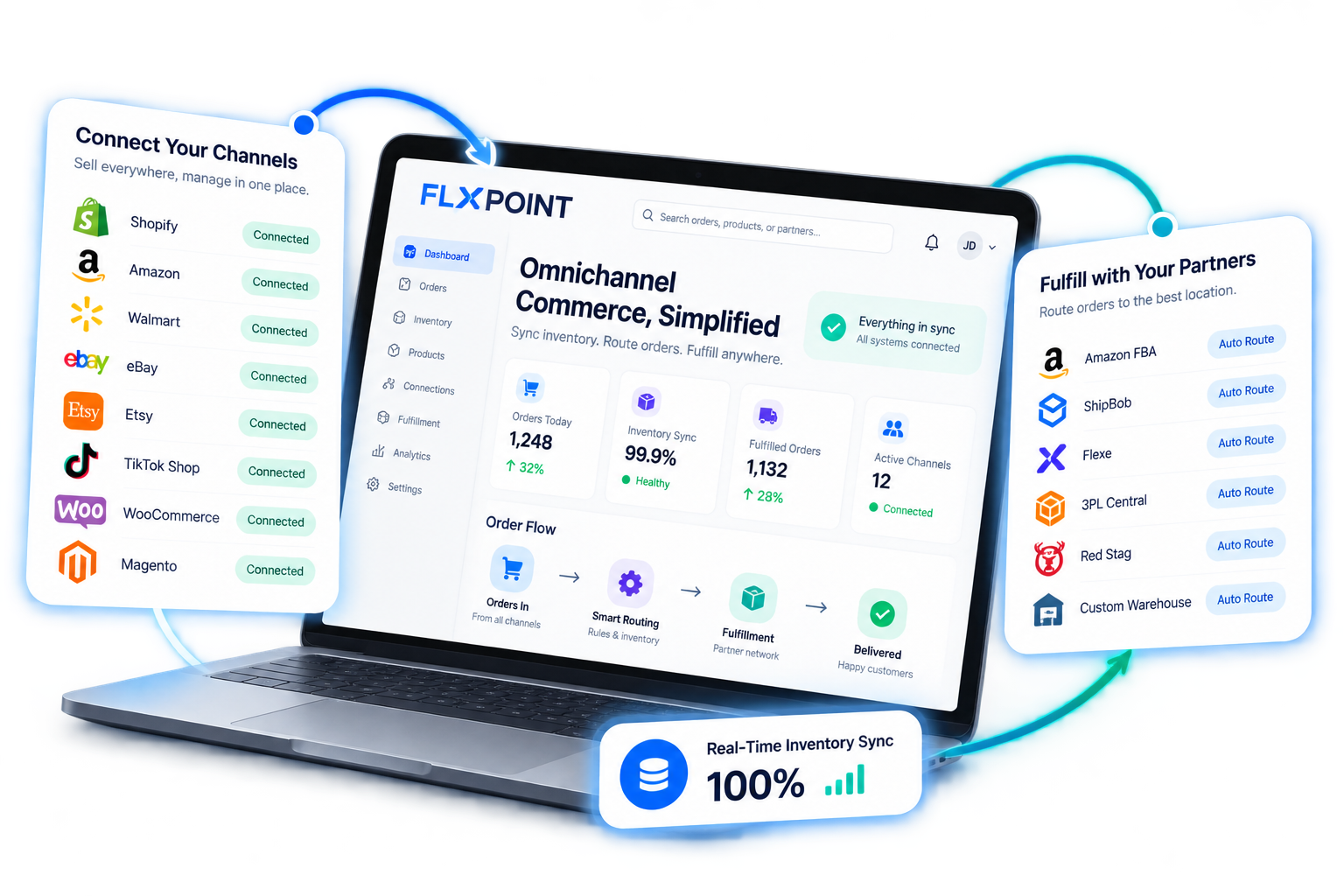
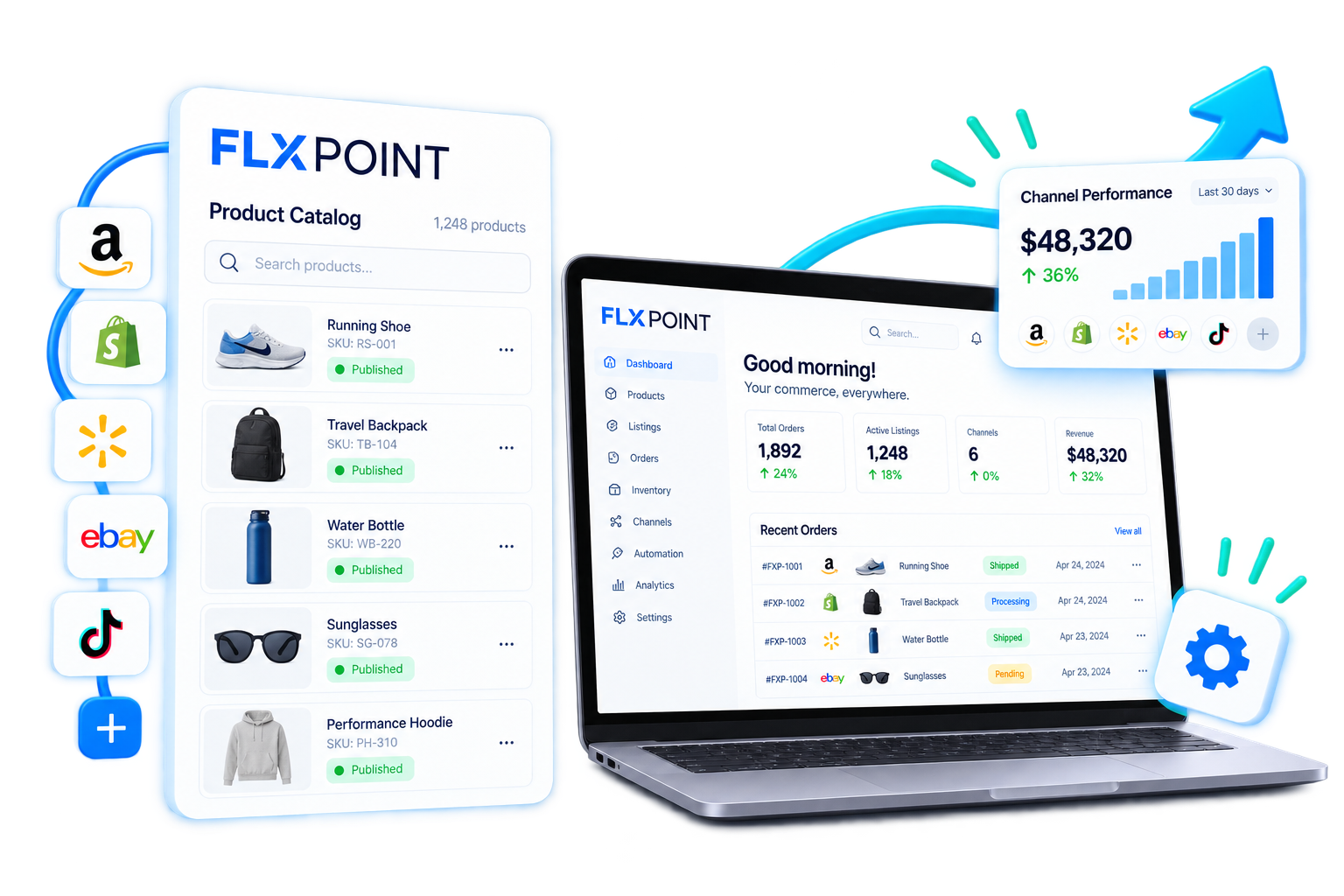
Multi-source commerce becomes difficult when the same SKU can come from several suppliers or warehouses and each source reports availability, cost, identifiers, or product content differently. Flxpoint brings supplier, channel, product, and inventory operations into one platform, but automation still depends on clear source rules and dependable data.
Start by defining which suppliers and locations are authoritative for each product, how quantities should be represented, and which channels should receive which listings. Always Open Commerce can help organize catalog, source, and channel requirements before implementation work turns inconsistent inputs into automated problems.
Define Order Routing Before Automating Fulfillment
Routing an order to a supplier or warehouse is a business decision before it becomes a software rule. Cost, location, inventory, source priority, split shipments, service expectations, and exception handling can all affect which source should fulfill an order.
Flxpoint supports distributed order management and routing across sources. Always Open Commerce can help document the ecommerce and operational logic, connect storefront and order requirements, and coordinate approved integration work. Exact routing rules, financial logic, supplier connectivity, and implementation feasibility require specialist and business-owner review.
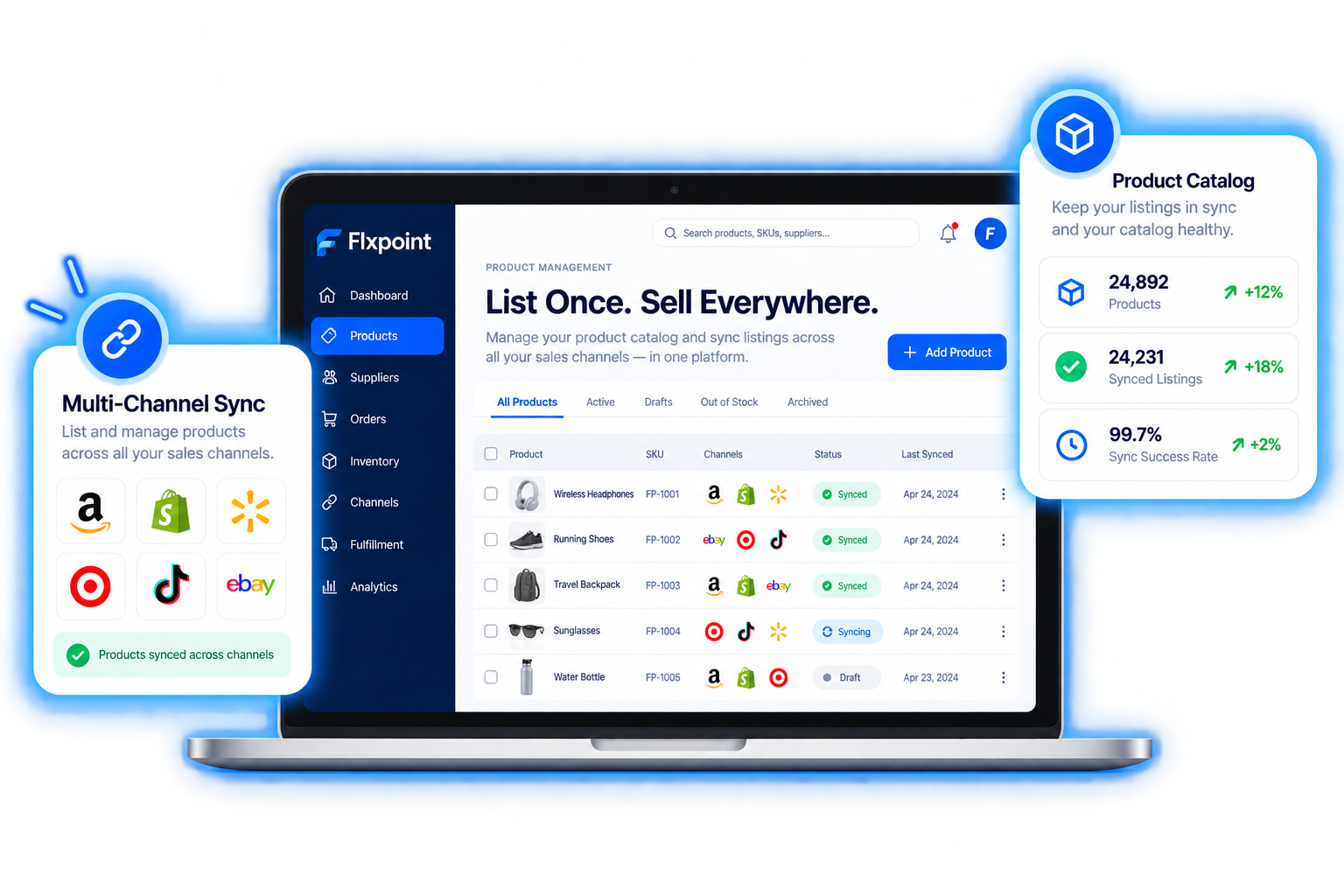
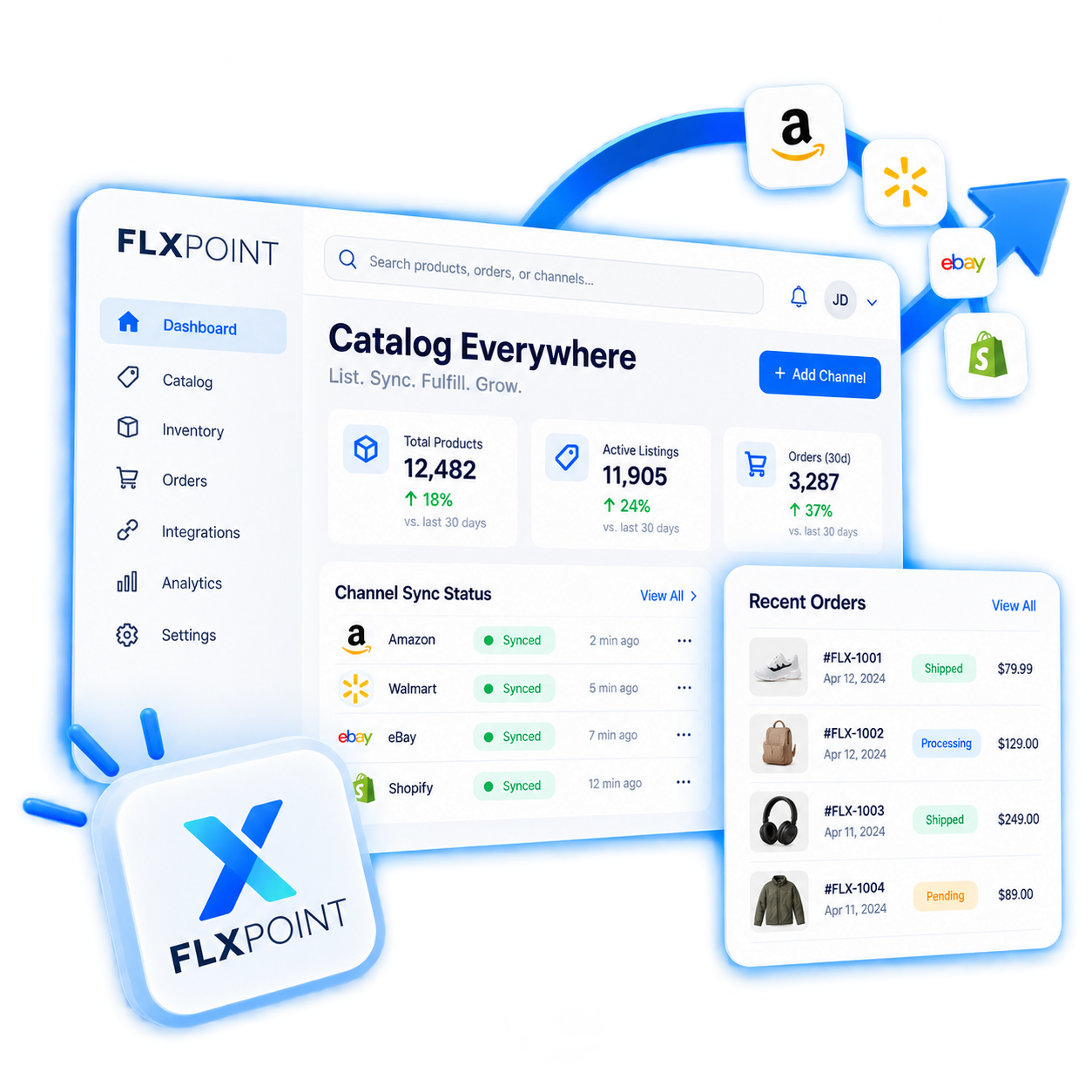
Flxpoint Work We Can Support
Support can focus on the ecommerce work around a new Flxpoint rollout, an existing multi-source setup, or a catalog and order workflow that needs clearer ownership.
1
Supplier & Source Requirements
Define supplier feeds, identifiers, locations, product ownership, inventory responsibilities, and exception paths so each source has a clear role in the commerce operation.
2
Catalog & Channel Data Flow
Organize product, pricing, inventory, image, and listing requirements as information moves from suppliers into the managed catalog and out to approved sales channels.
3
Order Routing & Fulfillment Coordination
Document the customer-order data and business rules that need to reach the correct supplier or warehouse, including what happens when an order cannot follow the normal path.
4
Integration, QA & Issue Resolution
Coordinate approved ecommerce, marketplace, accounting, shipping, or other system connections, then validate critical data and order paths. Exact connector behavior and technical feasibility require development review.
Keep Multi-Source Commerce Maintainable as the Network Changes
Suppliers, locations, channels, assortment, and routing priorities do not stay fixed. The operating model should make changes deliberate instead of allowing each new source or marketplace to create another one-off process.
1
Source Ownership & Onboarding
Establish who approves new suppliers, validates data, defines source priority, and confirms that a source is ready before its products or inventory affect live channels.
2
Channel & Listing Governance
Define which products belong on each channel, which system controls titles and attributes, and how channel-specific requirements are maintained without creating competing catalog masters.
3
Exception & Failure Handling
Document what should happen when inventory is missing, an order cannot route, a supplier rejects a request, tracking is delayed, or another operational exception occurs.
4
Ongoing Data & Order QA
Review critical inventory, listing, order, and fulfillment paths after supplier, channel, catalog, or integration changes so automation remains aligned with the intended workflow.

Flxpoint FAQs
Flxpoint is an ecommerce operations platform for managing supplier and warehouse sources, product and inventory data, multichannel listings, order routing, and fulfillment workflows.
No. Flxpoint is positioned for multi-source and multichannel operations that can include dropship suppliers, warehouses, distributors, marketplaces, and other fulfillment sources. The fit depends on the business model and systems involved.
Always Open Commerce can support the surrounding ecommerce work, including catalog structure, source requirements, multichannel planning, order-flow requirements, integration coordination, troubleshooting, and QA within an approved scope. Exact Flxpoint configuration and routing logic require technical review.
Identify the eligible sources, inventory ownership, routing priorities, cost or service considerations, split-order rules, exceptions, and the data each fulfillment source needs. Business owners should approve the routing logic before it is automated.
Supplier product data, identifiers, variants, pricing, inventory, images, and channel attributes determine what can be listed and how reliably orders can be matched to sources. Inconsistent inputs should be addressed as part of the implementation plan.

 USA
USA
 Philippines


