












































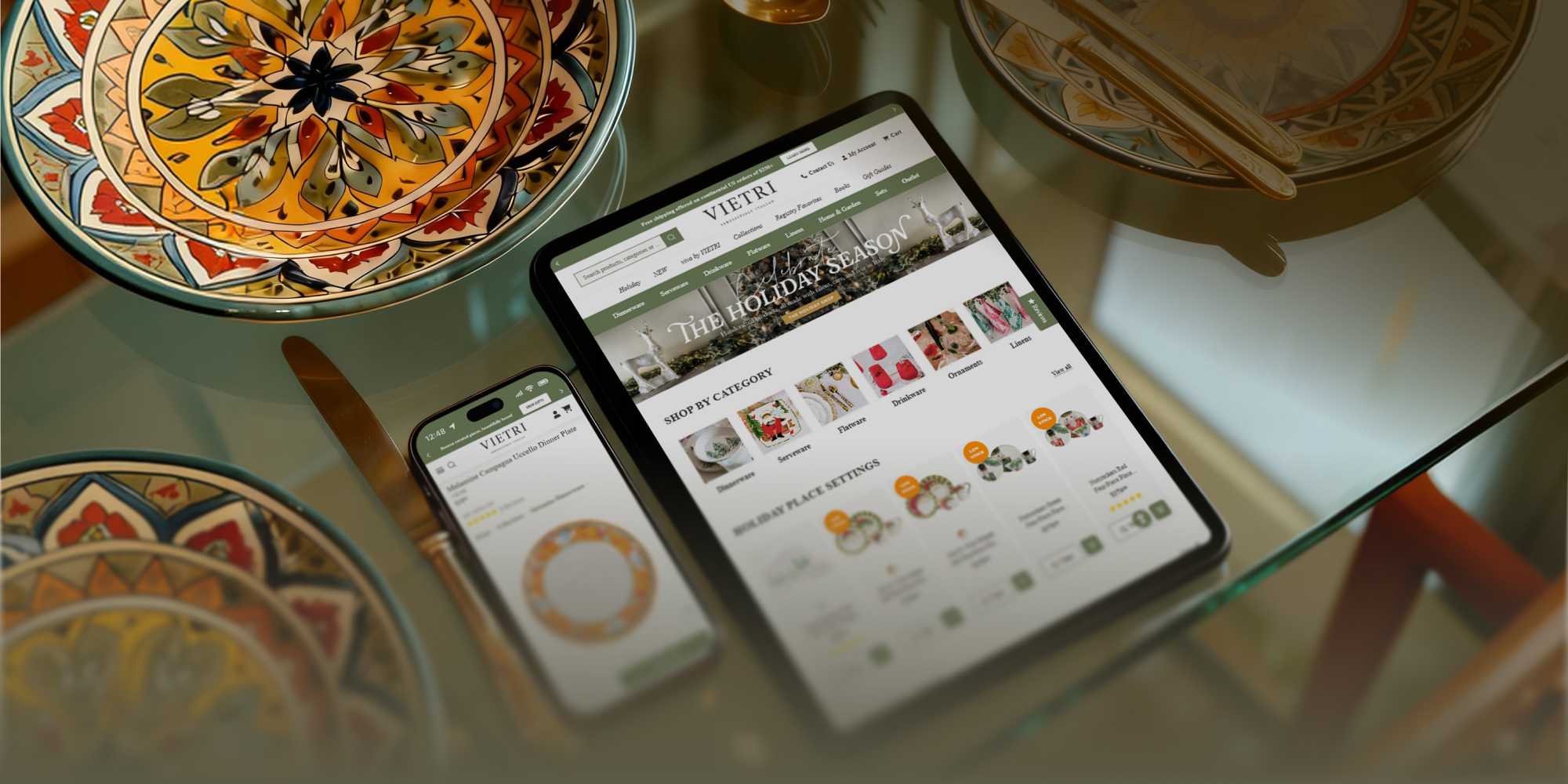

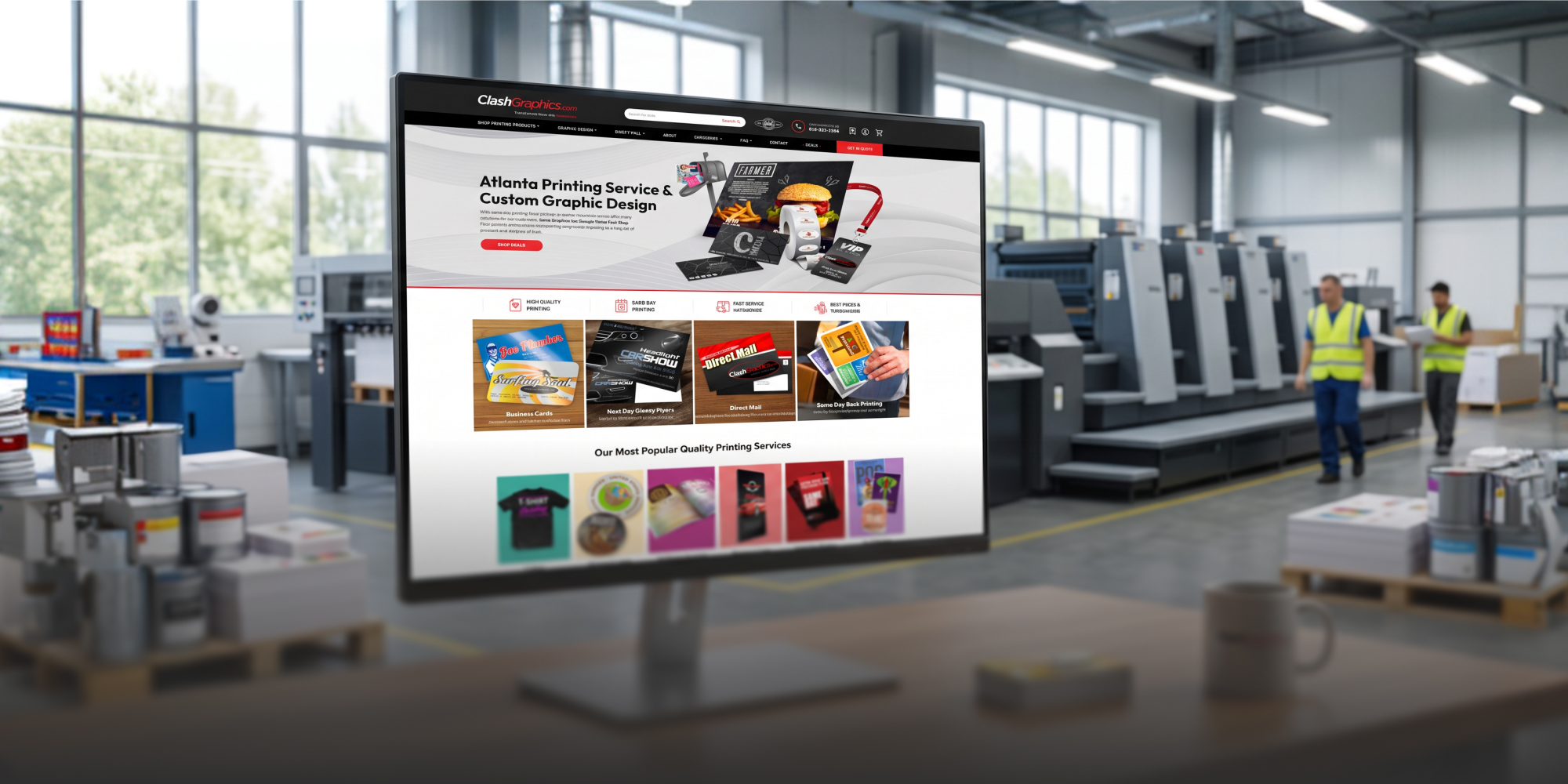

Storefront Experience & Product Customization
Storefront experience tools solve different customer-facing jobs. Some support page creation, testing, and personalization; others handle product customization, complex visual configuration, or gifting workflows. The right stack should start with the experience the business needs to create and the product, data, and operational systems that support it.
Choose by Storefront Experience Need
These technologies solve different storefront jobs and may be complementary in the same stack. Start with whether the primary need is page creation and optimization, product personalization, complex visual configuration, or gifting and recipient workflows.

Shogun
Shogun is a storefront experience platform for ecommerce teams that need visual page building, campaign and landing-page creation, A/B testing, and personalized storefront content without making product configuration the center of the tool.

Zakeke
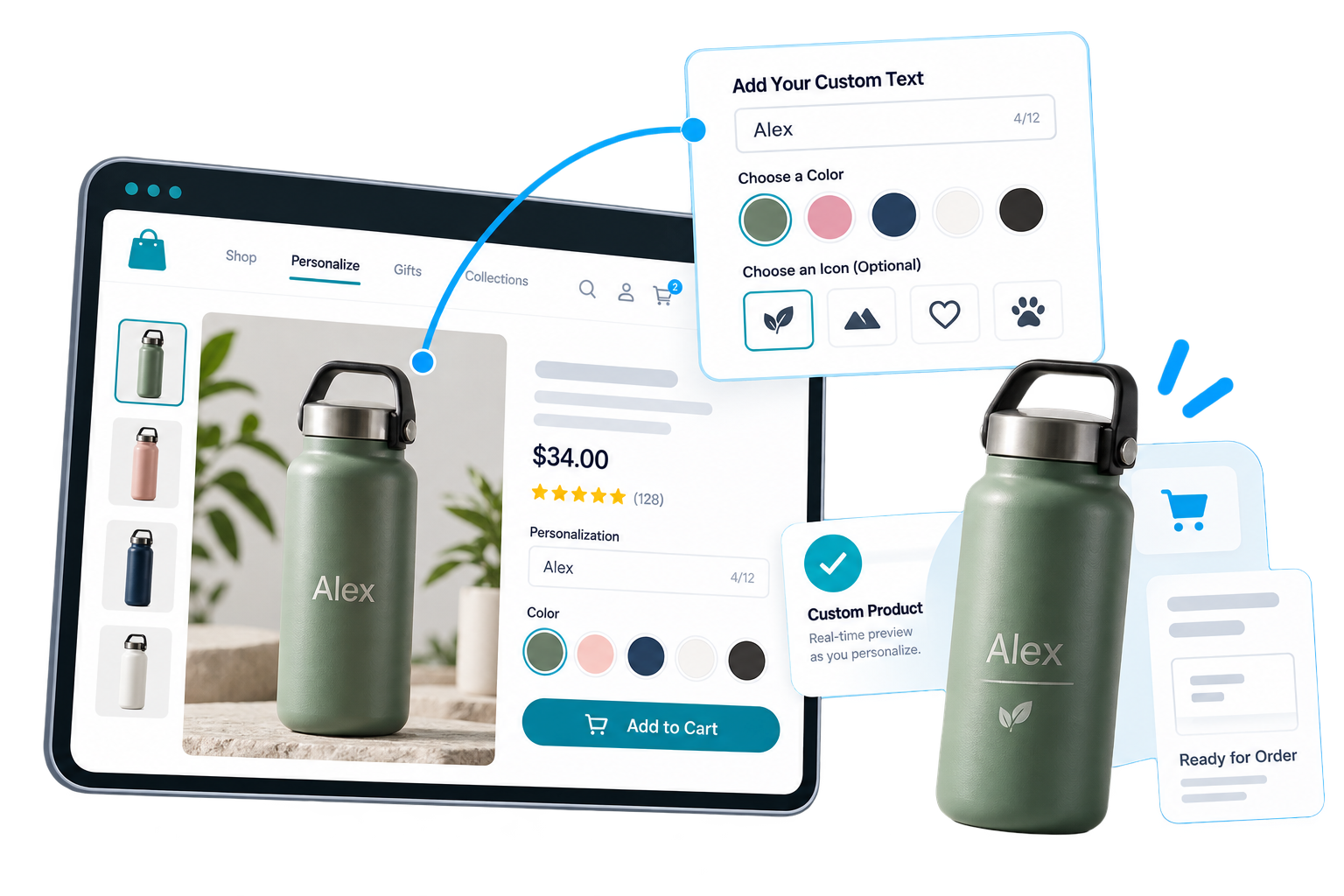
Zakeke is built around product personalization and visual commerce, including visual customization, web-to-print workflows, 3D configuration, 3D and AR experiences, and production-ready outputs for customized products.

Threekit
Threekit is designed for complex visual product configuration, connecting product rules and options to 3D visualization, AR, configurable imagery, and interactive buying experiences for catalogs with many possible configurations.

Giftship
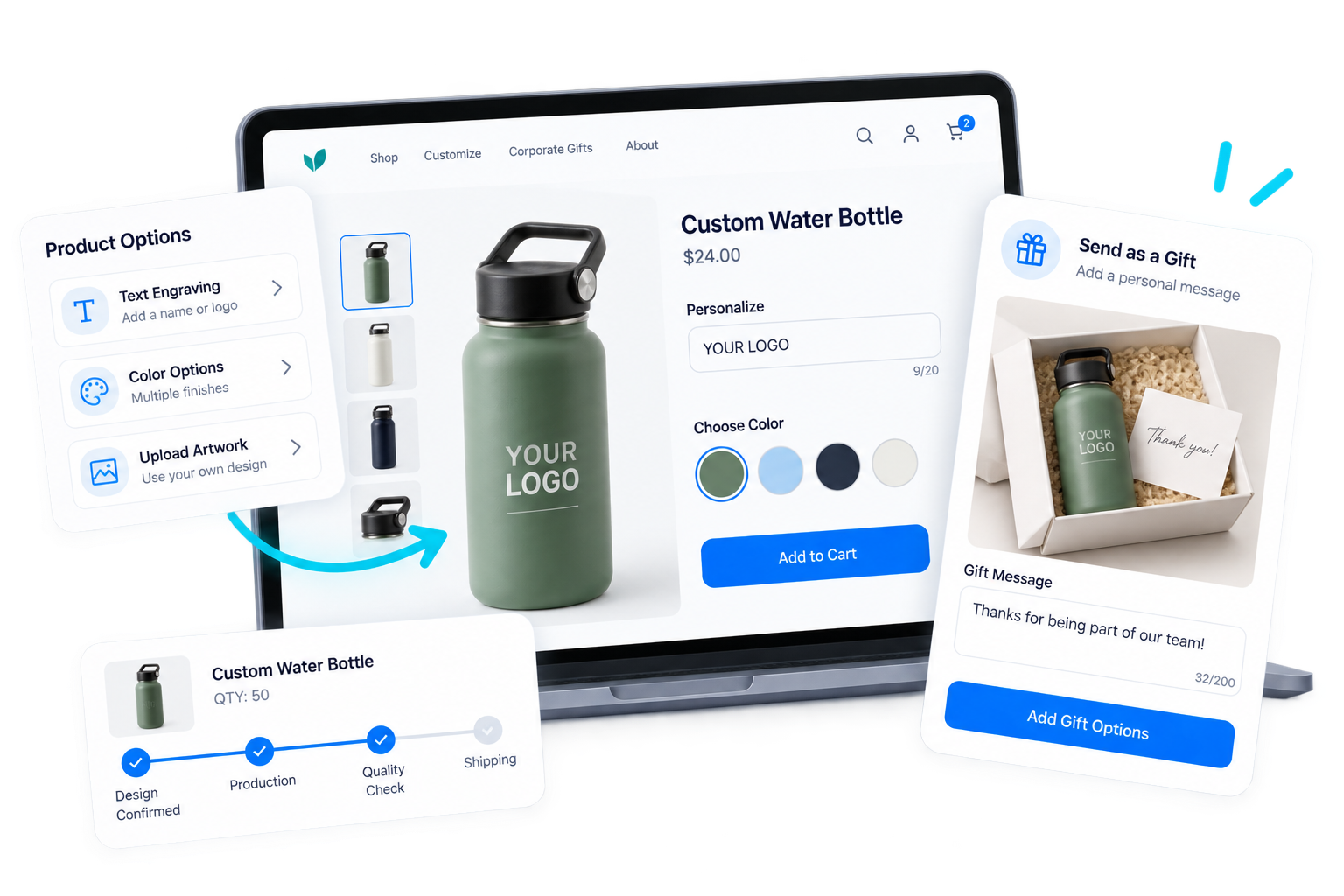
Giftship is a Shopify gifting platform for multi-recipient shipping, gift messages, delivery-date collection, box-building, product and cart options, and related gifting workflows that affect both the storefront and the order process.

Evaluate Experience Needs, Product Rules, and Operational Ownership
Evaluate the stack around what shoppers or internal teams need to do, which product rules, content, assets, or data the experience depends on, how the technology fits the ecommerce platform, and who owns the customer-facing and operational workflows after implementation.
Customer Experience & Publishing Need
Define what shoppers or internal teams need to do differently, whether the need involves page and campaign creation, personalization, product customization, visual configuration, gifting, recipient workflows, or another customer-facing interaction.
Product Rules, Assets & Data
Review the product information, configuration rules, options, 2D or 3D assets, personalization inputs, gifting information, content, and source systems the experience depends on so the customer-facing interaction stays connected to manageable data.
Platform Fit, Operations & Ownership
Evaluate how the technology fits the ecommerce platform and theme, what integrations or development are required, which teams own content or product rules, how customer inputs affect orders or operations, and which technical dependencies require specialist review.
Support the Storefront Experience Stack
Once the storefront job and system dependencies are clear, Always Open Commerce can coordinate approved UX, development, product-data, integration, and CRO work around the experience without treating page building, product configuration, and gifting as the same implementation problem.
Design the Customer Journey
Use UX / UI Design to shape approved page experiences, product interactions, personalization journeys, configuration flows, gifting paths, mobile behavior, and information hierarchy around the customer need.
Implement Storefront Interactions
Use Custom Development when approved storefront functionality, components, product interactions, or workflow requirements need implementation beyond standard platform or app configuration.
Connect Product and Order Data
Use API Integrations when approved product, configuration, customer, gifting, order, or storefront data needs to move between the experience layer, ecommerce platform, and connected systems. Exact feasibility requires technical review.
Improve the Experience With Evidence
Use Conversion Rate Optimization when approved behavioral and quantitative evidence identifies friction in page, personalization, configuration, or gifting experiences that should be investigated or tested without assuming a guaranteed conversion outcome.
Frequently Asked Questions
Start with the customer-facing job: page creation and optimization, product personalization, complex visual configuration, gifting, or recipient workflows. Then review product rules, data, assets, integrations, and ownership.
Yes. They solve different jobs and may be complementary when page experiences, personalized products, configuration, and gifting need to coexist in the same storefront.
Yes. Always Open Commerce can support approved UX, custom development, product-data, integrations, CRO, diagnostics, and ongoing improvements around the existing experience stack.
Review theme and platform fit, product rules, content, 2D or 3D assets, customer inputs, order impact, data ownership, integrations, mobile behavior, operational responsibilities, and technical dependencies.

 USA
USA
 Philippines


