





















































Shipping & Fulfillment
Shipping and fulfillment systems need to connect the checkout promise with what actually happens after the order is placed. Rates, routing, fulfillment execution, order orchestration, returns, and system connections may sit in different platforms, so the stack should be planned around clear ownership across the order lifecycle.
Choose by Shipping and Order-Operations Role
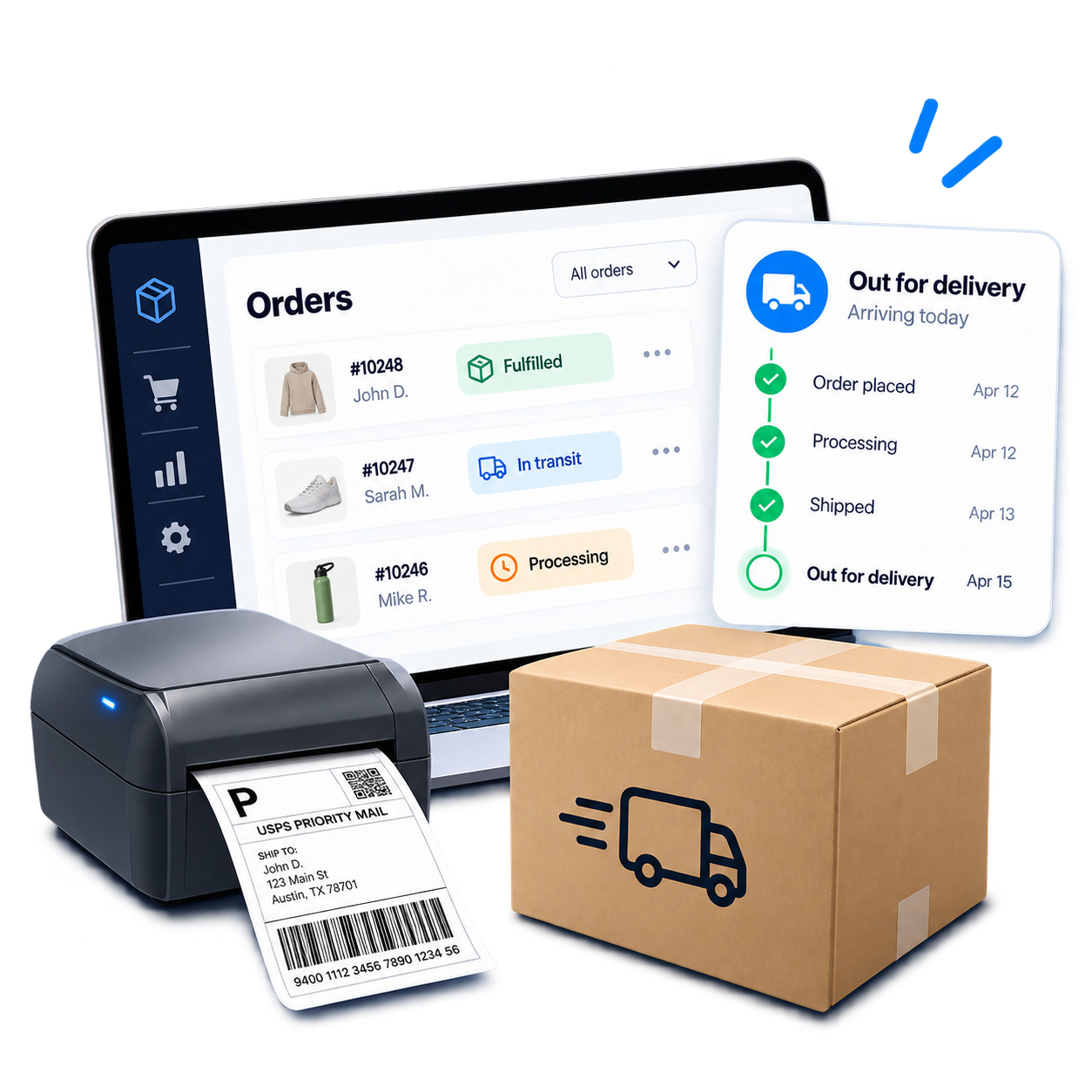
These platforms sit at different points in the order lifecycle. Start with whether the problem is checkout shipping logic, fulfillment execution, cross-system order orchestration, or returns and post-purchase operations.

ShipperHQ
ShipperHQ is designed around the shipping options shown at checkout, including rates, methods, rules, surcharges, restrictions, and other logic that determines what a customer can select and what the business can support.

ShipStation
ShipStation is centered on shipping and fulfillment execution after orders are created, bringing order management, rate comparison, labels, automation, tracking, inventory, and related fulfillment workflows into one operating environment.

Pipe17
Pipe17 sits between selling channels and fulfillment systems as an Order Operations platform, combining connectivity with order management to route orders, synchronize operational data, and coordinate fulfillment across a connected network.

Loop Returns
Loop Returns focuses on returns and post-purchase operations, including self-service return journeys, exchanges, store credit, refunds, order changes, and connections with ecommerce, logistics, and support systems.
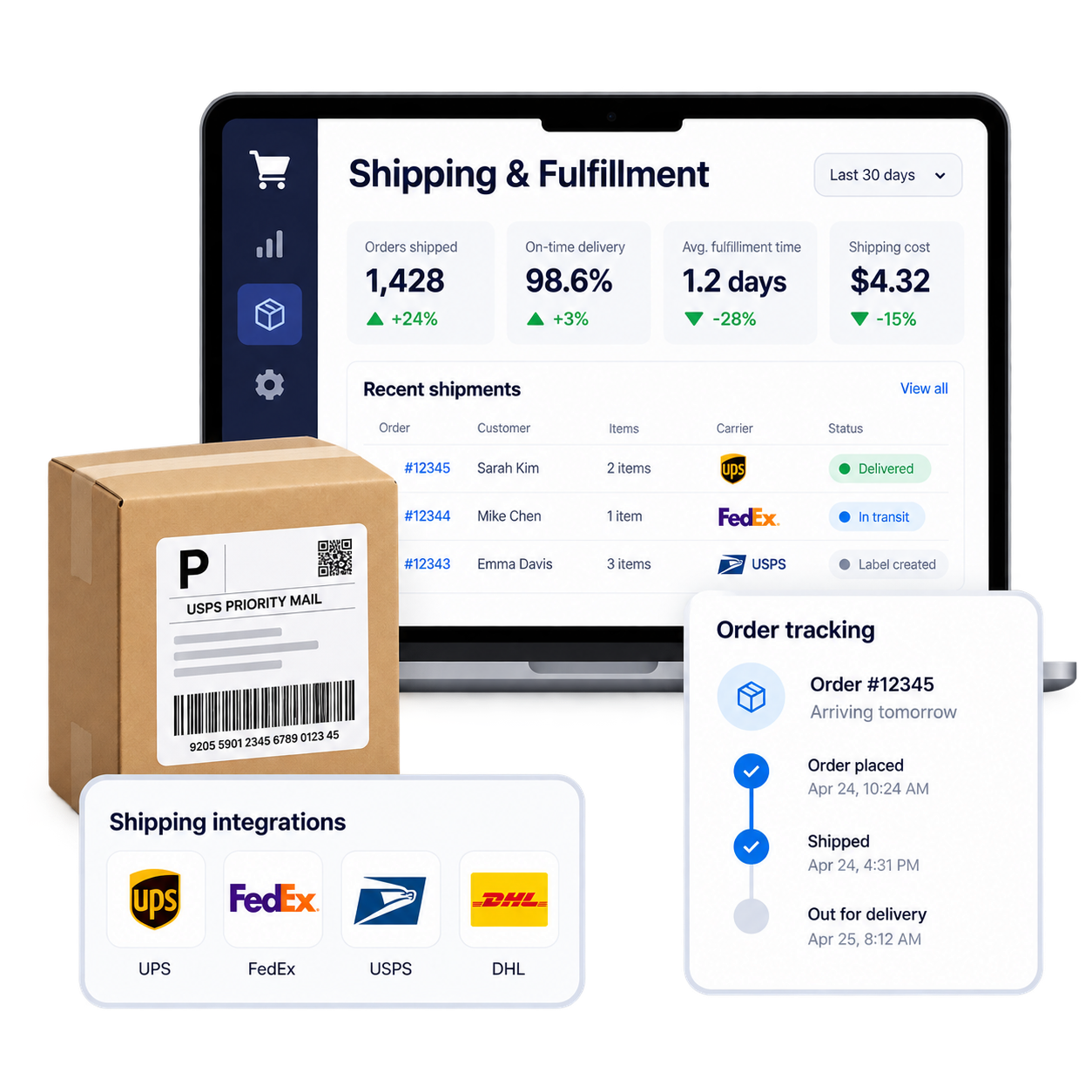
Evaluate Shipping Logic, Order Flow, Returns, and System Ownership
Evaluate the stack around the shipping choices presented to customers, how orders move into fulfillment, who owns routing and status updates, how returns and exceptions are handled, and which systems need to exchange data across the order lifecycle.
Shipping Logic & Customer Promise
Define the rates, methods, rules, restrictions, delivery information, and other shipping choices the storefront should present without separating checkout expectations from what operations can actually fulfill.
Order Flow & Fulfillment Ownership
Map how orders move from selling channels into shipping and fulfillment processes, which platform or team owns each step, and where routing, inventory, status updates, or manual handoffs create operational risk.
Returns, Exceptions & Connected Systems
Consider how returns, order exceptions, inventory, fulfillment systems, customer communication, and other connected workflows fit around the order lifecycle so the stack has clear responsibilities when the standard path changes.
Support the Shipping and Order-Operations Stack
Once the operating roles are clear, Always Open Commerce can coordinate approved storefront, integration, development, diagnostics, and maintenance work around the shipping and order systems without assuming every platform owns the same part of the lifecycle.
Connect Order and Fulfillment Systems
Use API Integrations when approved order, fulfillment, shipping, returns, inventory, or status data needs to move between the storefront and operational systems. Exact feasibility requires technical review.
Implement Storefront and Shipping Requirements
Use Custom Development when approved shipping, checkout, order, or operational requirements need storefront or workflow functionality beyond standard platform configuration.
Diagnose Shipping and Order-Flow Issues
Use Bug Fixes & Diagnostics to investigate defined shipping, order-flow, integration, or storefront issues and route technical findings into the appropriate correction path.
Maintain Operational Configurations
Use Ongoing Maintenance for approved configuration changes, troubleshooting, platform updates, and related ecommerce work as shipping, fulfillment, and returns requirements evolve.

Frequently Asked Questions
Start with the part of the order lifecycle that needs ownership: checkout shipping logic, fulfillment execution, order orchestration, or returns. Then map the required data, integrations, and operating team.
Not always. Some platforms overlap, but separate systems may fit distinct checkout, warehouse, orchestration, or post-purchase needs. The decision should follow the operating model and system responsibilities.
Yes. Always Open Commerce can support approved storefront changes, integrations, diagnostics, custom development, configuration work, and ongoing maintenance around the existing stack.
Review checkout rules, carrier services, rates, order routing, fulfillment ownership, inventory, tracking, returns, customer communication, integrations, and operational exceptions before changing platforms.

 USA
 Philippines


