

















































Launch Support
Go-live brings separate workstreams into one critical transition. Always Open Commerce helps coordinate pre-launch QA, readiness decisions, issue ownership, communication, and defined post-launch checks so important dependencies remain visible.
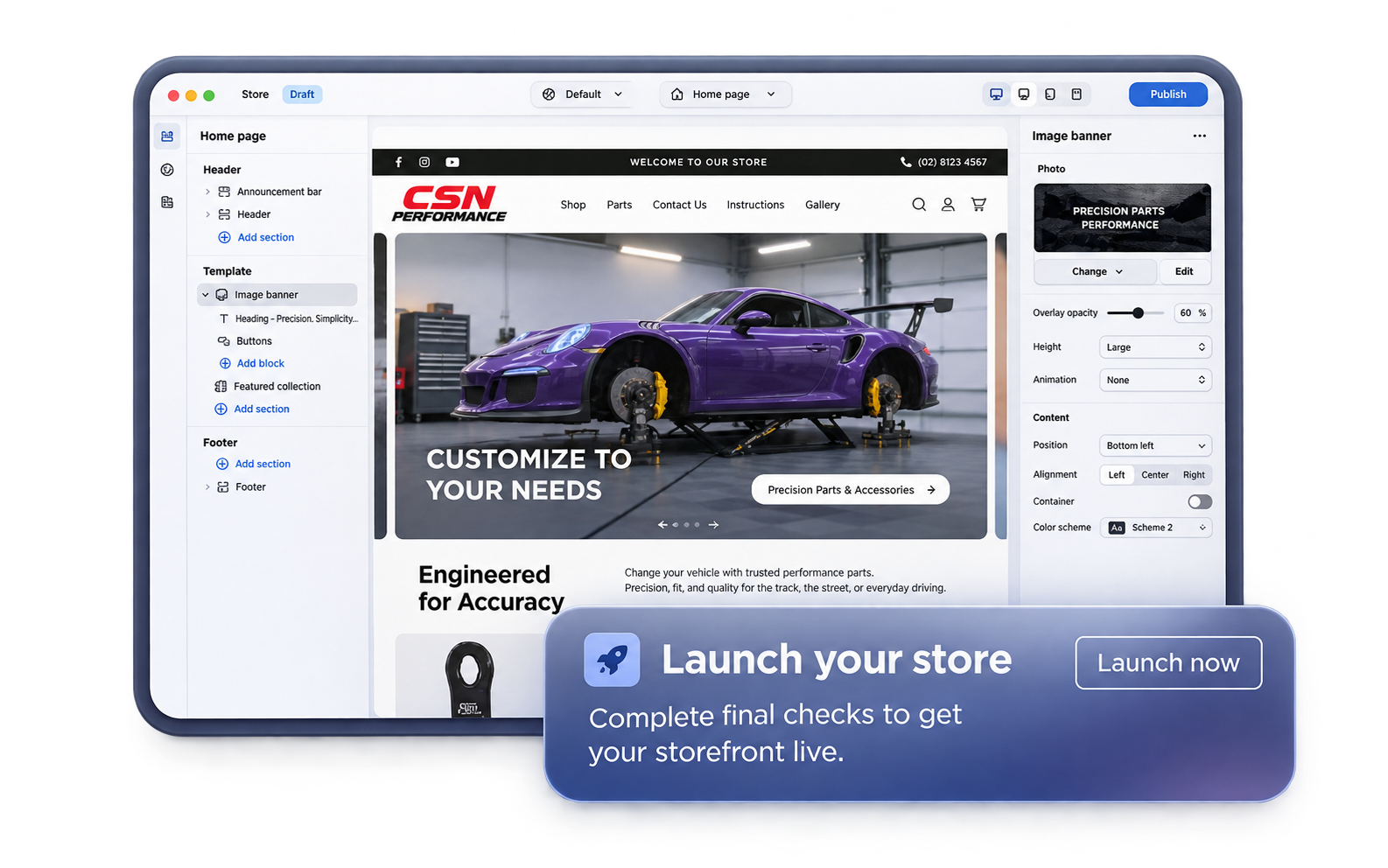
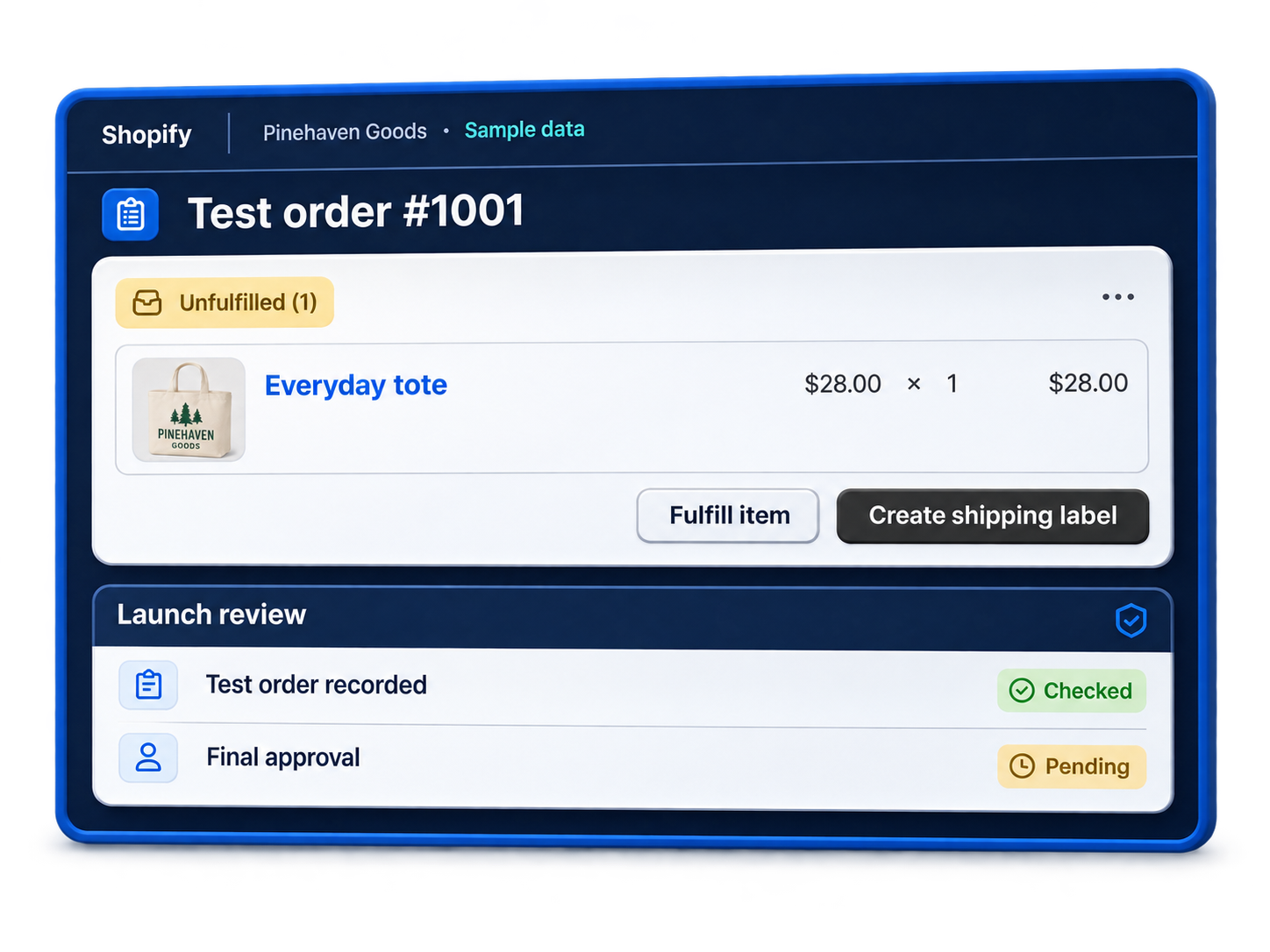
Get the Final Stage Under Control Before Go-Live
Completing the build does not automatically mean a store is ready to launch. Open issues, late changes, unclear ownership, incomplete checks, or disconnected teams can still disrupt the final transition.
Launch Support helps teams coordinate readiness, track unresolved items, assign owners, and plan the go-live sequence and immediate post-launch checks. It covers the approved launch transition rather than ongoing maintenance or new feature development.
Pre-Launch QA, Go-Live Ownership, and Post-Launch Checks
Launch Support brings the approved final-stage activities into one coordinated view. The checklist varies by project, but readiness, assigned owners, open issues, and the go-live sequence should be clear before launch.

Pre-Launch QA Coordination
Organize the in-scope checks that need to happen before go-live and make sure identified issues have a clear path for review or resolution.

Launch Checklist & Readiness
Bring the agreed launch requirements into one working checklist so the team can see what is complete, what is still open, and what may affect readiness.

Go-Live Planning
Define the launch sequence, responsibilities, timing dependencies, and communication points needed for the approved transition.

Issue Tracking & Team Communication
Track launch-related issues, assign clear owners, and coordinate updates across teams so critical items stay visible through go-live.

Post-Launch Monitoring
Review the immediate post-launch period for in-scope issues and route what is found to the appropriate owner or follow-up workstream.
Separate Launch-Critical Work From Follow-Up Work
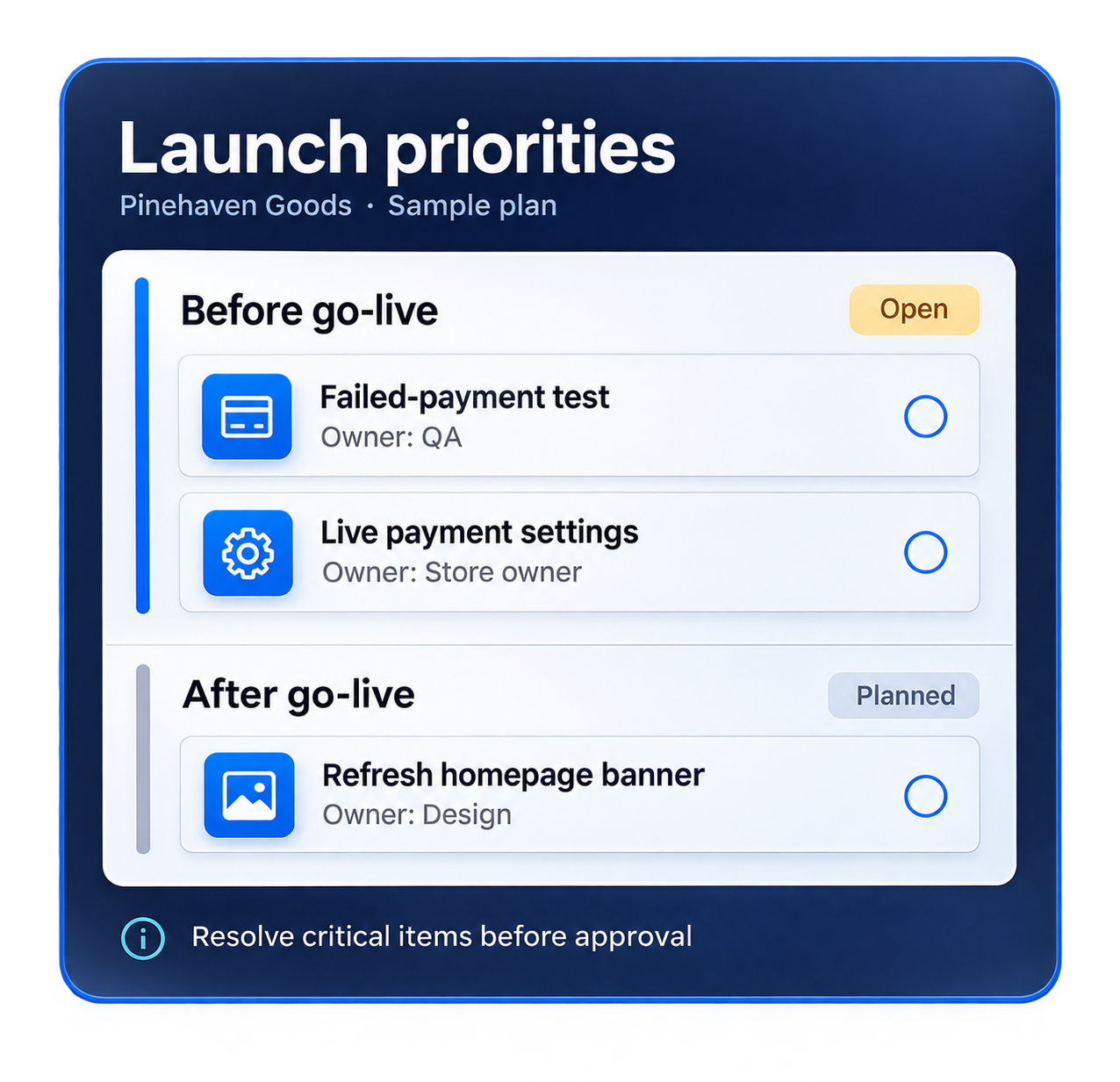
A launch can be technically possible while important decisions remain unresolved. Before go-live, identify day-one requirements, separate follow-up improvements, assign owners to open items, and flag specialist checks that may affect readiness.

What Must Be Ready on Day One?
Separate launch-critical requirements from improvements that can happen later so the final stage stays focused on what the approved project actually needs for go-live.
Who Owns Each Open Item?
Assign responsibility for unresolved issues, approvals, client inputs, vendor dependencies, and specialist checks so the launch is not waiting on an unnamed owner.
What Requires Specialist Validation?
Some findings may need development, design, search, analytics, or another specialist to confirm readiness. Launch coordination should surface those dependencies rather than make unsupported technical calls.
What Happens After Go-Live?
Define the post-launch monitoring window and issue path in advance. New features, unrelated requests, or ongoing maintenance remain separate unless they are part of the approved scope.
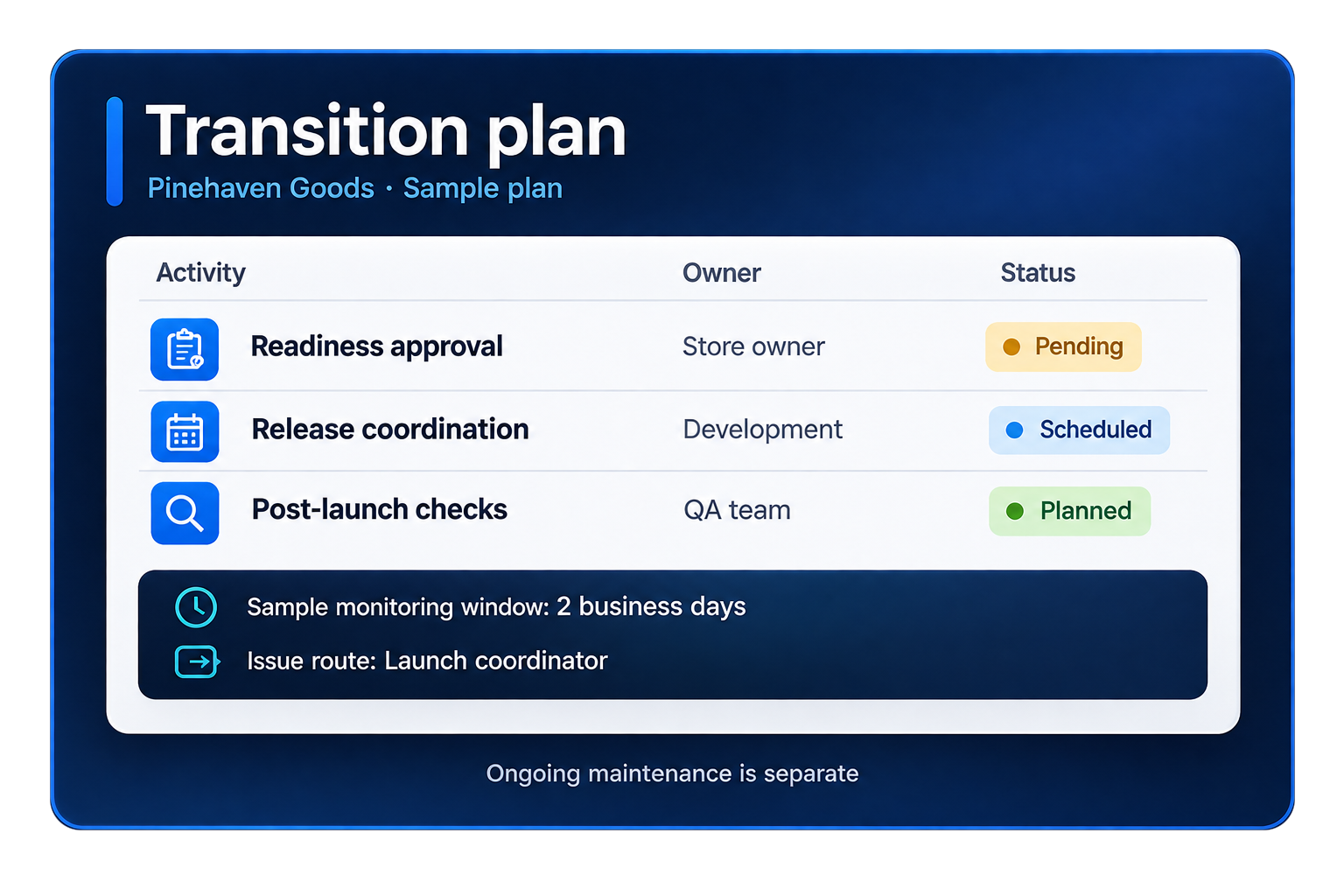
Launch With a Plan for the Transition, Not Just the Date
A launch date creates a deadline. It does not create ownership. The practical value of Launch Support is making the final transition easier to manage by connecting QA, open issues, go-live responsibilities, communication, and immediate post-launch review around the same plan.
When the launch requires multiple specialists, Always Open Commerce can coordinate their work around the approved transition. Ongoing Maintenance, unrelated requests, and new feature development remain separate unless explicitly included in scope.
Launch Support in Practice
Ecommerce Builds
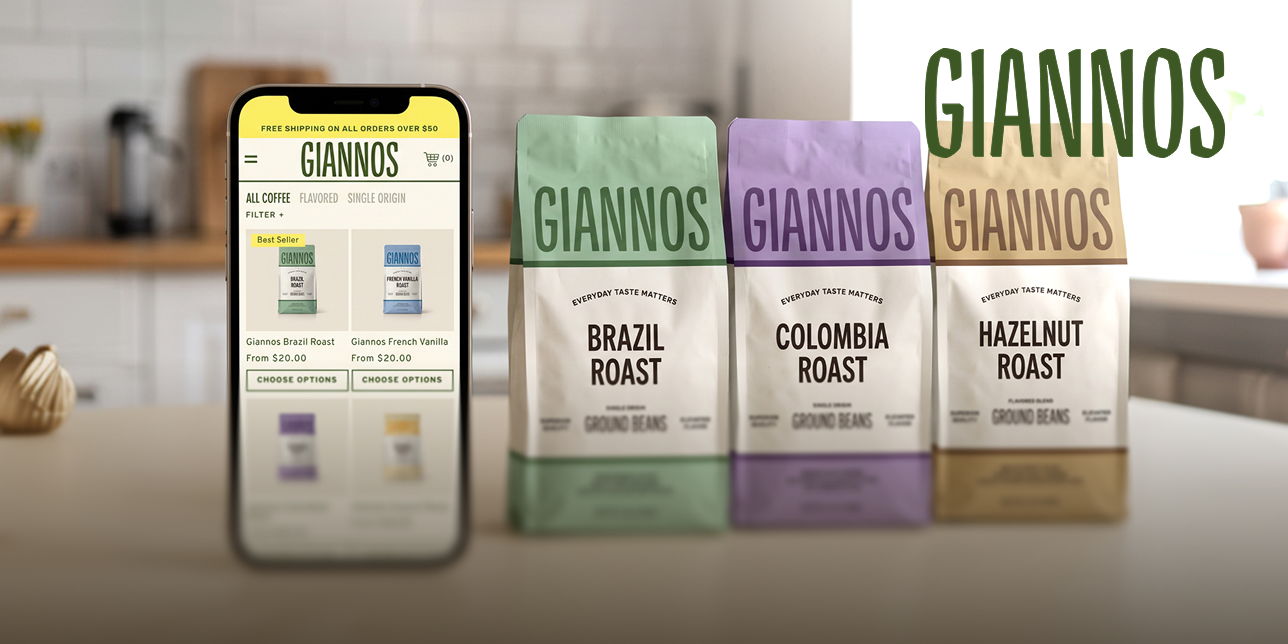
Rescuing a Delayed Shopify Build and Bringing Giannos’ Figma Design to Life
Launch Planning & Readiness

Define project requirements, scope, and next steps before committing to ecommerce design or development.

Plan storefront structure, navigation, essential apps, QA, and launch needs around how customers shop.

Coordinate storefront, data, URL, app, and integration changes with a clear migration and go-live plan.
Frequently Asked Questions
Launch Support can include pre-launch QA, launch checklists, go-live planning, issue tracking, team communication, and post-launch monitoring. The exact activities depend on the approved project and launch requirements.
Launch Support is most useful when a store is approaching go-live, when several teams or dependencies need coordination, or when the final stage has open issues and unclear ownership.
No. Launch Support can identify, track, and coordinate issues, but fixes, new features, advanced diagnostics, vendor work, or unrelated requests may require separate review and scope.
Yes, when the approved launch requires it. Always Open Commerce can coordinate the relevant project, development, design, search, analytics, and other specialist workstreams without implying every specialty is included in every launch.
Post-launch monitoring can be part of the approved launch window. Issues found after go-live can be documented and routed to the appropriate owner or follow-up workstream.
No. Launch Support can apply to new store builds, platform migrations, theme transitions, relaunches, and recovered projects when the final move to go-live needs organized coordination.

 USA
 Philippines


