





















































Firearms & Tactical
Technical catalogs, distributor data, inventory sources, and regulated handoffs make firearms and tactical ecommerce operationally different from ordinary retail. Always Open Commerce coordinates the customer-facing and system work while keeping eligibility, legal, and compliance decisions with the appropriate owners.

Structure Firearms Product Discovery Around Specifications and Compatibility
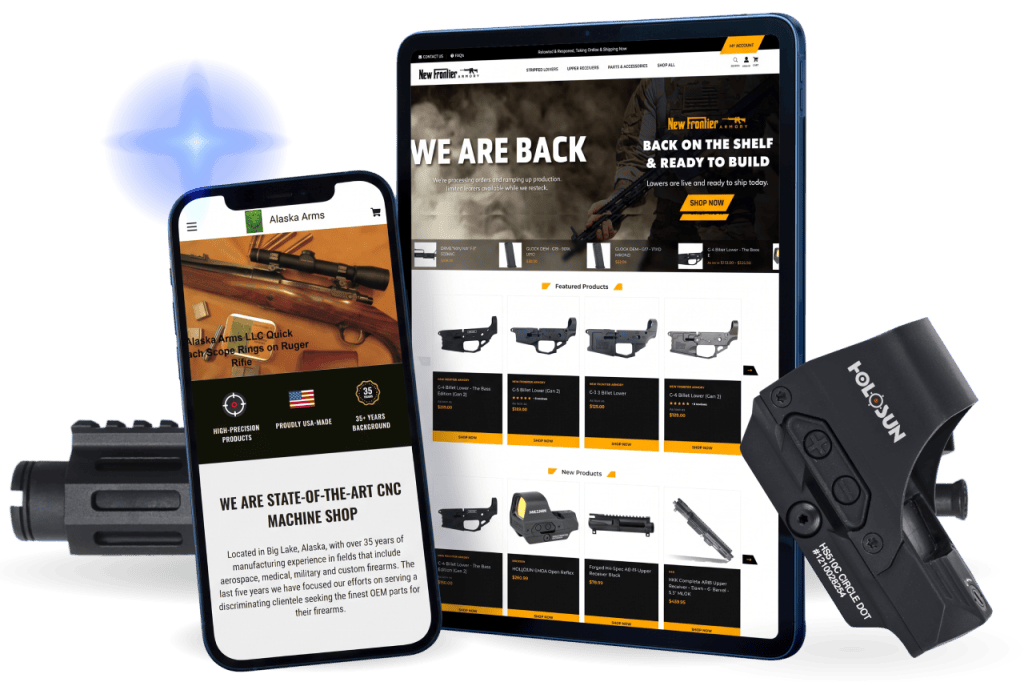
Customers shopping for specialized firearms and tactical catalogs may need to compare specifications, compatibility, product relationships, available configurations, and inventory sources before they can decide what fits their needs. A generic category structure can make a technical assortment harder to navigate, especially when shoppers use both common product language and precise terminology.
Search, filtering, navigation, product relationships, and structured attributes should help customers narrow the catalog without hiding the detail experienced buyers expect. Product pages can then carry the specifications, options, media, and approved supporting information needed for evaluation.
Make Dealer Selection and Fulfillment Handoffs Clear in the Order Journey
Firearm ecommerce does not always follow the same path as unrestricted retail. Orders may involve dealer selection or verification, local or distributor inventory, different destinations for different product types, and status communication that reflects more than a standard shipment. The storefront needs to explain the customer-facing steps that apply without making unsupported legal or compliance promises.
Those steps depend on current business rules, systems, data, and applicable requirements. Always Open Commerce can support storefront UX, catalog and inventory data, integrations, order-state communication, and development, while regulated eligibility, transfer, legal, and compliance decisions remain with the appropriate business and specialist owners.

Support Four Firearms and Tactical Ecommerce Needs
The strongest improvements usually come from connecting product discovery with the operational systems behind the order. The exact mix should reflect what the retailer or manufacturer actually sells and how those products move through the business.

1
Structure Technical Catalogs for Faster Product Finding
Attributes, specifications, compatibility information, categories, search, and filters can help customers move through specialized catalogs. Product data, UX/UI, merchandising, and development can support that structure.
2
Keep Inventory Sources and Availability Understandable
Local stock, distributor inventory, and special-order products can create different availability expectations. Catalog data, feeds, integrations, and storefront messaging should stay aligned with the inventory model the business actually uses.
3
Make Dealer or Fulfillment Steps Visible
When an order requires dealer selection, transfer-related handoffs, or a different fulfillment path, the customer should understand the next step and meaningful status changes. Exact workflow and eligibility rules require specialist review.
4
Separate Exceptions From Routine Ecommerce Work
Technical catalogs and regulated workflows can produce edge cases that should not be hidden behind generic automation. Systems, diagnostics, integrations, and clear ownership can help routine orders move while exceptions are surfaced for human review.
Keep Storefront Data and Fulfillment Decisions Connected
Firearms and tactical ecommerce can expose gaps between the product catalog, distributor feeds, inventory, storefront, order routing, and customer communication. A feed change can affect availability. A new product attribute can affect search and filtering. A fulfillment change can alter what the customer needs to understand before and after checkout.
Always Open Commerce can coordinate the relevant ecommerce disciplines around the same operational context instead of treating the storefront and back-office systems as separate projects. Technical feasibility, regulated workflows, payments, eligibility, legal requirements, and compliance decisions still require the appropriate specialist and human review.

Selected Firearms and Tactical Work
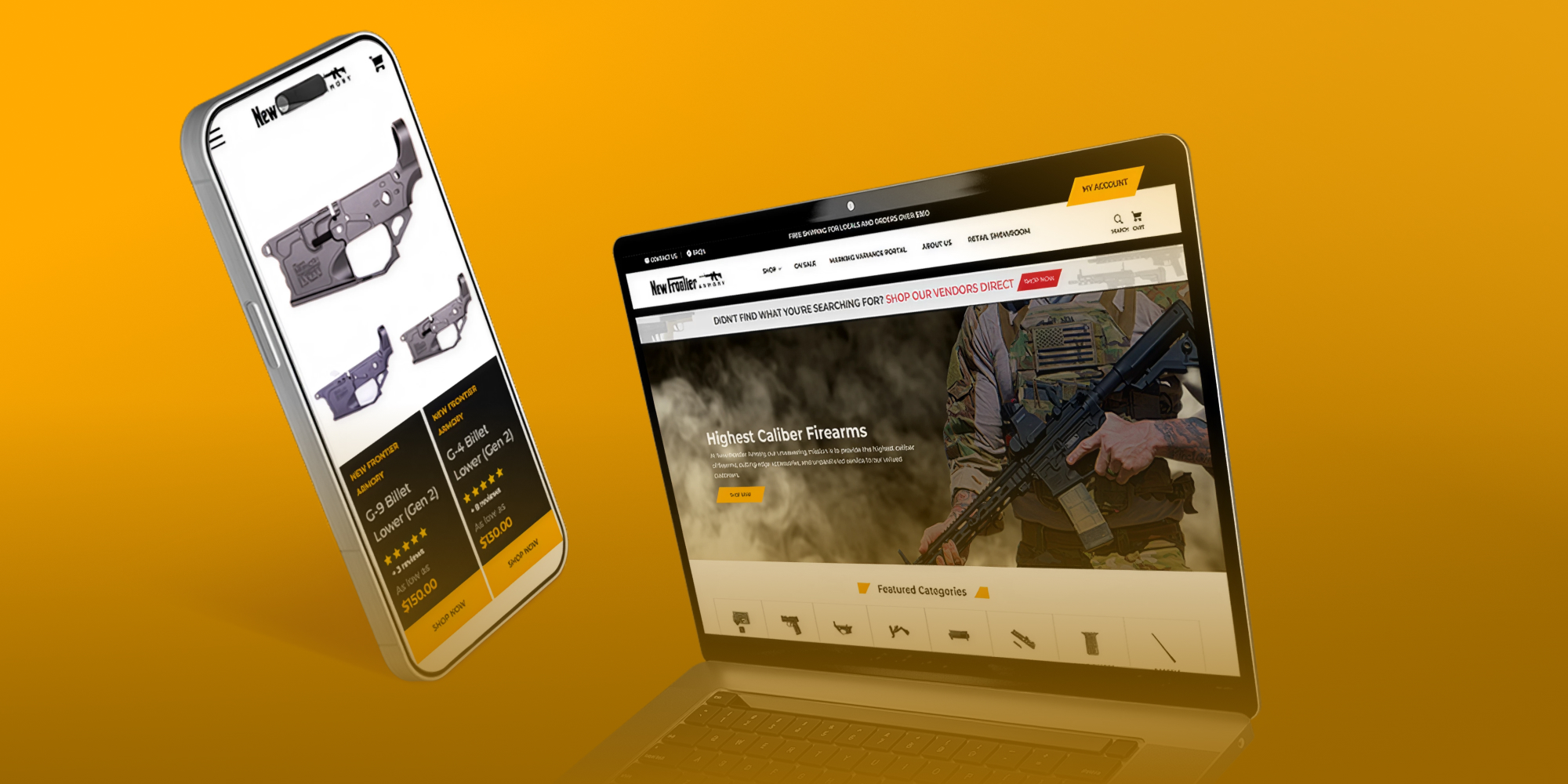



Recommended Tech Stack

Provide a flexible ecommerce foundation for complex firearms, tactical, outdoor, and sporting-goods catalogs with specialized product and operational requirements.

Configure product, destination, shipping-method, and other checkout rules around the fulfillment requirements defined for the business.

Connect supplier inventory, product data, channel listings, and order routing for retailers working across multiple distributors and fulfillment sources.
Firearms and Tactical Ecommerce FAQs
Start with reliable product attributes and the ways customers search the assortment. Categories, specifications, compatibility information, filters, search terms, and product relationships can work together so both experienced and less technical shoppers have a useful path.
Always Open Commerce can support ecommerce UX, data, integrations, and development when those capabilities are part of an approved scope. The exact workflow, platform feasibility, eligibility rules, and regulated requirements must be verified by the appropriate technical and compliance owners.
Explain the customer-facing process using current, approved business and compliance language, and keep meaningful order statuses clear. Always Open Commerce should not invent legal requirements or present marketing copy as legal guidance.
Feed and API integration are approved service areas, but each source has its own data quality, update frequency, mapping, and technical constraints. The implementation should be verified before availability or automation behavior is promised publicly.

 USA
USA
 Philippines


