













































Apparel & Fashion
Fit uncertainty shapes apparel ecommerce from the first browse through returns. Size guidance, color, imagery, variants, mobile behavior, and merchandising all influence confidence, so Always Open Commerce organizes the supporting ecommerce work around those connected decisions.
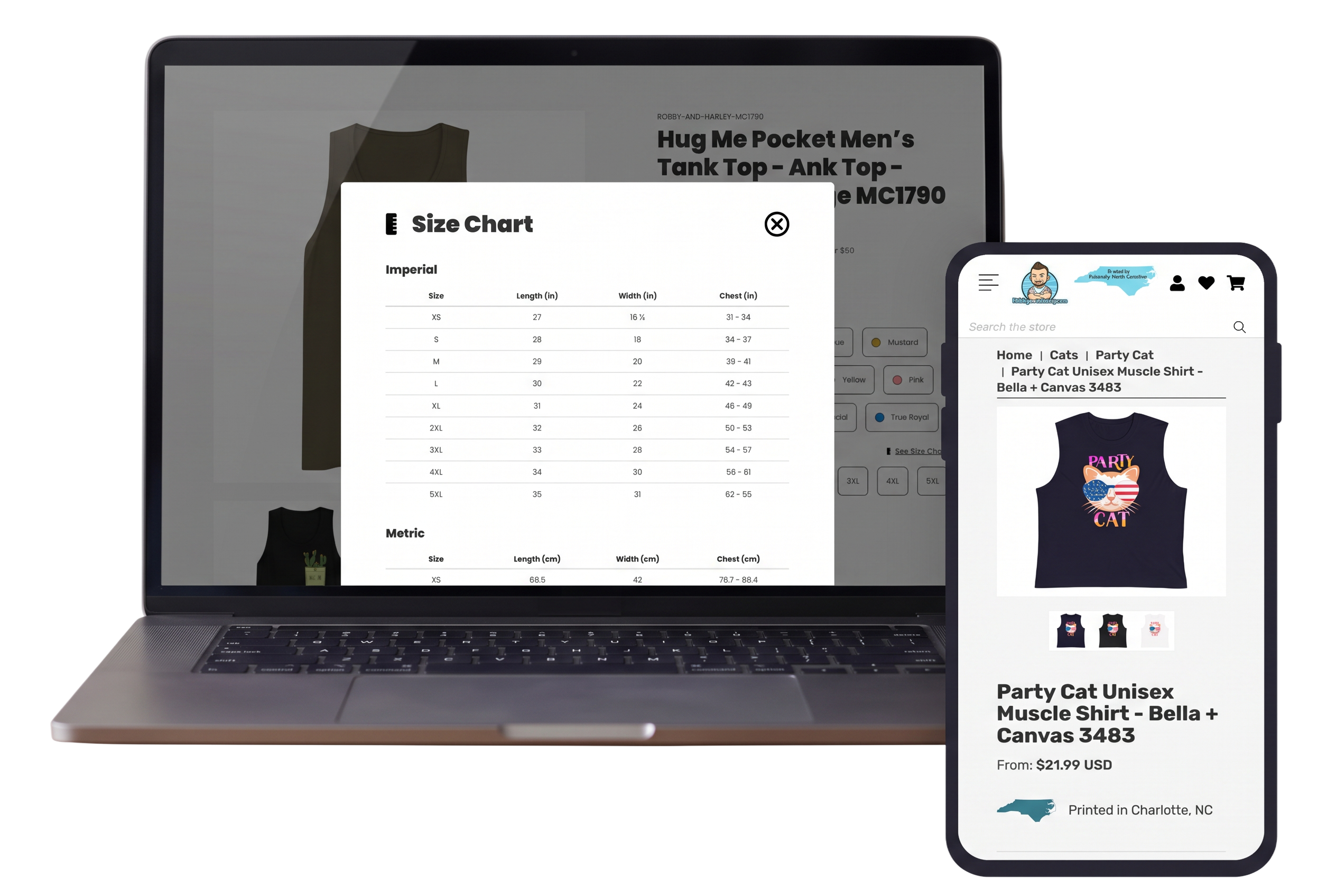
Help Shoppers Judge Fit and Feel Before They Order
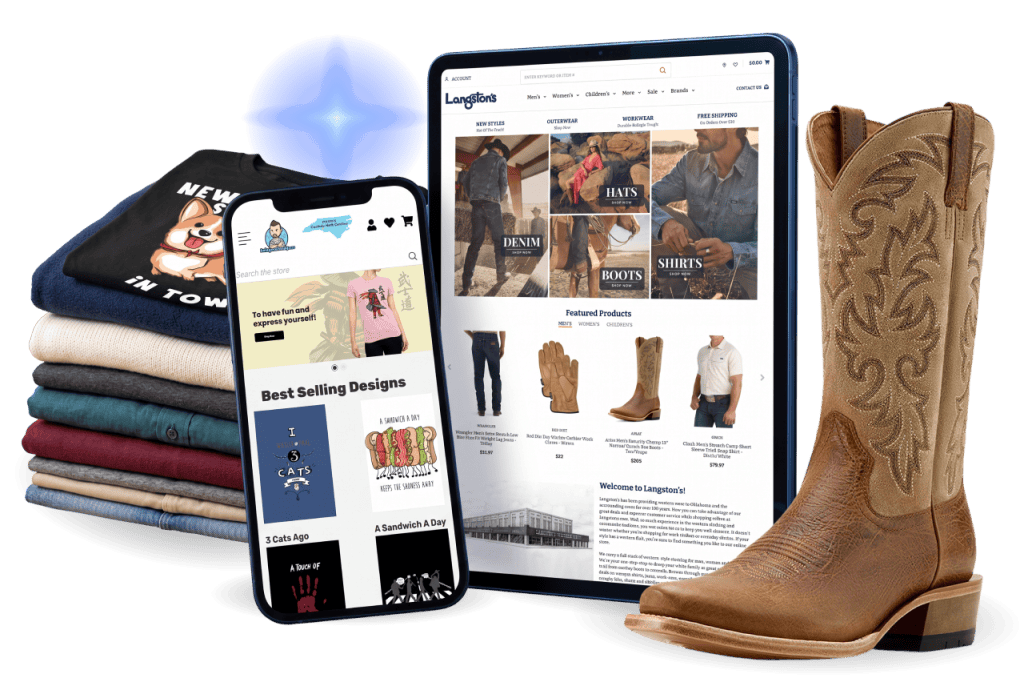
Apparel shoppers are trying to translate a screen into something they can picture wearing. Product imagery, color presentation, fit information, size guidance, material details, and the relationship between products all help reduce uncertainty. When those details are inconsistent or buried, the shopper has to guess whether an item is worth considering.
A stronger experience makes the evaluation work easier without turning every product page into a long explanation. Always Open Commerce can support UX/UI, mobile optimization, product presentation, reviews and UGC, content structure, and catalog data around the questions customers need answered before choosing a size or style.
Make Variants and Returns Part of the Buying Decision
Fashion catalogs create decision points that are easy to underestimate. One style may have many sizes and colors, availability can vary by option, and the same product may appear across seasonal collections, campaigns, outfits, or recommendations. Returns also influence confidence before the purchase, not only after it.
The storefront should make variant selection, availability, related products, and return information clear at the right moment. Behind that experience, product attributes, images, inventory, theme behavior, and integrations need to stay consistent enough for merchandising teams to change the assortment without creating new friction.
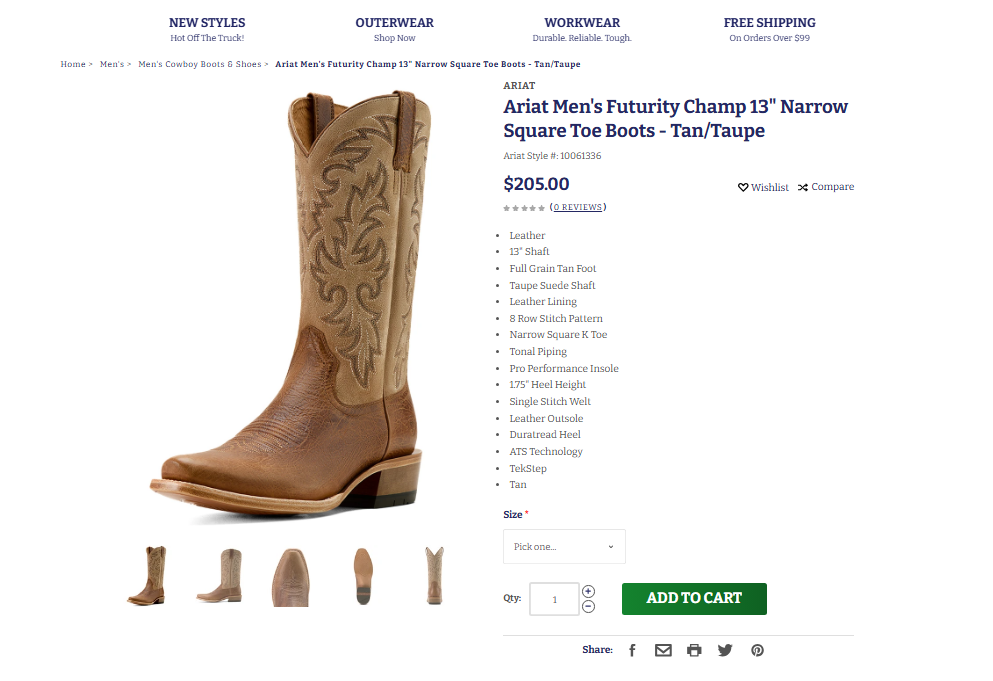
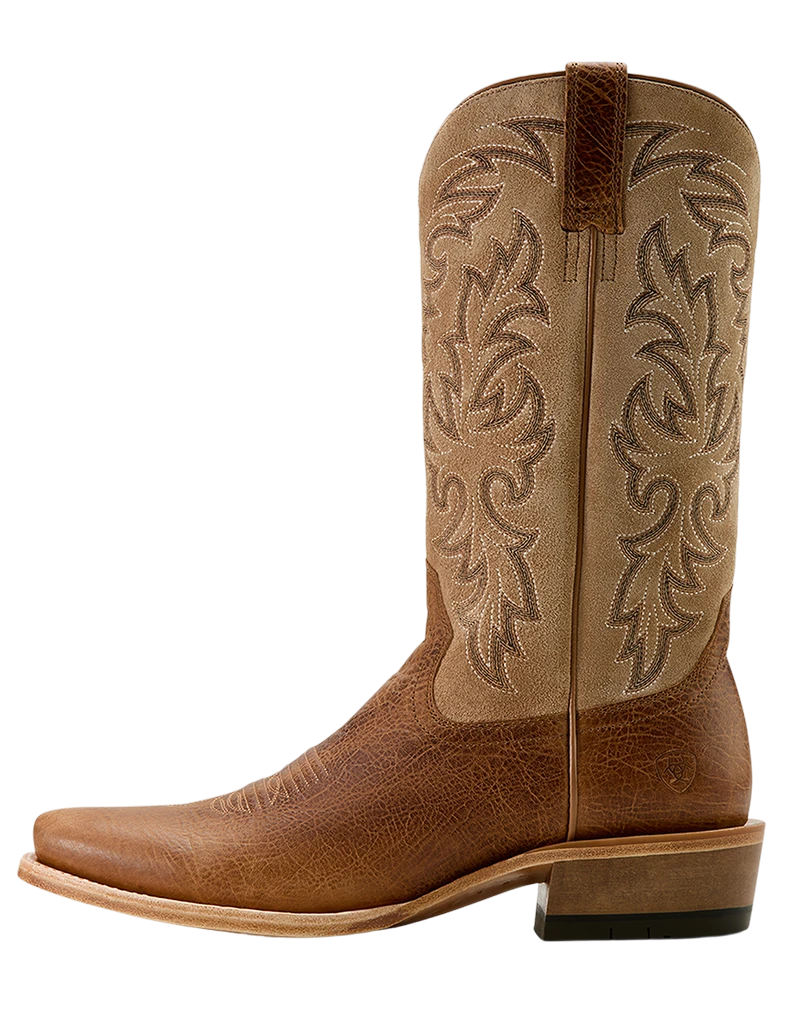
Build Around Four Apparel Shopping Needs
Apparel ecommerce works best when discovery, fit, variants, and merchandising are treated as parts of the same shopping decision. The supporting services should follow those needs rather than an internal department list.

1
Balance Browsing With Direct Product Finding
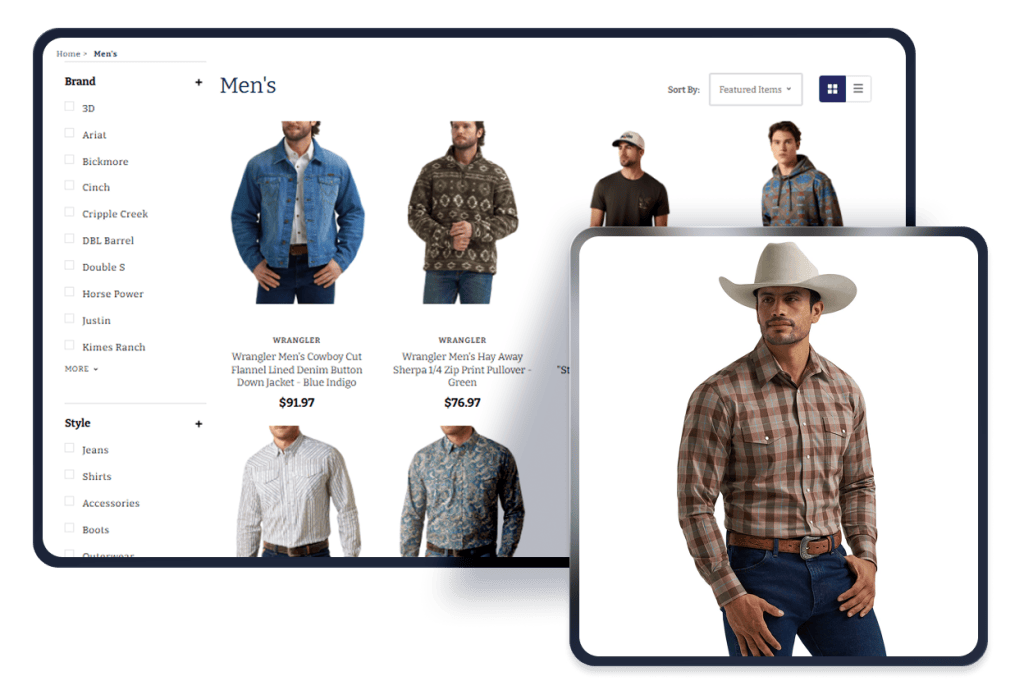
Collections, categories, search, filtering, and campaign landing pages can support both inspiration and direct product finding. UX/UI, merchandising, content, SEO/GEO, and development can help customers move between browsing and targeted shopping.
2
Make Size, Color, and Fit Easier to Evaluate
Size guidance, fit information, color options, images, materials, and availability should be easy to evaluate before the shopper commits. Product data, variant structure, mobile UX, and product-page design all affect that decision.
3
Merchandise Products Together
Cross-sells, complete-the-look ideas, related products, and coordinated collections can help shoppers understand how items work together. The merchandising logic should be useful rather than becoming another layer of clutter.
4
Keep a Fast-Changing Catalog Manageable
Fast-changing assortments put pressure on product attributes, collections, tags, images, feeds, and inventory. Catalog structure, PIM support, shopping feeds, development, and ongoing maintenance can help teams manage those changes more consistently.
Keep Merchandising and Store Operations Moving Together
Apparel teams often move between launches, seasonal merchandising, catalog updates, promotional work, mobile improvements, technical fixes, and retention campaigns. Those changes can overlap quickly. A new collection affects navigation and merchandising. Variant changes affect product pages and feeds. Promotional work can affect landing pages, email, and the storefront at the same time.
Always Open Commerce can coordinate the relevant design, development, product data, CRO, SEO/GEO, retention, and ongoing support around the same priorities. The objective is to keep the shopping experience coherent while the assortment and marketing calendar continue to move.
Selected Apparel and Fashion Work



Migration
Robby & Harley Migrates from Shopify to BigCommerce for a Faster, More Modern Shopping Experience
Recommended Tech Stack

Support high-volume fashion commerce with flexible merchandising, product launches, promotions, international growth, and evolving storefront requirements.

Give customers a more structured way to manage returns and exchanges when size, fit, color, or style does not work as expected.

Improve product discovery with search, filtering, merchandising, recommendations, and category experiences built around large or frequently changing assortments.
Apparel and Fashion Ecommerce FAQs
Fit, sizing, color, materials, product imagery, availability, and return information often shape whether a shopper feels comfortable ordering. The exact priority depends on the product, but the most decision-critical information should be easy to find on both desktop and mobile.
Yes. Work can include landing pages, navigation, collection structure, product presentation, content, development, CRO, SEO/GEO, and related campaign support when those services are part of the engagement.
No. The starting point may be product pages, size guidance, navigation, filters, mobile UX, variant behavior, catalog structure, or another specific source of friction. A broader redesign is appropriate only when the experience needs it.
The experience should make available options easy to scan and select without losing the product context. Product data, variant structure, images, inventory, theme behavior, and mobile UX may all need to work together, so the exact implementation requires platform and technical review.
Cross-sells, coordinated collections, related products, and complete-the-look experiences can help when they make the shopping decision easier. The merchandising approach should reflect real product relationships rather than adding recommendations simply to fill space.

 USA
USA
 Philippines


