
































AI Commerce

AI & Automation

Agents & Automation, Custom Commerce Systems, AI Search & GEO

Smarter workflows. Less manual work.

Launch & Migrate

SEO Migrations, Data/Catalog Migration, App Planning & Setup

Start strong. Scale with confidence.

Design & Optimize

UX / UI Design, Conversion Rate Optimization, Mobile Optimization

Better experiences. More conversions.

Develop & Integrate

Custom Development, B2B Data & Wholesale, PIM Setup & Support

Custom solutions. Built to scale.

Attract & Grow

SEO, Google & Meta Ads, Marketplace Setup

Drive traffic. Grow your audience.

Retain & Convert

Email/SMS Marketing, Loyalty & Rewards, Cart Recovery

Turn shoppers into loyal customers.

AI Consulting & Enablement

Turns AI strategy, governance, workflows, and enablement into a practical adoption plan.

AI Agents & Automation

Builds the knowledge, agents, and automations to execute repeatable work with human oversight.

Agentic Commerce

Prepares teams for AI shopping with the right actions, data, channels, and technical path.

AI Search & GEO

Strengthens content, entity clarity, and measurement for visibility in AI search and answers.

Custom Commerce Systems

Replaces fragmented tools with one system for commerce automation and AI.

AI Product Data Optimization

Structures verified product facts for consistent reuse across commerce channels.

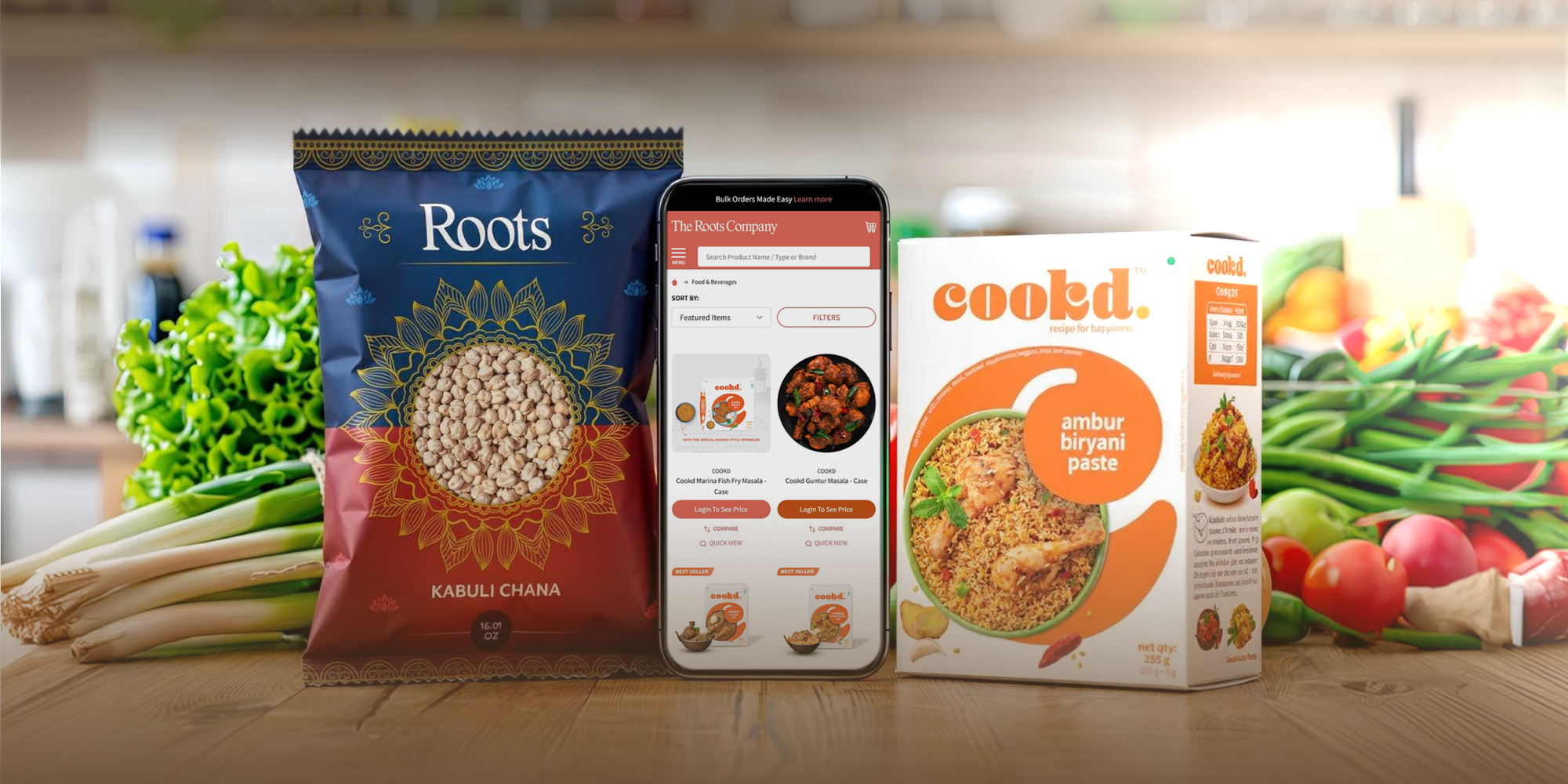
A Rapid Shopify Launch Powered by Streamlined Setup and 3PL Integration

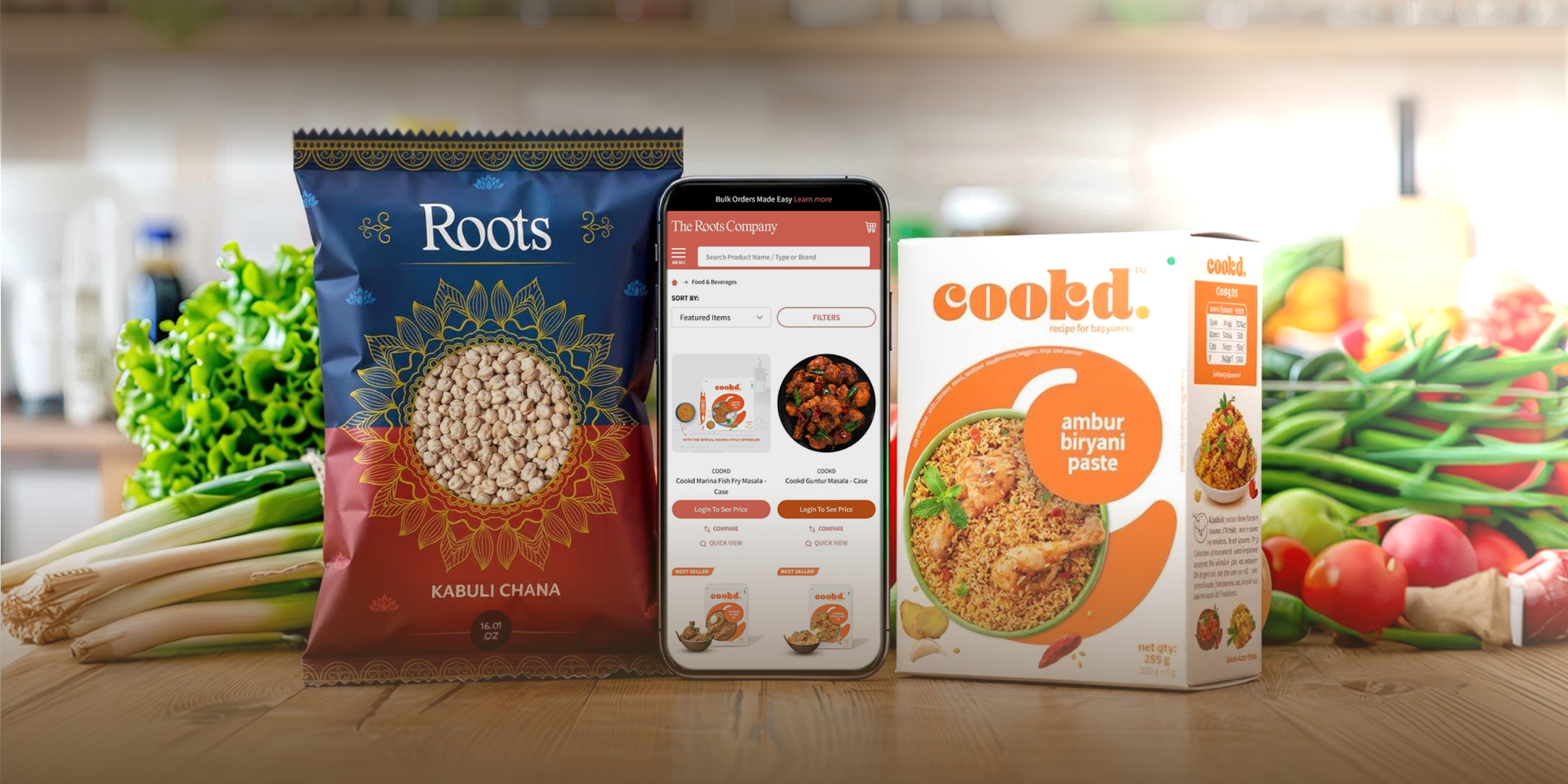
From Stalled Launch to Growth: Rescuing The Roots Company’s Four-Week B2B Sprint

New Store Builds

We build stores for brands launching, expanding, or replacing an existing storefront.

Platform Migrations

We help brands switch platforms while protecting product data, SEO value, and core store functionality.

Theme Updates & Migration

We upgrade outdated themes to improve performance and layouts without losing functionality.

Data/Catalog Migration

We move, organize, and validate product data so your new store is easier to manage and shop.

SEO Migrations

We identify and manage SEO risks to protect your search visibility during ecommerce migrations.

App Planning & Setup

We configure, test, and validate apps for store operations, marketing, and customer experience.

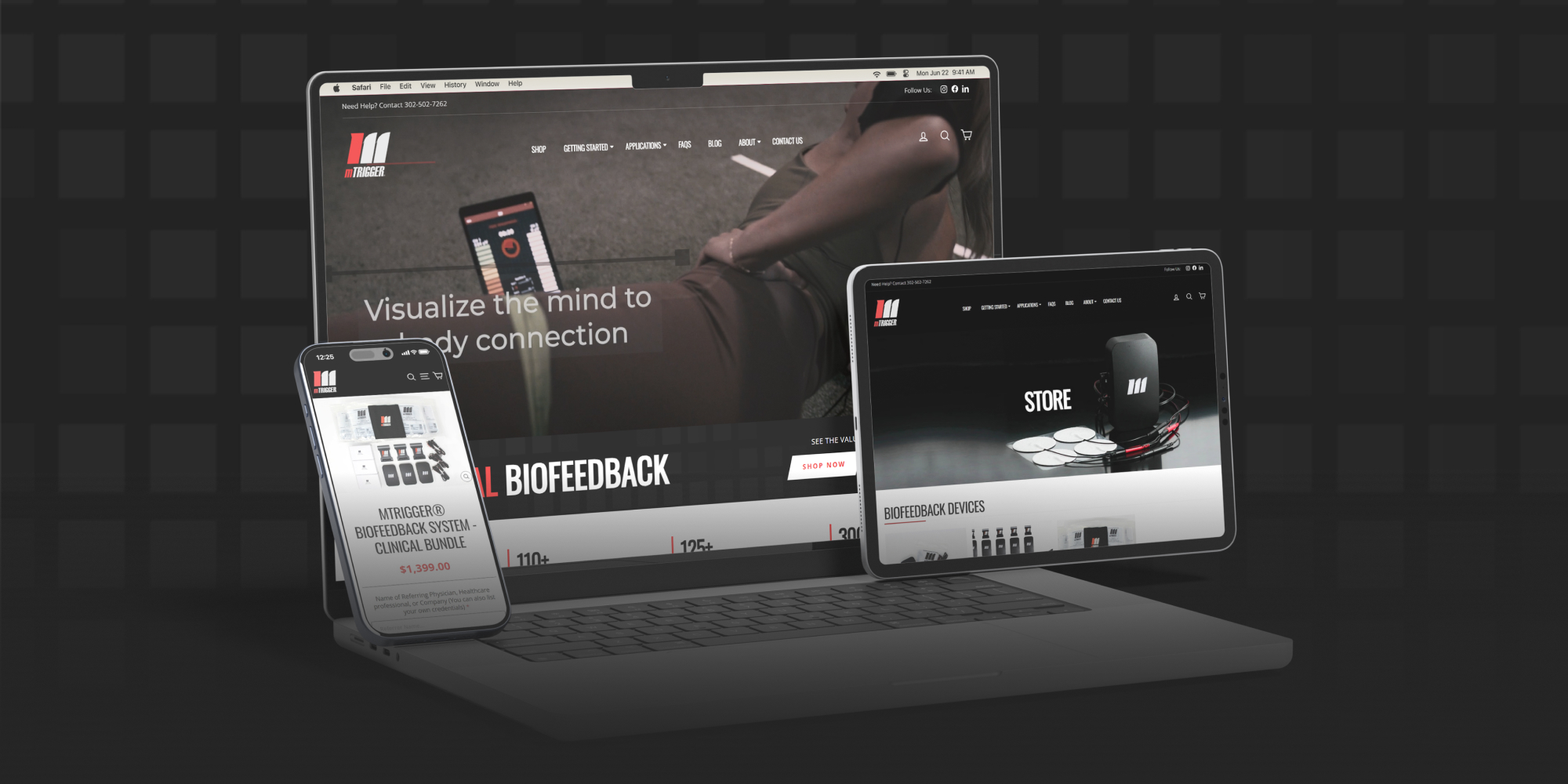
Scaling Safety Gear Sales With A Shopify Plus Migration Built For Growth

A Modern Shopify Migration That Elevates a Medical Device Brand’s Digital Credibility

UX / UI Design

We design experiences that help customers find products and complete purchases with less effort.

Conversion Rate Optimization (CRO)

We analyze customer interactions to identify and reduce friction across the shopping journey.

Mobile Optimization

We improve mobile usability, navigation, and purchase flows for growing mobile traffic.

Site Speed Optimization

We optimize page speed and performance to reduce friction and improve engagement.

Accessibility & Usability Improvements

We enhance accessibility and usability to create inclusive experiences for all customers.

Landing Page Design

We design landing pages connecting campaigns and promotions to focused customer experiences.

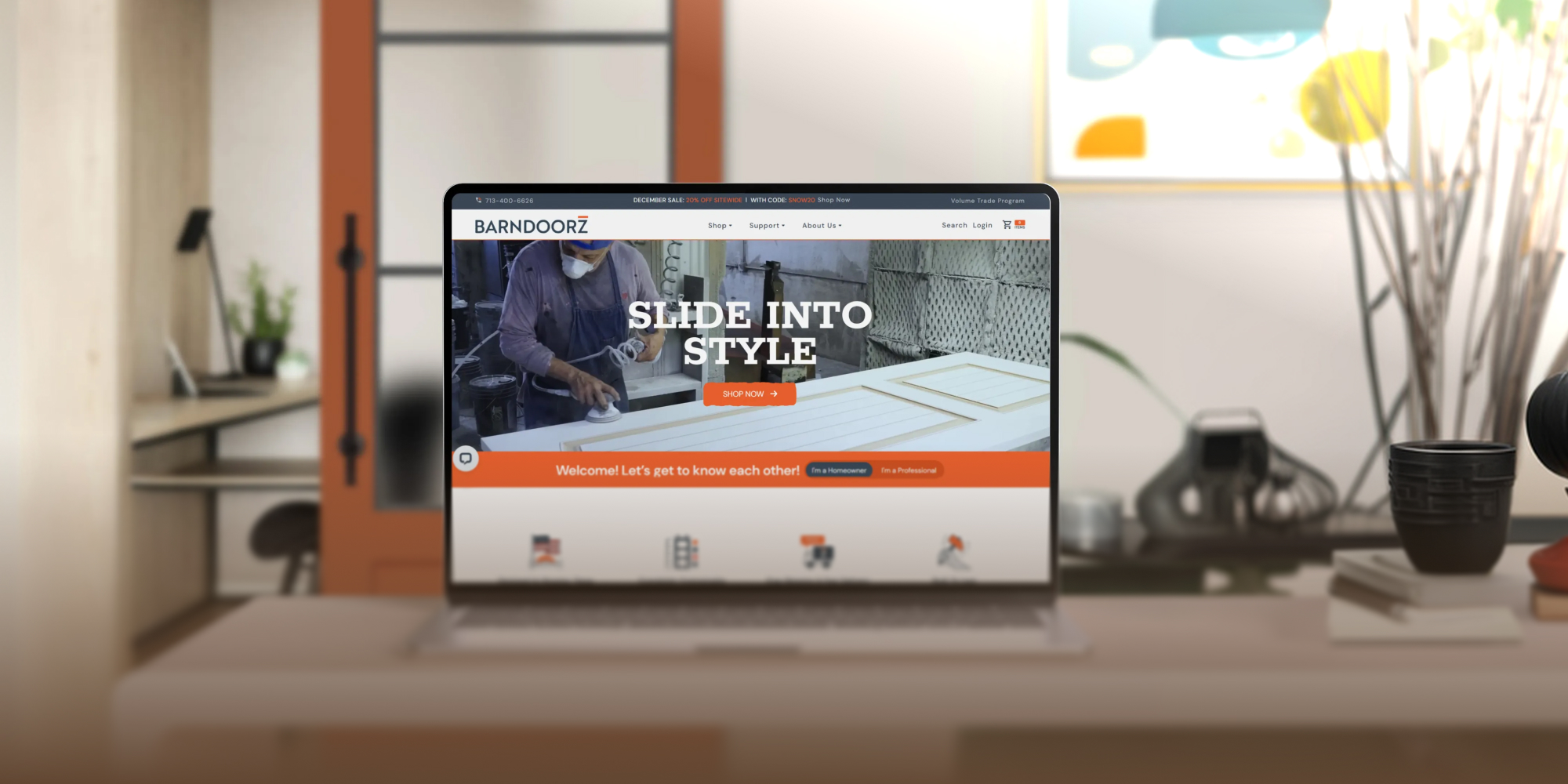
BarnDoorz Slides Open Higher Conversions with a Strategic UX/UI Overhaul

A Streamlined BigCommerce Experience That Supports Healthier Lives

Develop & Integrate Services

Custom development extends platform functionality to meet specific business needs.

B2B Data & Wholesale

B2B ecommerce needs structured pricing, access control, and catalog logic beyond standard retail.

Subscription Setup

Subscription models need clear flows, reliable billing, and proper order management setup.

PIM Setup & Support

Structured product data becomes critical as catalogs grow in size and complexity.

Bug Fixes & Diagnostics

We diagnose root causes across themes, apps, scripts, and integrations before applying fixes.

API Integrations

Connect ecommerce systems with ERPs, CRMs, fulfillment, and marketing platforms.

From Stalled Launch to Growth: Rescuing The Roots Company’s Four-Week B2B Sprint

InGeneius Crafts a Streamlined E-commerce Experience for Wholesale and Retail Customers

SEO

Boost organic visibility with keyword strategy, technical optimization, and content that ranks.

AI Search & GEO

Get discovered by AI engines and local search with structured, answer-ready content.

Google Ads

Drive acquisition with campaigns aligned to your product and category structure.

Meta Ads

Support product discovery, retargeting, and promotions structured around audience behavior and catalog data.

Content Strategy

Help customers discover, evaluate, and understand your products through strategic content before purchase.

Marketplace Setup

Ensure accurate product representation across marketplaces with structured, consistent listings.

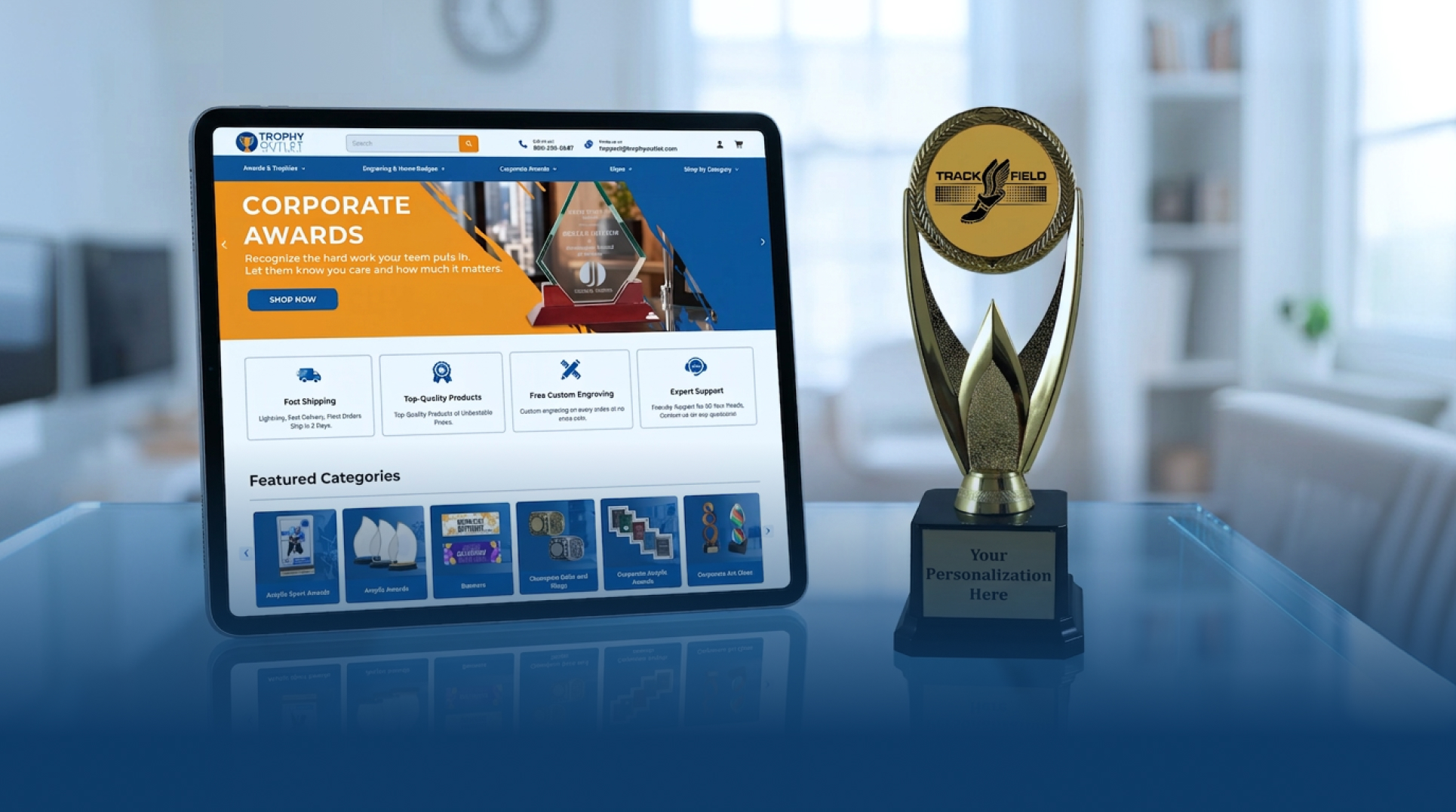
After a Failed Offshore Redesign, Trophy Outlet Found the Right Partner in AOC

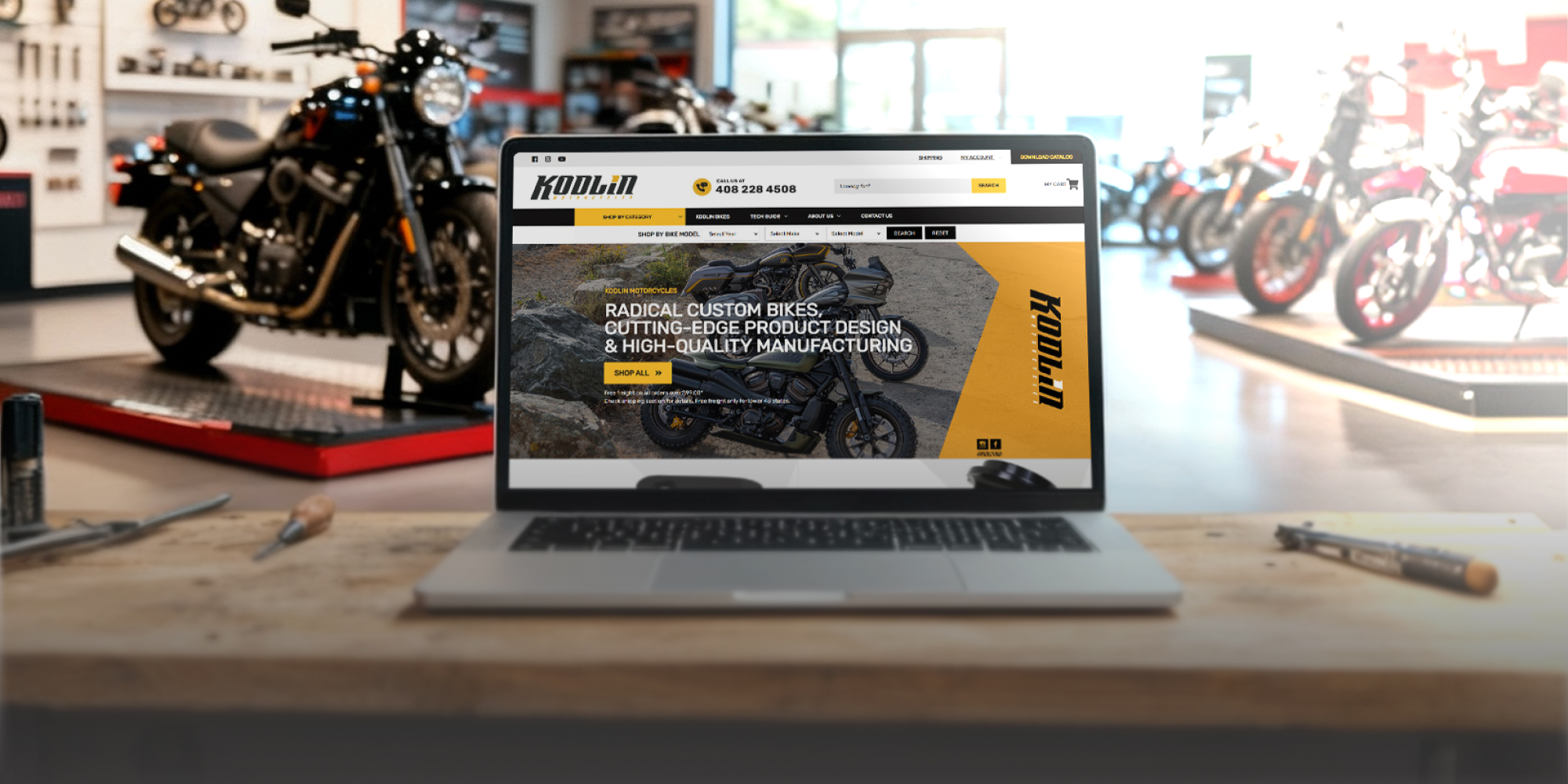
Kodlin USA Revs Up Dealership Growth and Site Traffic with a BigCommerce Design Overhaul

Email Marketing

Email drives repeat purchases and strengthens relationships through behavior-based relevance.

SMS Marketing

SMS complements email as a high-intent channel for timely reminders, updates, and promotions.

Klaviyo Optimization

Klaviyo performance depends on well-structured flows, segmentation, templates, and reporting.

Cart Recovery

Recovery systems re-engage customers who abandon carts by reducing friction in the buying journey.

Loyalty & Rewards

Loyalty programs increase repeat purchases by giving customers structured reasons to return.

Reviews & UGC

Reviews and UGC build customer trust while providing valuable social proof for future purchases.

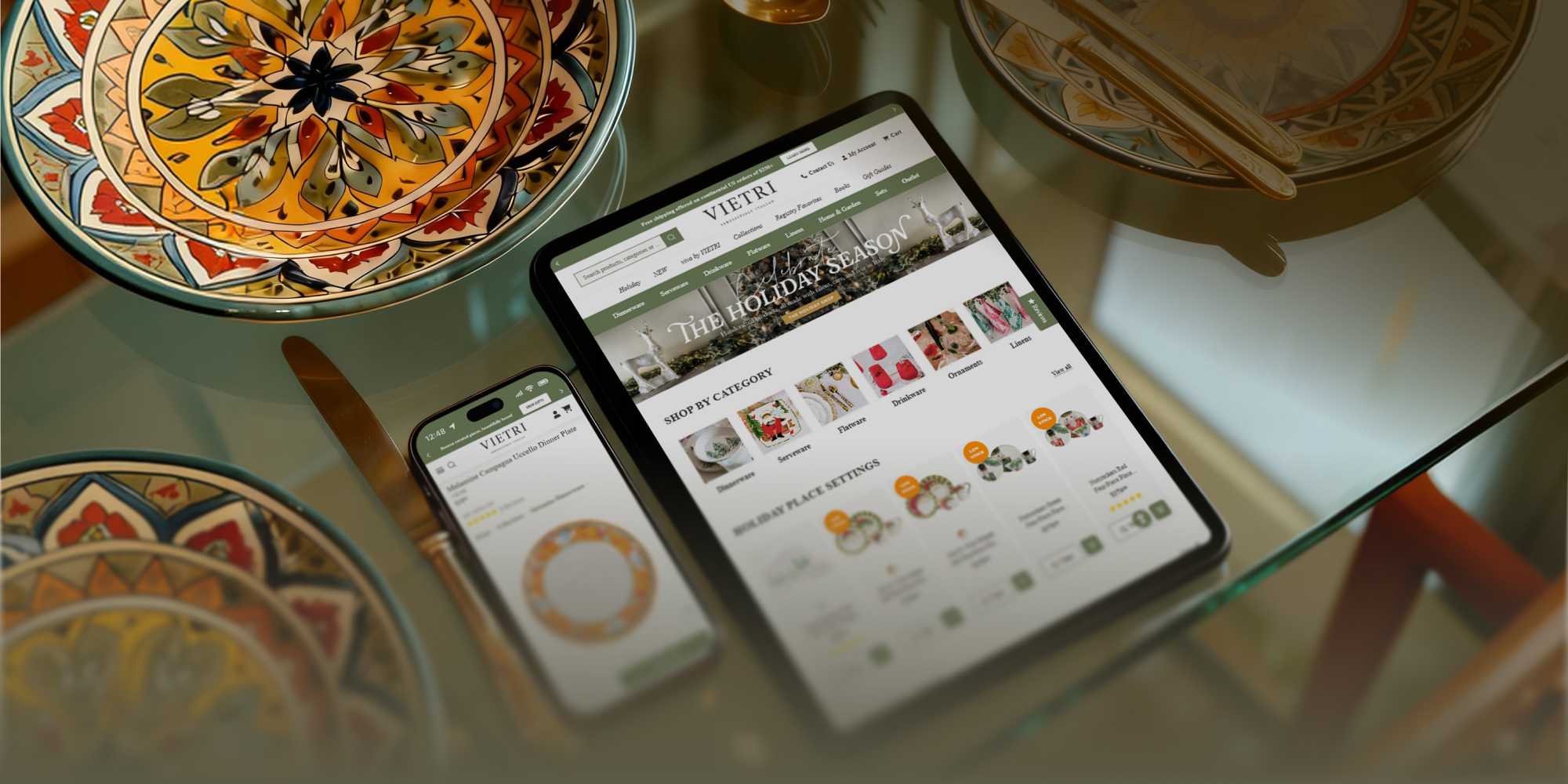
How a Luxury Tableware Brand Elevated Their Digital Growth After Leaving a Large U.S. Agency

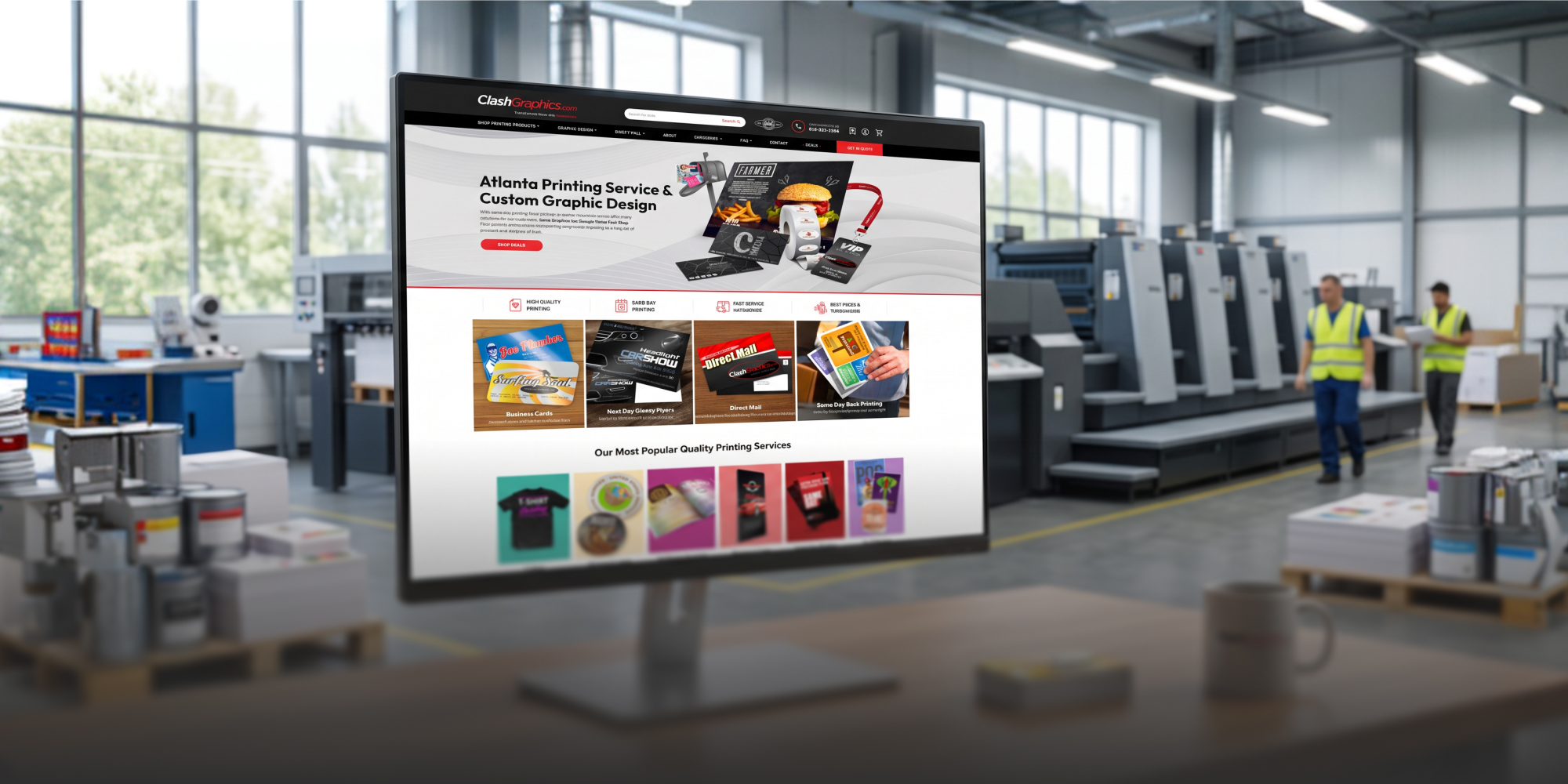
Clash Graphics Prints a New Chapter Online with a Revamped BigCommerce Store and Email Templates

Automotive

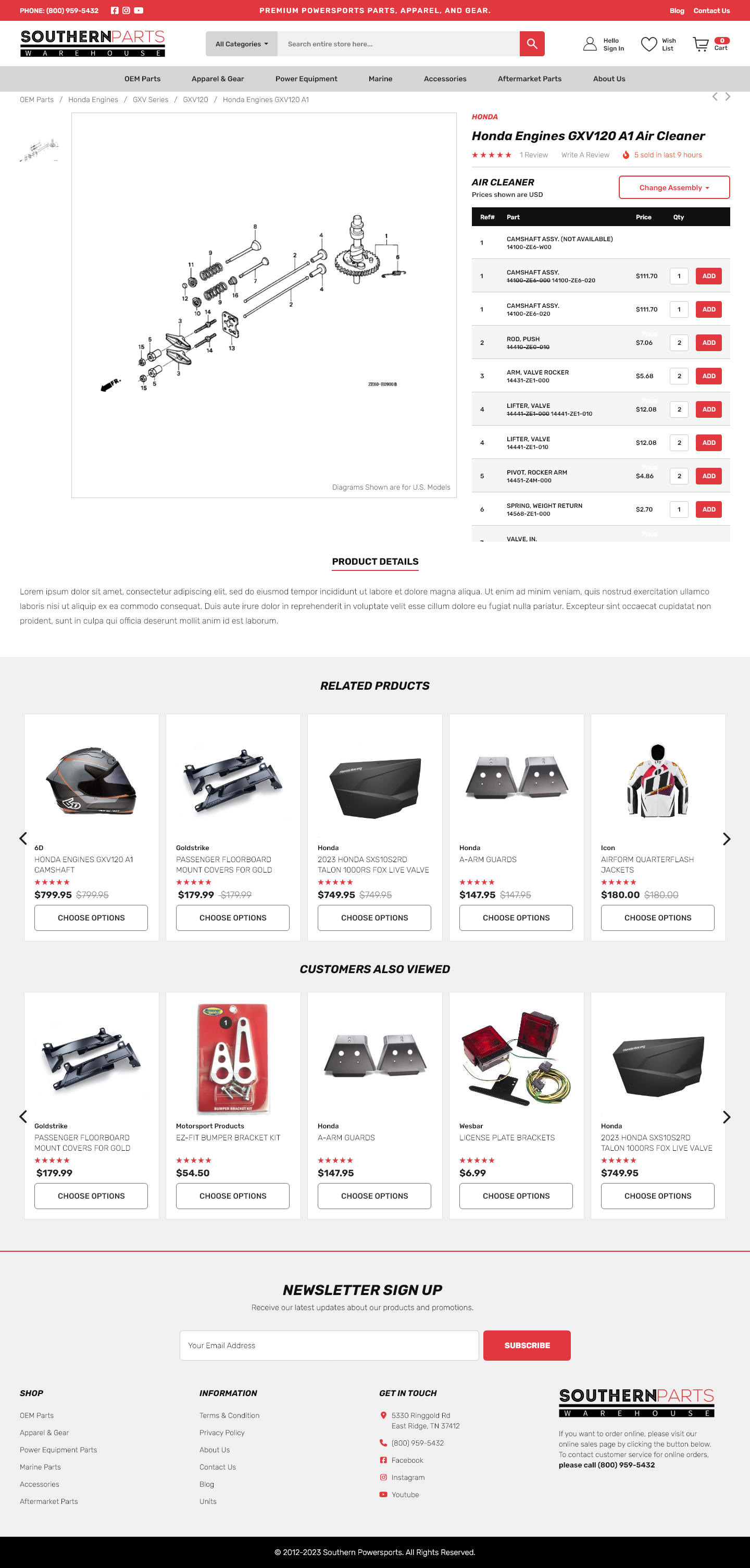
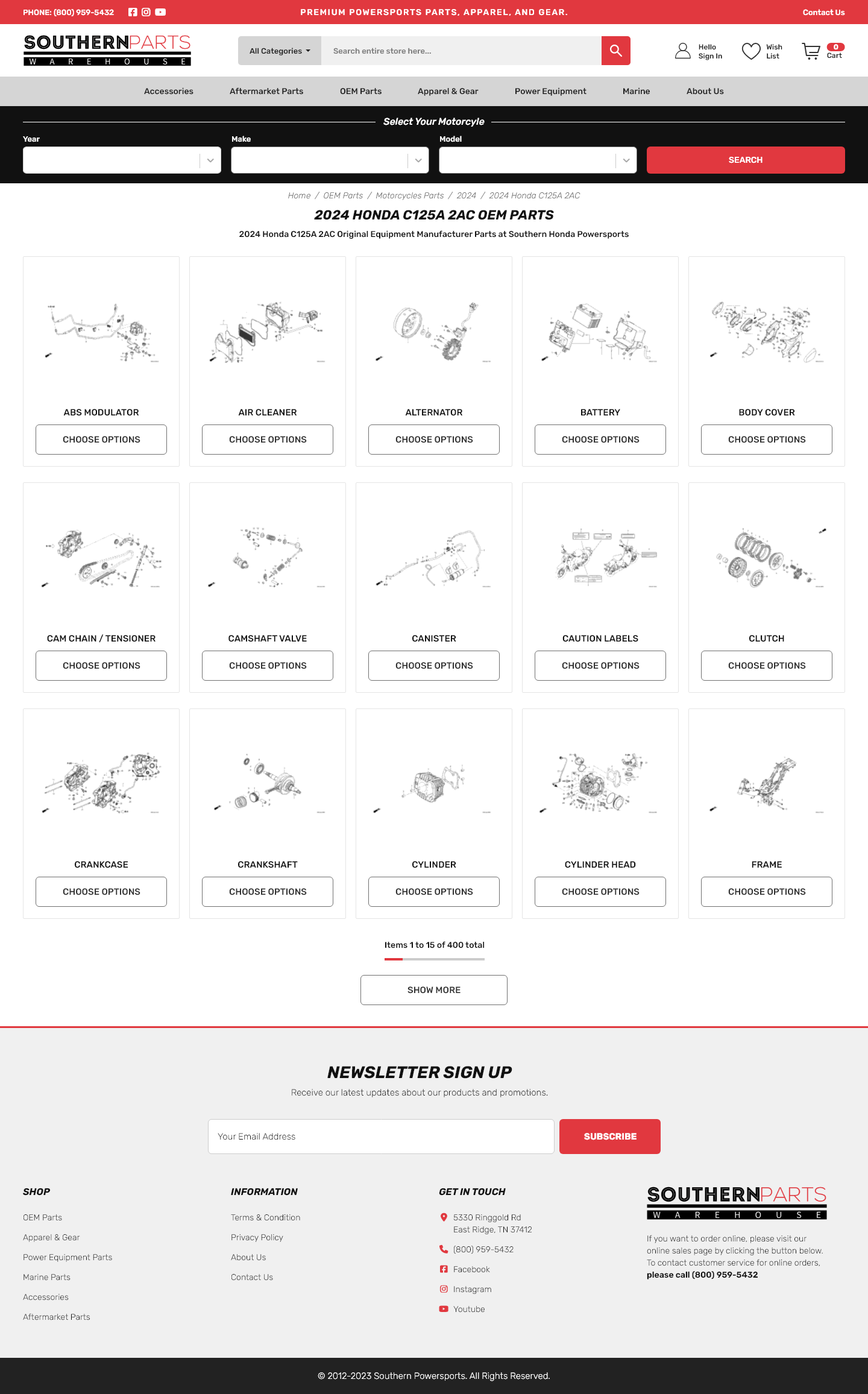
Make Year-Make-Model Fitment the Start of Product Discovery

Automotive shoppers often need to confirm vehicle compatibility before they compare brands, features, or price. A year-make-model, or YMM, experience gives them a direct way to identify their vehicle and narrow a large catalog to products that are relevant to it. Depending on the catalog, fitment may also need to account for trim, engine, drivetrain, body style, or other vehicle-specific attributes.

YMM should work as part of the broader product-discovery experience, not as an isolated selector. Vehicle context should carry into categories, search results, filters, product pages, related products, and other shopping paths where compatibility matters. When fitment data and the storefront fall out of sync, shoppers can reach products that appear similar but do not match their vehicle.

Keep Fitment Data and Product Information Working Together

The automotive aftermarket separates two information problems that ecommerce teams have to reconnect: which vehicles a product fits and what the product actually is. Industry standards such as ACES and PIES reflect that distinction between fitment data and product information, while the storefront has to present the result as one understandable buying decision.

Structured attributes, product classifications, specifications, images, brands, and vehicle relationships all need dependable source data. Always Open Commerce can support catalog structure, PIM, feeds, integrations, UX, and development, while the exact data-standard implementation and compatibility logic require technical verification.
Support Four Automotive Buying Needs

Automotive ecommerce should help customers get from a vehicle or technical requirement to the correct product with fewer dead ends. The supporting work should follow that sequence rather than start from a generic service catalog.

1

Preserve YMM Context Across the Store

Once a shopper selects a year, make, and model, that vehicle context should remain useful as they browse. Search, categories, filters, product lists, and product pages can work with YMM and fitment data so customers do not have to repeatedly identify their vehicle. Product data, UX/UI, integrations, and development can support that continuity.

2

Make Compatibility Clear on Product Pages

Fitment, specifications, options, applications, and related parts should be understandable before purchase. Product data, information hierarchy, and technical content can make compatibility easier to evaluate.

3

Support Complex Product and Bundle Decisions

Some products require options, kits, bundles, add-ons, or complementary parts. Product relationships, configuration, merchandising, and custom development can support those decisions when the rules are clearly defined.

4

Serve Consumer and Trade Buyers Where Needed

Automotive businesses may sell DTC, through dealers, or to wholesale and trade accounts. B2B catalog structure, customer groups, account experiences, and order workflows can be considered when those models are part of the business.

Keep Catalog Changes Consistent Across Channels and Systems

Automotive catalogs can change as vehicle applications, product lines, attributes, pricing, and availability evolve. A fitment update can affect search and filtering. A new part family can require new classifications and product relationships. Feed changes can affect marketplaces and advertising as well as the storefront.

Always Open Commerce can coordinate product data, development, UX, feeds, SEO/GEO, B2B workflows, and ongoing support around the same catalog priorities. The objective is to reduce the gap between the technical data the business manages and the product-selection experience customers actually see.
Selected Automotive Work

Conversion Rate Optimization

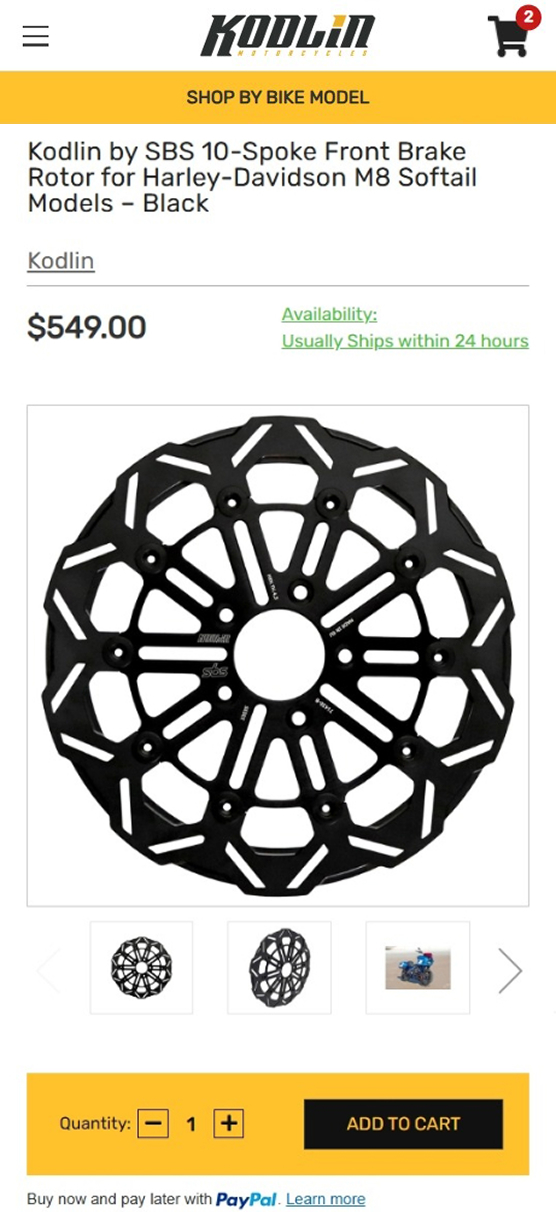
Kodlin USA Revs Up Dealership Growth and Site Traffic with a BigCommerce Design Overhaul

Migration

A Modern BigCommerce Migration Built for Faster Navigation and Better Parts Discovery

Recommended Tech Stack

Support large automotive parts and accessories catalogs with complex attributes, integrations, search requirements, and product-data relationships.
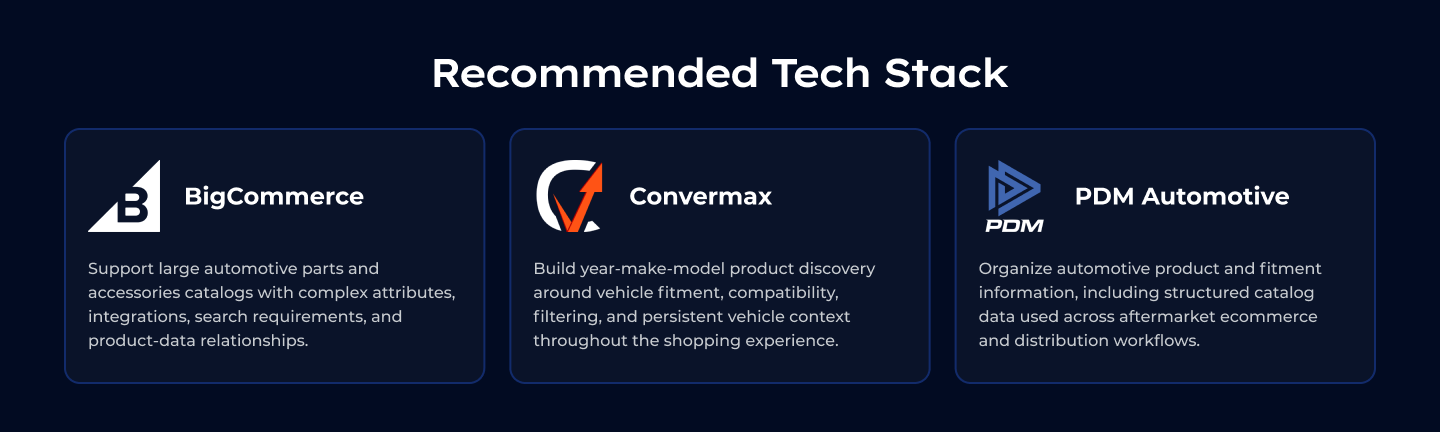
Build year-make-model product discovery around vehicle fitment, compatibility, filtering, and persistent vehicle context throughout the shopping experience.

Organize automotive product and fitment information, including structured catalog data used across aftermarket ecommerce and distribution workflows.

Automotive Ecommerce FAQs

What is the difference between fitment data and product information?

Fitment data describes which vehicles or applications a product is compatible with, while product information describes the item itself, such as classification, attributes, specifications, brand, and media. Ecommerce needs both to help a shopper find and evaluate the right part.

Can Always Open Commerce help with YMM fitment and vehicle-selection experiences?

Yes. YMM and other vehicle-selection experiences can involve fitment data, product attributes, UX, integrations, search and filtering, and custom development. The exact selector logic, data source, platform behavior, and fitment accuracy need technical verification before the implementation approach is finalized.

How should automotive stores handle B2B and consumer buyers on the same site?

The right model depends on the business. Customer groups, account experiences, catalog visibility, pricing logic, order workflows, and dealer or wholesale needs can be considered together so trade buyers do not have to use a consumer-only journey.

Can product data be connected to marketplaces and shopping feeds?

Shopping feeds, marketplace setup, product-data support, and integrations are approved service areas. Each channel has its own data and technical requirements, so source-data quality and implementation details need to be reviewed before channel behavior is promised.

Your Cart

Your cart is empty.

PHP Code Snippets Powered By : XYZScripts.com