












































Printing & Promotional Products
Printing and promotional product orders do not end when a customer selects an item; artwork, configuration, approvals, production, and fulfillment still have to stay connected. Always Open Commerce organizes the ecommerce experience around that full order path.
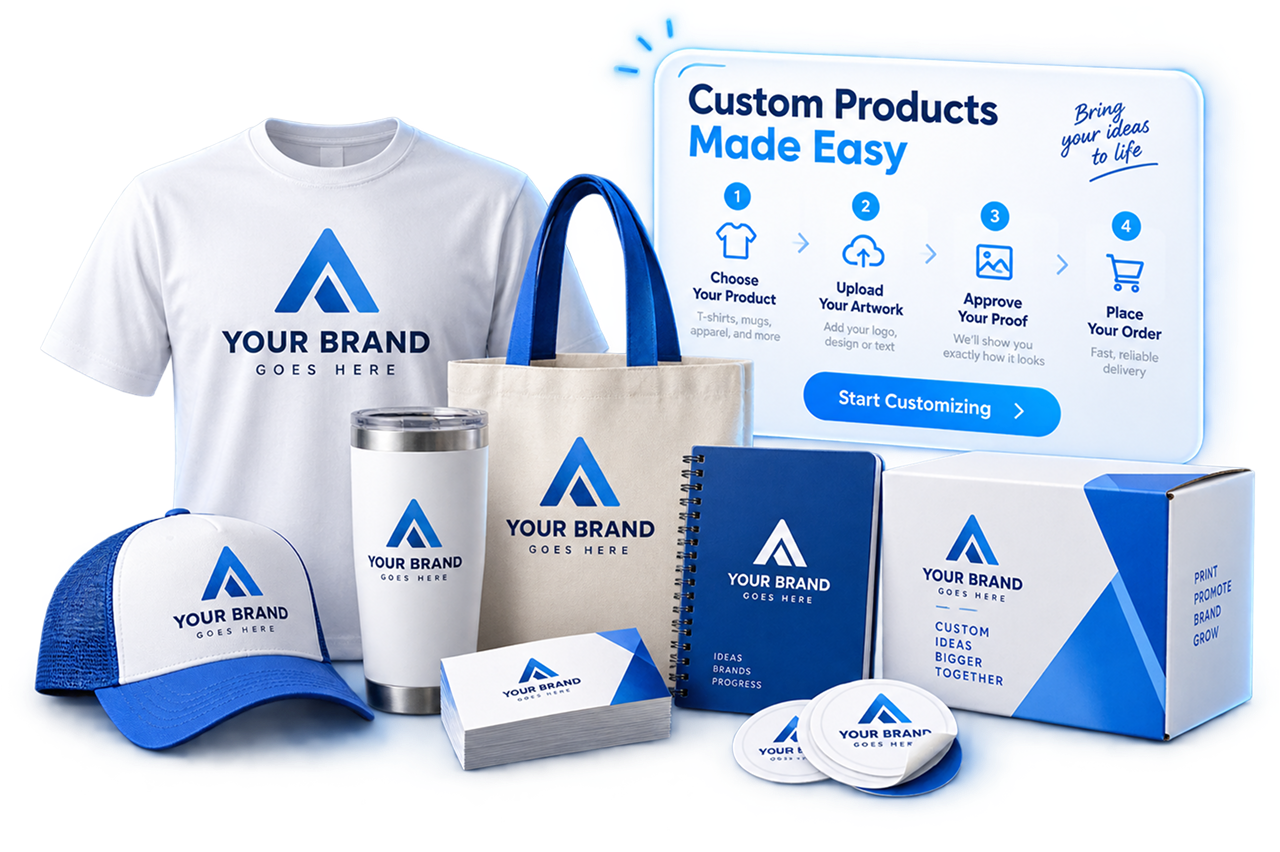
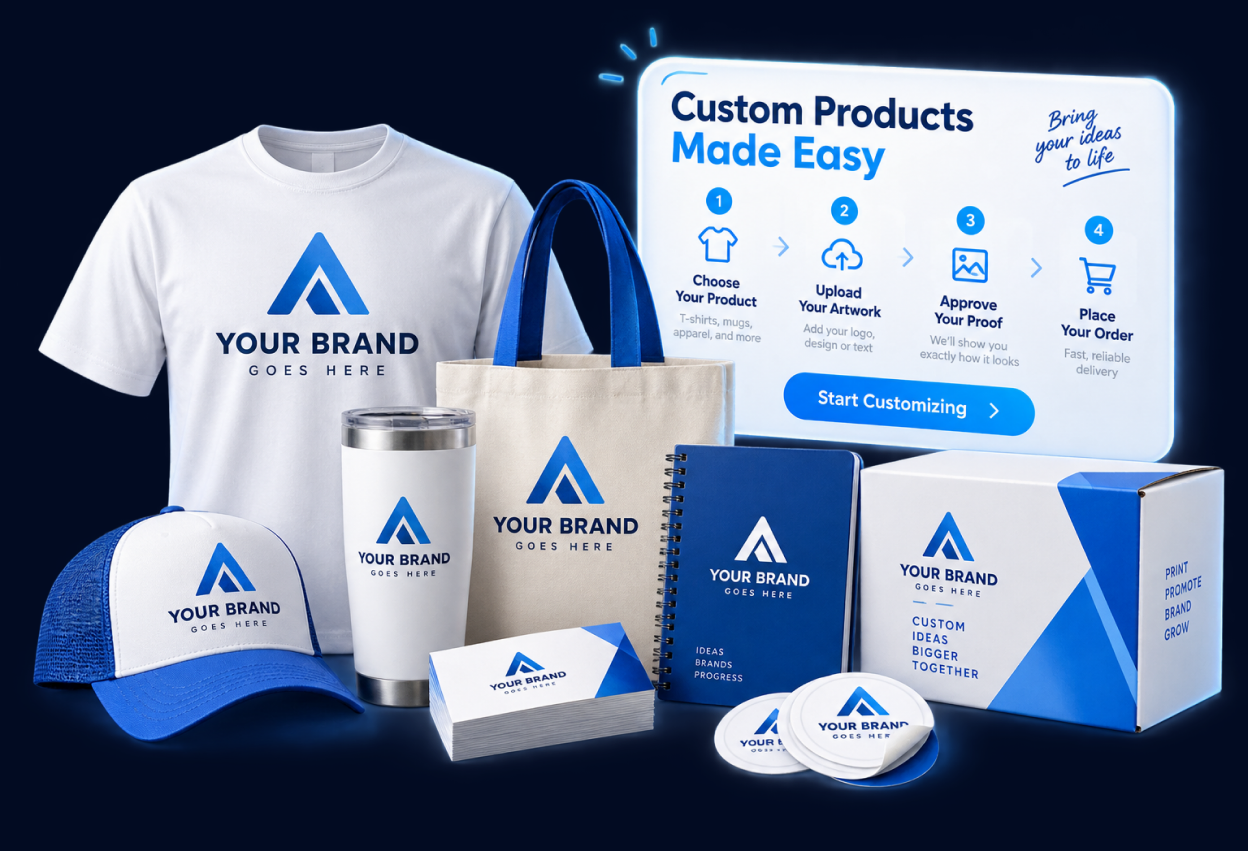
Make Customization Part of the Product Decision
A promotional product or print order is often not finished when the customer chooses the base item. Size, color, quantity, imprint location, decoration method, artwork, personalization, and other options can determine what is actually being ordered. The storefront needs to show those choices in a sequence customers can understand.
Product pages and configuration flows should make required inputs, available options, and next steps clear without forcing customers to learn production terminology. When an option changes what can be produced, the ecommerce experience should surface that constraint using approved product and business data.
Connect Artwork and Proofing to a Clear Order Journey
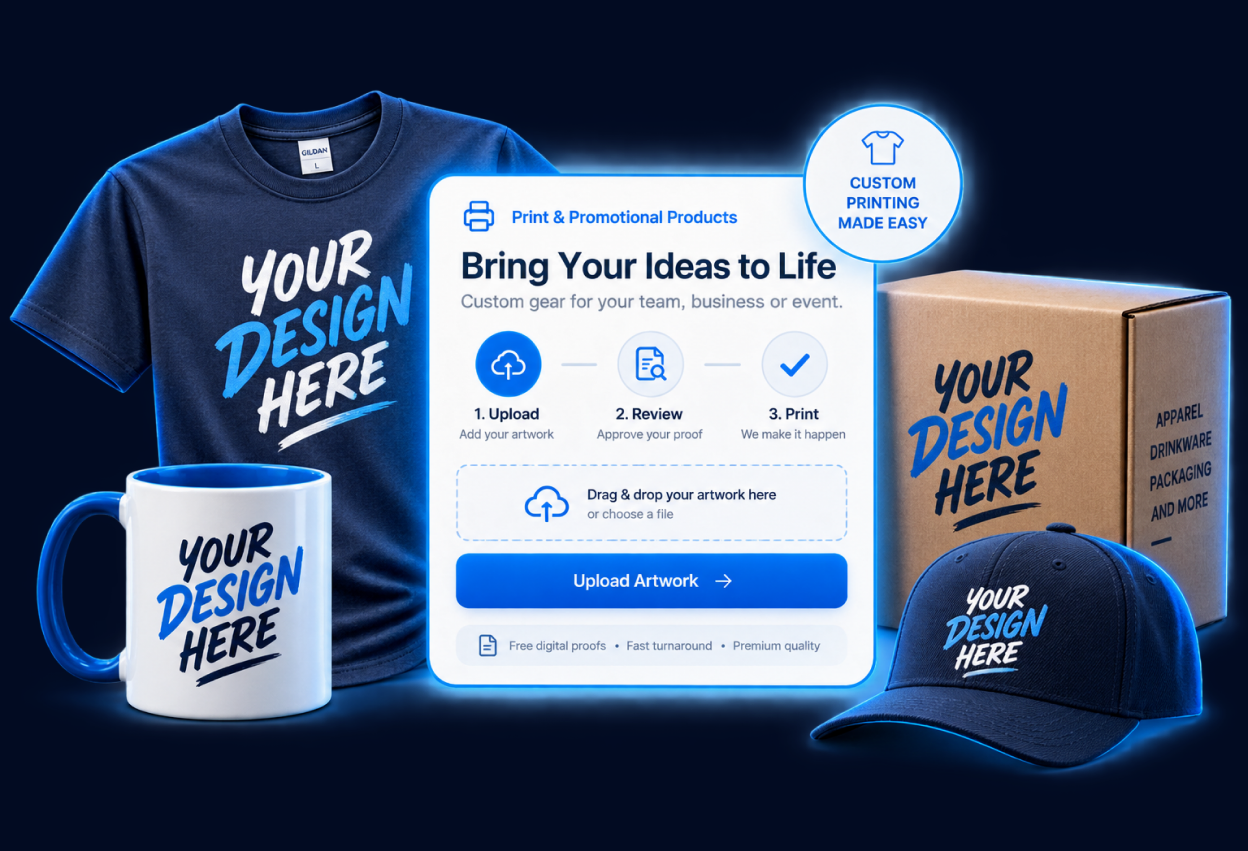
Artwork services, proofs, decoration, production, and fulfillment are common parts of the promotional-products workflow. Customers need to know what they provide, what the business reviews, and when an order can move forward. Unclear handoffs can turn a simple storefront action into repeated email and manual follow-up.
The ecommerce experience can organize file upload, personalization inputs, proof-related status, account communication, and order information around the customer journey. Exact production rules, approval requirements, turnaround commitments, and technical integrations should come from the business and specialist sources that own them.
Support Four Print and Promotional Ecommerce Needs
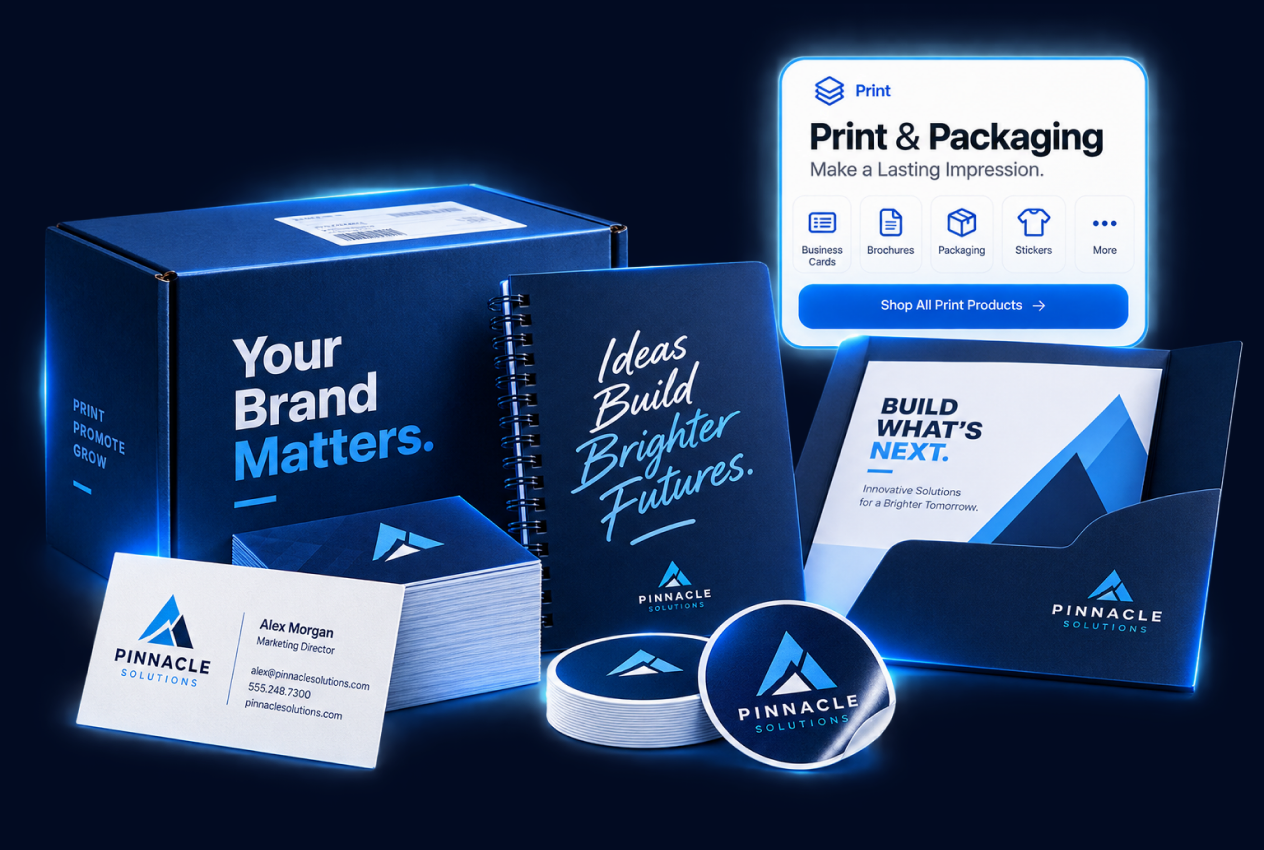
Print-to-order and promotional businesses need the storefront to connect product selection with customization and downstream operations. The supporting ecommerce work should follow those handoffs rather than stop at the add-to-cart button.
1
Help Customers Find a Suitable Base Product
Categories, search, filters, product attributes, and merchandising can help buyers narrow a large assortment by product type, use, material, color, or other supported attributes. Product data and UX/UI support that discovery.
2
Make Personalization Inputs Easy to Complete
Artwork uploads, text fields, options, previews, or other customization steps should clearly show what information is required. UX, product data, and development can support those experiences when the underlying rules are defined.
3
Support Company and Program Stores
Some promotional businesses operate branded company stores or client-specific programs with curated products and repeat ordering. Account experiences, catalog visibility, product setup, and workflows can be structured around those approved program rules.
4
Keep Order Information Connected to Fulfillment
Custom orders can move through suppliers, decorators, production, shipping, or other handoffs. Integrations, order data, status communication, and diagnostics can help the storefront stay connected to the operational workflow when technically feasible.
Keep the Storefront Connected to Suppliers, Decorators, and Fulfillment
Promotional-products ecommerce can span distributors, suppliers, decorators, artwork teams, company stores, and fulfillment partners. A product-data change can affect customization options. An artwork step can affect order status. A supplier or inventory change can affect what should be offered in a client program.
Always Open Commerce can coordinate the relevant product data, UX, development, integrations, content, and ongoing support around those handoffs. The goal is to make the customer journey understandable while giving the business a clearer ecommerce layer over the operational process behind each order.
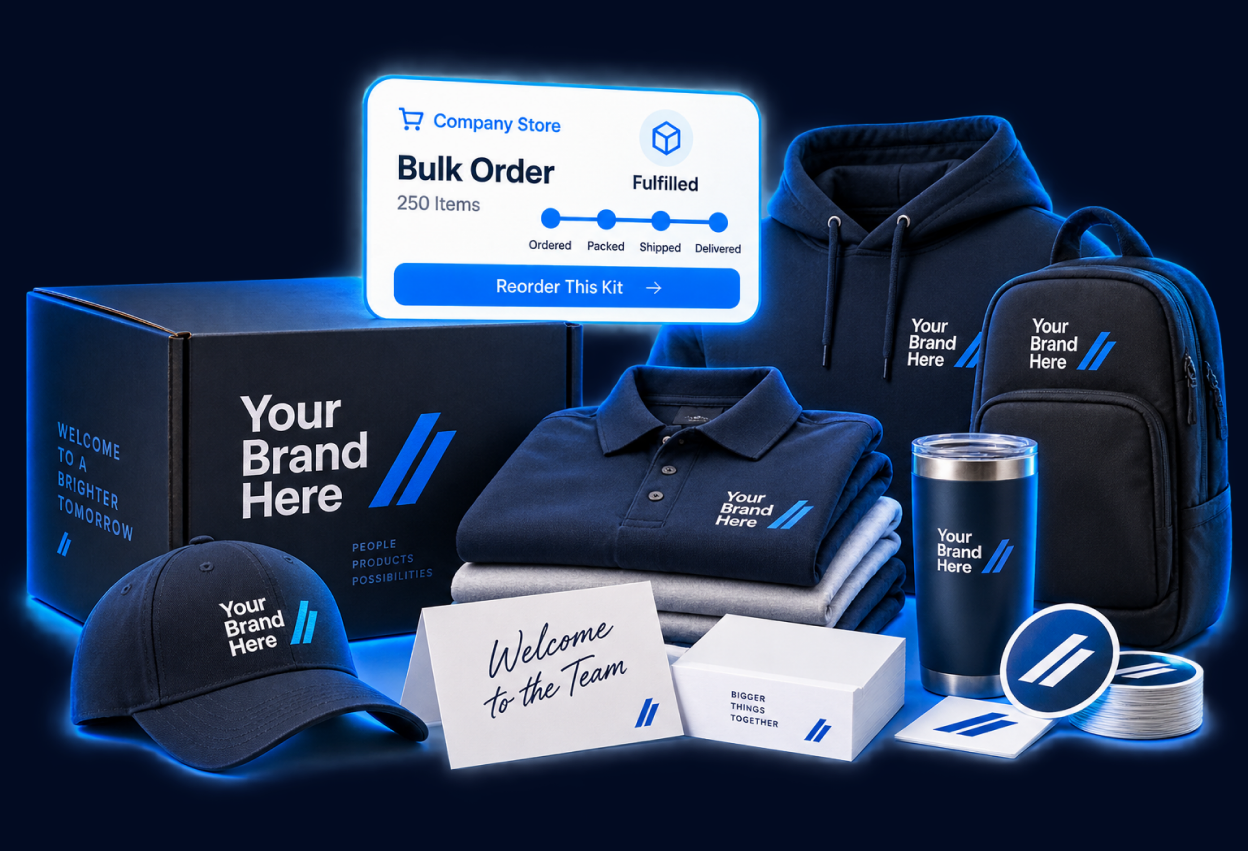
Selected Printing and Promotional Products Work


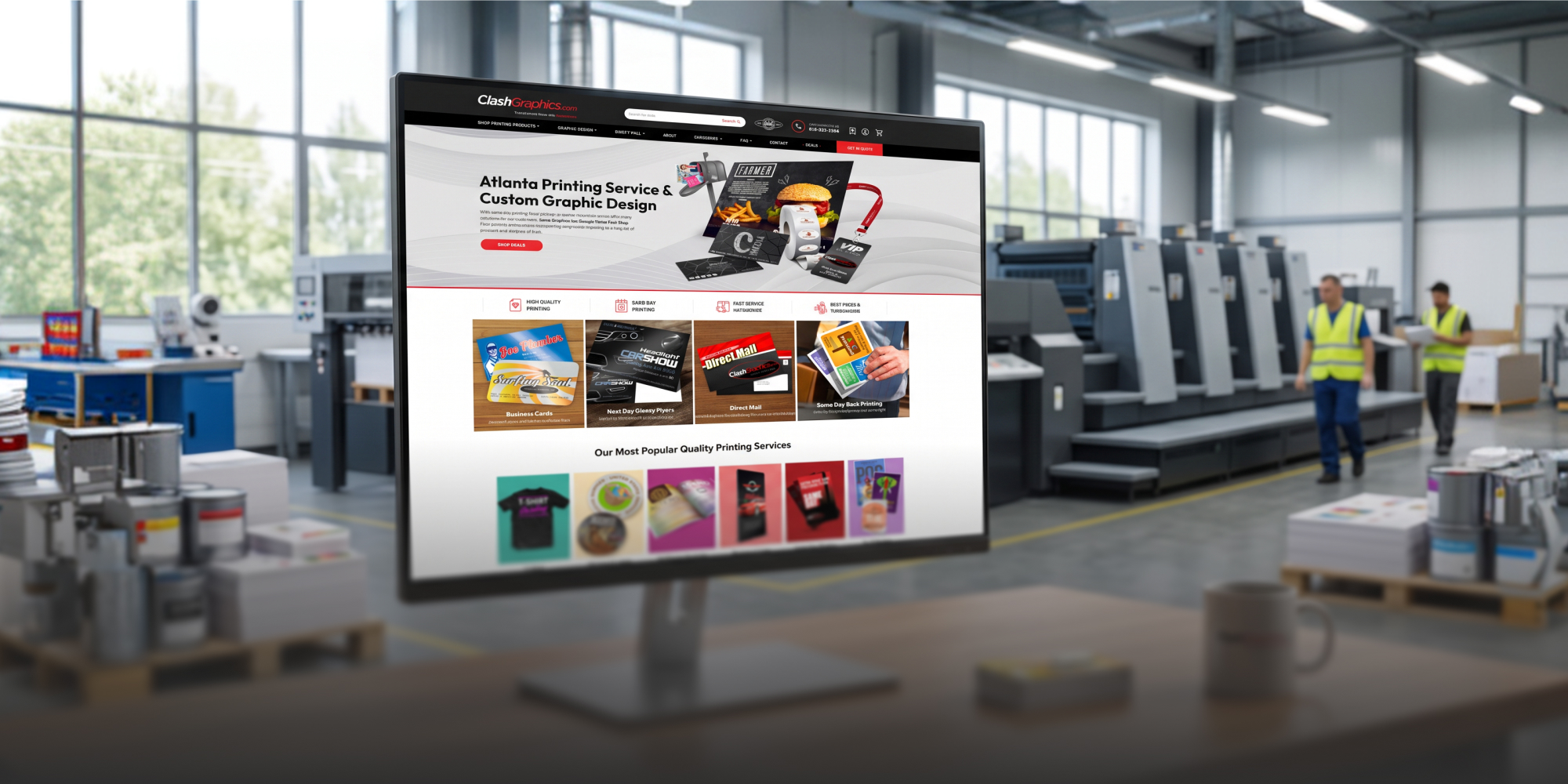

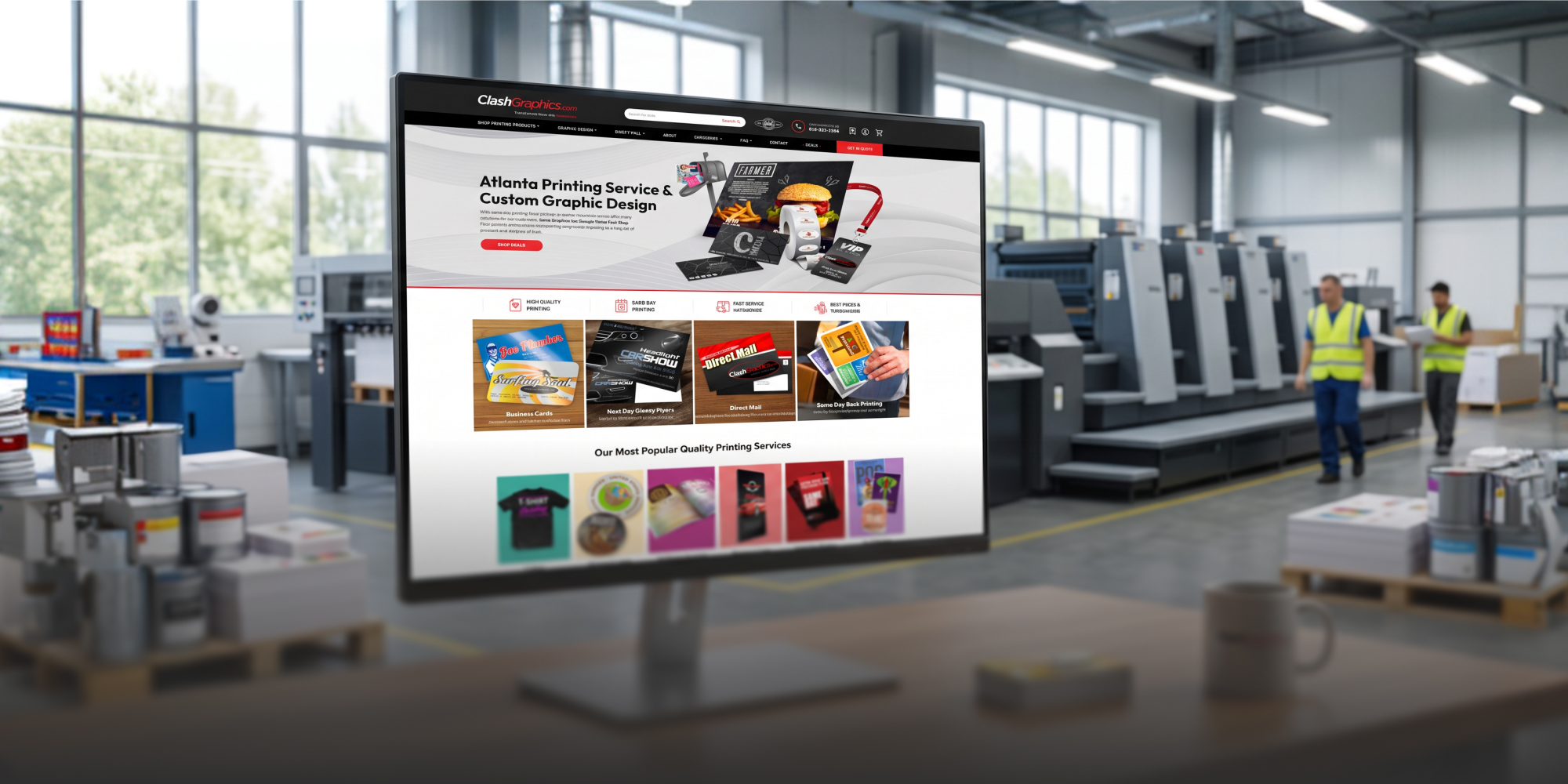
Clash Graphics Prints a New Chapter Online with a Revamped BigCommerce Store and Email Templates
Recommended Tech Stack

Provide the ecommerce foundation for customized merchandise, promotional products, decorated apparel, print products, and other made-to-order offerings.

Let customers personalize text, images, colors, materials, and other product options while supporting visual configuration and production-ready customization workflows.

Coordinate shipping and fulfillment after orders are ready to leave production, including carrier selection, labels, tracking, and multi-order shipping workflows.
Printing and Promotional Products Ecommerce FAQs
Show the choices in the order customers need to make them, distinguish required from optional inputs, and use clear labels for artwork or personalization fields. Production-specific rules should come from the approved product and business source rather than being invented in the storefront.
Yes, when UX and development are in scope and the requirements are defined. The exact file types, preview behavior, validation, proofing, pricing effects, and production integration need technical and business review before implementation is committed.
A company store may use a curated catalog, account access, repeat ordering, client-specific content, or program-specific workflows. The correct model depends on the program rules and should be designed around the customer and operational experience that actually exists.
API and systems integration are approved service areas, but each external system has different data, access, and technical constraints. The integration approach and resulting order behavior require technical verification before they are promised.

 USA
USA
 Philippines


