













































Sporting Goods
Sporting goods ecommerce has to translate different experience levels into useful paths through equipment, apparel, footwear, and accessories. Always Open Commerce organizes sport-based discovery, sizing, specifications, merchandising, data, and development around how customers actually evaluate what they need.

Help Shoppers Start With the Sport and Narrow From There
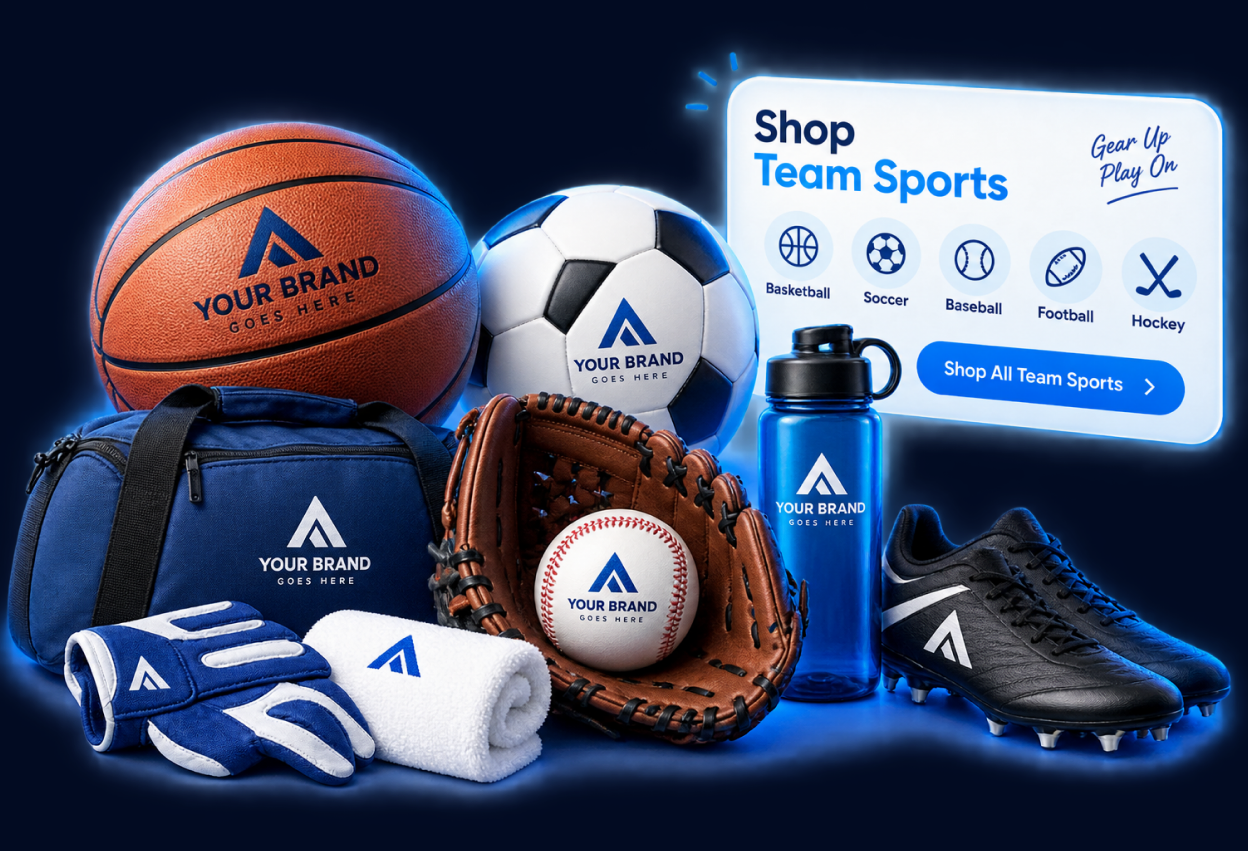
Sporting goods customers often know the activity they are shopping for before they know the exact product. Within the same sport, the right choice can depend on experience level, position or role, product type, size, intended use, or other category-specific attributes.
Navigation, search, filters, collections, and merchandising should help shoppers move from a sport or category into products that fit the way they participate. More experienced buyers should still have direct access to brands, specifications, model families, and other precise product-finding paths.
Give Customers the Context They Need to Compare Equipment
Sports equipment can be difficult to judge from a product name and studio image alone. Shoppers may need specifications, dimensions, sizing, material details, compatibility, product weight, included components, or contextual imagery to understand how an item will fit, feel, or perform for its intended use.
The storefront should make those differences easy to compare without burying the customer in technical detail. Product data, imagery, reviews, product relationships, and information hierarchy can help shoppers reach the right level of confidence for the category.
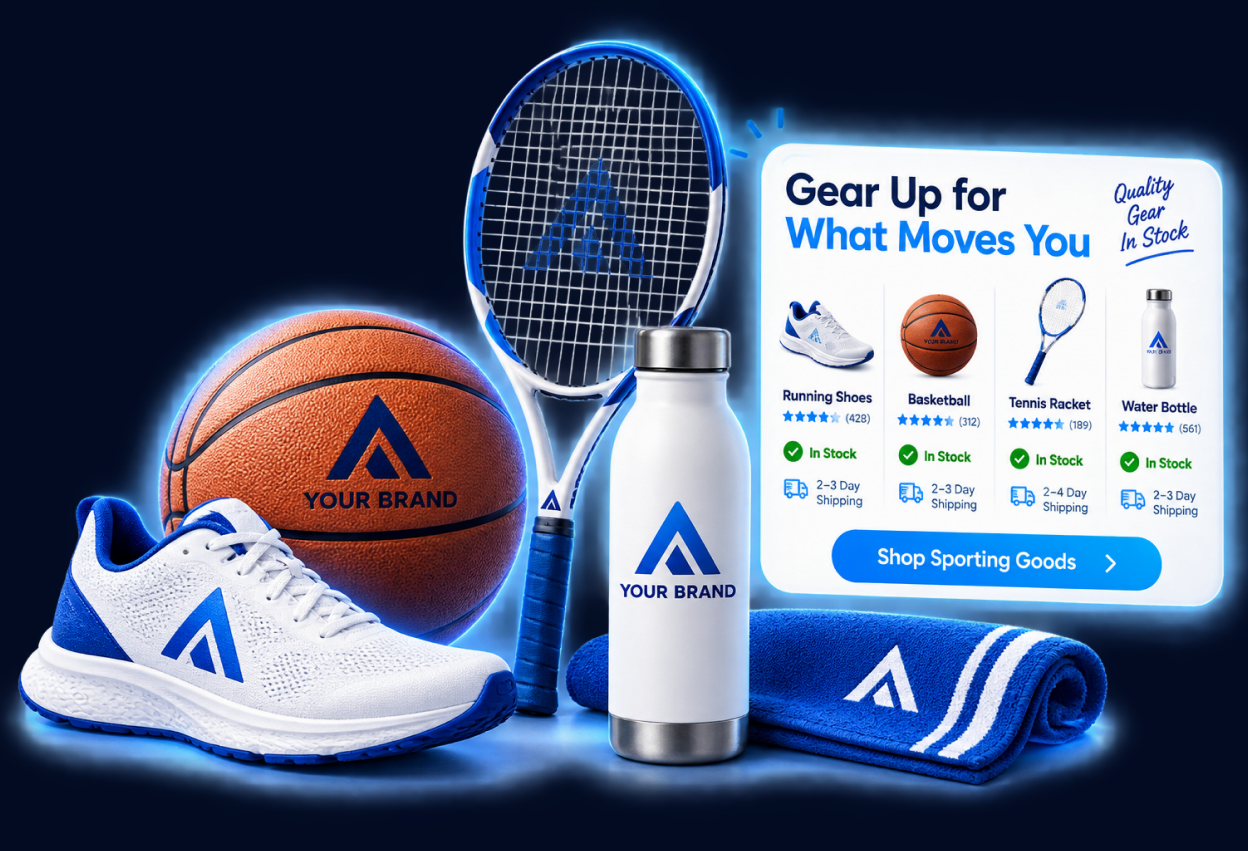
Support Four Sporting Goods Buying Needs
Sporting goods ecommerce should make it easier to choose the right product for the activity and the individual shopper. The supporting work should follow the decision instead of treating equipment, apparel, and accessories as unrelated catalog problems.
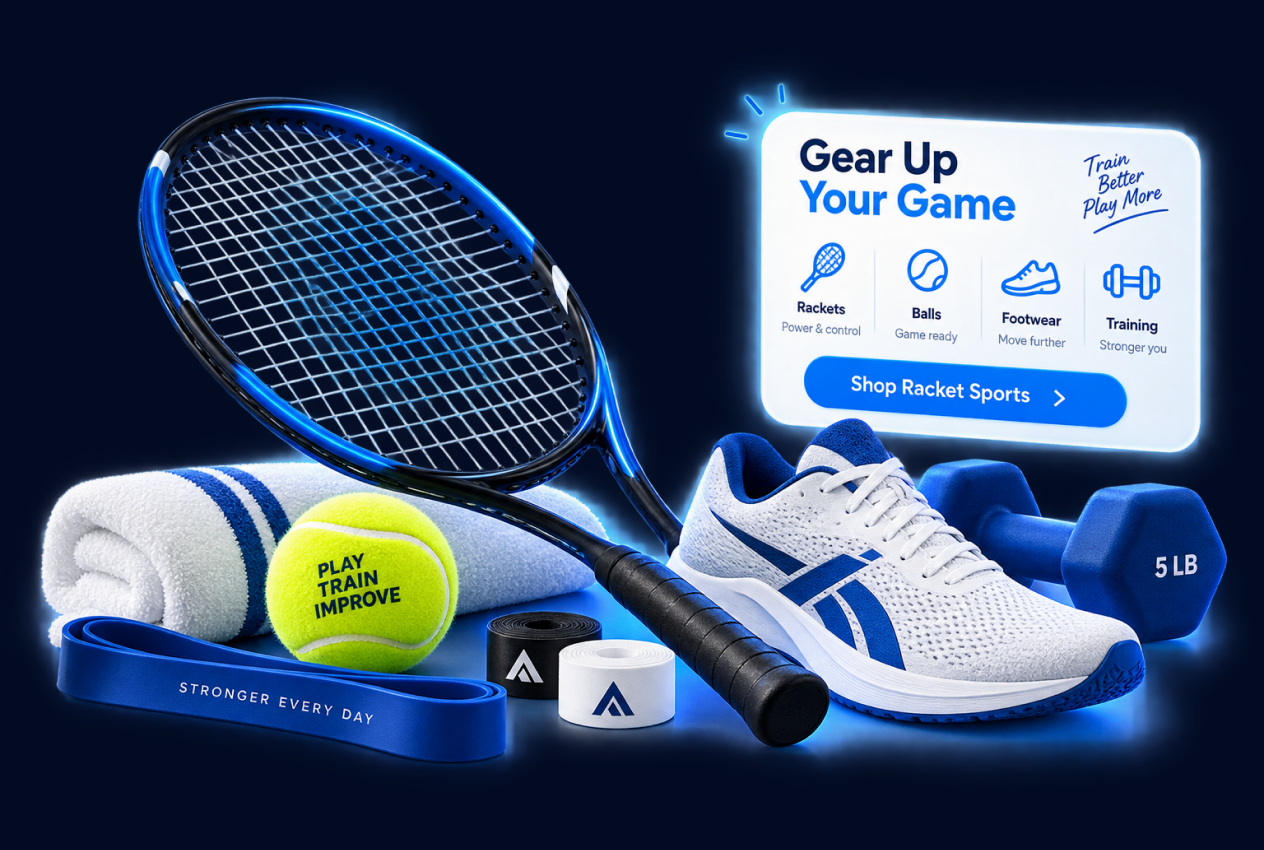
1
Organize Discovery by Sport and Product Type
Categories, collections, search, filters, and landing pages can help customers move from a sport into relevant equipment, footwear, apparel, or accessories. UX/UI, merchandising, content, and product data can support those paths.
2
Make Size, Fit, and Specifications Easy to Check
Footwear, apparel, protective gear, and equipment can each require different decision details. Sizing, dimensions, materials, technical specifications, and product imagery should be structured around what matters for that category.
3
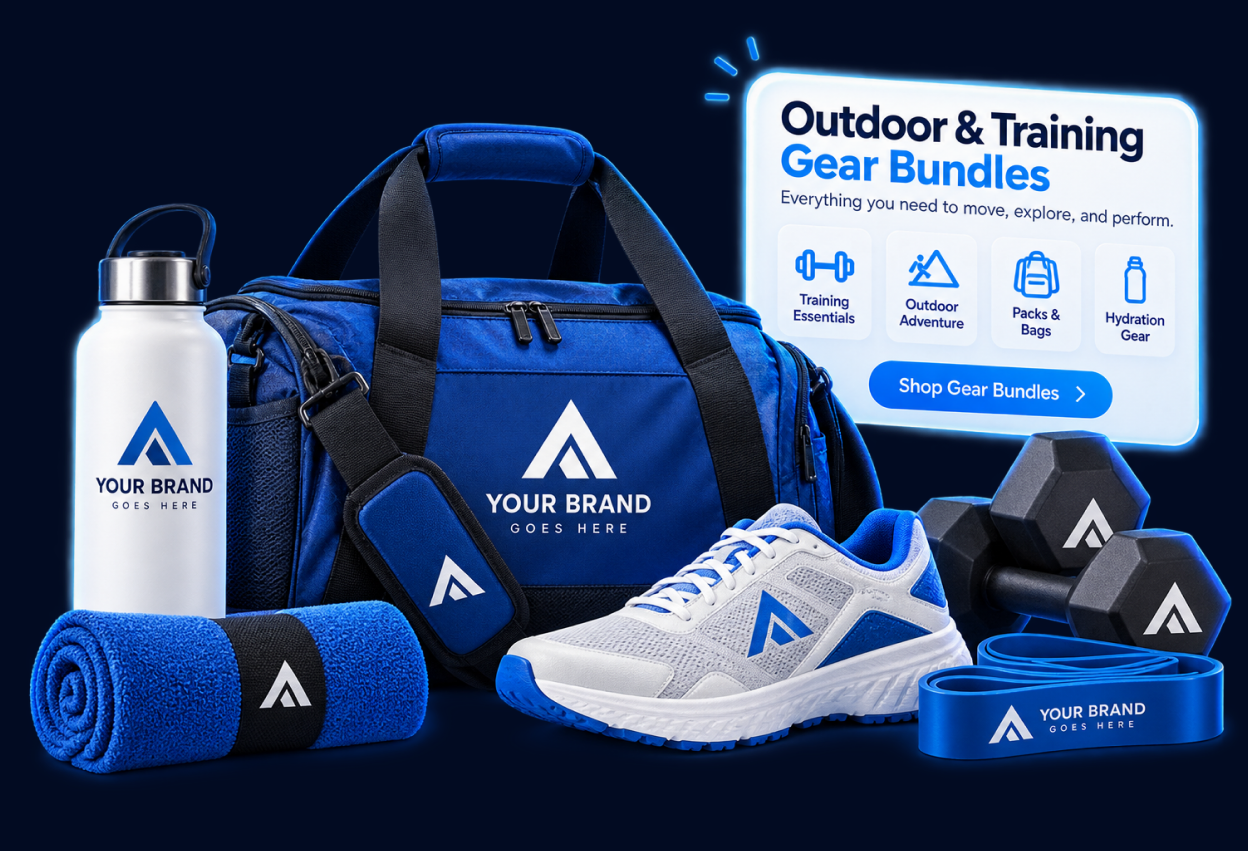
Connect Equipment With the Right Accessories
Replacement parts, protective gear, accessories, apparel, and complementary equipment can be useful when the relationships reflect the sport and product. Catalog data and merchandising should support those connections without generic cross-selling.
4
Keep Seasonal and New-Product Merchandising Manageable
Sports seasons, product releases, promotions, and changing availability can shift what shoppers need to find first. Collections, landing pages, catalog data, feeds, and ongoing support can help teams adjust while preserving clear evergreen discovery.
Keep Product Expertise, Merchandising, and Catalog Data Aligned
Sporting goods catalogs can span categories with completely different shopping logic. A footwear size update is not the same problem as an equipment specification change, yet both can affect filters, product pages, feeds, merchandising, and customer service. Seasonal campaigns add another layer of change.
Always Open Commerce can coordinate the relevant product data, UX, development, CRO, SEO/GEO, content, and ongoing support around the same catalog priorities. The goal is to make category expertise visible to shoppers without making the underlying ecommerce experience harder for the team to maintain.
Selected Sporting Goods Work

Conversion Rate Optimization
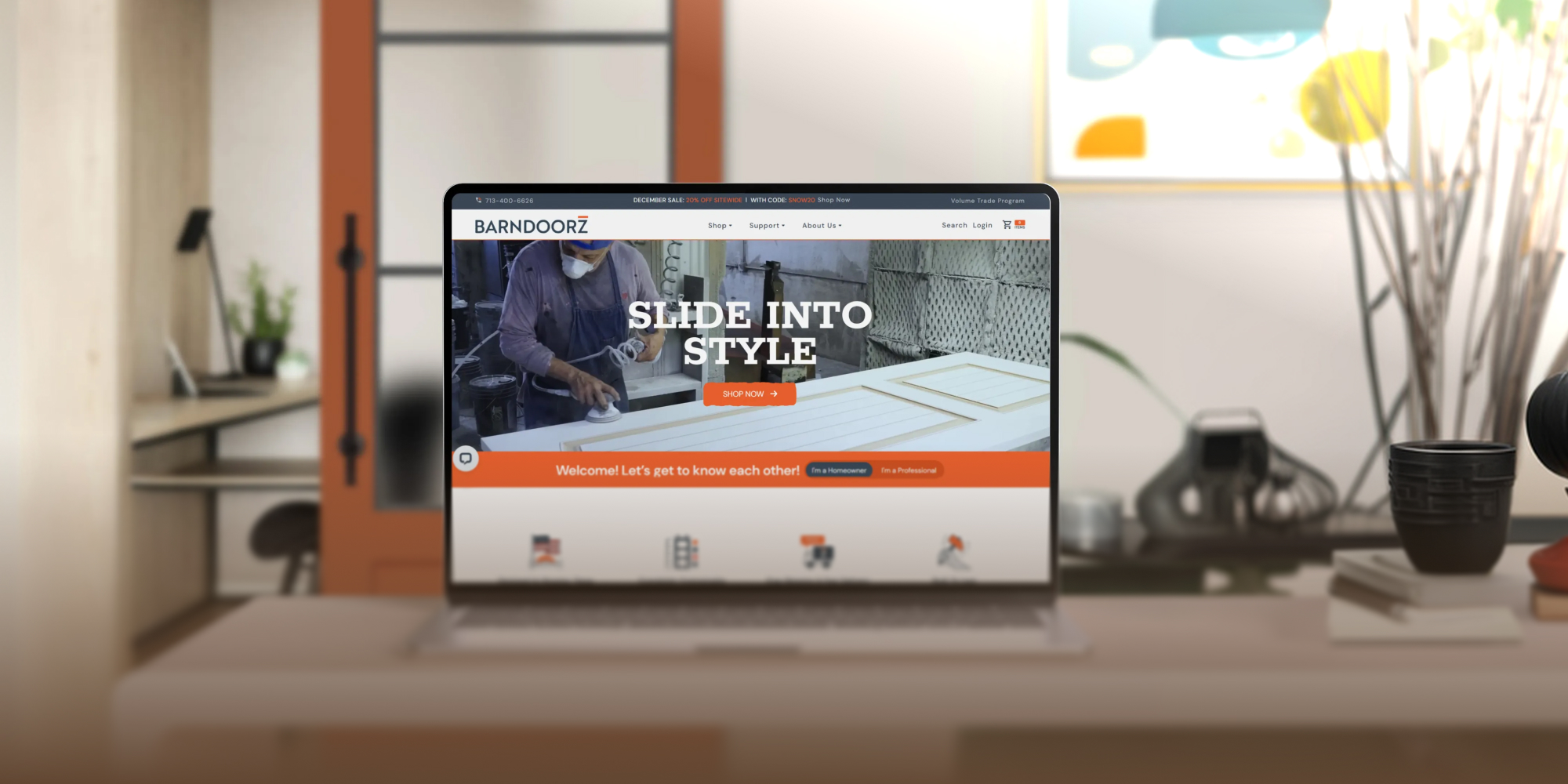
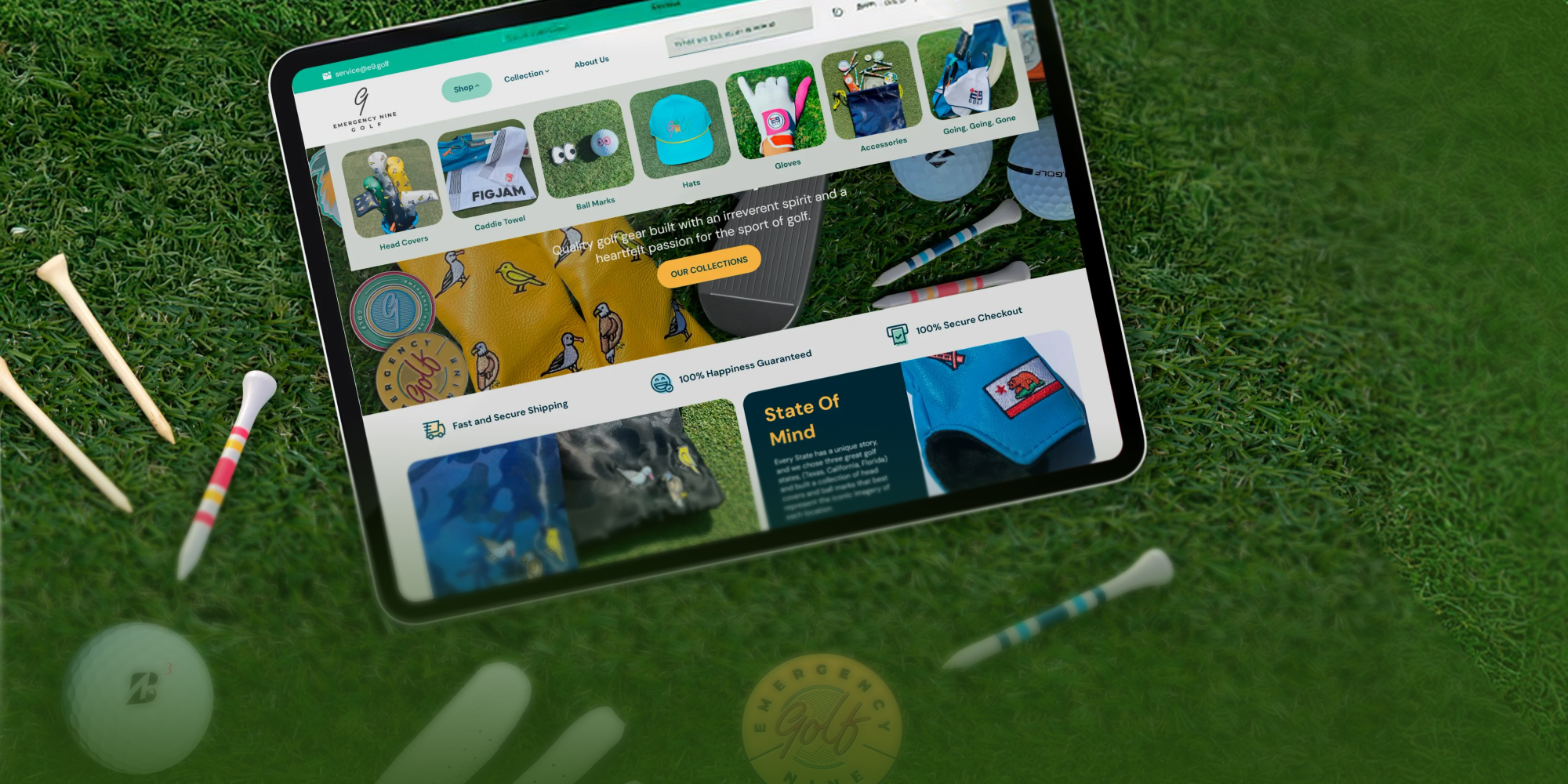
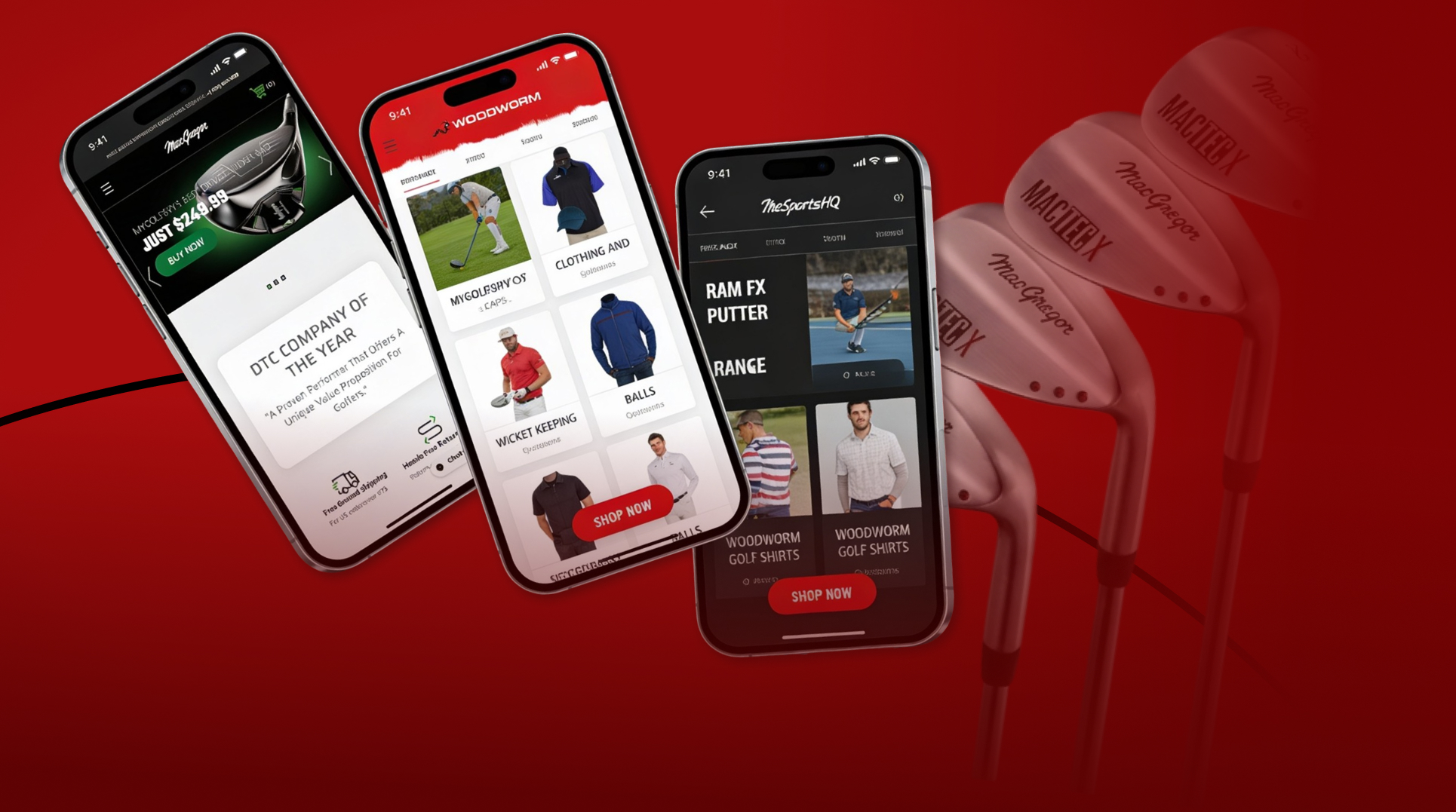
Golf Apparel Brand Tees Off a Cleaner, Faster Shopping Experience with a Targeted Shopify UX/UI Upgrade
Monthly
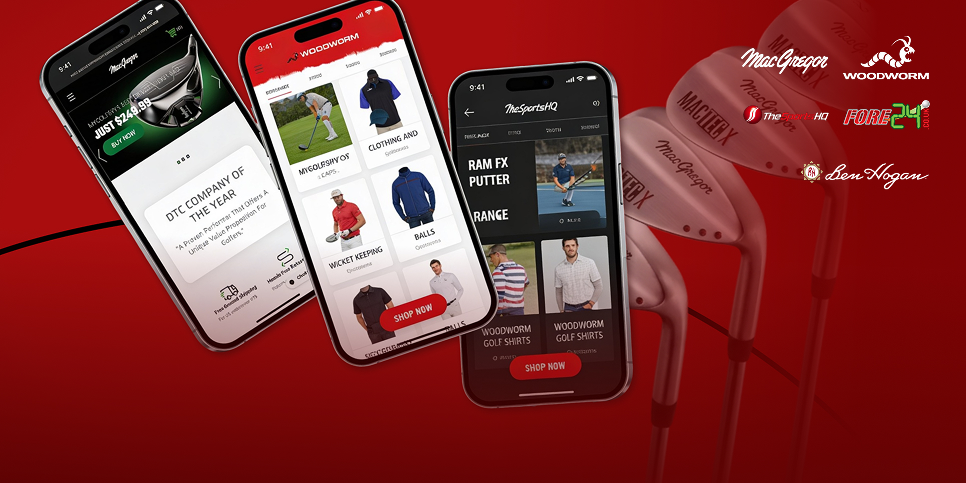
How a Multi-Brand Golf Company Finally Found a Reliable E-commerce Growth Partner
Recommended Tech Stack

Support high-volume sporting-goods commerce with frequent merchandising, product launches, promotions, omnichannel requirements, and changing seasonal demand.

Help shoppers find products by sport, activity, skill level, size, specifications, brand, and other attributes that affect product selection.

Create personalized recommendations, bundles, and complementary-product experiences around equipment, accessories, apparel, replacement items, and complete kits.
Sporting Goods Ecommerce FAQs
Use sport and product type as clear starting points, then add filters and attributes that matter within each category. The same filter set should not be forced across footwear, apparel, and technical equipment when shoppers evaluate those products differently.
It depends on the category. Specifications, dimensions, materials, sizing, weight, compatibility, included components, imagery, reviews, or other details may affect the choice. Prioritize the information that changes whether the product fits the shopper’s use.
Yes. Product relationships, catalog structure, merchandising, UX, and development can support accessory and complementary-product journeys. Any compatibility-sensitive relationship should come from reliable source data and be technically verified.
Use seasonal collections, campaign pages, merchandising, and promotional content as a layer over a durable category structure. When the campaign ends, customers should still have a clear way to find products by sport and product type.

 USA
USA
 Philippines


