





















































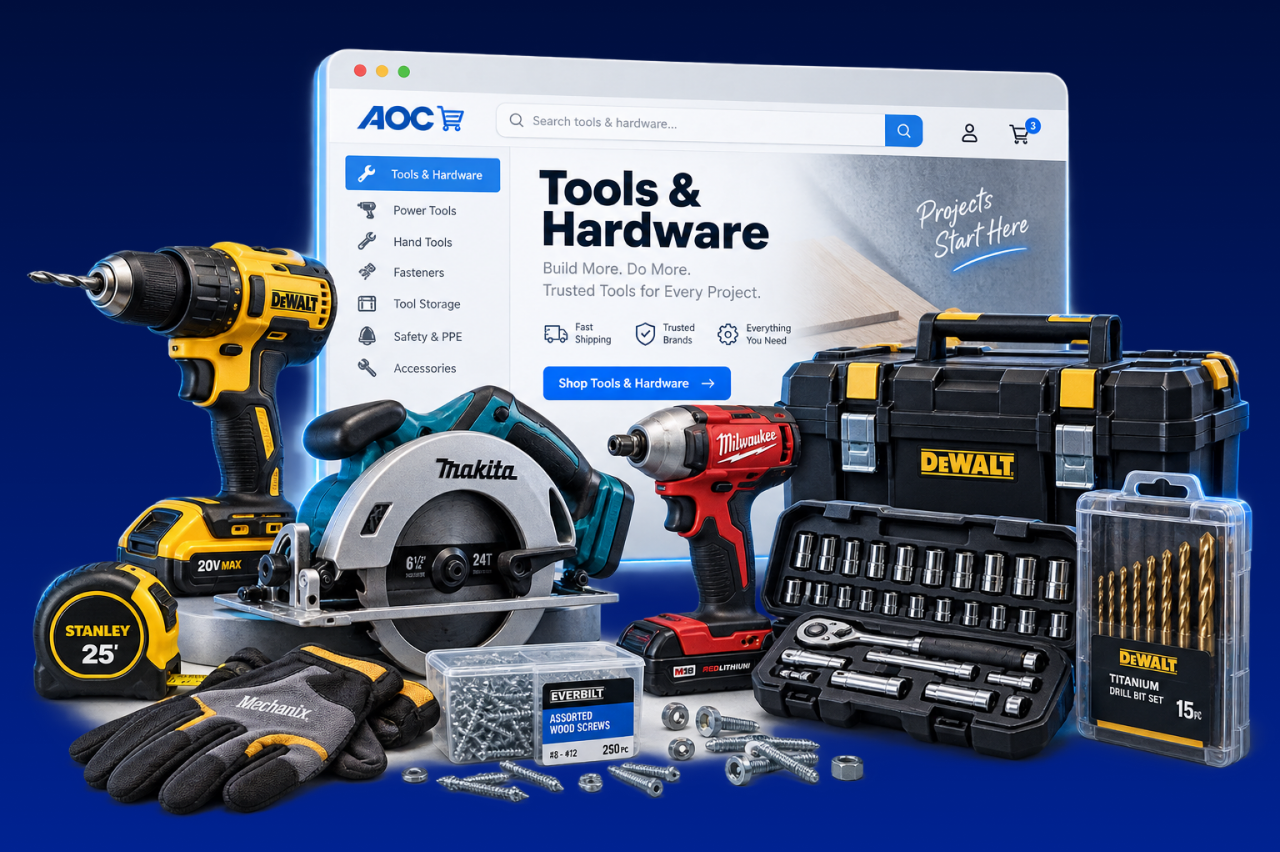
Tools & Hardware
Some tools and hardware buyers know the exact part; others know only the material, task, or application. Always Open Commerce structures search, specifications, compatibility, accessories, inventory context, and catalog data so both routes reach a workable product choice.
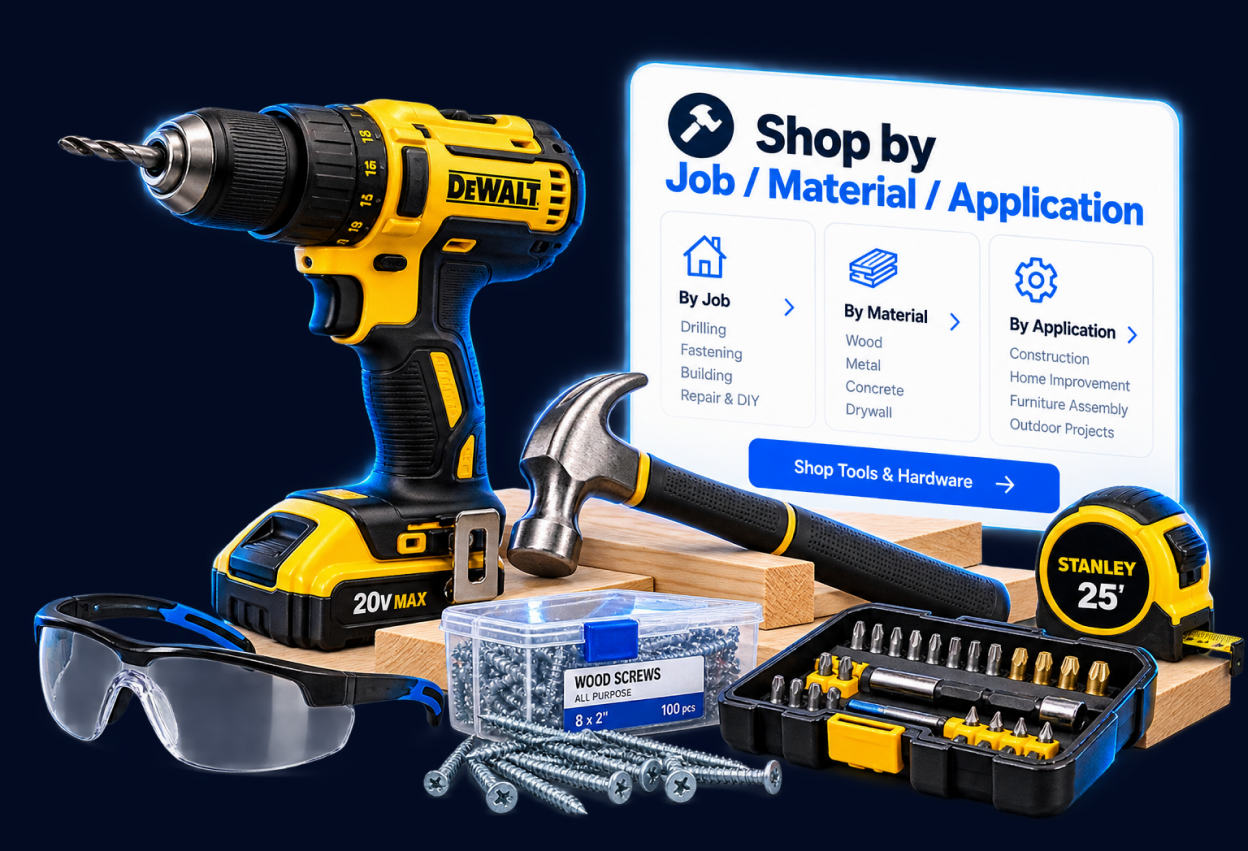
Help Customers Shop by Job, Tool, and Material
A tools and hardware catalog can serve contractors who know exactly what they need and DIY shoppers who are still working out which product fits the job. Categories alone may not be enough when customers are thinking in terms of a task, material, application, or replacement need.
Search, filters, product relationships, and educational content can help buyers move from the work they are doing to a manageable set of tools, accessories, and supplies. Experienced buyers should still have a fast route to known products, specifications, and availability without being forced through beginner guidance.
Make Specifications, Accessories, and Availability Easy to Check
Pros often use retailer websites and search engines to check specifications, inventory, and reviews before they purchase. DIY customers may need more explanation about capability, size, material, installation, or what else is required to complete the task. Both groups benefit when important product information is complete, consistent, and easy to compare.
Accessories, bits, blades, batteries, fasteners, consumables, and replacement items can be part of the same decision. Product relationships should make those connections clear without assuming compatibility that the underlying catalog data cannot support.
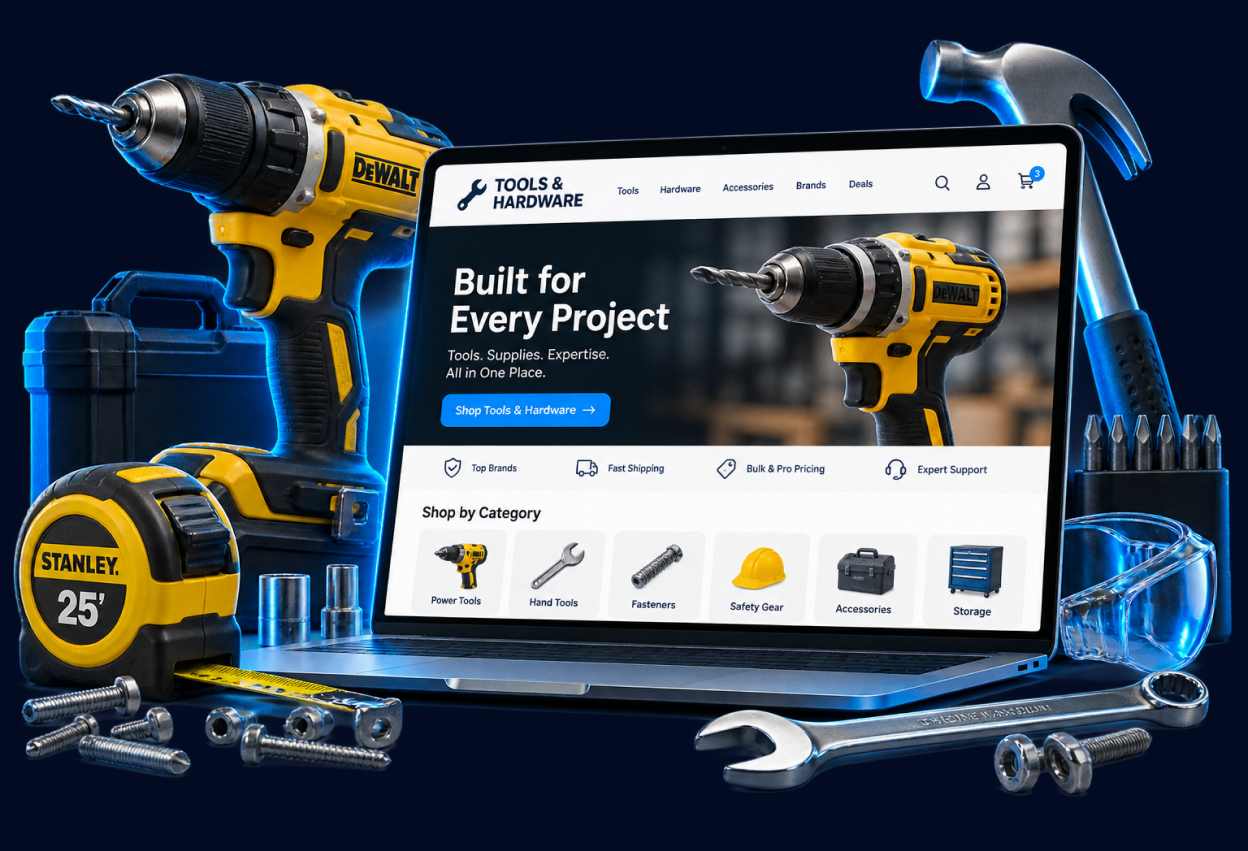
Support Four Tools and Hardware Buying Needs
Tools and hardware ecommerce should help customers identify the right product, understand what works with it, and confirm whether it is practical to buy now. The supporting work should follow those tasks rather than an internal service list.
1
Find the Right Tool for the Task
Categories, search, filters, landing pages, and educational content can connect products to jobs, materials, or applications when the catalog supports those relationships. UX/UI, content, SEO/GEO, and product data can support discovery.
2
Match Accessories and Consumables
Related products can help customers find compatible bits, blades, batteries, fasteners, replacement items, or consumables. The relationship should come from dependable product data, with technical compatibility verified where required.
3
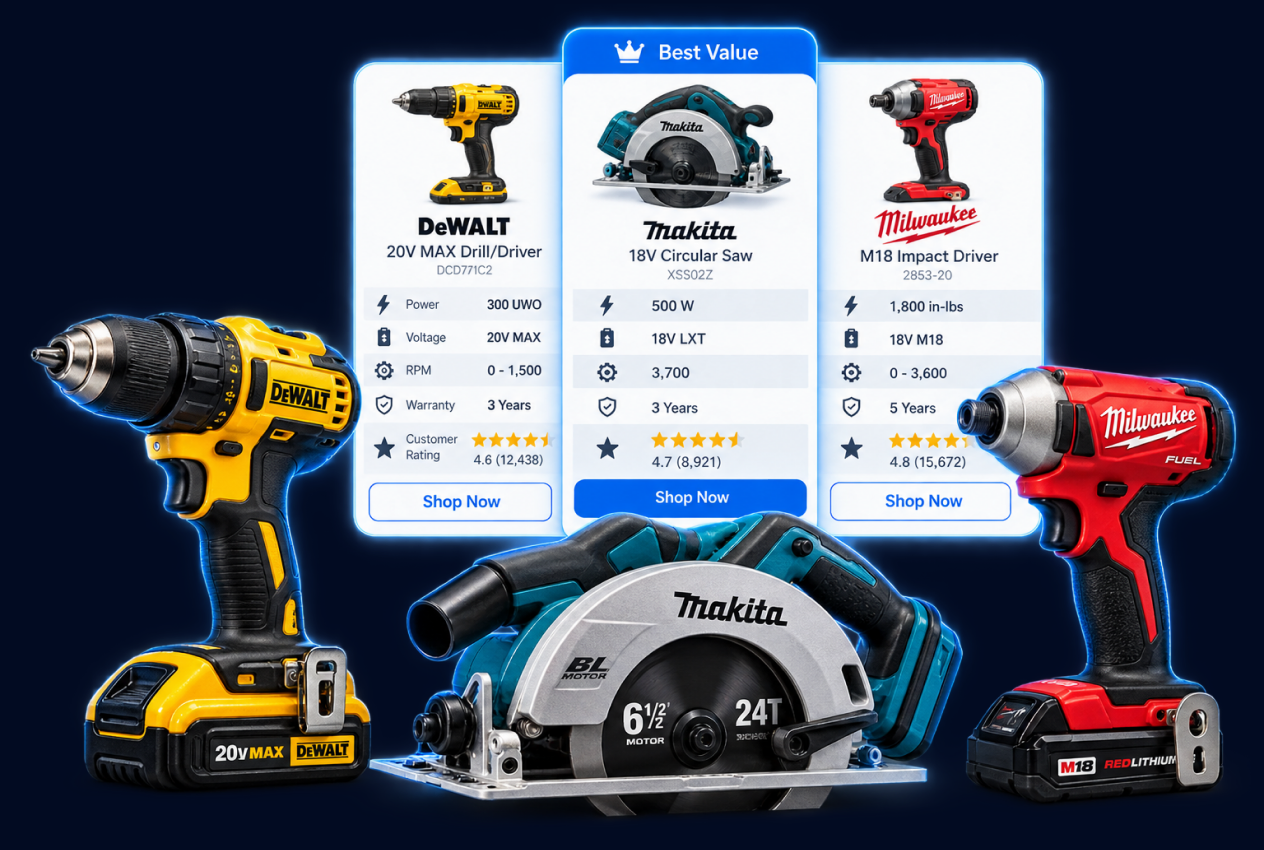
Compare Specs Without Slowing Down Experienced Buyers
Specifications, dimensions, materials, capacity, warranty information, and reviews should be easy to scan. Product pages can provide deeper guidance for less experienced buyers without hiding the details pros need for a quick decision.
4
Keep Availability and Fulfillment Context Clear
When inventory, pickup, delivery, or shipping options affect the purchase, those choices should be understandable before checkout. The exact experience should reflect the retailer’s actual fulfillment model and verified system capabilities.
Keep Fast Product Finding and Deeper Guidance in the Same Catalog
Tools and hardware stores often have to support two speeds of shopping at once. A contractor may want to confirm a specification and place an order quickly, while a DIY customer may need help understanding which tool, accessory, or material belongs in the project. A catalog designed only for one group can frustrate the other.
Always Open Commerce can coordinate product data, UX, development, merchandising, CRO, SEO/GEO, content, and ongoing support around those different buyer journeys. The goal is to preserve quick product finding while adding useful guidance where the decision genuinely needs it.
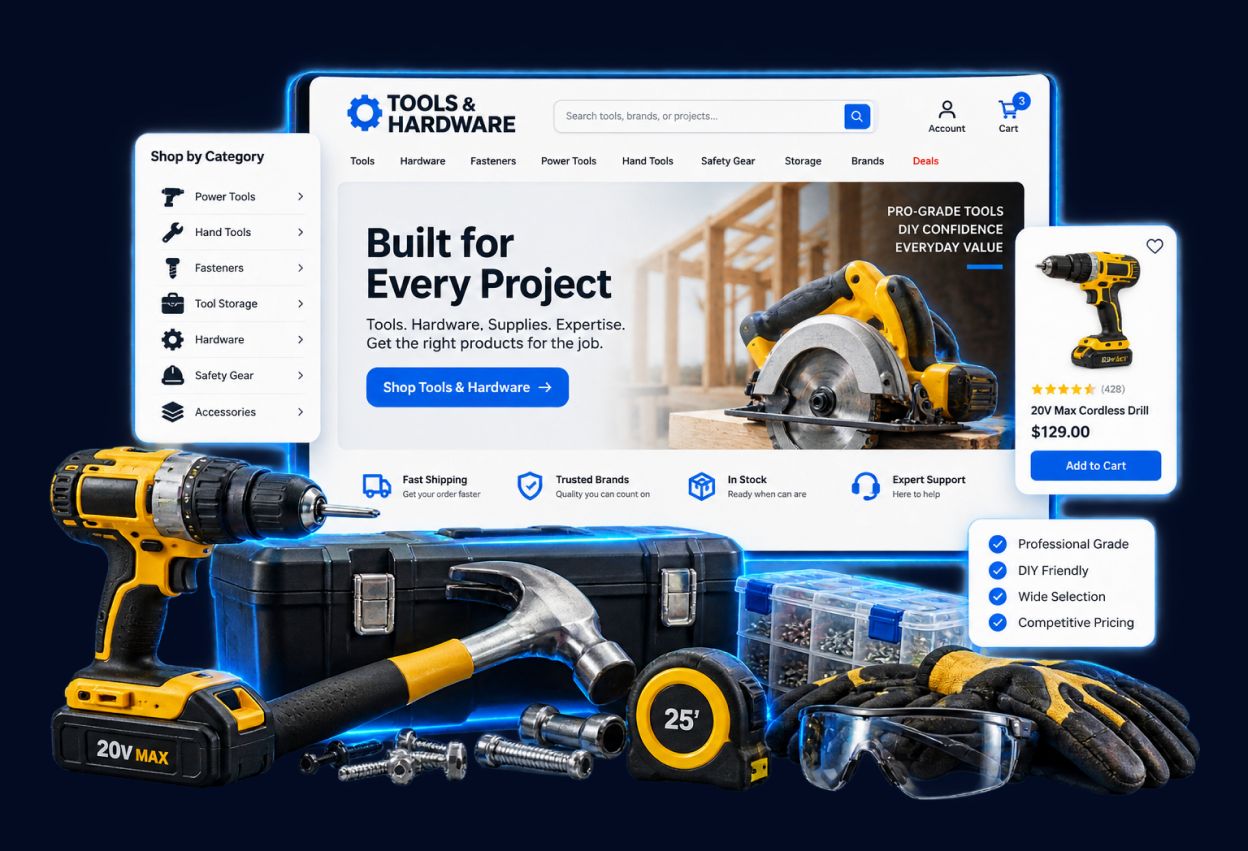
Selected Tools and Product Work
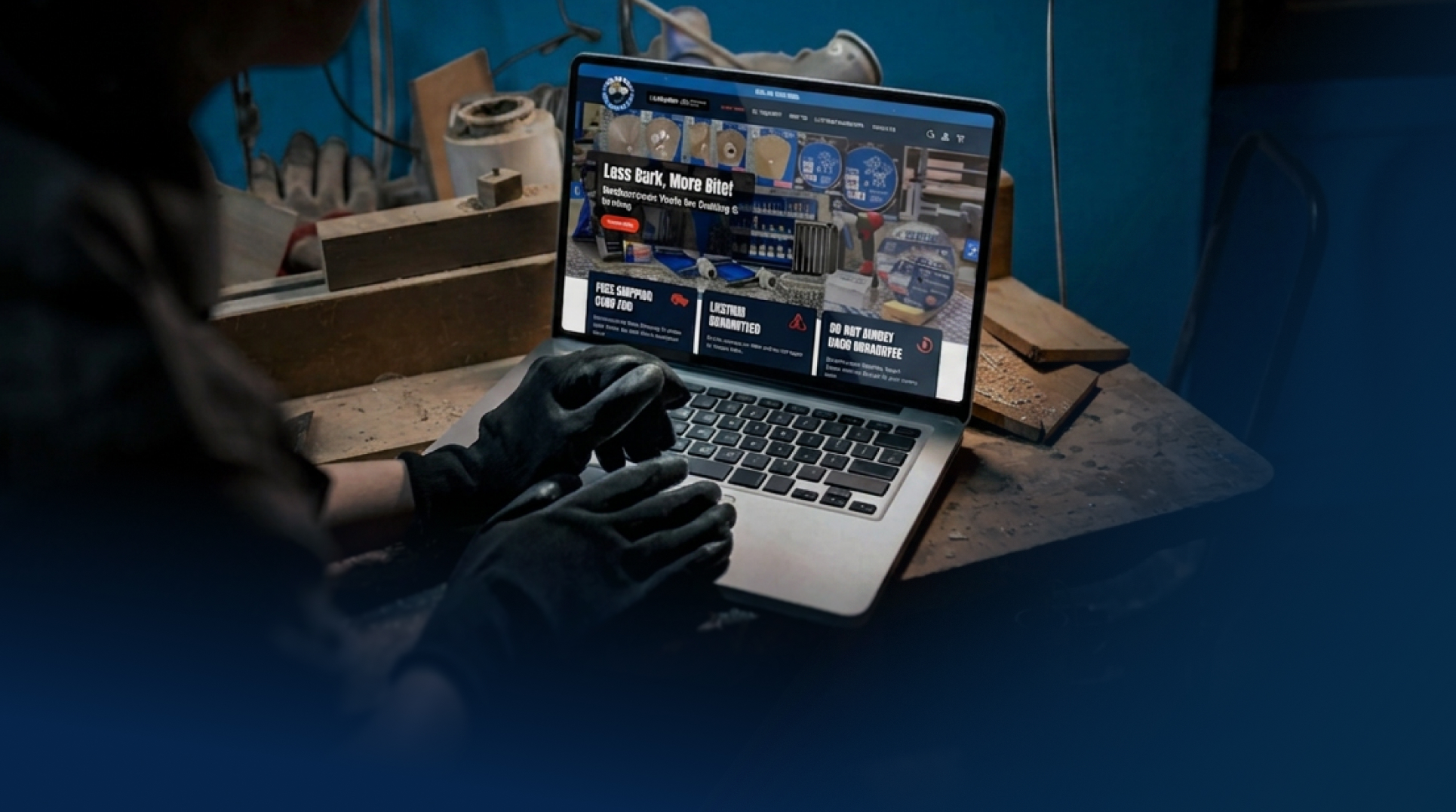
Conversion Rate Optimization
How Bad Dog Tools Improved Conversion Rate by 34.48% and Returning Customer Rate by 151.92%
Recommended Tech Stack

Support broad tools and hardware catalogs serving consumers, contractors, tradespeople, account buyers, and other purchasing models.

Organize dimensions, materials, ratings, compatibility, applications, specifications, documentation, and other product information across a complex catalog.

Configure shipping for catalogs that combine standard parcels with heavy equipment, oversized products, multi-box orders, freight, and multiple fulfillment locations.
Tools and Hardware Ecommerce FAQs
Keep common product-finding paths fast for experienced buyers while providing additional context for customers who need it. Search, filters, specifications, educational content, and task-based pathways can work together without forcing every shopper through the same level of guidance.
Use reliable product relationships and attributes to connect tools with relevant accessories, consumables, or replacement items. Any automated compatibility logic should be based on dependable source data and technically verified before it is treated as final.
Surface the specifications that materially affect the purchase and make deeper detail easy to reach. Pros should be able to scan quickly, while less experienced buyers may benefit from plain-language explanation of what a specification means for the task.
Yes. Product data, PIM support, catalog structure, shopping feeds, search and merchandising, UX, and development are approved service areas. The right combination depends on the current catalog, channels, and systems.

 USA
 Philippines


