
















































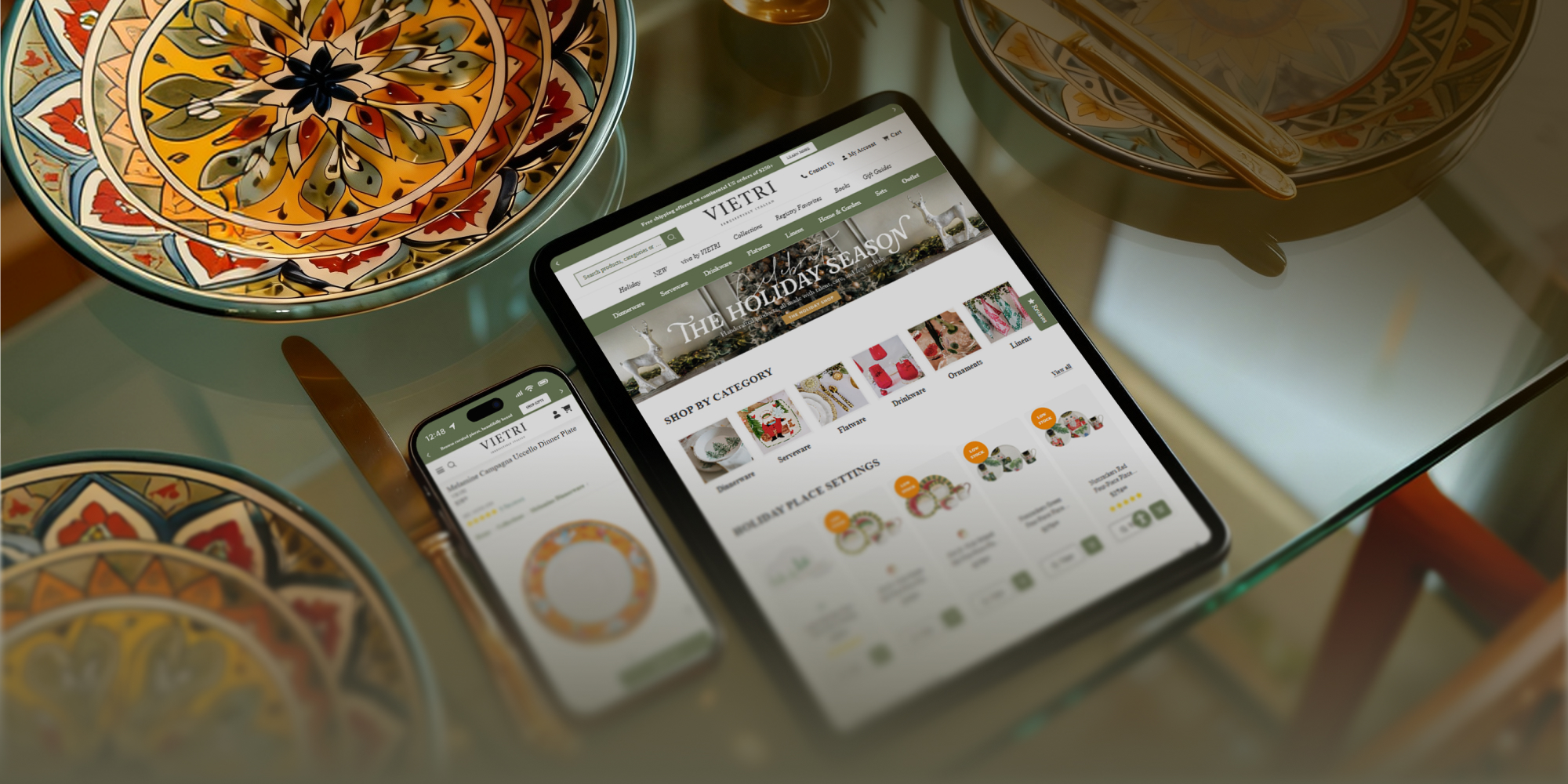



Webflow
Webflow works best when visual experience is a primary requirement and the commerce model fits cleanly around it. Always Open Commerce maps what should live in Webflow and what needs another system before design gets ahead of operations.
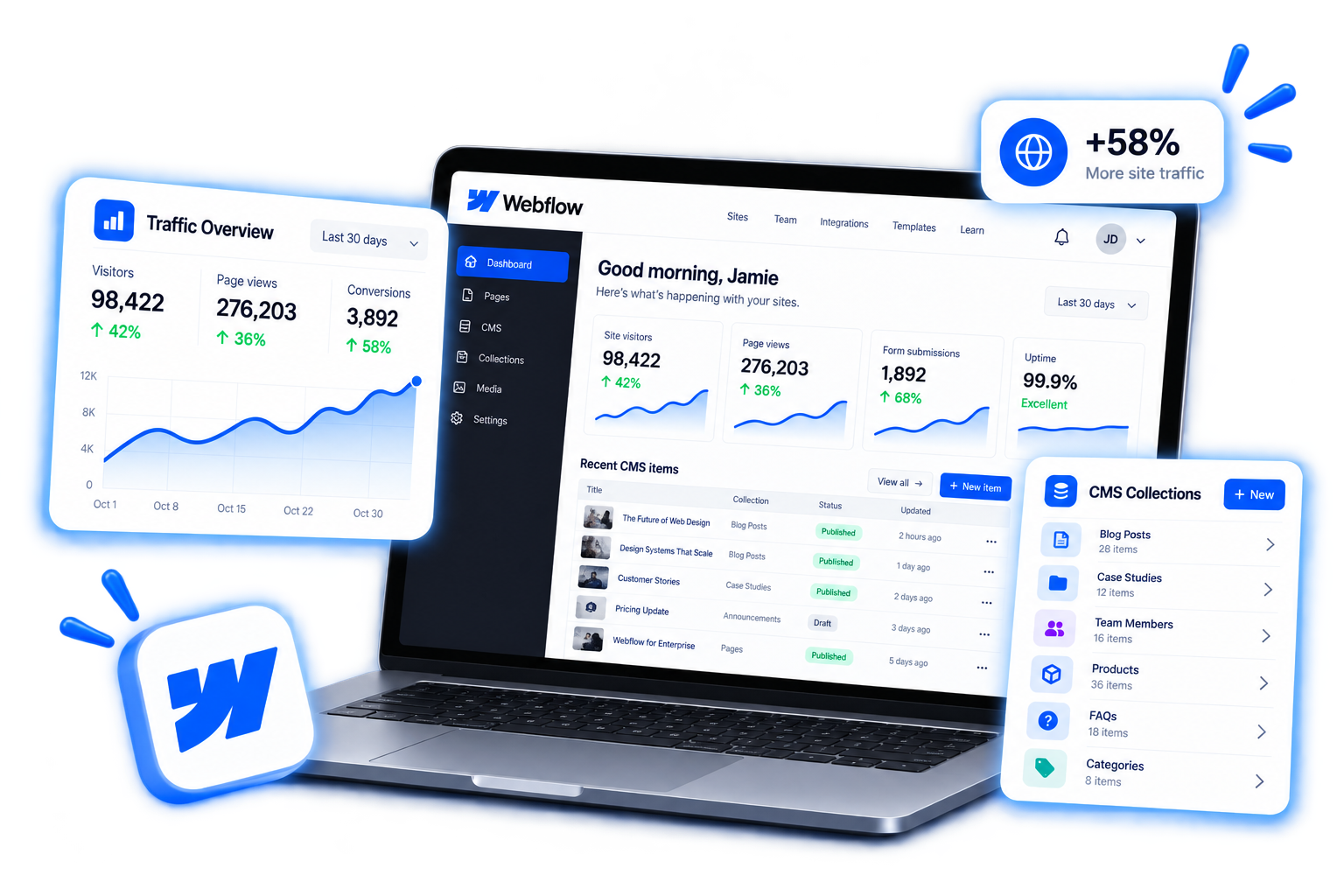

Decide How Much Commerce Should Live in Webflow
Webflow is different from a commerce-first platform because the design and content experience is central to the product. Native Ecommerce adds products, variants, cart and checkout experiences, orders, delivery options, and related selling tools inside that same environment.
The first decision is therefore one of fit: how much of the business’s commerce model can be handled cleanly inside Webflow, and which operational requirements need a connected system or separate verification. We map the selling model before the visual build so the site architecture does not get ahead of the commerce requirements.
Give Marketing More Visual Control Without Fragmenting the Storefront
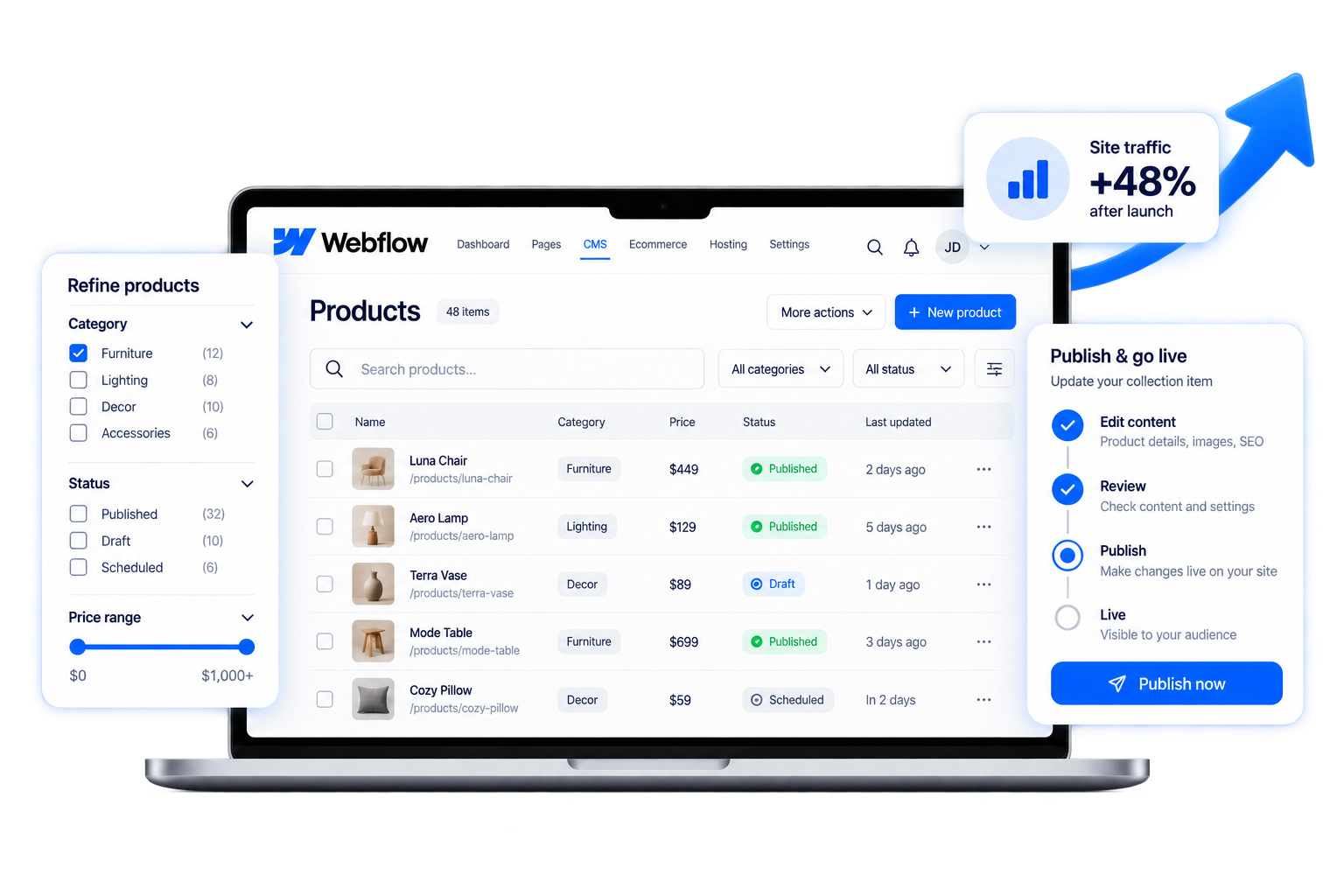
A Webflow implementation should define how much direct control internal teams need over page composition, campaign content, interactions, and visual presentation. The useful boundary is deciding which patterns can change freely and which should stay governed by a shared design system so faster publishing does not create inconsistent navigation, product presentation, or mobile behavior.
Always Open Commerce can help structure reusable patterns, editing expectations, and UX guardrails around the parts of the site marketing teams change most often, while keeping storefront-critical experiences consistent.
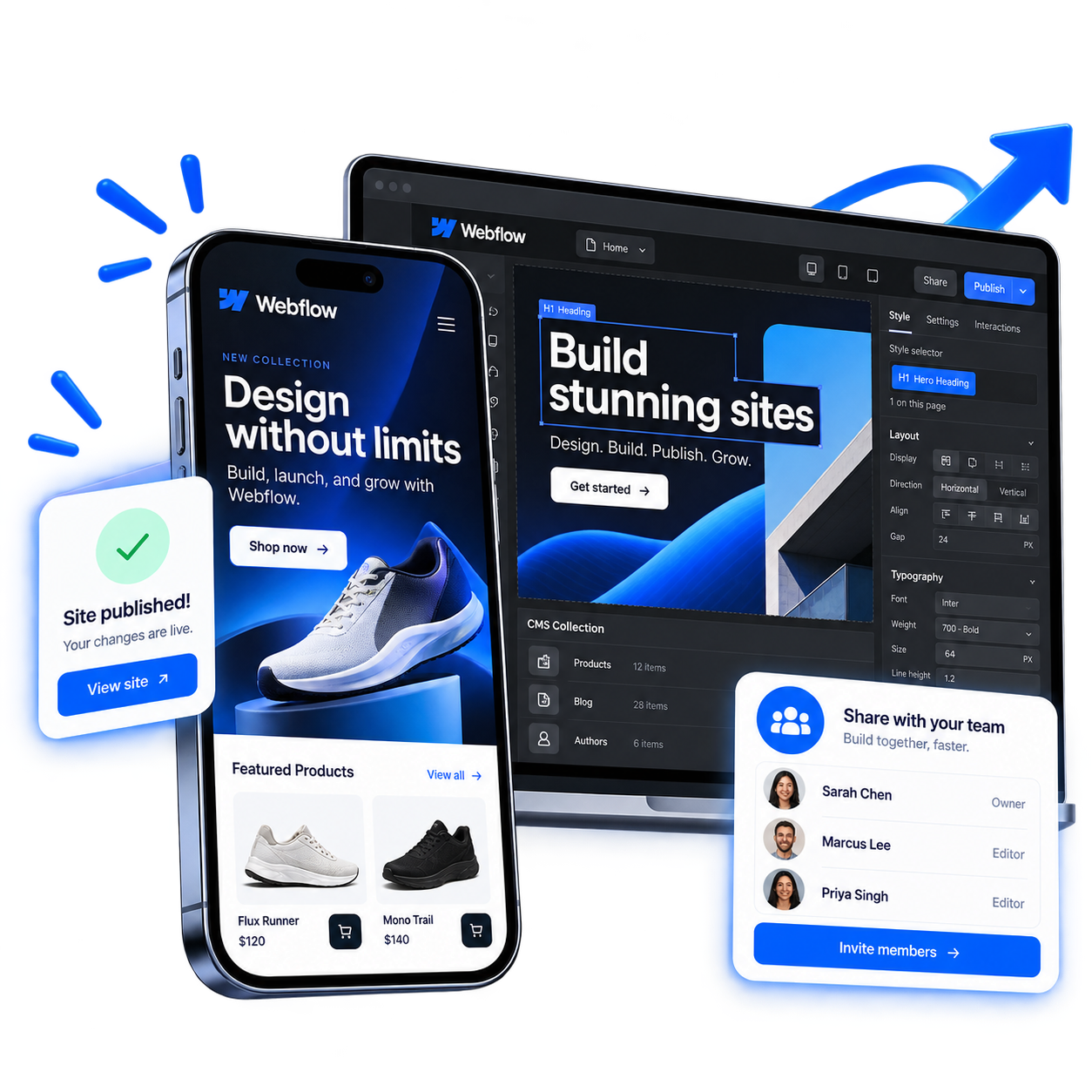
Build Content and Commerce as One Experience
A Webflow store works best when product presentation and the surrounding site content are planned together. The visual system should help customers understand what is being sold without making routine updates difficult.
1
Product Content
Structure product details, variants, imagery, custom fields, and supporting information around what customers need to compare and understand before buying.
2
Storefront Patterns
Use reusable design patterns for product, category, promotional, and supporting content so the experience can stay consistent as products and campaigns change.
3
Cart & Checkout
Shape the cart and checkout presentation within Webflow’s current capabilities and validate any payment, delivery, or workflow requirement that could affect implementation.
4
Responsive Experience
Plan interactions, media, navigation, and product storytelling for mobile as part of the storefront system rather than treating responsive work as a final cleanup step.
Connect Webflow to the Work Around the Store
Commerce does not end at the page builder. Orders, customer communication, analytics, fulfillment, marketing, and ongoing site optimization may involve other tools or teams that need a clear relationship to Webflow.
1
Marketing & Customer Data
Define how forms, email, customer data, and approved marketing tools should interact with the site before adding connections that duplicate the same information or workflow.
2
Payments & Delivery
Map payment and delivery requirements to the current Webflow Ecommerce setup, and route any provider-specific or operational requirement through technical verification before commitment.
3
Optimization & Localization
Webflow offers native optimization, localization, and AI-assisted site workflows, but availability and compatibility can vary by site setup and plan. Treat them as separate requirements and verify how they apply before including them in an Ecommerce implementation.
4
Ongoing Improvement
Always Open Commerce can continue with approved UX/UI Design, Custom Development, Conversion Rate Optimization, and Ongoing Maintenance as the Webflow experience evolves, with other content or search work added when it directly supports the site.

Webflow Ecommerce FAQs
No. The fit depends on the selling model and whether product, checkout, payment, delivery, and operational requirements can be handled cleanly by the current setup.
Yes. We can improve reusable patterns, product presentation, responsive UX, and the editing model within the approved scope.
Yes. We map which systems own orders, customer communication, analytics, fulfillment, and marketing, then verify the approved integrations.
We can assess the existing site, commerce requirements, content, and operational handoffs before defining a migration plan.

 USA
 Philippines


