

































AI Commerce

AI & Automation

Agents & Automation, Custom Commerce Systems, AI Search & GEO

Smarter workflows. Less manual work.

Launch & Migrate

SEO Migrations, Data/Catalog Migration, App Planning & Setup

Start strong. Scale with confidence.

Design & Optimize

UX / UI Design, Conversion Rate Optimization, Mobile Optimization

Better experiences. More conversions.

Develop & Integrate

Custom Development, B2B Data & Wholesale, PIM Setup & Support

Custom solutions. Built to scale.

Attract & Grow

SEO, Google & Meta Ads, Marketplace Setup

Drive traffic. Grow your audience.

Retain & Convert

Email/SMS Marketing, Loyalty & Rewards, Cart Recovery

Turn shoppers into loyal customers.

AI Consulting & Enablement

Turns AI strategy, governance, workflows, and enablement into a practical adoption plan.

AI Agents & Automation

Builds the knowledge, agents, and automations to execute repeatable work with human oversight.

Agentic Commerce

Prepares teams for AI shopping with the right actions, data, channels, and technical path.

AI Search & GEO

Strengthens content, entity clarity, and measurement for visibility in AI search and answers.

Custom Commerce Systems

Replaces fragmented tools with one system for commerce automation and AI.

AI Product Data Optimization

Structures verified product facts for consistent reuse across commerce channels.

A Rapid Shopify Launch Powered by Streamlined Setup and 3PL Integration

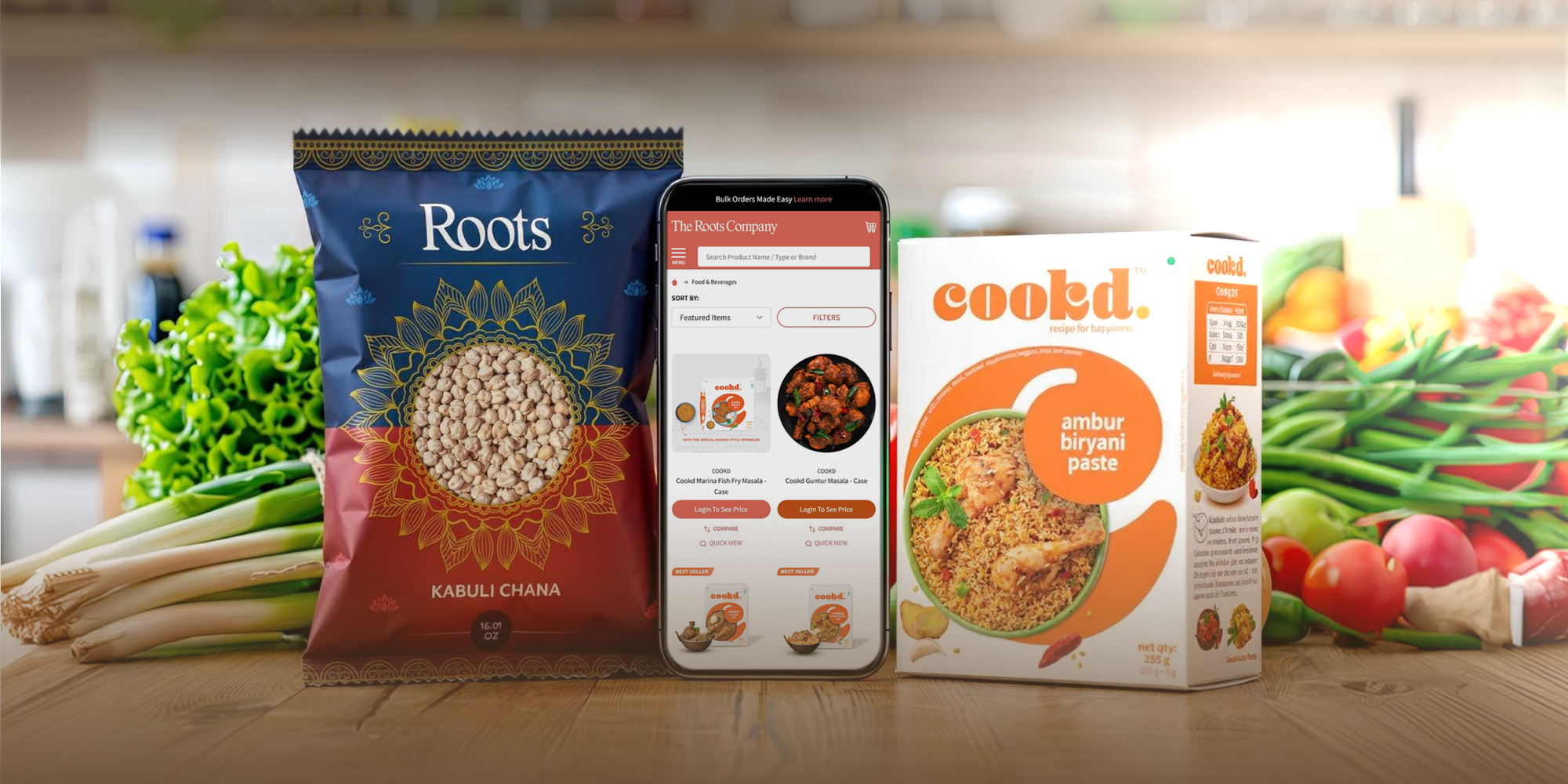
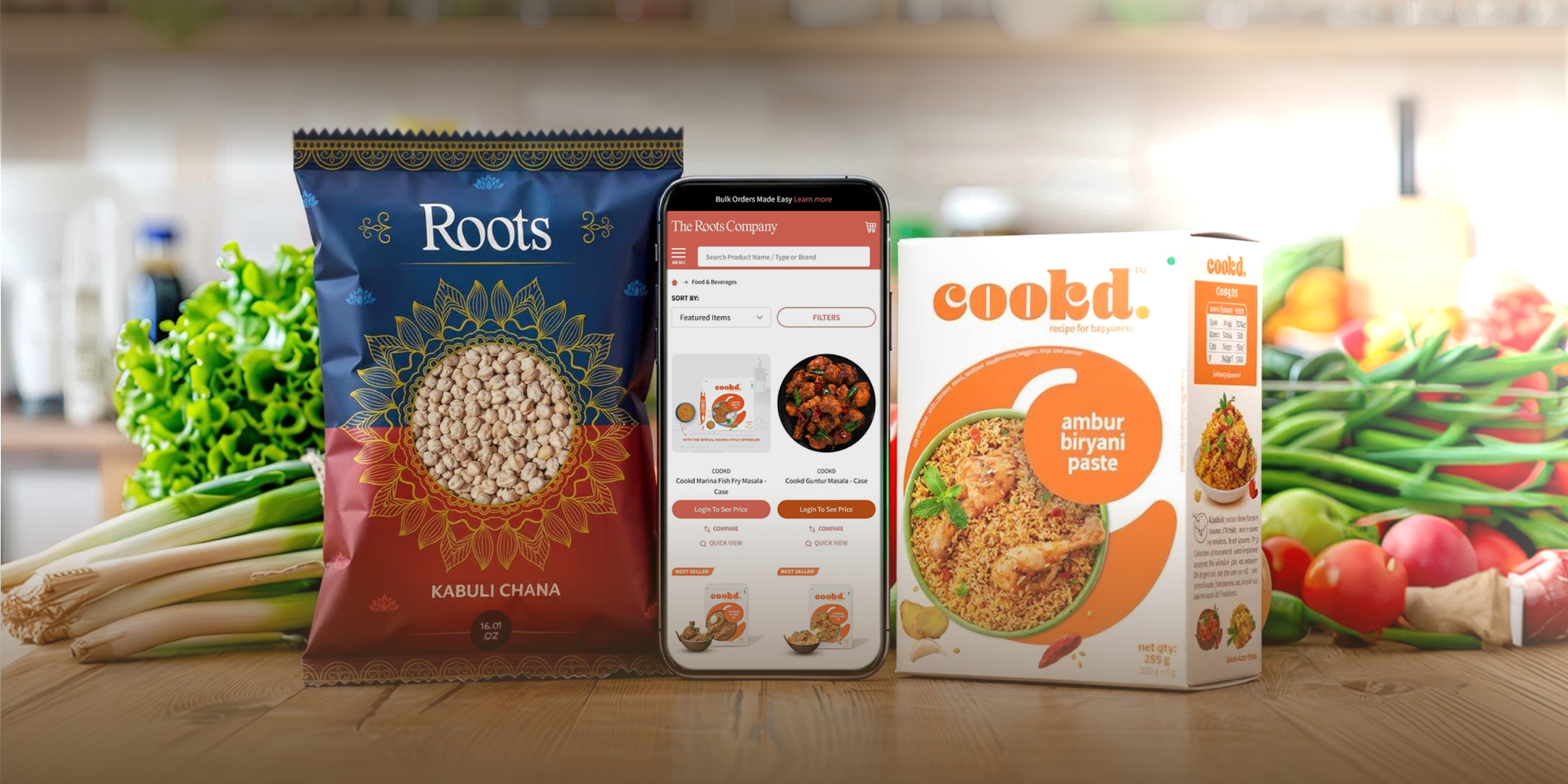
From Stalled Launch to Growth: Rescuing The Roots Company’s Four-Week B2B Sprint

New Store Builds

We build stores for brands launching, expanding, or replacing an existing storefront.

Platform Migrations

We help brands switch platforms while protecting product data, SEO value, and core store functionality.

Theme Updates & Migration

We upgrade outdated themes to improve performance and layouts without losing functionality.

Data/Catalog Migration

We move, organize, and validate product data so your new store is easier to manage and shop.

SEO Migrations

We identify and manage SEO risks to protect your search visibility during ecommerce migrations.

App Planning & Setup

We configure, test, and validate apps for store operations, marketing, and customer experience.

Scaling Safety Gear Sales With A Shopify Plus Migration Built For Growth

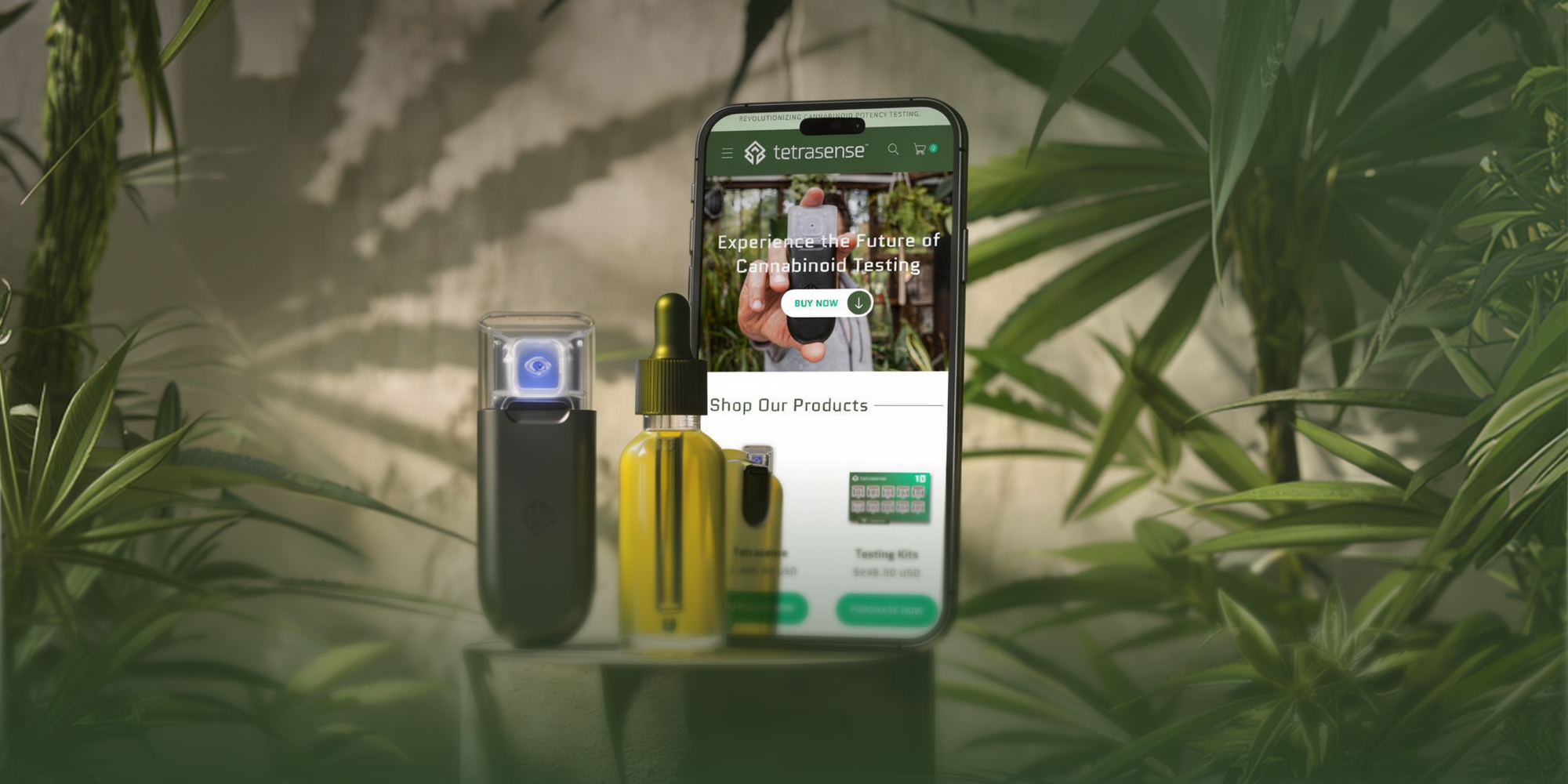
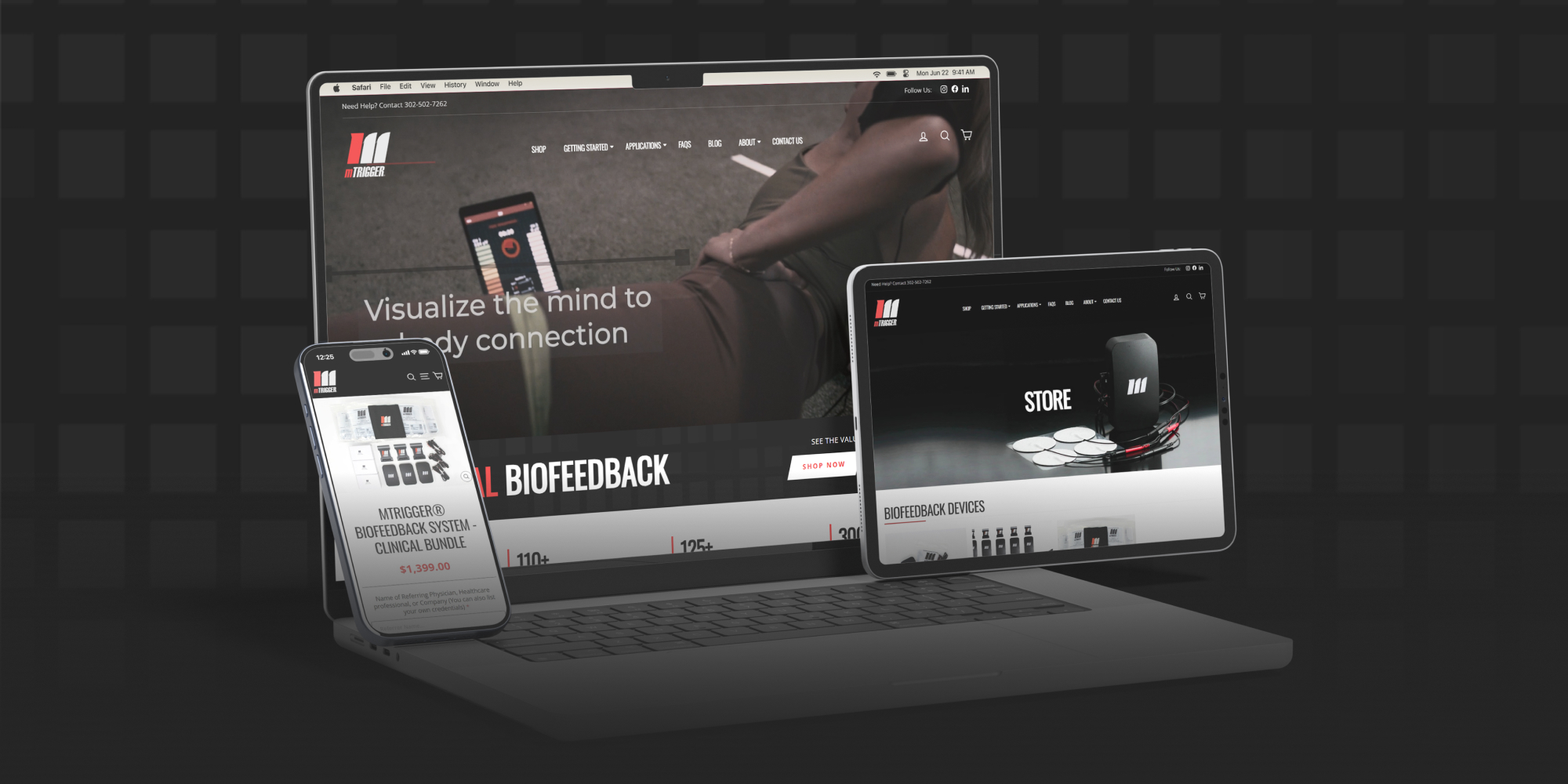
A Modern Shopify Migration That Elevates a Medical Device Brand’s Digital Credibility

UX / UI Design

We design experiences that help customers find products and complete purchases with less effort.

Conversion Rate Optimization (CRO)

We analyze customer interactions to identify and reduce friction across the shopping journey.

Mobile Optimization

We improve mobile usability, navigation, and purchase flows for growing mobile traffic.

Site Speed Optimization

We optimize page speed and performance to reduce friction and improve engagement.

Accessibility & Usability Improvements

We enhance accessibility and usability to create inclusive experiences for all customers.

Landing Page Design

We design landing pages connecting campaigns and promotions to focused customer experiences.

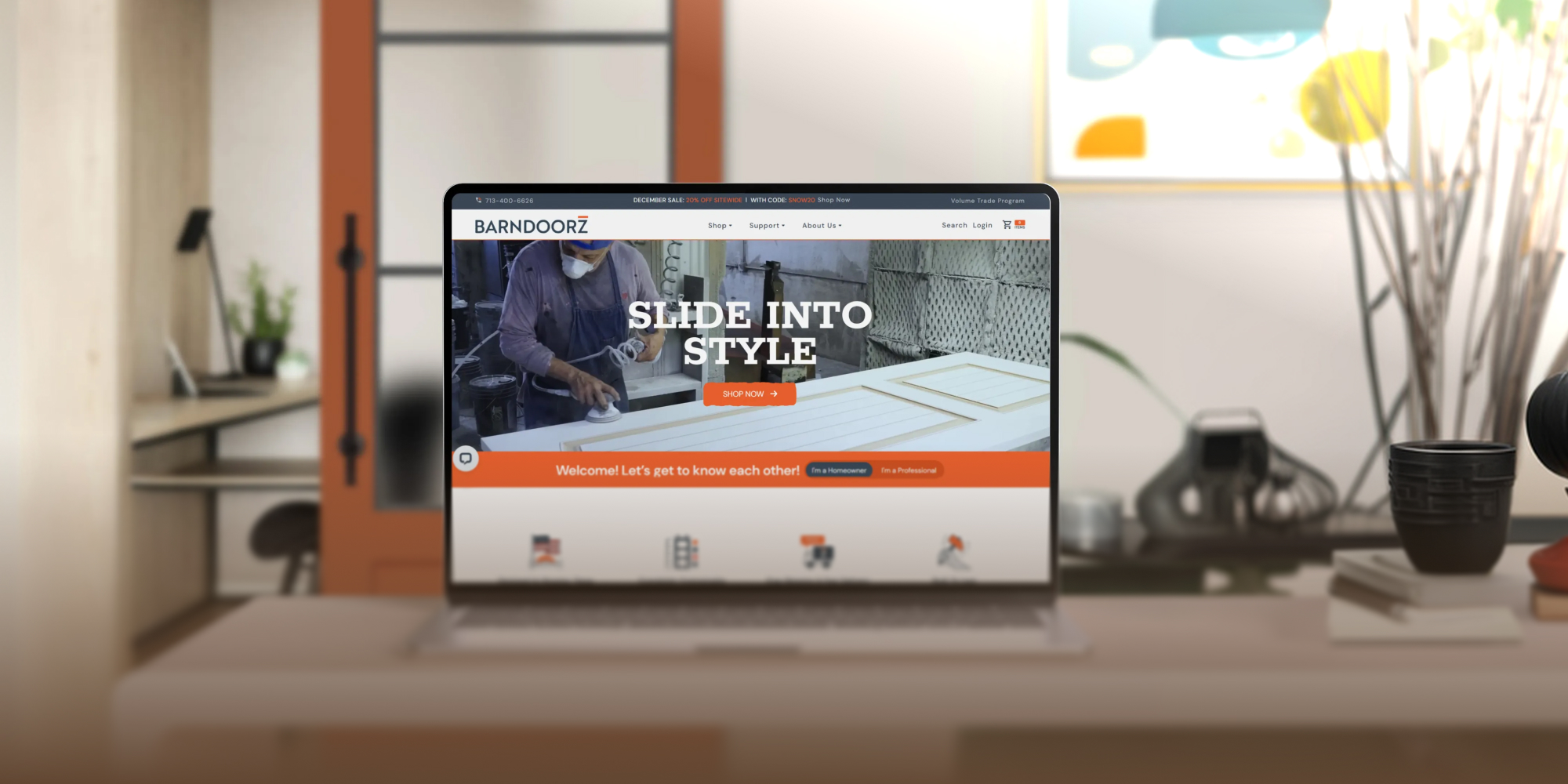
BarnDoorz Slides Open Higher Conversions with a Strategic UX/UI Overhaul

A Streamlined BigCommerce Experience That Supports Healthier Lives

Develop & Integrate Services

Custom development extends platform functionality to meet specific business needs.

B2B Data & Wholesale

B2B ecommerce needs structured pricing, access control, and catalog logic beyond standard retail.

Subscription Setup

Subscription models need clear flows, reliable billing, and proper order management setup.

PIM Setup & Support

Structured product data becomes critical as catalogs grow in size and complexity.

Bug Fixes & Diagnostics

We diagnose root causes across themes, apps, scripts, and integrations before applying fixes.

API Integrations

Connect ecommerce systems with ERPs, CRMs, fulfillment, and marketing platforms.

From Stalled Launch to Growth: Rescuing The Roots Company’s Four-Week B2B Sprint

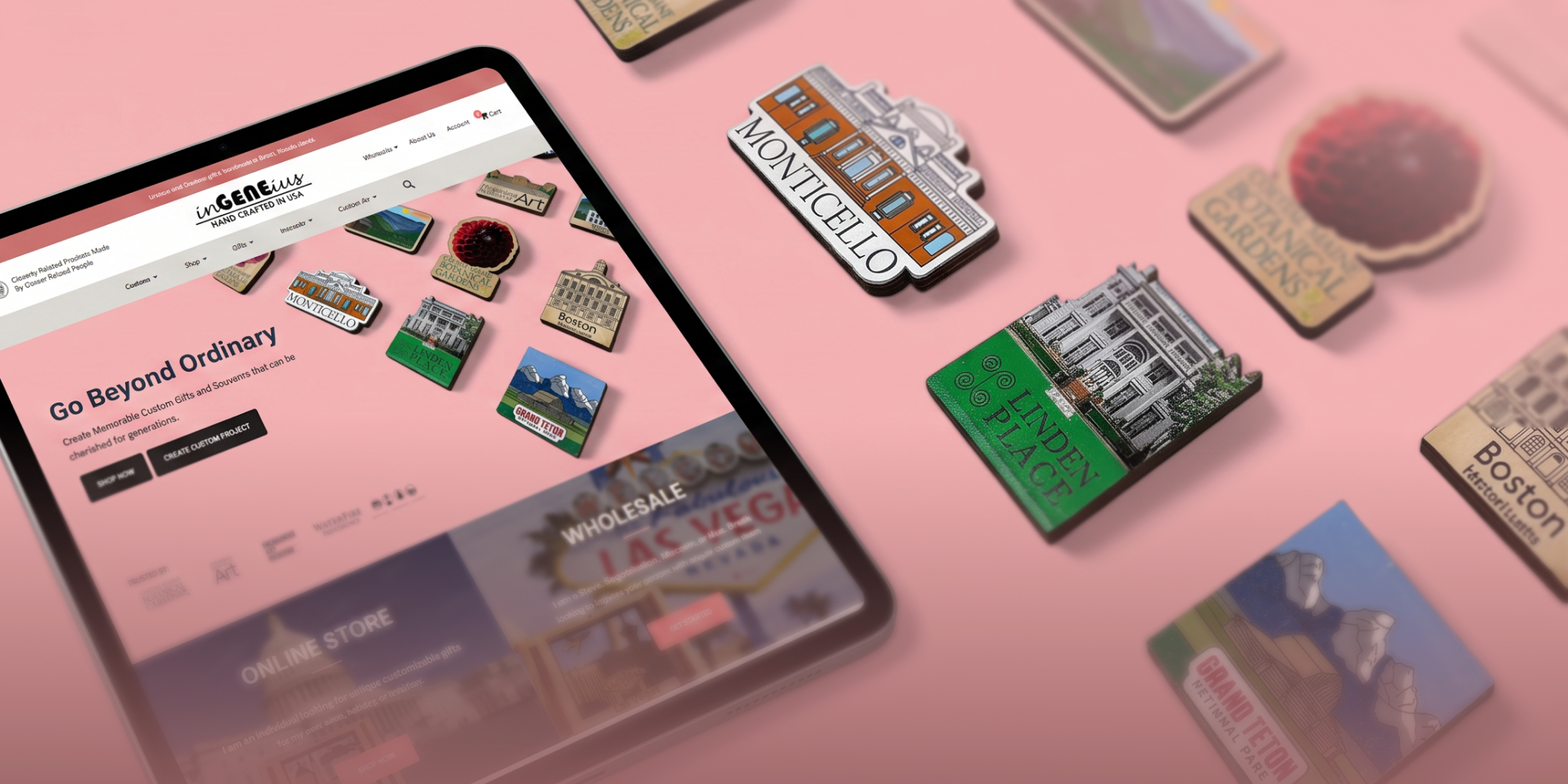
InGeneius Crafts a Streamlined E-commerce Experience for Wholesale and Retail Customers

SEO

Boost organic visibility with keyword strategy, technical optimization, and content that ranks.

AI Search & GEO

Get discovered by AI engines and local search with structured, answer-ready content.

Google Ads

Drive acquisition with campaigns aligned to your product and category structure.

Meta Ads

Support product discovery, retargeting, and promotions structured around audience behavior and catalog data.

Content Strategy

Help customers discover, evaluate, and understand your products through strategic content before purchase.

Marketplace Setup

Ensure accurate product representation across marketplaces with structured, consistent listings.

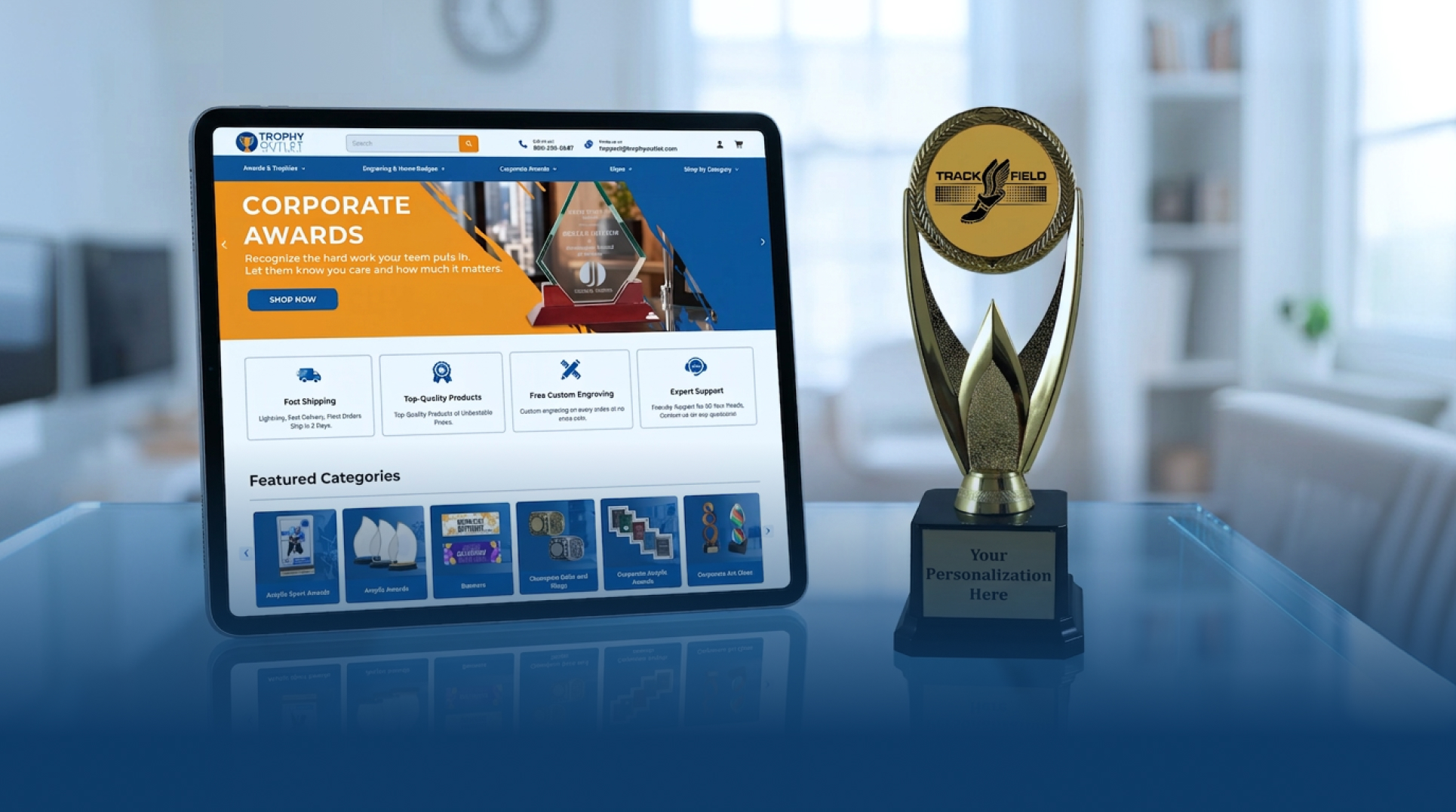
After a Failed Offshore Redesign, Trophy Outlet Found the Right Partner in AOC

Kodlin USA Revs Up Dealership Growth and Site Traffic with a BigCommerce Design Overhaul

Email Marketing

Email drives repeat purchases and strengthens relationships through behavior-based relevance.

SMS Marketing

SMS complements email as a high-intent channel for timely reminders, updates, and promotions.

Klaviyo Optimization

Klaviyo performance depends on well-structured flows, segmentation, templates, and reporting.

Cart Recovery

Recovery systems re-engage customers who abandon carts by reducing friction in the buying journey.

Loyalty & Rewards

Loyalty programs increase repeat purchases by giving customers structured reasons to return.

Reviews & UGC

Reviews and UGC build customer trust while providing valuable social proof for future purchases.

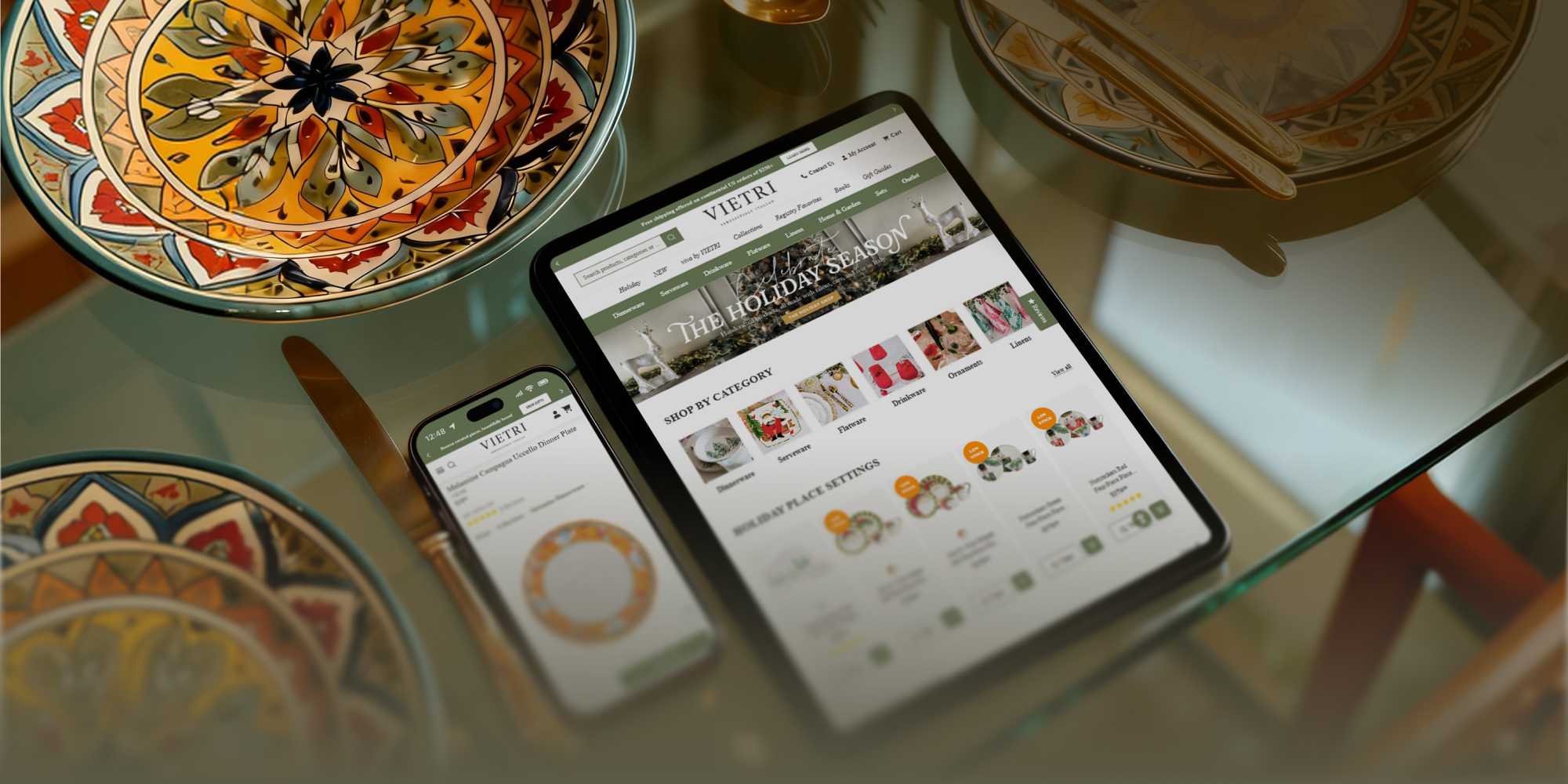
How a Luxury Tableware Brand Elevated Their Digital Growth After Leaving a Large U.S. Agency

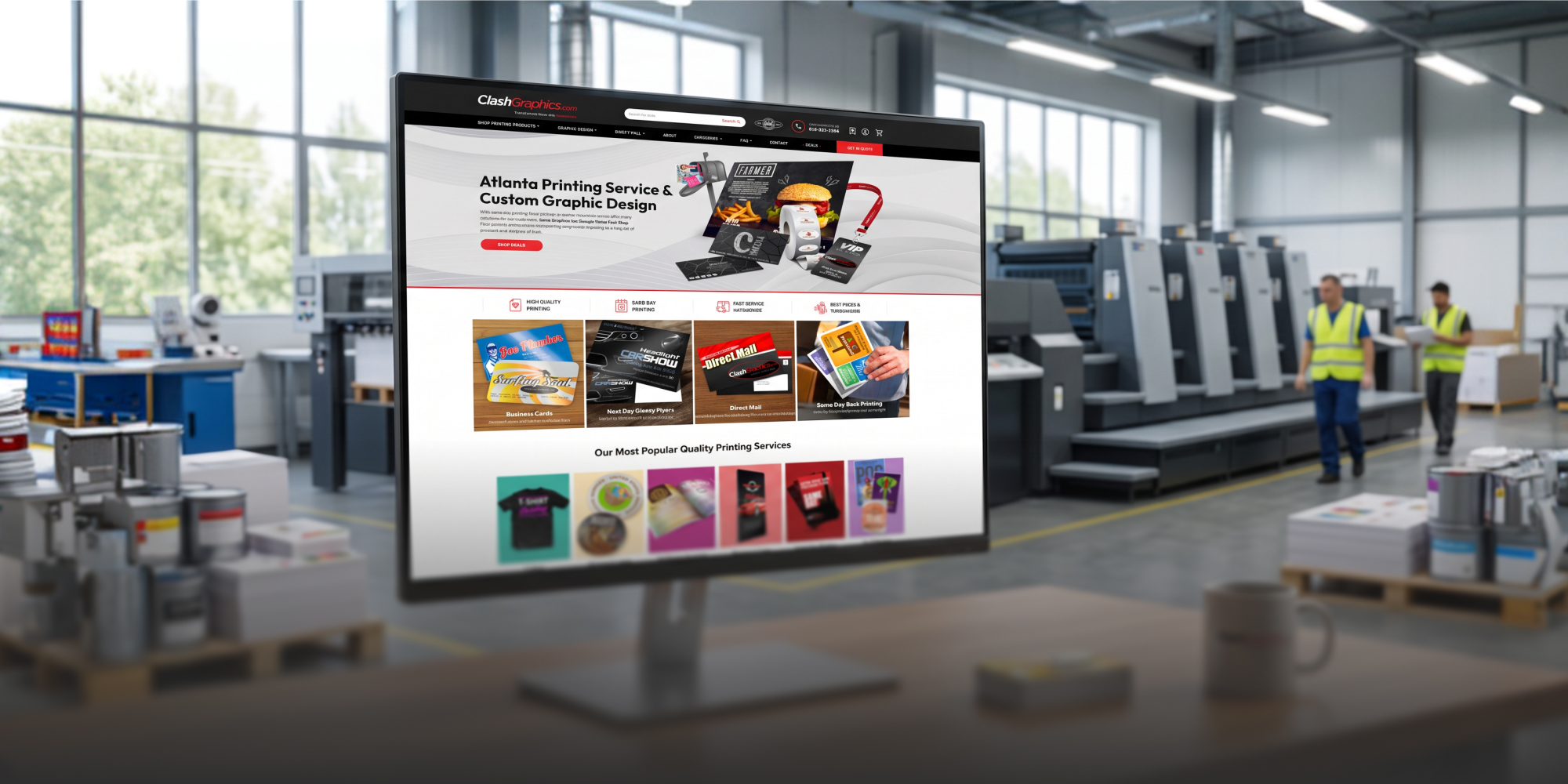
Clash Graphics Prints a New Chapter Online with a Revamped BigCommerce Store and Email Templates

WooCommerce Migration

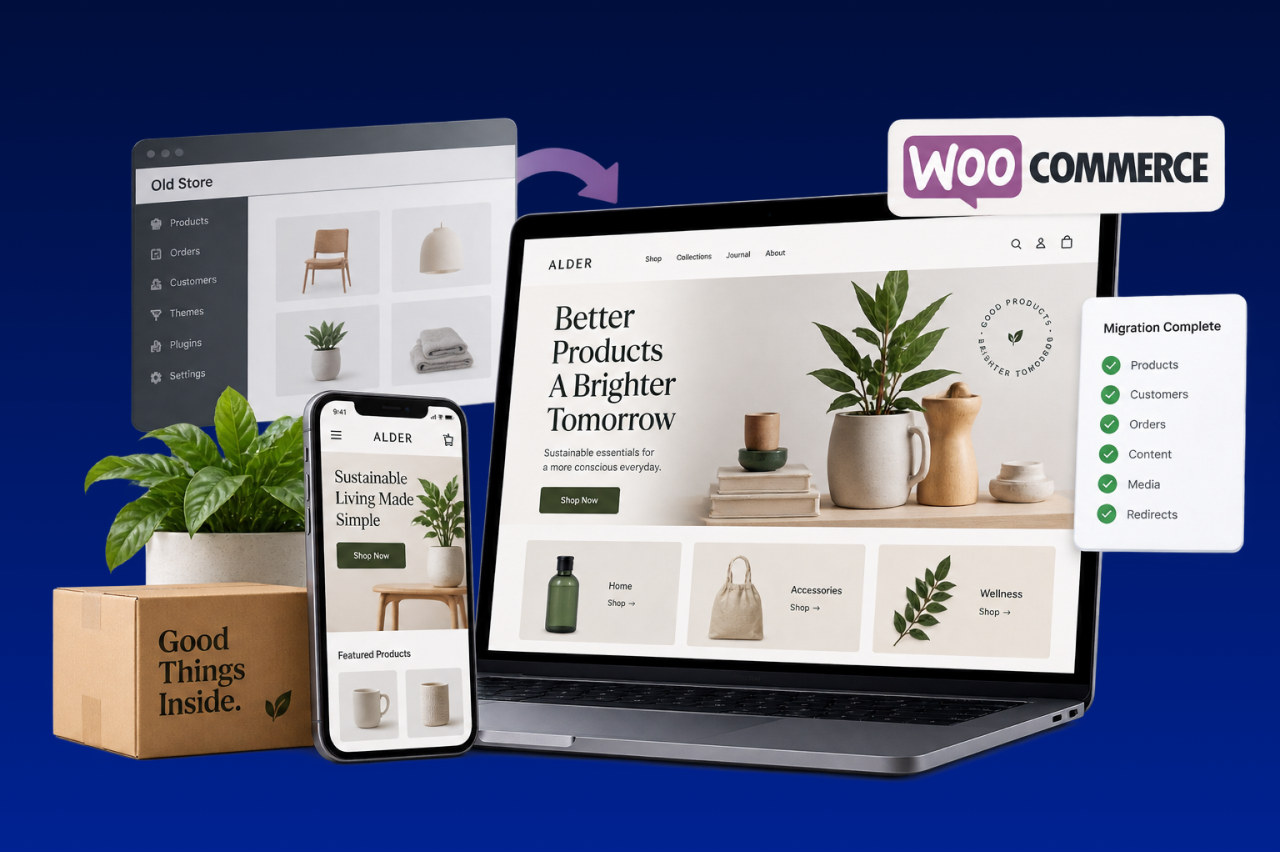
WooCommerce migration storefront illustration
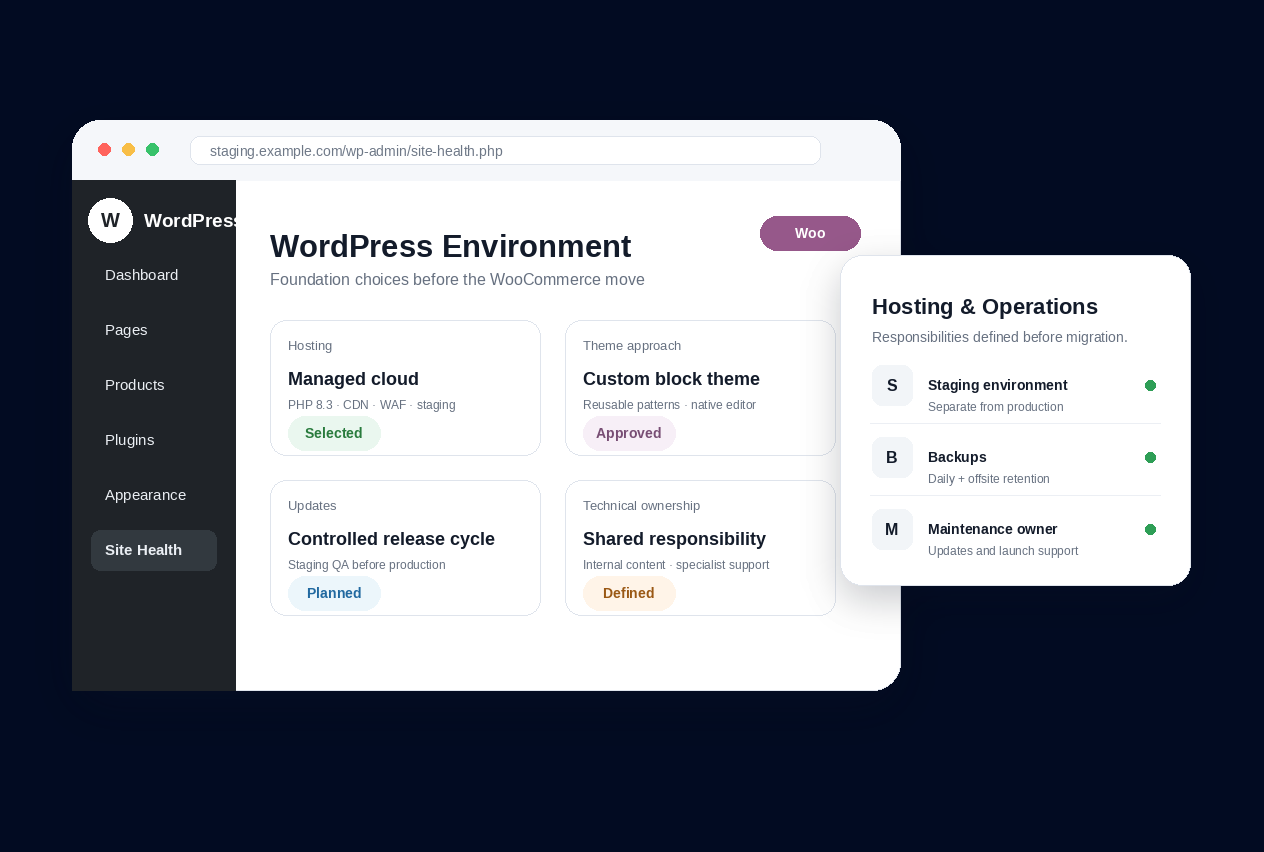
WooCommerce migration planning illustration

Choose the WordPress Foundation Before You Move the Store

WooCommerce is open-source commerce built on WordPress, so moving into it also means choosing the foundation the store will run on. Hosting, the WordPress setup, theme approach, update responsibilities, and technical ownership are part of the destination rather than background details. For a team leaving a fully hosted platform, that can be a meaningful change in who controls and maintains the commerce environment.

We start by looking at how the business expects the site to operate after launch, not only at what exists on the source platform. That helps determine what the new WordPress environment needs to support, which responsibilities the internal team can reasonably own, and where ongoing specialist support may be needed.

Build Content and Commerce as One WordPress Site

A WooCommerce migration brings the storefront and the content-management system into the same WordPress environment. Product data, categories, attributes, customer information, order history, pages, media, navigation, and editorial content may all need to be mapped with both commerce and publishing in mind.

WooCommerce also gives teams broad control over storefront design and WordPress content, including block-based editing and extension-based functionality. We use the migration to decide how those pieces should work together instead of treating the store as a plugin bolted onto an existing site. The goal is a structure that supports the buying journey while remaining practical for the people who will update products and content after launch.

WooCommerce content and commerce illustration

Treat Extensions and Maintenance as Part of the Migration

Source-platform functionality may arrive through built-in features, apps, custom code, or integrations. In WooCommerce, those needs can be handled through WooCommerce itself, WordPress, extensions, custom development, or connected systems. A one-for-one replacement strategy can quickly recreate the same complexity the business was trying to leave behind.

We review what each feature actually needs to do, then determine which parts should remain simple and which require a more specialized solution. That decision also has to account for the ongoing reality of a WordPress stack: extensions, themes, custom code, hosting, and updates can affect one another, so maintenance ownership should be understood before launch.
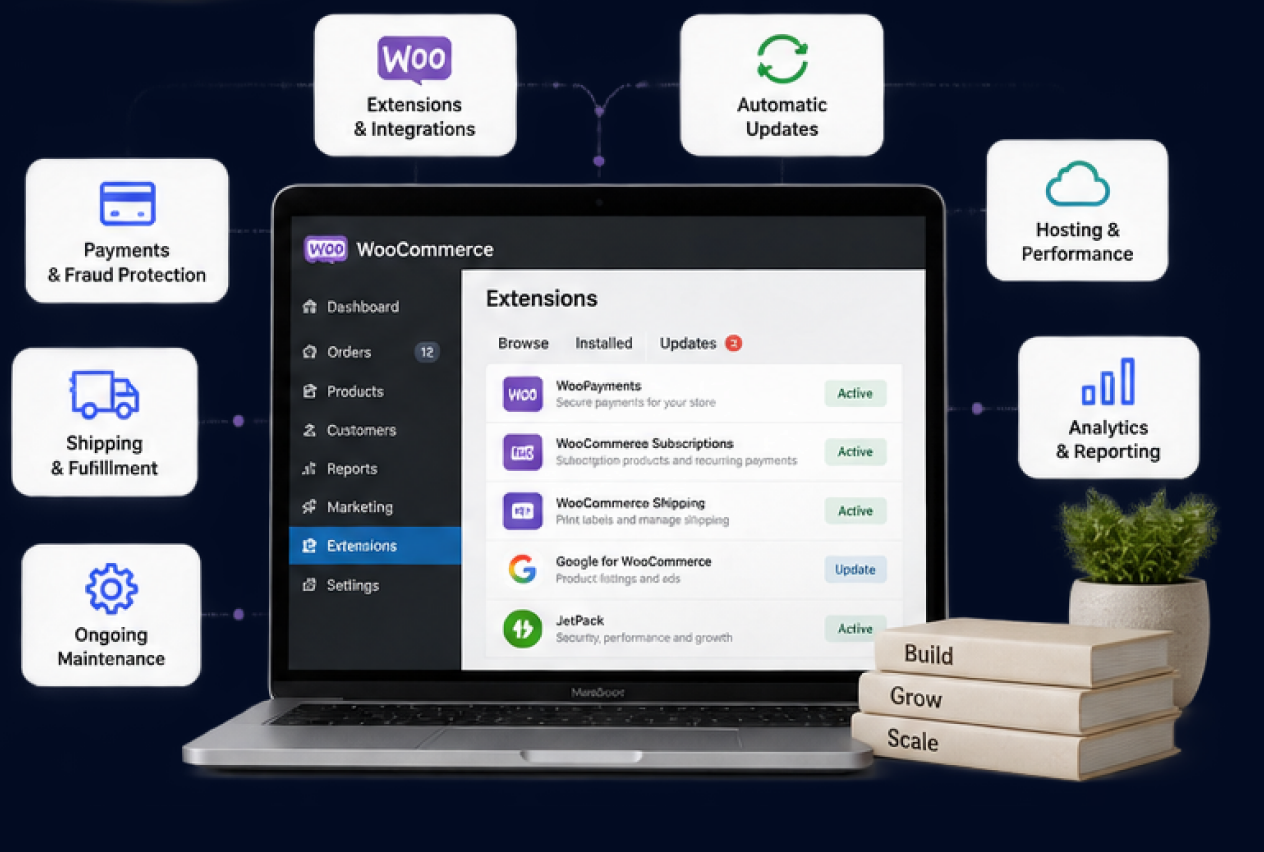
WooCommerce extensions and maintenance illustration

1

Buyer and Company Workflows

Document registration, approval, account structure, buyer roles, reordering, quotes, purchasing permissions, and other paths that matter to the commercial model.

2

Pricing and Catalog Logic

Define customer-specific pricing, product visibility, catalogs, quantity rules, and the source of truth for the commercial data that feeds the storefront.

3

Storefront-Specific Requirements

Identify where content, products, pricing, navigation, domains, currencies, or customer experiences need to vary across storefronts, regions, brands, or buyer groups.

4

Plan and Capability Fit

BigCommerce capabilities and limits can vary by plan and implementation. The migration scope should confirm the current platform requirements instead of relying on an older feature assumption.

WooCommerce Migration Process

1

Assess

Review the source store and define the WordPress environment, hosting, theme, extension stack, and ownership model the WooCommerce site will need.

2

Map

Map products, customers, content, URLs, storefront behavior, and required functionality into the WordPress and WooCommerce structure.

3

Build and Transfer

Build the approved WordPress and WooCommerce environment, transfer in-scope data and content, and configure approved themes, extensions, or integrations.

4

Validate

Review migrated data and content, buying journeys, extensions, connected systems, responsive behavior, redirects, and launch readiness.

5

Launch and Support

Coordinate the WooCommerce go-live plan and continue with post-launch validation, maintenance, or support when included in scope.
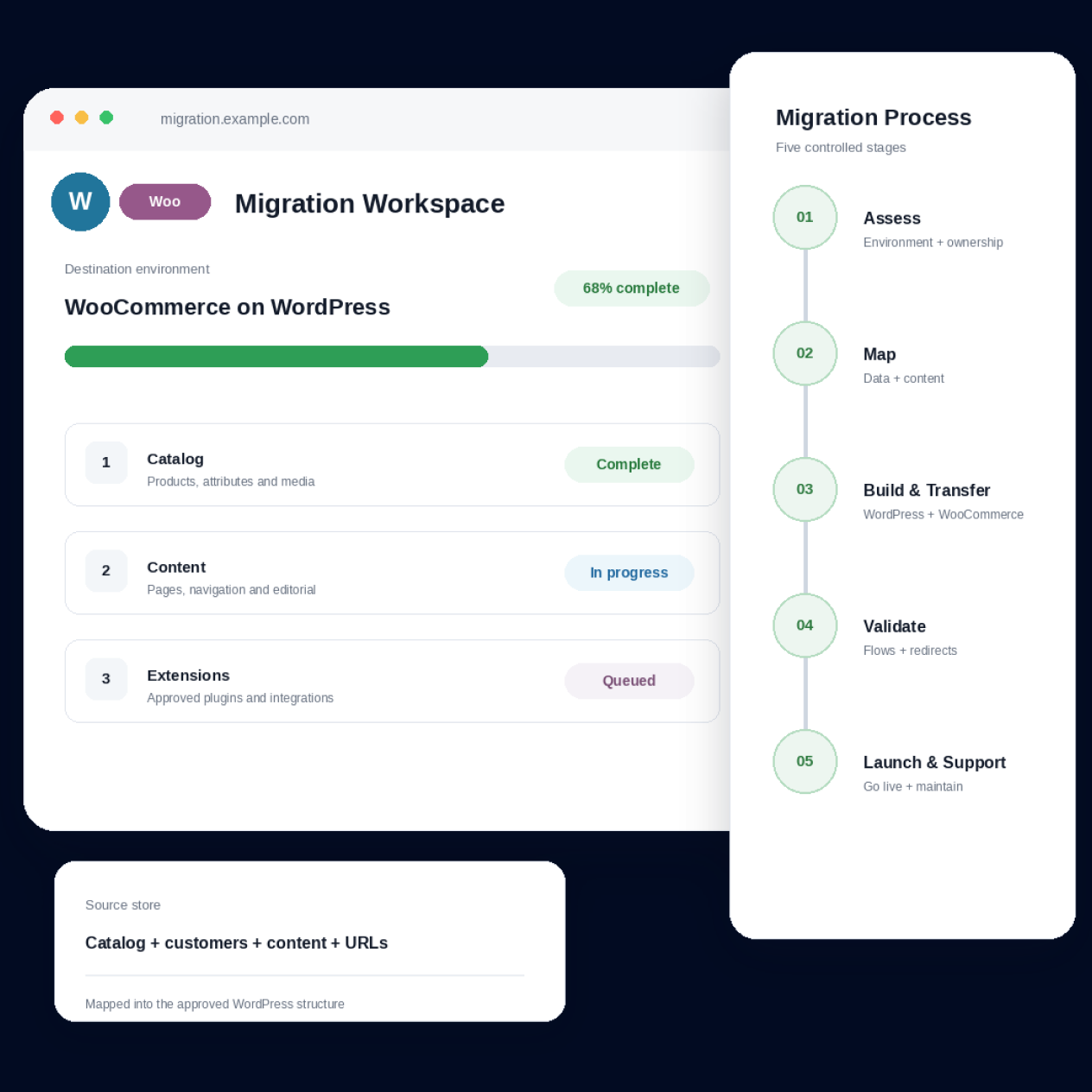
WooCommerce migration process illustration
InGeneius ecommerce experience case study

Migration

InGeneius – Ecommerce Experience Case Study
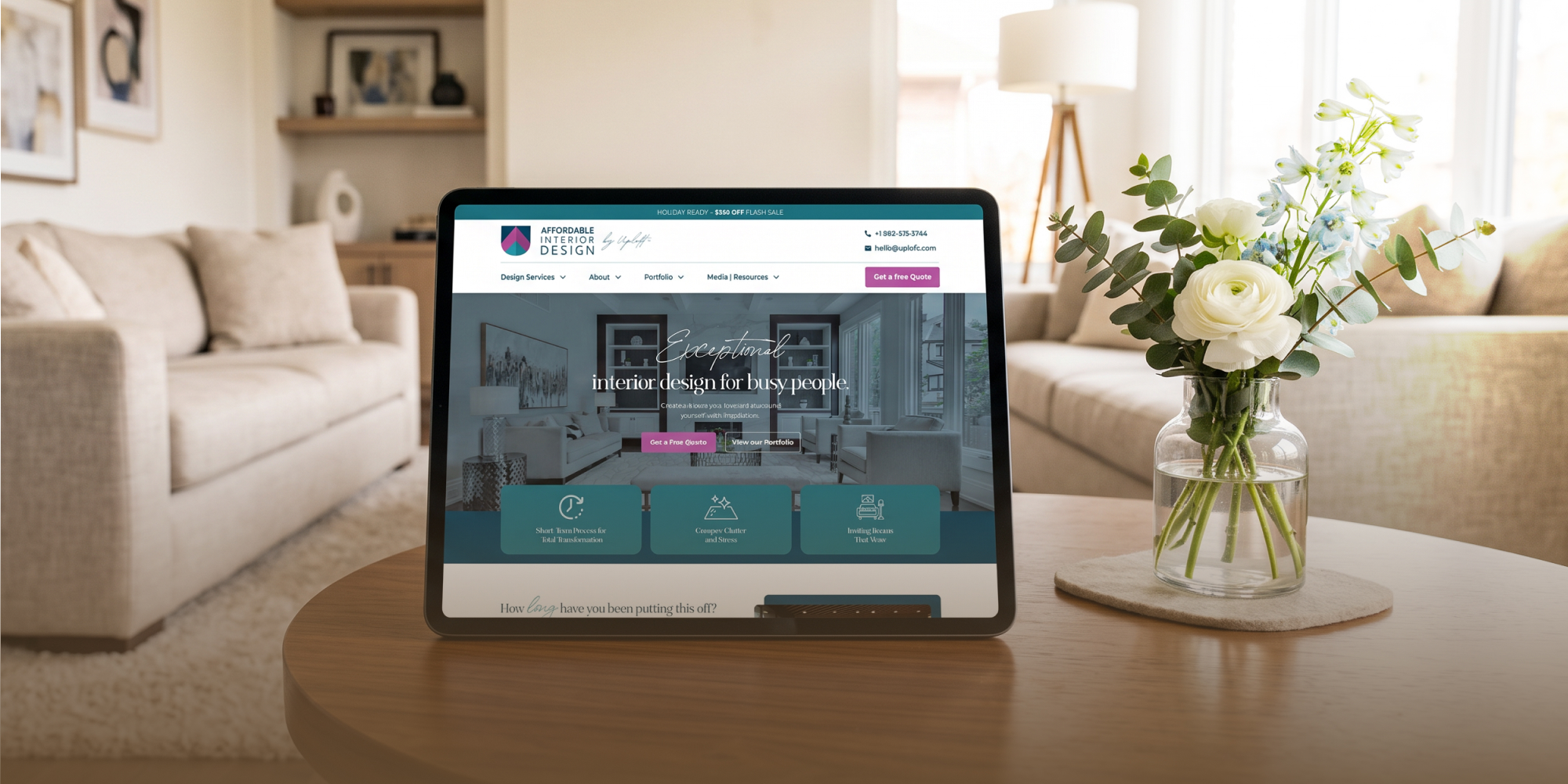
Affordable Interior Design SEO case study

Migration

Affordable Interior Design – SEO Case Study

WooCommerce Migration FAQs

What can be migrated into WooCommerce?

Migration scope can include products, variations, categories, customers, historical orders, content, media, URLs, and other approved records. What can move cleanly depends on the source platform, data quality, and the WooCommerce structure being built.

What happens to existing apps, plugins, and custom functionality?

Each app, plugin, extension, integration, or custom feature should be reviewed for the WooCommerce destination. Some functionality may have a suitable WooCommerce option, while other needs may require different configuration, replacement, or approved custom work.

How should URLs and SEO be handled during the move?

Important source URLs should be compared with the planned WordPress and WooCommerce paths before launch. Redirects, metadata, internal links, and content relationships should be mapped where relevant. This can reduce avoidable search risk, but it cannot guarantee rankings, traffic, or identical indexation.

Do we need a new hosting environment?

Not necessarily. WooCommerce needs a suitable WordPress hosting environment, but that may be an existing setup or a new one. The store, catalog, traffic, integrations, performance needs, and maintenance model should be reviewed before the hosting approach is confirmed.

Who should own WooCommerce maintenance after launch?

That should be decided before go-live. Hosting, WordPress updates, WooCommerce updates, themes, extensions, custom code, monitoring, and troubleshooting can affect one another, so the business needs a clear ownership model for ongoing maintenance and specialist support.

Your Cart

Your cart is empty.

PHP Code Snippets Powered By : XYZScripts.com