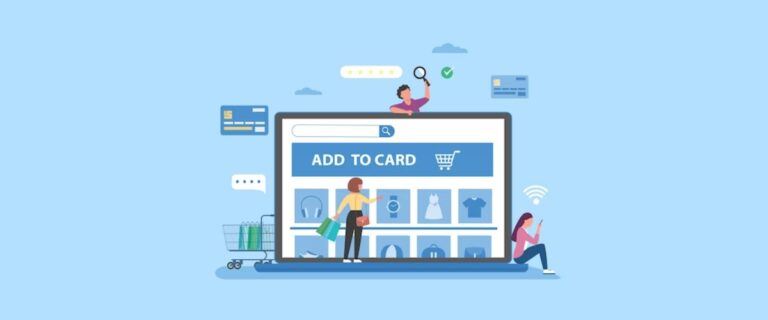

























































Online shopping is more common, and e-commerce is rapidly evolving. Retailers are constantly seeking strategies to reach their target audience and increase sales. One tactic that has proven successful for many businesses is selling on marketplaces. Marketplaces provides a platform to expand online presence, tap into new markets, and grow your business.
Identify why retailers are embracing ecommerce marketplaces as a key strategy for growth and success. Find out the top 3 marketplaces and how to get started with these platforms.

What are marketplaces?
Marketplaces are online platforms that allow multiple retailers to sell their products to a large audience. These platforms provide businesses with an opportunity to reach customers who may not have otherwise discovered their brand. Marketplaces can be general, like Amazon and eBay, or niche-specific, such as Etsy for handmade items.
Larger Customer Base
One biggest benefit of a marketplace is access to a larger customer base. These platforms have millions of active users who search for products to buy. Listing your products on these marketplaces can increase your chances of being seen.
Sales Processes
Another advantage is that marketplaces handle many aspects of the sales process on behalf of the retailer. This includes payment processing and shipping logistics, which can save time and money.
Less Control Over Branding
However, there are drawbacks when selling on marketplaces. Retailers typically have less control over branding and customer experience than they would with their own website. Additionally, fees associated with using these platforms can eat into profit margins.
The benefits of selling on a marketplace
Selling on a marketplace can bring numerous benefits to retailers looking to expand their e-commerce presence.
- Marketplaces offer access to an already established customer base, saving retailers the time and effort involved in building their own audience from scratch.
- Additionally, retailers can seize the platform’s marketing efforts, which can include targeted advertising campaigns and promotions that drive traffic and sales.
- Marketplaces also provide retailers with valuable data insights that can inform pricing strategies and product offerings. Through analytics tools provided by the marketplace platform, sellers gain access to information on consumer behavior and preferences that would otherwise be difficult or costly to obtain.
- Marketplaces often handle many aspects of order fulfillment for sellers, including shipping logistics and customer service inquiries. This frees up resources for retailers who can focus on other areas of their business instead of dealing with these operational details.
Selling on a marketplace offers many advantages for e-commerce businesses seeking growth opportunities.

The top 3 marketplaces
There are many e-commerce marketplaces. However, some stand out due to their popularity and success rate. Here are the top three marketplaces in the US.
Amazon
First is Amazon, reigning with over 300 million users worldwide. With its massive customer base and user-friendly platform, selling on Amazon can result in significant growth for retailers.
eBay
Secondly, we have eBay which has been around since 1995 and still a popular choice among buyers and sellers alike. The platform allows businesses of all sizes to sell products ranging from electronics to fashion items.
Walmart
Walmart Marketplace offers an alternative option for retailers looking to expand their reach online. As one of the largest retail chains, third-party sellers can access millions of customers.
These top three marketplaces offer great opportunities for businesses looking to increase their sales revenue through wider audience exposure.
Why now is the time to embrace marketplaces
It’s a good time for retailers to embrace marketplaces as a key strategy for growth and success. More consumers are shopping online, making it imperative for businesses to meet them where they are. Marketplaces offer an easy way for retailers to expand their reach and tap into new customer bases.
Trusted Brands: Marketplaces such as Amazon, eBay and Walmart have already established themselves as trusted brands. By partnering with these platforms, retailers can leverage their reputation and credibility to attract new customers.
Existing Infrastructure: Selling on a marketplace allows retailers to take advantage of the platform’s existing infrastructure including payment processing, shipping logistics and customer service. This reduces overhead costs associated with running an online store independently which can be particularly beneficial for small businesses.
Embracing marketplaces now while they grow in popularity means retailers will be ahead of the curve in terms of future-proofing their business against changes in consumer behavior. As e-commerce continues its upward trajectory, establishing a presence on mainstream marketplaces is vital for success.

How to get started with selling on a marketplace
Getting started with selling on a marketplace can be a simple process.
- Research the top marketplaces in your niche and identify which one aligns best with your brand and products. Once you have a marketplace, create an account and carefully review their terms of service, ensuring you understand all the fees involved.
- Optimize your product listings by creating engaging titles, detailed descriptions, high-quality images or videos, and competitive prices. This will help increase the visibility of your products within the marketplace’s search results.
- Once you have listed your products for sale on the marketplace, monitor their performance regularly to identify any areas where improvements can be made such as price adjustments or product updates.
- Another important aspect is customer service. Ensure that you provide fast responses to customer inquiries and complaints to maintain high ratings.
Consider using advertising options or analytics reports to further improve sales performance. By following these steps, sellers can successfully navigate the world of e-commerce marketplaces and achieve growth for their businesses.E-commerce marketplaces present opportunities for retailers to grow and reach a wider audience. Leveraging the power of these platforms can increase their sales and revenue without investing in expensive marketing and technology infrastructure.
Note that success on marketplaces requires strategy and persistence. Retailers must choose the right marketplace, optimize their listings, and provide exceptional customer service.
If you’re a retailer looking to expand your online presence or diversify your sales channels, then selling on an ecommerce marketplace could be the key to unlocking new growth opportunities. With the help of our Developers, designers, and Marketers, you can successfully navigate e-commerce marketplaces and achieve success.