



















































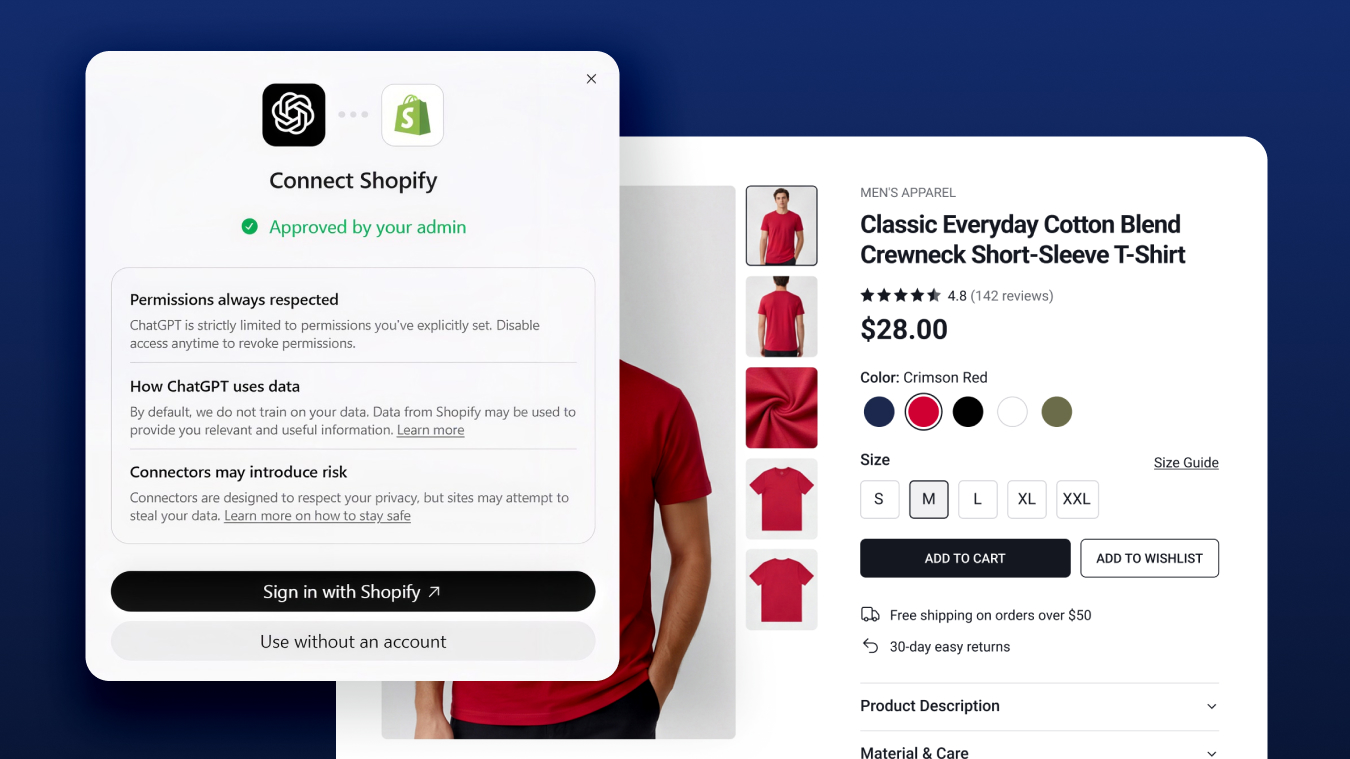
Some Shopify work that businesses currently pay people (including agencies like ours) to perform can now be carried out through AI connections.
We should be upfront about that.
The opportunity is to reduce repetitive execution and put people’s time toward work that still requires judgment. For each client, we need to establish which tasks a connection can perform reliably, what oversight remains necessary, and whether the overall workflow is worthwhile.
Always Open Commerce has been testing Shopify store-management connections in an internal sandbox to help answer those questions.
What is MCP?
MCP stands for Model Context Protocol. Anthropic introduced it on November 25, 2024, as an open standard for connecting AI assistants to external tools and data. That date refers to the protocol’s introduction, rather than a Shopify integration launch. Anthropic’s introduction to MCP
A supported connection can let an assistant retrieve information or perform permitted actions inside another system.
That moves AI beyond explaining how to do something: it can potentially carry out the work.
Capabilities depend on the specific connection and permissions. “Supports MCP” doesn’t mean an assistant can perform every action in your store.
Store management is different from AI shopping
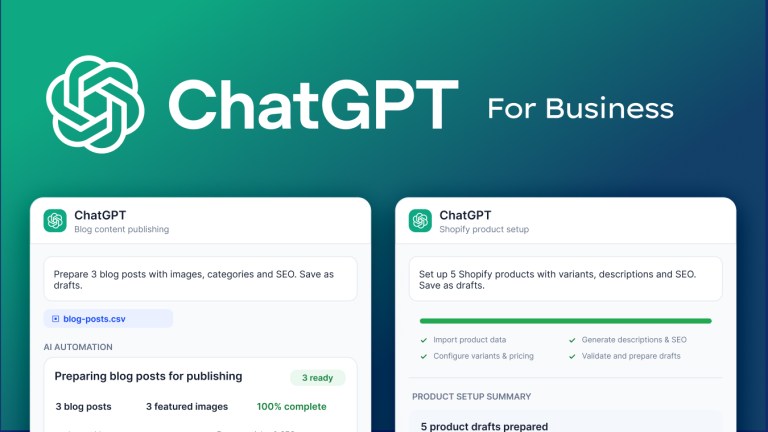
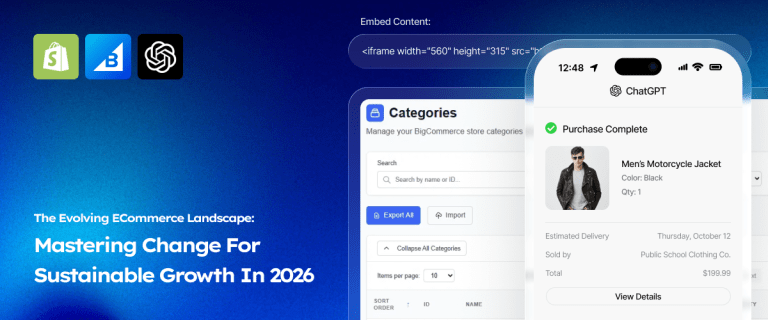
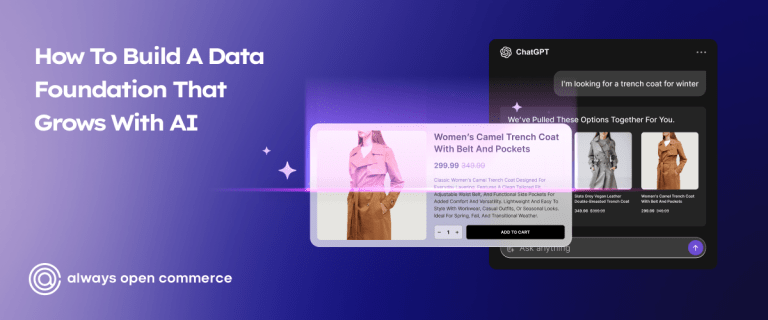
Shopify supports connections that let merchants manage stores through AI tools such as ChatGPT and Claude.
That is separate from customers discovering or buying products through an AI shopping assistant. Our tests concerned store management, rather than AI-assisted purchases. Shopify’s guide to connected AI tools
What worked: setting up product relationships
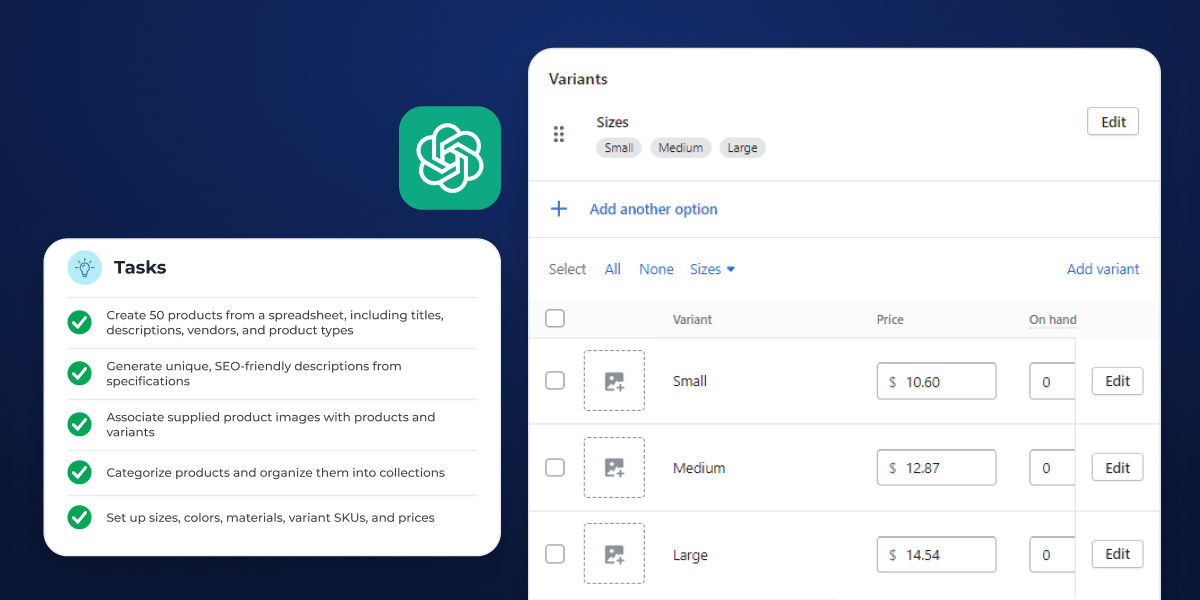
One sandbox test involved a “Product Family”, a structured record connecting related products.
The connection created the record’s structure, configured its fields, created an entry, and linked the intended test products.
In Shopify terminology, this involved a metaobject, which holds structured information, and metafields, which attach additional information or references to products.
This is an example of AI carrying out configuration work that someone would otherwise perform manually.
A person still needed to decide which products belonged together, what information the relationship should contain, and how the storefront would use it. Once those decisions were defined, the connection could execute the tested setup.
What helped: a controlled theme-code fix
In a separate test on an unpublished theme, the assistant identified a code issue, applied a targeted fix, and restored the original value afterward.
That demonstrated useful assistance with a defined troubleshooting task.
It didn’t establish that a storefront was ready for customers. The resulting page still needs the relevant layout, behavior, accessibility, and regression checks before release.
The limitation: creation didn’t guarantee cleanup
Some temporary discount and theme-file tests required manual cleanup because the tested deletion path was unavailable.
A connection that can create or update something may not be able to reverse it through the same workflow.
Before starting, establish how to recover: preserve original values, use a working copy where appropriate, and identify who will handle cleanup or partial completion.

What this could change about the work you pay us to do
Our testing shows that AI can replace portions of manual execution in defined workflows. It doesn’t establish that every client task can be automated or that every connection produces a net saving.
That distinction should be part of an open conversation with your agency.
If a task we perform for you could be handled more efficiently through an AI connection, we should review it together. That includes what work could be replaced, what setup and checking would remain, and how it would affect the scope and cost.
The value of agency support needs to reflect the work your business actually needs as these capabilities develop.
Bring us one repetitive task
Choose something your team or ours does regularly. Tell us:
- What gets changed, and how often?
- How much manual work is involved?
- How do you confirm the result is correct?
- What happens if the action fails or stops halfway?
We can use that example to assess an AI connection against Shopify’s native tools or another established workflow.
Our sandbox tests give us a practical starting point. A conversation about your actual work will help establish whether there is a useful opportunity for your store.
Sources: Shopify’s guide to connected AI tools · Anthropic’s introduction to MCP